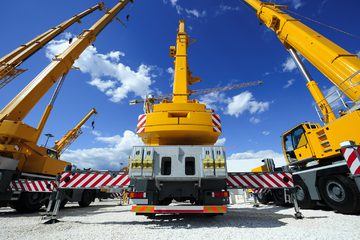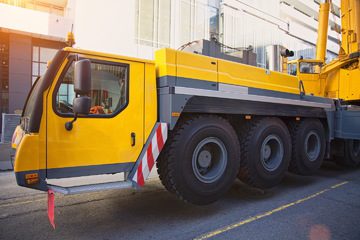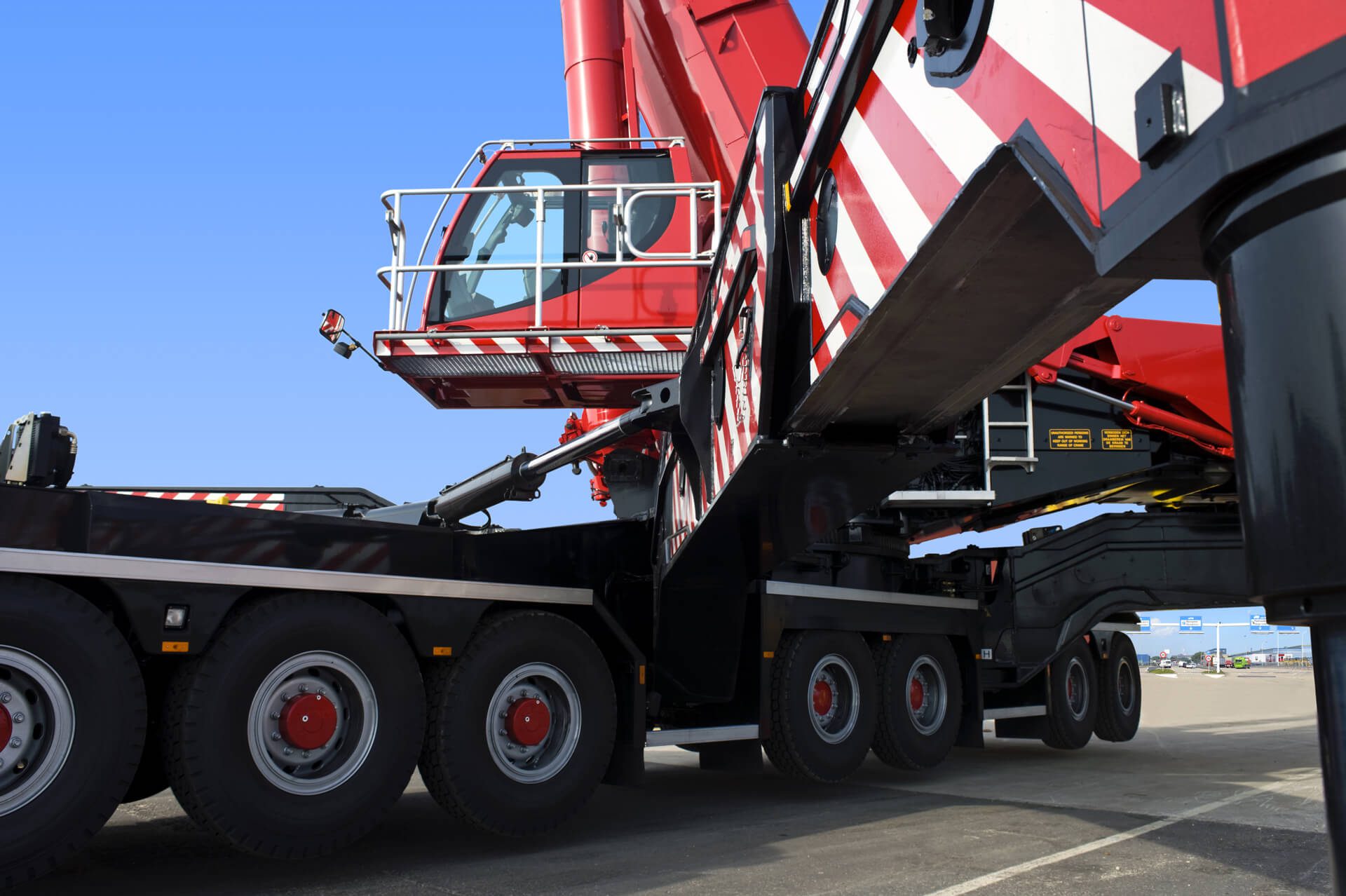
Stand in any Australian capital today—Sydney, Melbourne, Brisbane—and look up. The skyline is rarely still. Steel frames rise where parking lots once sat, transport corridors thread through dense suburbs, and entire precincts seem to reorganize themselves in real time. At the center of this transformation is a piece of equipment so familiar it’s almost invisible: the crane. Yet the story of modern construction is increasingly a story of crane hire—how it is deployed, adapted, and integrated into the evolving logic of urban growth.
To understand the role of crane hire in Australia today is to understand something deeper about the country’s economic and spatial trajectory. Population growth, housing demand, and infrastructure investment have converged to create a construction environment that is both fast-moving and highly constrained. Space is tighter, timelines are shorter, and expectations—around safety, sustainability, and efficiency—are higher than ever. Within this environment, the choice between mobile crane hire, tower crane hire, and luffing crane hire is not merely technical. It reflects how projects are conceived and executed in an increasingly complex urban fabric.
The Quiet Backbone of Infrastructure Growth
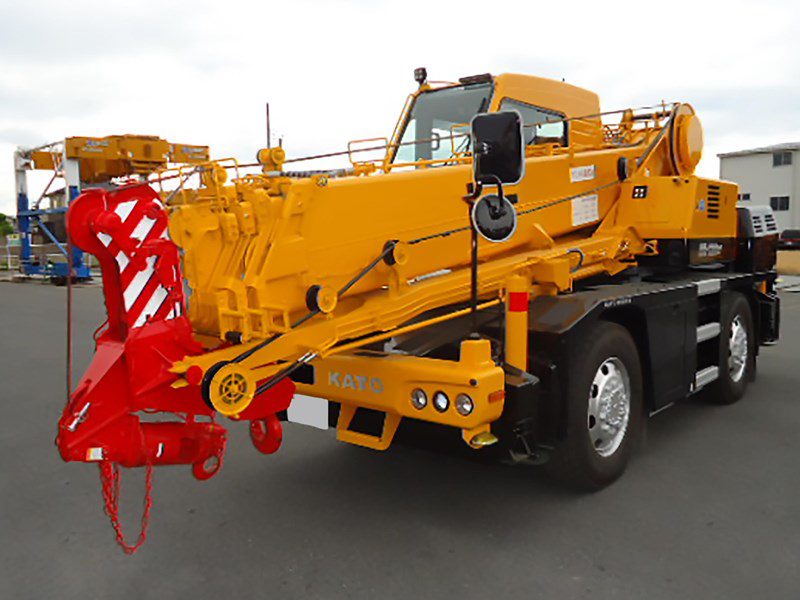
Australia’s infrastructure pipeline over the past decade has been expansive, driven by public investment in transport, energy, and urban renewal. Major road and rail projects, airport expansions, and renewable energy installations have all required lifting capacity at scale. This is where mobile crane hire has established itself as an indispensable tool.
Mobile cranes, with their flexibility and relatively quick setup times, are particularly suited to large infrastructure works that span long distances or evolve in phases. A highway upgrade, for instance, may require lifting heavy bridge components in multiple locations over several months. Rather than installing fixed equipment, contractors rely on mobile cranes that can be relocated as the project progresses. The efficiency lies not just in the machinery itself but in the logistics of hire—matching the right crane to the right task at the right moment.
What emerges is a system that prioritizes adaptability. Infrastructure projects rarely unfold exactly as planned; weather, supply chains, and site conditions introduce constant variables. Mobile crane hire allows construction teams to respond dynamically, scaling lifting capacity up or down as needed. In this sense, cranes are not just tools but enablers of flexibility in an otherwise rigid process.
Building Upward: The Logic of Tower Cranes
If mobile cranes define the horizontal spread of infrastructure, tower crane hire defines the vertical ambition of Australia’s cities. High-rise construction has become a defining feature of urban development, particularly in Sydney and Melbourne, where land scarcity and housing demand have pushed development skyward.
Tower cranes are uniquely suited to this environment. Anchored to the ground or integrated into the structure itself, they provide the height and reach necessary to move materials efficiently across multi-story projects. But their significance goes beyond mere lifting capacity. They impose a kind of order on the construction process, dictating how materials flow through the site and how different trades coordinate their work.
In dense urban settings, this orchestration becomes critical. A single tower crane may serve dozens of workers across multiple floors, each operating on tight schedules. Delays ripple quickly, making reliability and precision essential. The decision to engage in tower crane hire, therefore, is as much about project management as it is about engineering.
There is also an economic dimension. Tower cranes represent a substantial investment, and hiring them allows developers to manage costs more predictably. Instead of tying up capital in equipment that may only be needed for a specific phase, companies can align expenses with project timelines. This financial flexibility has become increasingly important in a market where margins are often under pressure.
Navigating Tight Spaces: The Rise of Luffing Cranes
As cities become denser, the limitations of traditional construction methods become more apparent. Sites are smaller, boundaries are closer, and the margin for error narrows. In this context, luffing crane hire has gained prominence, particularly in inner-city developments.
Unlike conventional tower cranes with fixed horizontal jibs, luffing cranes can raise and lower their arms, allowing them to operate within confined airspace. This capability is crucial in areas where multiple construction sites operate in close proximity or where existing buildings limit crane movement. In parts of central Sydney, for example, it is not uncommon to see several luffing cranes working in coordination, their movements carefully choreographed to avoid overlap.
The adoption of luffing cranes reflects a broader shift in urban construction. As available land diminishes, developers are increasingly working within constraints that demand precision and ingenuity. Luffing crane hire provides a solution that balances efficiency with spatial awareness, enabling projects to proceed without disrupting surrounding structures or airspace.
Safety, Regulation, and the Weight of Responsibility
Behind the visible choreography of cranes lies a dense framework of regulation and safety standards. Australia’s construction industry operates under some of the strictest safety requirements in the world, shaped by both national guidelines and state-based authorities. The emphasis on safety is not incidental; it is a response to the inherent risks of lifting heavy materials in complex environments.
Crane operations are subject to rigorous inspection regimes, operator certification requirements, and detailed planning processes. Every lift must be assessed, every load calculated, and every movement coordinated. The margin for error is minimal, and the consequences of failure can be severe.
Over time, these standards have evolved in response to both technological change and industry experience. Incidents, when they occur, tend to prompt reviews and reforms, reinforcing a culture of continuous improvement. For companies involved in crane hire, compliance is not optional—it is central to their business model. The ability to demonstrate safety and reliability often determines whether they are selected for major projects.
Technology and the Changing Nature of Work
While cranes may appear unchanged to the casual observer, the technology underpinning them has advanced significantly. Modern cranes are equipped with sophisticated control systems, real-time monitoring, and data analytics that enhance both safety and efficiency. Operators can now rely on sensors that provide precise load measurements, wind speed data, and positional feedback, reducing uncertainty and improving decision-making.
These advancements are also reshaping the nature of work on construction sites. Operators require not only technical skill but also digital literacy, as they interact with increasingly complex systems. At the same time, project managers have access to more detailed information, allowing them to plan and coordinate activities with greater accuracy.
The integration of technology extends beyond individual cranes. In some projects, digital models of the construction site are used to simulate crane movements and optimize placement before work begins. This level of planning reflects a broader trend toward digitization in the construction industry, where data and analytics play an increasingly central role.
Pressures and Possibilities
Despite these advancements, the crane hire sector faces a range of pressures. Supply chain disruptions, labor shortages, and fluctuating demand can all impact availability and costs. The transition toward more sustainable construction practices also introduces new challenges, as companies seek to reduce emissions and improve energy efficiency.
Yet these pressures are accompanied by opportunities. The push for renewable energy, for instance, has created demand for cranes capable of handling large components such as wind turbine blades. Similarly, the ongoing need for urban housing ensures a steady pipeline of high-rise projects, sustaining demand for tower and luffing cranes.
What emerges is a sector that is both resilient and adaptive. Crane hire companies are not merely responding to changes in construction; they are actively shaping how projects are delivered. By providing flexible, specialized equipment, they enable developers and contractors to navigate an increasingly complex landscape.
A Subtle but Defining Presence
It is easy to overlook cranes as background elements in the urban scene, their presence so constant that it fades into the everyday. But their role in shaping modern Australia is profound. They are the instruments through which plans become structures, through which cities grow upward and outward.
Mobile crane hire supports the vast infrastructure networks that connect regions and sustain economic activity. Tower crane hire underpins the vertical expansion of cities, making high-density living possible. Luffing crane hire allows construction to proceed even in the most constrained environments, reflecting the ingenuity required in contemporary urban development.
Together, they form a system that is both visible and invisible—seen in the skyline, yet embedded in the deeper processes of planning, regulation, and execution. As Australia continues to evolve, the cranes that dot its cities will remain a quiet but essential presence, lifting not just materials, but the ambitions of a nation still in the process of building itself.