As Australia’s cities expand at an unprecedented pace, the skyline of Northern Sydney offers a tangible reflection of this growth. Towering apartment complexes, sprawling commercial precincts, and critical infrastructure projects all owe much of their construction efficiency to the strategic deployment of cranes. Among these, city crane hire Northern Sydney has emerged as a critical enabler, facilitating complex projects while balancing logistical, safety, and regulatory demands.
Modern Urban Construction and the Strategic Role of Crane Hire
Urban construction in Northern Sydney is increasingly defined by density and scale. High-rise residential towers and multi-level commercial spaces necessitate heavy-lifting solutions capable of navigating limited footprints. City crane hire in the region allows construction managers to access specialized equipment without committing to permanent ownership, a flexibility that is particularly valuable in projects with variable timelines or temporary site constraints.
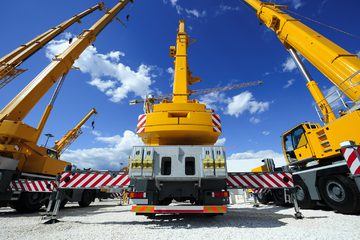
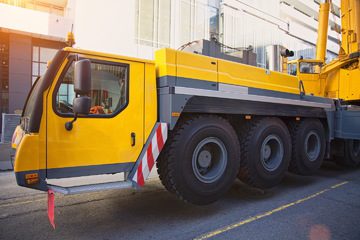
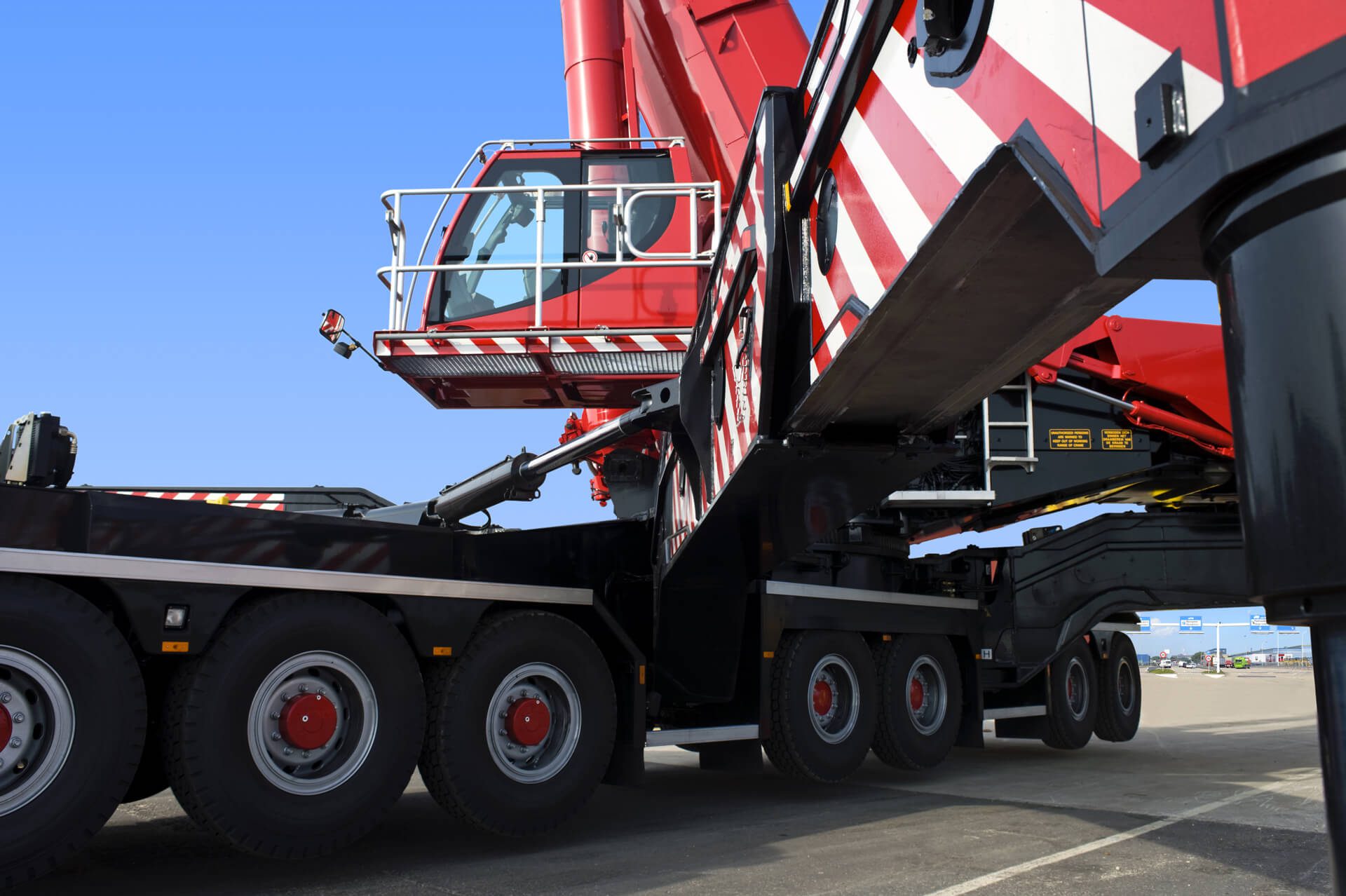
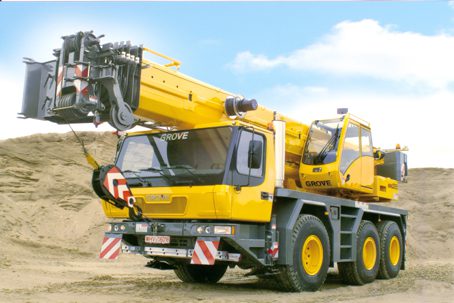
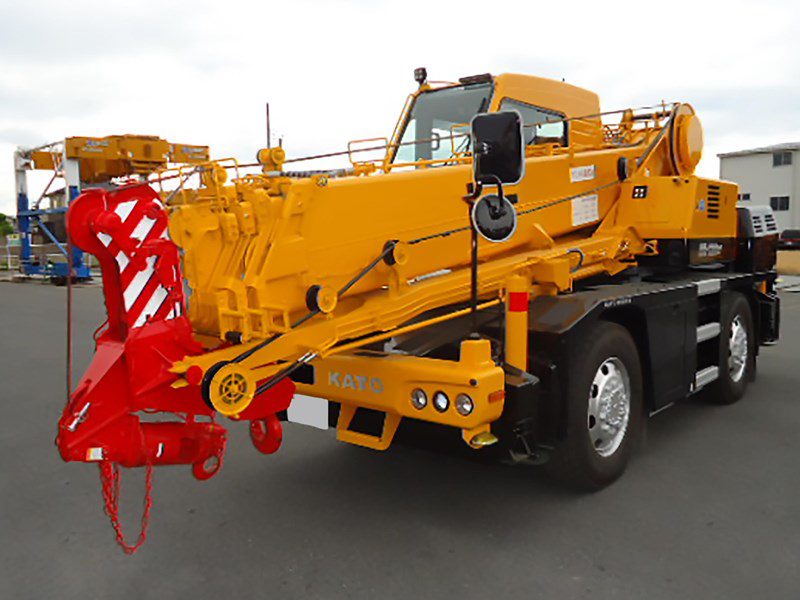
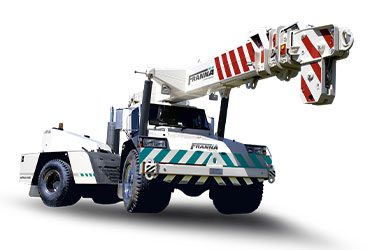
Mobile cranes, tower cranes, and luffing cranes each serve distinct functions, enabling construction teams to optimize both cost and operational efficiency. Mobile crane hire is often preferred for projects requiring rapid deployment, site mobility, and versatility across varying loads. These cranes can lift materials over short to medium distances, making them suitable for infrastructure works, smaller commercial buildings, and projects where access may be constrained by surrounding development.
Tower cranes, in contrast, dominate high-rise construction. Their vertical reach and ability to lift heavy payloads over long distances make them indispensable in dense urban sites where ground-level maneuvering is limited. The fixed position of tower cranes allows for precision in placing large components such as prefabricated modules or structural steel beams, supporting the rapid assembly of multi-story buildings.
Luffing cranes, with their ability to move the boom in a steep arc, have become increasingly relevant in tight urban environments. Their design minimizes the horizontal swing radius, allowing them to operate efficiently between existing structures while lifting heavy materials to significant heights. This characteristic makes luffing crane hire particularly advantageous in Northern Sydney, where urban infill projects often contend with narrow streets and adjacent high-rises.
Applications Across Infrastructure and High-Rise Projects
The choice of crane type is dictated not only by height and load requirements but also by the nature of the project. Infrastructure projects such as bridges, highways, and transit stations frequently rely on mobile cranes due to their adaptability and ability to reposition quickly across large sites. These cranes can handle a variety of lifting tasks—from moving pre-cast concrete segments to assembling steel girders—without the logistical complications of a permanent crane installation.
High-rise residential and commercial towers, on the other hand, require cranes capable of sustained vertical operations. Tower cranes are often integrated into the structural framework, rising incrementally as each floor is completed. This self-climbing feature enhances efficiency while reducing the need for external lifts, which can be costly and time-consuming. In particularly constrained urban sites, luffing cranes offer an alternative by providing similar lifting capacity with reduced swing radius, mitigating the risk of interference with nearby buildings or pedestrian zones.
Dense urban projects present a unique challenge, combining both vertical and horizontal constraints. In these environments, a mix of crane types is often deployed. A mobile crane may deliver materials to the site perimeter, while a tower or luffing crane manages vertical distribution. Coordinating these operations requires meticulous planning, reflecting the broader trend in modern construction toward integrated logistics and site optimization.
Safety Standards and Regulatory Considerations
The use of cranes in Australian construction is subject to stringent safety standards and regulatory oversight. The Work Health and Safety (WHS) framework mandates rigorous site planning, operator certification, and equipment maintenance protocols. Compliance with standards such as AS 2550, which governs crane operation, is compulsory, ensuring that lifts are conducted within safe load limits and environmental conditions.
Operators of mobile, tower, and luffing cranes must undergo formal training and licensing, a requirement that ensures expertise in handling both routine operations and emergency scenarios. Regular inspections and load testing further reinforce safety, providing assurances that the complex machinery can operate reliably under demanding conditions. These standards are complemented by local council regulations, particularly in Northern Sydney, which may impose restrictions on noise, operating hours, and public safety barriers to minimize disruption in densely populated areas.
Technological Advancements in Crane Operations
Technological innovation is reshaping crane hire and construction logistics across Australia. Modern mobile crane hire increasingly incorporate computerized load monitoring, telematics, and automated stabilization systems, reducing operator error and improving site efficiency. Tower and luffing cranes benefit from remote control interfaces, predictive maintenance alerts, and wind-speed sensors, which enable safer operation at significant heights and during variable weather conditions.
Digital planning tools, including Building Information Modeling (BIM), now integrate crane logistics into broader project schedules. By simulating lifts and spatial constraints, construction teams can optimize crane selection, positioning, and sequencing, reducing downtime and mitigating risks. In Northern Sydney, where urban sites are densely packed and high-rise construction is routine, these technological enhancements are essential in maintaining both safety and project timelines.
Economic and Urban Implications
The strategic deployment of cranes has implications beyond individual construction sites. Efficient crane hire supports faster project delivery, which can influence housing availability, commercial occupancy, and infrastructure expansion. By enabling complex lifts and optimizing site utilization, cranes help maximize the return on investment for developers while supporting urban densification strategies championed by local and state authorities.
Moreover, the flexibility offered by hire arrangements allows construction firms to adapt quickly to fluctuating market demands. Temporary crane deployment avoids the capital outlay of purchasing equipment while providing access to the latest technology and high-capacity machinery. This model aligns with broader economic trends in construction, emphasizing agility, cost-efficiency, and modular project execution.
Conclusion
Crane hire in Northern Sydney represents a cornerstone of contemporary urban development. Mobile, tower, and luffing cranes each fulfill strategic roles, from facilitating infrastructure and high-rise projects to addressing the unique challenges of dense urban environments. Adherence to rigorous safety standards, combined with technological innovation, ensures that these operations remain both efficient and secure.
As Australia’s cities continue to evolve, the interplay between urban planning, regulatory oversight, and advanced lifting technology underscores the indispensable role of cranes in shaping skylines and supporting sustainable growth. In Northern Sydney, the careful orchestration of crane hire not only enables construction efficiency but also contributes to the broader urban narrative—one of measured expansion, engineering precision, and strategic infrastructure development.