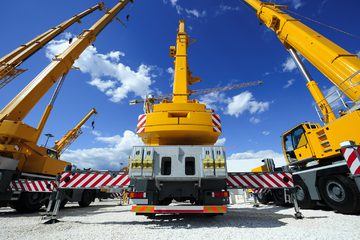
In Western Sydney, a skyline once dominated by low-rise residential and industrial buildings is increasingly punctuated by cranes. These towering machines are more than mere symbols of construction; they are strategic tools underpinning the city’s rapid urban expansion. As Australia’s urban centers grow, the role of city crane hire Western Sydney has become pivotal, supporting everything from high-rise residential towers to sprawling infrastructure projects.
The Strategic Role of Crane Hire in Modern Construction
Cranes are the silent enablers of modern urban development. In Western Sydney, city crane hire services provide access to essential lifting equipment that is otherwise cost-prohibitive for individual projects. By leveraging mobile, tower, and luffing cranes, construction firms can maintain flexibility in scheduling, optimize efficiency, and meet stringent timelines. Each crane type serves a specific strategic purpose, influencing project planning, logistics, and overall construction methodology.
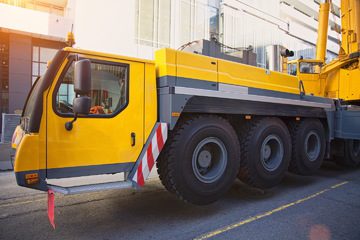
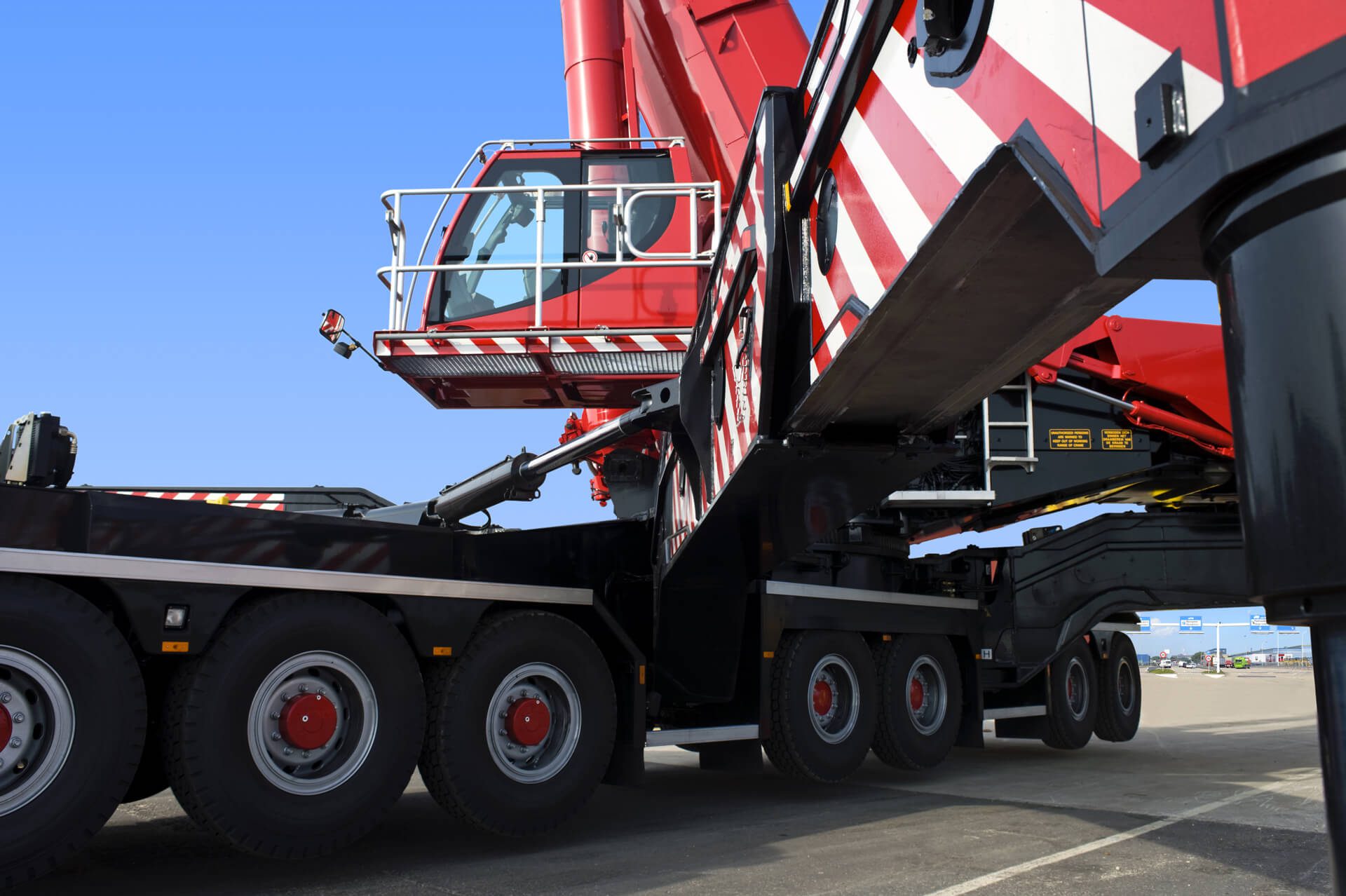
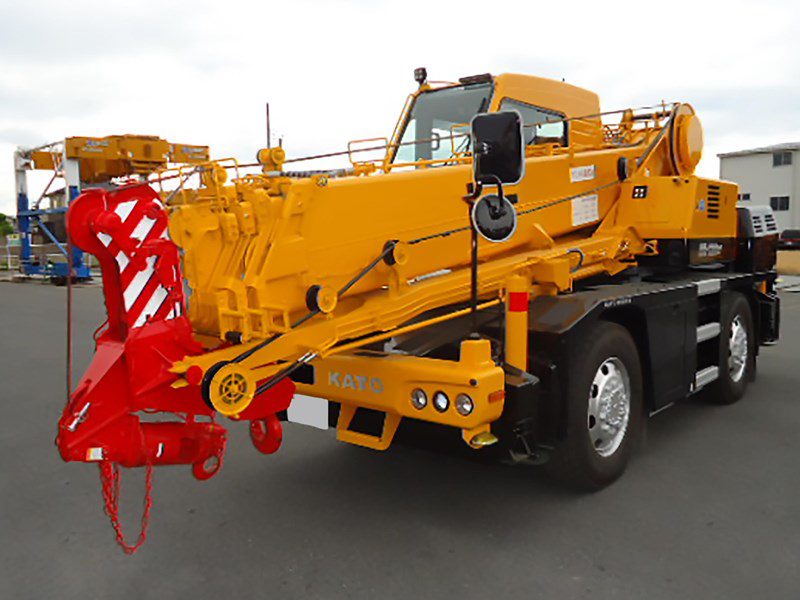
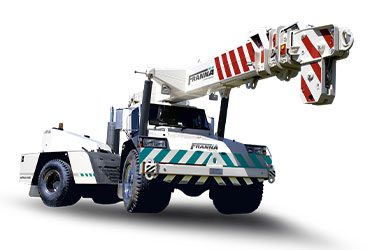
Mobile crane hire offers a versatile solution for a broad spectrum of projects. These cranes can be transported quickly between sites, making them ideal for infrastructure projects such as roadworks, bridge construction, and utility installations. Their mobility allows construction teams to operate across multiple sites without the delays associated with permanent crane installations. In contrast, tower crane hire is indispensable for high-rise developments where vertical reach and load capacity are critical. Tower cranes provide the structural height needed to lift heavy materials to upper floors, enabling the construction of modern apartment towers, office complexes, and mixed-use developments. Luffing crane hire, often deployed in densely built urban environments, addresses the challenge of restricted site space. With a variable jib angle, luffing cranes can maneuver materials precisely in tight footprints, reducing the need for extensive ground clearance.
Tailoring Crane Use to Project Types
The selection of crane type is intrinsically linked to the nature of the project. Infrastructure projects, which often involve large, horizontally distributed sites, benefit most from mobile cranes. Their rapid deployment and adaptability make them suitable for the transport and installation of heavy components such as precast concrete panels or steel girders. Conversely, high-rise developments in Western Sydney’s growing business districts rely heavily on tower crane hire. The vertical reach of tower cranes allows materials to ascend hundreds of meters safely, supporting the construction of increasingly ambitious structures. Luffing cranes, with their compact swing radius, are particularly effective in dense urban areas where airspace is limited and nearby structures constrain traditional crane operations.
This differentiation is more than operational—it is strategic. Urban planners and project managers must coordinate crane placement, load management, and site logistics to maximize efficiency while minimizing disruption to surrounding communities. By understanding the capabilities and limitations of each crane type, construction teams can tailor their approach to the specific demands of Western Sydney’s varied development landscape.
Safety Standards and Regulatory Oversight
Safety is a non-negotiable aspect of crane operations in Australia. The national regulatory framework mandates rigorous certification and inspection protocols for all crane equipment and operators. Mobile, tower, and luffing cranes must adhere to standards set by the Australian Standard AS 2550 series, covering safe operation, load limits, and structural integrity. Operators undergo comprehensive training, including simulation exercises and practical assessments, ensuring that crane movements are controlled, precise, and aligned with safety regulations.
In addition to mechanical safety, regulatory bodies in Western Sydney enforce strict site safety management, including exclusion zones, signal coordination, and regular audits. The Australian construction sector has increasingly integrated digital monitoring systems that track crane performance in real time, reducing the likelihood of accidents and improving response times during emergencies. Technologies such as load moment indicators, anti-collision systems, and automated slewing controls are now standard features in many tower and luffing cranes, enhancing both safety and operational efficiency.
Technological Advancements Driving Efficiency
Modern cranes are no longer purely mechanical. Advancements in digital integration, automation, and telematics have transformed how mobile, tower, and luffing cranes are deployed in Western Sydney. For example, some mobile cranes now incorporate GPS-enabled load monitoring, allowing operators to precisely calculate load stresses and reduce the risk of structural overload. Tower cranes can be outfitted with predictive maintenance software, signaling potential mechanical issues before they escalate, while luffing cranes benefit from compact, computer-assisted controls that enable fine-tuned material placement in constricted urban sites.
These technological enhancements not only improve safety but also enhance project timelines and cost management. By leveraging real-time data, construction managers can optimize crane operations, reducing downtime and increasing productivity. In a region like Western Sydney, where multiple large-scale developments may occur simultaneously, such efficiencies can have a measurable impact on overall urban growth.
Economic and Urban Implications
The proliferation of cranes across Western Sydney reflects broader economic and social trends. As the city expands, demand for high-density residential, commercial, and infrastructure projects continues to rise. Crane hire services act as facilitators of this growth, enabling developers to execute complex projects with precision. The strategic deployment of mobile, tower, and luffing cranes ensures that urban expansion can keep pace with population growth, while maintaining safety, efficiency, and compliance with local planning regulations.
Moreover, the presence of cranes serves as a visual indicator of economic vitality. Each crane signals ongoing investment and the creation of construction-related jobs, from operators and engineers to site managers and logistics personnel. In this way, the strategic role of city crane hire extends beyond the construction site, contributing to the broader economic ecosystem of Western Sydney.
Balancing Innovation and Responsibility
While technological sophistication enhances the capabilities of modern cranes, it also underscores the responsibility borne by crane operators and construction managers. Ethical considerations, environmental impact, and community safety are increasingly integrated into project planning. Noise management, emissions reduction, and strategic placement of cranes to minimize disruption reflect a holistic approach to urban development.
In Western Sydney, these considerations are particularly relevant. Projects are often located near residential neighborhoods, schools, and transport hubs, requiring a delicate balance between operational efficiency and community impact. By integrating mobile, tower, and luffing cranes thoughtfully, developers can achieve ambitious construction goals while maintaining public trust and regulatory compliance.
Conclusion
Cranes are far more than tools; they are central to the strategic execution of modern construction in Western Sydney. From mobile crane hire for infrastructure projects to tower crane hire for soaring high-rises and luffing crane hire for dense urban sites, these machines shape both the physical and economic landscape. Rigorous safety standards, technological innovation, and regulatory oversight ensure that crane operations are safe, efficient, and responsive to the unique challenges of Australian urban development.
As Western Sydney continues to grow, the presence of cranes will remain a defining feature of its skyline—a testament to the intersection of engineering, planning, and urban strategy. In understanding the role of city crane hire, one gains insight not only into the mechanics of construction but also into the forces driving Australia’s evolving cities.