Australia’s skyline has transformed dramatically over the past two decades, reflecting not only population growth but also ambitious infrastructure projects that span from sprawling road networks to high-density residential towers. Central to this evolution is a spectrum of crane technologies, which have become indispensable to modern construction. Among them, franna cranes, mobile cranes, tower cranes, and luffing cranes each play distinct and strategic roles in shaping the country’s built environment.
Franna Cranes: Flexibility in Motion
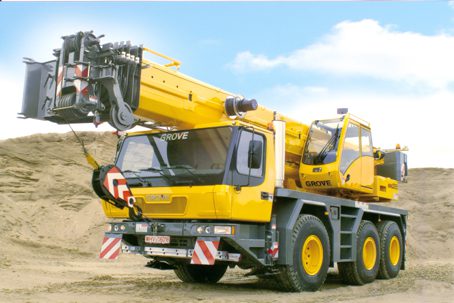
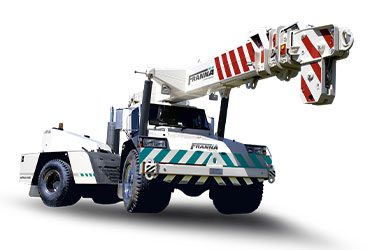
Franna cranes, often described as all-terrain or pick-and-carry cranes, occupy a unique niche in Australian construction. Unlike traditional mobile cranes that require separate transport and assembly, franna cranes combine mobility with lifting capability on a single chassis, making them ideal for sites where space is constrained or ground conditions vary. Their compact design and ability to maneuver through tight urban streets allow construction teams to undertake tasks that would be challenging for larger cranes.
In infrastructure projects, franna crane hire is frequently employed for moving heavy equipment, assembling smaller modular structures, and performing site-specific lifts that demand precise placement. Their versatility extends to regional construction projects as well, where uneven terrain can make conventional cranes impractical. By reducing the need for additional transport vehicles and setup time, franna cranes provide both operational efficiency and a reduction in potential logistical bottlenecks.
Mobile Cranes: Power Meets Reach
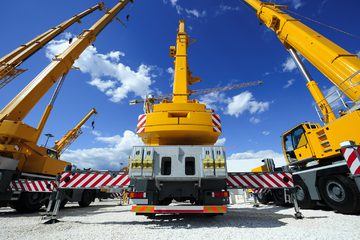
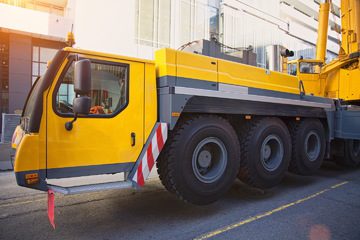
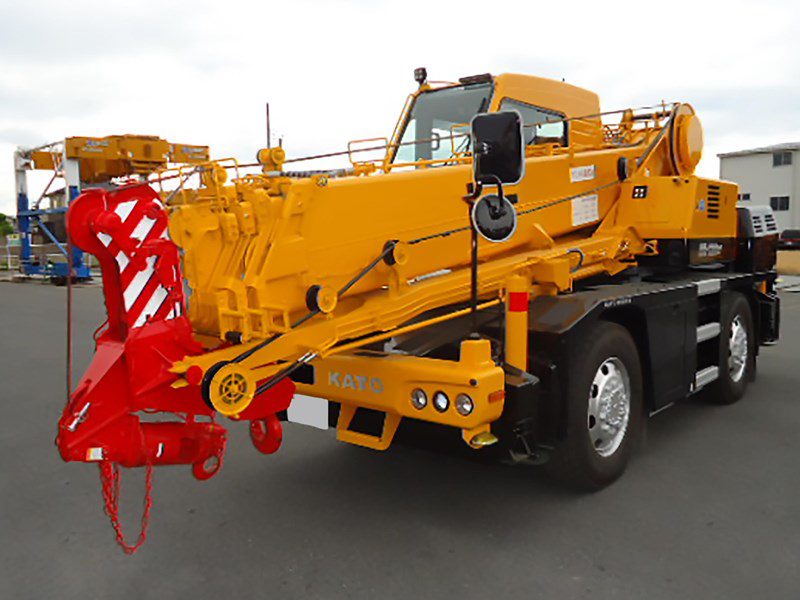
Mobile cranes, in contrast, are a mainstay of larger construction projects requiring high lifting capacity and extended reach. On infrastructure sites, they are often used to install precast concrete sections for bridges, highways, and tunnels. Their hydraulic systems enable them to lift extraordinarily heavy components with precision, making them essential for projects that involve complex assemblies or long-span structures.
High-rise construction also benefits from mobile crane hire, particularly in the early stages of building where materials must be delivered to upper floors before tower cranes are installed. These cranes are often deployed to set steel frameworks, concrete formwork, and mechanical systems, demonstrating their role in both foundational and vertical construction tasks. Compared to franna cranes, mobile cranes prioritize lifting power and height over maneuverability, but advances in telescopic booms and load-sensing technologies have enhanced their operational flexibility.
Tower Cranes: Sculpting the Skyline
As cities densify, the need for vertical construction solutions has made tower crane hire a fixture in Australia’s urban growth. Tower cranes provide the vertical reach and load capacity required for high-rise residential, commercial, and mixed-use developments. Anchored to a building’s structure or fixed to the ground, these cranes can operate for extended periods at great heights, efficiently delivering concrete, steel, and prefabricated components to precise locations on a construction site.
The use of tower cranes is particularly prominent in densely populated metropolitan areas such as Sydney, Melbourne, and Brisbane. Here, horizontal space constraints limit the utility of mobile cranes, making the vertical advantage of tower cranes critical. Additionally, modern tower cranes often incorporate computerized control systems that improve accuracy, monitor loads, and enhance operational safety, reflecting a broader trend toward technological integration in urban construction.
Luffing Cranes: Precision in Congested Spaces
Luffing cranes, a specialized variation of the tower crane, have emerged as the solution for projects where site boundaries and nearby structures restrict the swing radius of traditional cranes. Unlike standard tower cranes with fixed jib angles, luffing cranes allow the boom to move up and down, reducing the horizontal footprint while maintaining the ability to lift heavy materials.
This capability makes luffing crane hire especially valuable in inner-city projects where streets, adjacent buildings, and pedestrian traffic limit crane placement. By combining high lifting capacity with reduced operational radius, luffing cranes enable construction teams to work in spaces that would otherwise be inaccessible, minimizing disruption while maintaining efficiency. Their use underscores the evolution of crane technology to meet the challenges of increasingly congested urban environments.
Safety Standards and Regulatory Framework
The operation of cranes in Australia is governed by stringent safety standards, reflecting both national legislation and state-specific regulations. Safe Work Australia provides overarching guidance on crane operations, including design certification, load testing, and operator licensing. Each crane type—whether franna, mobile, tower, or luffing—must comply with these requirements to mitigate risk and ensure site safety.
Technological advancements have reinforced these standards. Modern cranes feature sensors, load-monitoring systems, and automated alerts that enhance operator awareness and prevent accidents. In high-rise and urban settings, collision-avoidance technologies and wind-speed monitoring further reduce the potential for mishaps. Safety protocols extend beyond the equipment itself, encompassing site planning, signaling systems, and rigorous operator training programs.
Technological Innovation in Crane Operations
Crane technology in Australia continues to evolve alongside construction demands. Digital integration has enabled real-time monitoring of crane performance, predictive maintenance, and remote operation capabilities. These innovations not only improve efficiency but also extend equipment lifespan and reduce downtime. For instance, sensors can detect structural strain or hydraulic pressure anomalies before they become critical, allowing preemptive maintenance interventions.
Moreover, software-driven logistics now informs crane positioning, lift sequencing, and material handling strategies, optimizing workflow in both urban and regional projects. The convergence of traditional mechanical engineering with digital tools highlights the sector’s broader trend toward smarter, data-informed construction practices.
Strategic Implications for Urban Development
The strategic deployment of various cranes has a direct impact on Australia’s urban development. Franna cranes facilitate flexible movement and rapid adaptation on constrained sites. mobile crane hire bring sheer lifting power and operational versatility. Tower and luffing cranes enable vertical construction in dense metropolitan cores, optimizing the use of limited land resources. Collectively, these technologies allow developers to realize complex architectural visions while adhering to tight schedules and regulatory frameworks.
The ability to select the appropriate crane for a specific project underscores a shift toward precision planning in construction logistics. Projects are no longer defined solely by structural requirements but also by site-specific constraints, urban density, and workflow efficiency. In this context, crane hire decisions influence not just construction outcomes, but the broader urban form and functionality of Australian cities.
Conclusion
Cranes are more than mechanical tools; they are strategic assets that define the pace, scale, and safety of Australia’s construction sector. From the nimble franna crane navigating tight suburban streets to the towering luffing crane shaping metropolitan skylines, each type serves a purpose aligned with the demands of modern infrastructure and urban development. As technological advancements continue and regulatory standards evolve, cranes will remain integral to building a safe, efficient, and innovative urban landscape.
In an era where urban density, sustainability, and operational efficiency converge, understanding the roles and capabilities of franna cranes, mobile cranes, tower cranes, and luffing cranes offers insight into how Australia constructs not just buildings, but the framework of its future cities.