Australia’s skyline is evolving at an unprecedented pace, with cities like Sydney, Melbourne, and Brisbane experiencing a surge in high-rise developments and complex infrastructure projects. Behind the visible growth lies a network of precision engineering and logistical planning, in which cranes play an indispensable role. Among these, tower cranes, luffing cranes, and mobile cranes form the backbone of construction operations, each fulfilling a specialized function that shapes urban landscapes and infrastructure networks.
Tower Crane Hire: A Pillar of High-Rise Development
Tower cranes have become synonymous with vertical urban growth. Their capacity to reach extraordinary heights while maintaining stability makes them essential for high-rise construction and projects in dense urban environments. tower crane hire southern highlands, where new residential and commercial developments are emerging, tower crane hire services provide a practical solution for erecting multi-story buildings efficiently and safely.
The strategic value of tower cranes lies in their combination of height, lifting capacity, and precision. Unlike mobile cranes, which are limited in height and require repositioning, tower cranes can operate over extended periods with minimal ground footprint, reducing disruption in congested city centers. For developers and municipal planners, this translates into accelerated project timelines and safer site management, particularly in projects where floor-to-ceiling spans exceed the reach of conventional lifting equipment.
Luffing Cranes: Flexibility in Constrained Spaces
While tower cranes dominate open high-rise sites, luffing cranes address a different set of challenges. Their defining feature—a jib that pivots vertically—allows operators to lift heavy loads in tight spaces where traditional tower cranes or mobile cranes might struggle. This makes luffing crane hire particularly relevant in dense city streets, narrow urban lots, and heritage precincts where spatial constraints limit operational flexibility.
Luffing cranes are often deployed in projects where proximity to existing structures is unavoidable. By adjusting the angle of the jib, these cranes can navigate obstacles while maintaining significant lifting capacity. In addition to vertical agility, luffing cranes are highly effective in sequential assembly tasks, such as placing prefabricated concrete panels or structural steel components. The ability to tailor operations to site-specific constraints underscores their strategic importance in Australia’s evolving urban landscape.
Mobile Cranes: Versatility Across Infrastructure Projects
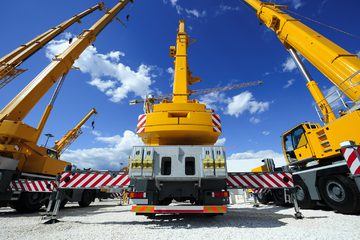
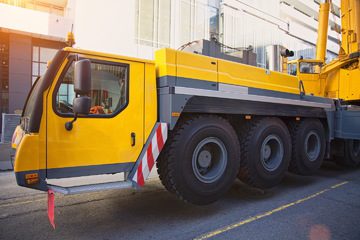
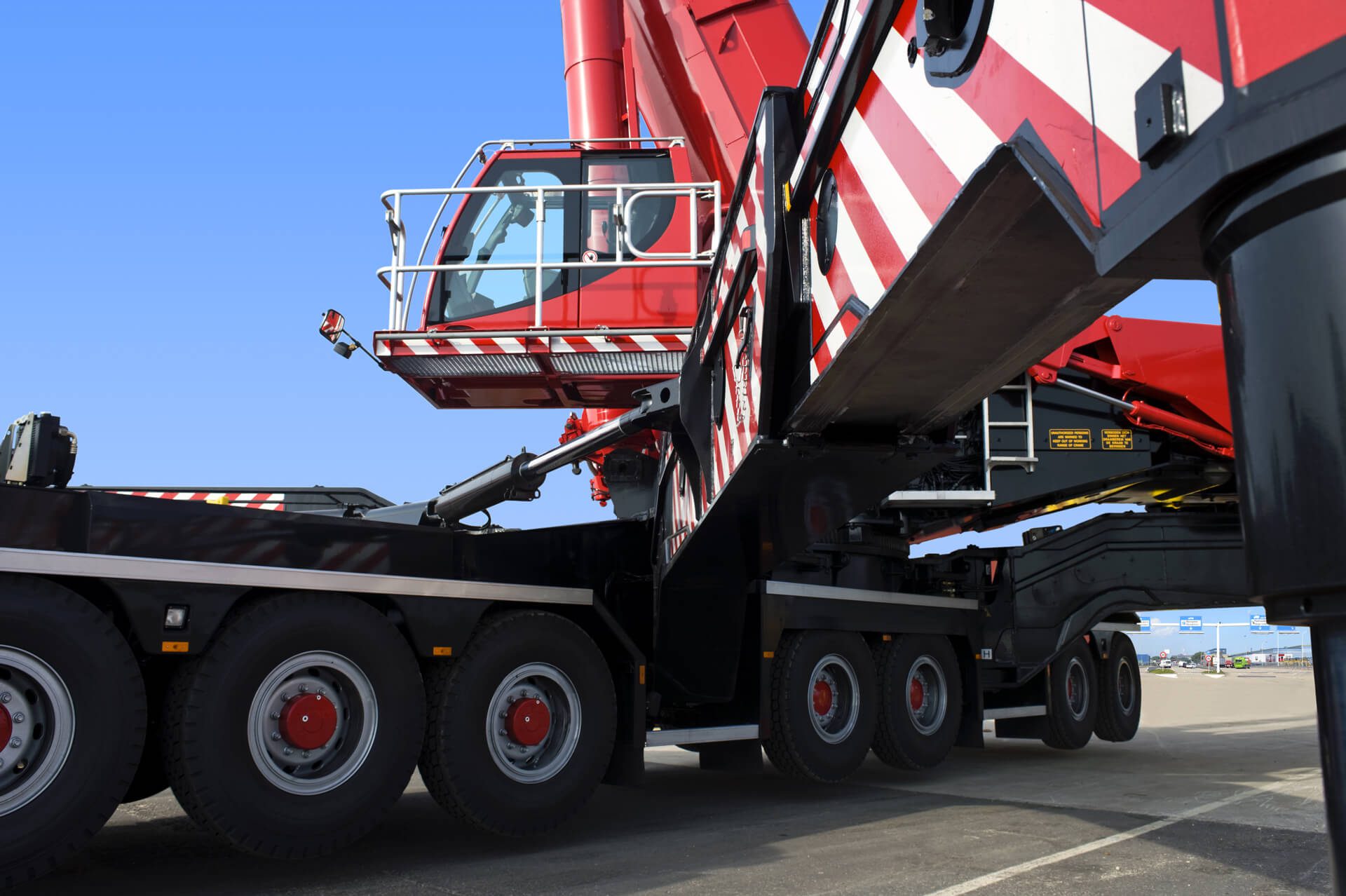
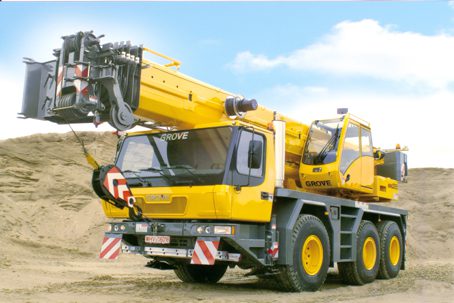
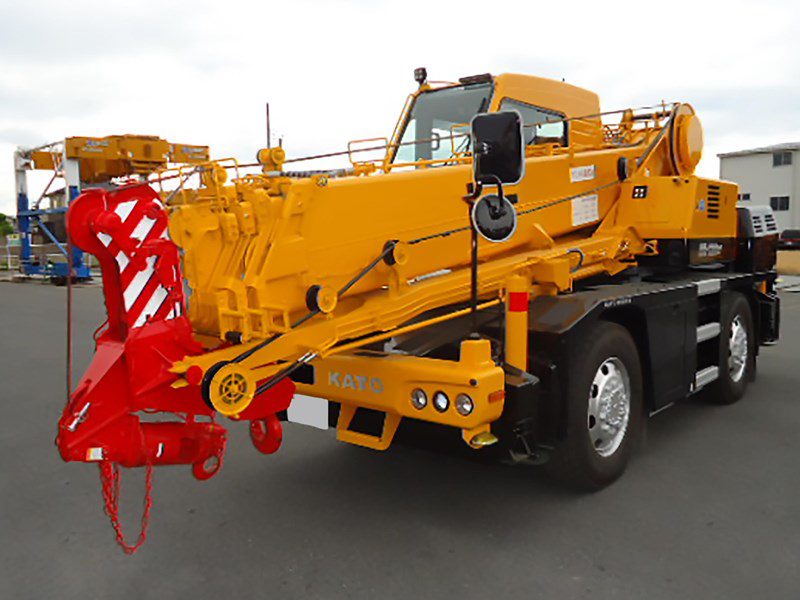
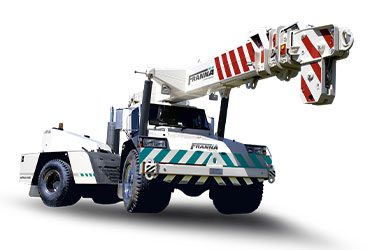
Mobile cranes offer a different set of advantages, combining portability with powerful lifting capability. Unlike tower or luffing cranes, which are typically fixed for the duration of a project, mobile cranes can be transported easily between sites, making them ideal for infrastructure projects such as bridges, roads, and rail facilities. Their versatility allows project managers to adapt rapidly to shifting operational requirements, whether it’s installing precast segments on a bridge or lifting modular components in regional development projects.
In addition to mobility, these cranes can often operate without extensive site preparation, reducing setup time and minimizing disruption to surrounding communities. For projects spanning multiple sites or requiring rapid redeployment of heavy lifting equipment, mobile crane hire becomes a critical logistical tool, complementing the more permanent presence of tower and luffing cranes in urban development.
Safety and Regulatory Considerations
Safety is paramount in crane operations, and Australian construction regulations enforce rigorous standards across all crane types. The Australian Standards AS 2550 series outlines requirements for crane design, maintenance, and operation, with specific attention to lifting procedures, load capacities, and operator certification. Compliance with these standards is non-negotiable, particularly in high-density urban projects where the potential for accidents carries significant human and economic consequences.
In addition to regulatory compliance, technological advancements have significantly enhanced operational safety. Modern cranes are equipped with load-moment indicators, anti-collision systems, and remote monitoring capabilities, allowing operators to manage complex lifts with precision. Digital integration with building information modeling (BIM) systems further enables engineers to simulate lifts, optimize crane placement, and anticipate logistical challenges before construction begins.
Technological Advancements Shaping Crane Operations
The construction industry in Australia has increasingly embraced technology to improve efficiency, safety, and precision in crane operations. Tower and luffing cranes now often include electronic load-sensing devices, remote diagnostics, and real-time positioning systems. These innovations not only enhance safety but also facilitate more efficient site planning, reducing downtime and optimizing resource allocation.
Mobile cranes have also benefited from technological progress, particularly in hydraulic and telescopic systems that allow longer reach and higher lifting capacity without increasing the crane’s physical footprint. Integration with GPS and telematics systems enables site managers to track equipment usage, predict maintenance needs, and streamline project scheduling—critical advantages in large-scale infrastructure projects where timing and coordination are essential.
Strategic Integration Across Urban Projects
The complementary capabilities of tower, luffing, and mobile cranes illustrate the nuanced planning required in modern Australian construction. High-rise buildings rely heavily on tower cranes for sustained vertical lifts, while luffing cranes provide precision in confined urban lots. Mobile cranes, in contrast, address flexibility and speed across distributed infrastructure projects. By combining these capabilities, construction teams can manage complex urban developments with minimal disruption, efficient resource use, and adherence to stringent safety protocols.
Urban planners and developers increasingly view crane hire not merely as equipment procurement but as an integral component of project strategy. The choice of crane type, placement, and operational schedule can significantly influence project timelines, cost management, and safety outcomes. In regions like the Southern Highlands, where both urban expansion and sensitive environmental considerations converge, careful crane selection ensures that construction proceeds efficiently without compromising local infrastructure or community wellbeing.
Future Outlook
As Australia continues to urbanize, the role of cranes in shaping cities and infrastructure will remain pivotal. Advances in materials, automation, and data-driven operational planning are likely to enhance the versatility, safety, and efficiency of crane operations. Tower, luffing, and mobile cranes will continue to define not only the physical skyline but also the logistical and strategic frameworks of construction projects across the nation.
For policymakers and industry stakeholders, the ongoing challenge lies in balancing rapid development with safety, environmental stewardship, and community impact. The integration of advanced crane technologies, combined with adherence to robust regulatory frameworks, offers a pathway to achieving these goals while supporting sustainable urban growth.
Conclusion
Cranes are more than mechanical tools; they are strategic enablers of urban transformation. In Australia’s Southern Highlands and beyond, tower crane hire, luffing crane hire, and mobile crane hire provide tailored solutions for high-rise developments, complex urban projects, and expansive infrastructure initiatives. By harmonizing technology, safety standards, and operational expertise, these cranes allow construction teams to navigate spatial constraints, elevate structural ambitions, and ensure the continued growth of Australia’s urban and regional landscapes.