Australia’s skyline is evolving at a pace that reflects both population growth and ambitious urban planning. Central to this transformation is a less visible but critical element of modern construction: cranes. From the suburban expansion of Sydney to Melbourne’s densifying CBD, cranes are enabling projects that were once considered unfeasible. Among these, tower crane hire Sydney has emerged as a strategic component, shaping the vertical and horizontal growth of Australian cities.
Tower Cranes: Anchoring High-Rise Development
Tower cranes are a fixture of contemporary high-rise construction, offering unparalleled reach and lifting capacity. Unlike their mobile counterparts, tower cranes are fixed to the ground or attached to structures, providing stability for hoisting heavy materials to great heights. In Sydney, the demand for tower crane hire is closely linked to the rise of mixed-use skyscrapers, apartment complexes, and office towers. These cranes facilitate precise placement of concrete, steel, and prefabricated modules, which is essential in densely packed urban environments where space constraints limit maneuverability.
Luffing cranes, a subset of tower cranes, are particularly well-suited to areas where site boundaries are tight. Their articulating jib allows the crane to “luff,” or move vertically, reducing the swing radius and making it possible to operate within narrow streets or adjacent to existing buildings. Projects in inner Sydney often employ luffing crane hire to navigate restricted footprints while maintaining high operational efficiency.
Mobile Cranes: Versatility Across Infrastructure
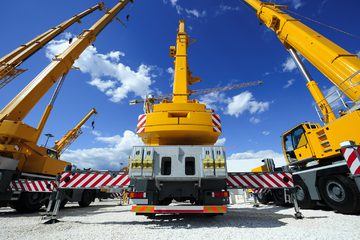
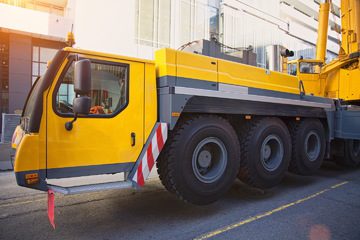
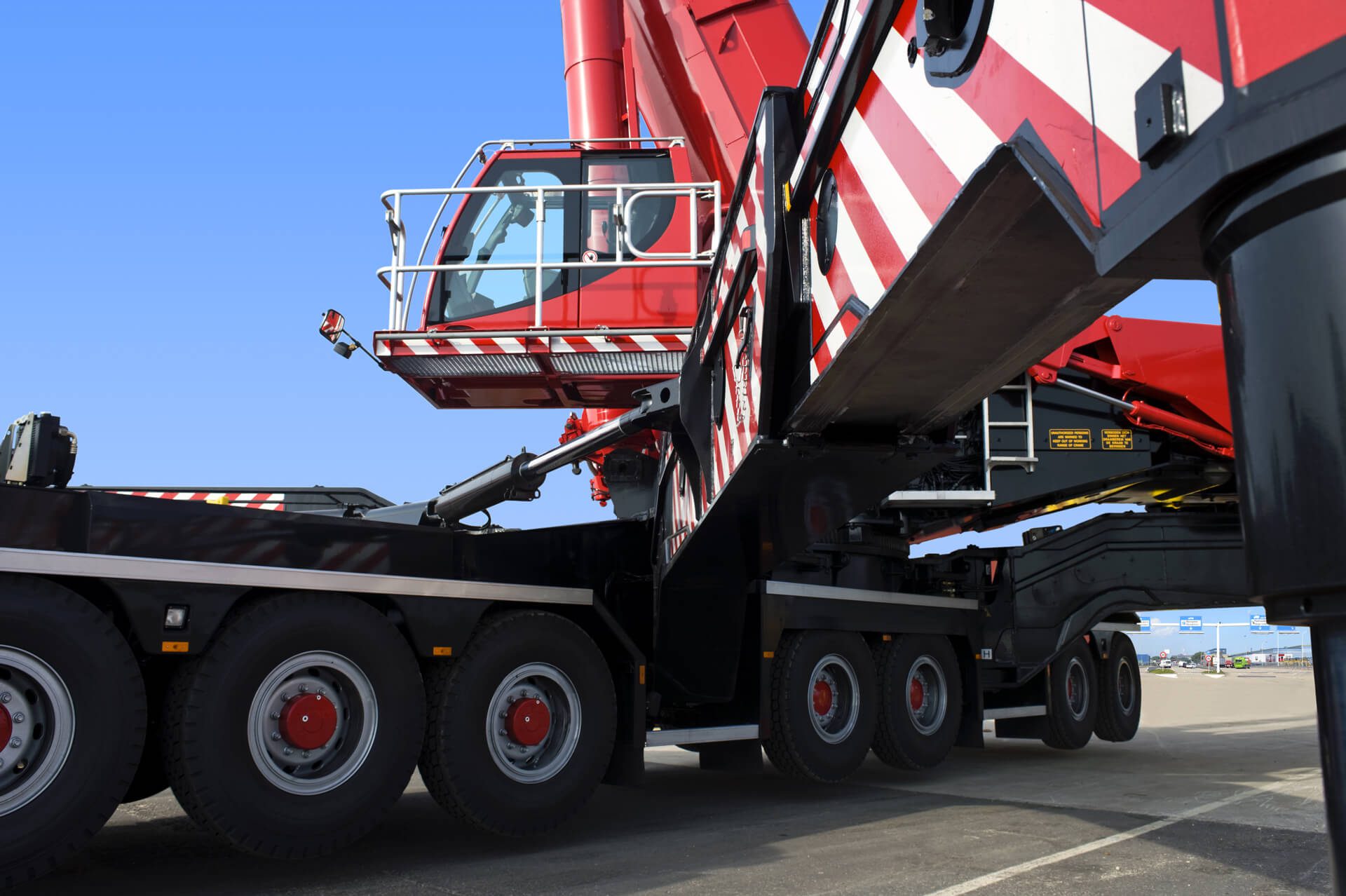
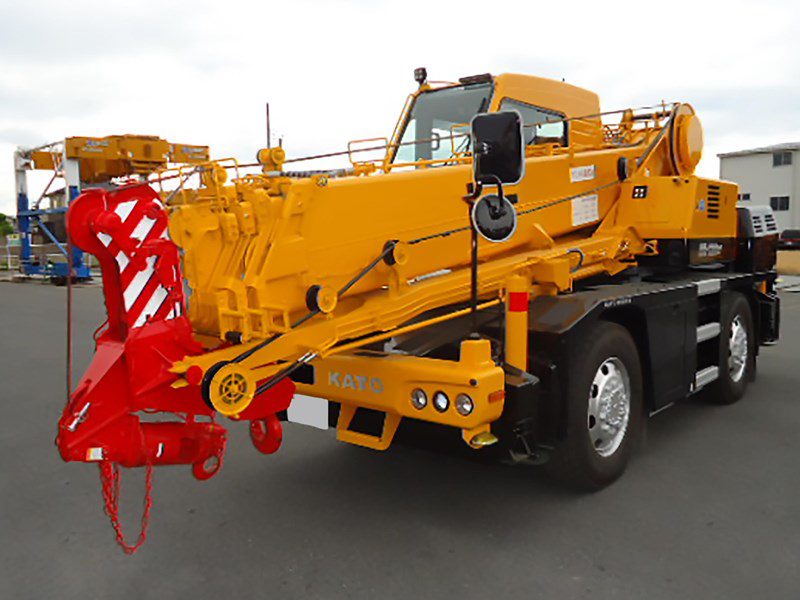
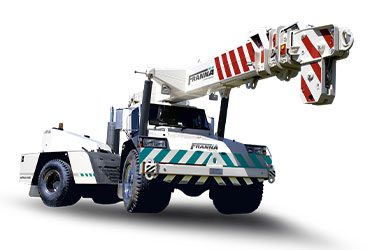
While tower and luffing cranes dominate vertical construction, mobile cranes continue to play a pivotal role across a range of infrastructure projects. mobile crane hire offers flexibility that fixed cranes cannot match, with the ability to traverse a site, relocate quickly, and adapt to uneven terrain. This makes them indispensable in large-scale infrastructure works such as bridge construction, road upgrades, and airport expansions.
Mobile cranes vary in size and lifting capacity, allowing project managers to match the equipment to the demands of the task. Their adaptability complements tower cranes, particularly during the early phases of high-rise construction when groundwork, material delivery, and structural assembly require a combination of stationary and mobile lifting solutions.
Integrating Crane Types in Dense Urban Projects
The complexity of modern urban projects often requires a hybrid approach, combining mobile, tower, and luffing cranes to optimise efficiency. For instance, a high-rise development in Melbourne’s central business district may employ mobile cranes to install foundation piles and prefabricated components at street level, tower cranes to lift materials to upper floors, and luffing cranes to navigate tight airspace above neighboring buildings. This integrated approach reduces project timelines and mitigates congestion-related risks, while maintaining the precision and safety required for large-scale construction.
Urban planners and construction engineers also consider crane logistics as part of city infrastructure planning. Routes for mobile cranes, laydown areas for materials, and staging zones for tower cranes must be carefully coordinated to avoid disrupting traffic, public transport, and local businesses. This level of coordination underscores the strategic importance of crane hire beyond mere lifting—it is a vital element of urban operations management.
Safety and Regulatory Considerations
Crane operation in Australia is governed by stringent safety standards and regulatory frameworks, reflecting the high-risk nature of lifting operations. The Work Health and Safety (WHS) regulations set out requirements for crane certification, operator training, maintenance schedules, and load management. Tower, luffing, and mobile crane operations must adhere to these protocols to prevent accidents, equipment failure, or structural damage.
Technological advancements have further enhanced safety outcomes. Modern cranes are equipped with sensors that monitor load distribution, wind conditions, and operational limits in real time. These innovations reduce human error and enable operators to make informed decisions under challenging conditions. Additionally, software integration allows site managers to coordinate multiple cranes simultaneously, minimizing collision risks and optimizing material flow.
Inspections and compliance checks are routine components of crane hire arrangements in Australia. Authorities, including Safe Work Australia, regularly audit sites to ensure adherence to licensing, maintenance, and operational protocols. For tower crane hire Sydney, these regulatory requirements are particularly relevant given the dense urban context, where crane failures could have catastrophic consequences.
Technological Advancements Shaping Efficiency
Beyond safety, technology is transforming how cranes contribute to construction efficiency. Tower cranes now feature digital load monitoring, automated jib rotation, and remote operation capabilities, allowing for faster assembly and disassembly. Luffing cranes benefit from precise angle control systems, enabling operations in tight urban corridors that were previously inaccessible. Mobile cranes increasingly incorporate GPS and telematics, providing real-time data on location, lift cycles, and maintenance needs.
The integration of Building Information Modeling (BIM) with crane planning is another innovation gaining traction. By simulating crane placement, reach, and lifting sequences within a digital model of the construction site, engineers can identify potential conflicts, optimize material flow, and reduce downtime. This convergence of digital technology with traditional lifting equipment exemplifies how crane hire is evolving into a strategic planning tool rather than merely a logistical necessity.
Economic and Urban Impact
Cranes are more than machinery; they are catalysts of economic activity. By enabling rapid vertical expansion, tower and luffing cranes support high-density housing, commercial developments, and infrastructure projects that accommodate Australia’s growing population. Mobile cranes contribute to the timely completion of roads, bridges, and ports, supporting commerce and regional connectivity.
Urban skylines in Sydney, Melbourne, and Brisbane now reflect a delicate balance of ambition and engineering precision. The strategic deployment of cranes not only shapes the physical city but also underpins the economic vitality that accompanies urban densification. Each crane lift, carefully calculated and executed, represents a tangible step in Australia’s broader development trajectory.
Conclusion
The Australian construction landscape relies on a sophisticated interplay of crane types, each serving distinct roles in urban and infrastructure projects. Tower crane hire Sydney facilitates the vertical ambitions of high-rise development, luffing cranes navigate tight urban spaces, and mobile cranes offer the flexibility essential for large-scale infrastructure. Together, these lifting solutions exemplify the convergence of engineering, technology, and regulatory oversight necessary to build modern cities safely and efficiently.
As Australia’s population grows and urban spaces densify, cranes will continue to be indispensable, shaping skylines and infrastructure alike. Their evolution—from mechanical workhorses to digitally integrated, safety-conscious assets—reflects the ongoing innovation and strategic foresight driving the nation’s urban development. Understanding the critical role of crane hire offers insight into not just how cities are built, but how they function and flourish in an era of unprecedented urban growth.