Australia’s cities are growing faster than ever, with skylines punctuated by cranes that signal both economic vitality and complex engineering challenges. From sprawling infrastructure projects to high-rise residential towers, cranes are not merely tools—they are strategic assets that determine the pace, safety, and feasibility of construction in modern urban environments. Within this landscape, tower crane hire has emerged as a cornerstone of Australia’s construction sector, enabling developers and contractors to navigate the logistical demands of densely built cities.
The Strategic Role of Tower Crane Hire
Tower cranes are synonymous with vertical construction. Unlike mobile cranes, which can be relocated with relative ease, tower cranes are fixed structures that rise alongside buildings, providing unparalleled lifting capacity over extended heights. In the context of Australian high-rise development, particularly in cities such as Sydney, Melbourne, and Brisbane, tower crane hire allows for the efficient transport of heavy materials, from steel beams to prefabricated panels, directly to upper levels.
The strategic advantage of tower crane hire lies in its ability to reduce project timelines and labour intensity. By providing a central lifting hub on-site, these cranes eliminate the need for repeated truck-based material movement, which is often restricted by traffic congestion and limited urban access. Additionally, modern tower cranes are engineered for modular assembly, meaning they can “grow” with the building, adapting to increasing height while maintaining stability—a feature critical for meeting the ambitious architectural visions of contemporary Australian skyscrapers.
Comparing Crane Applications Across Projects
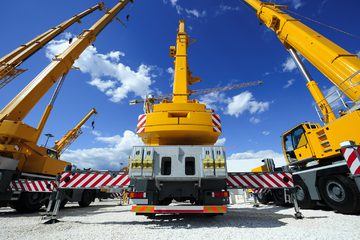
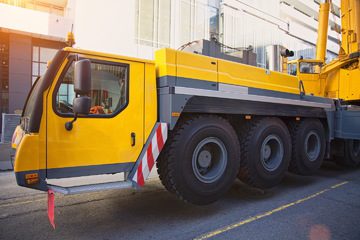
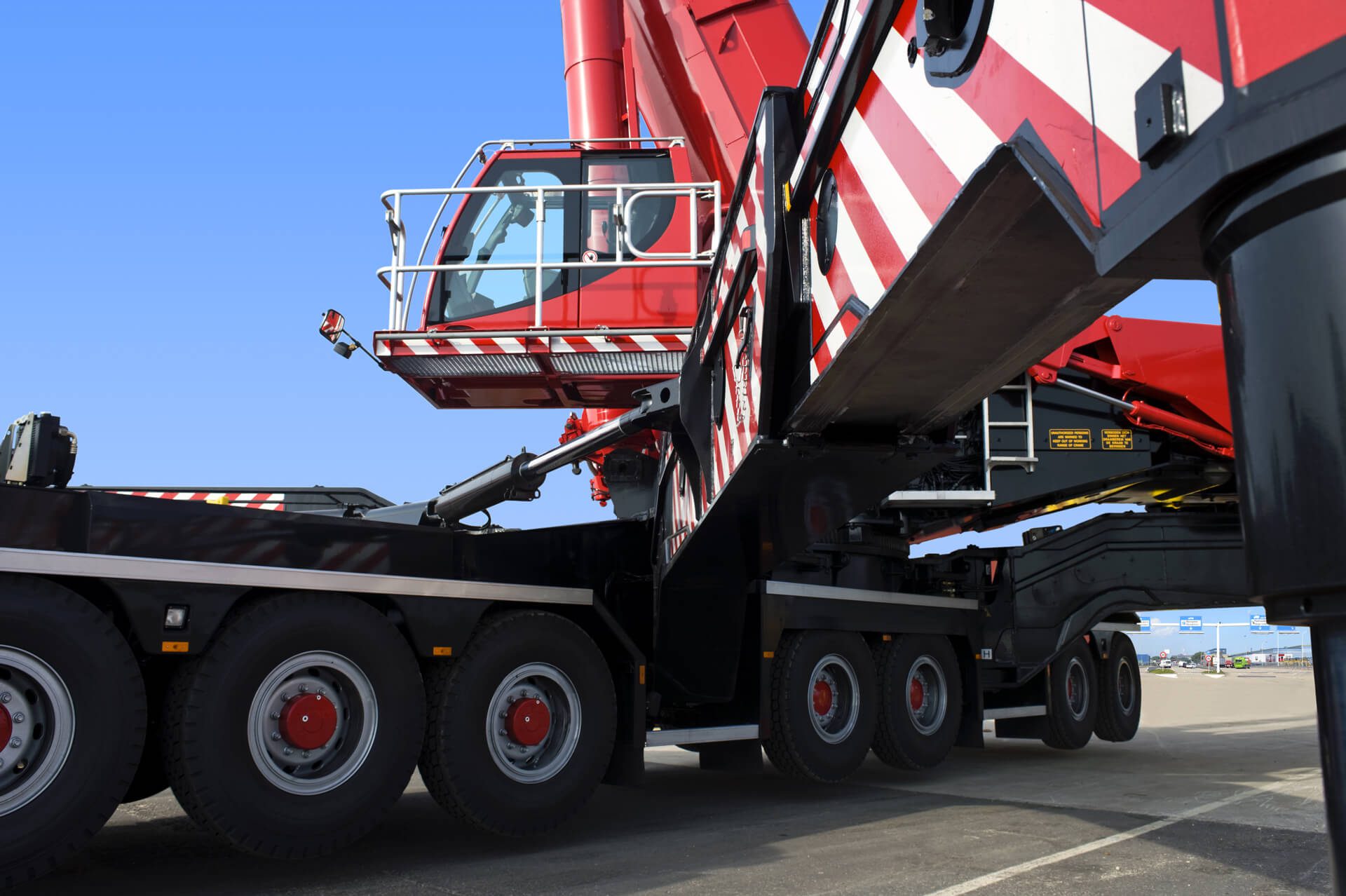
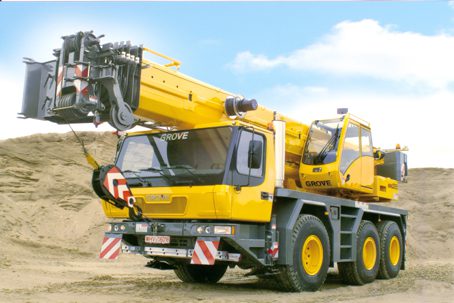
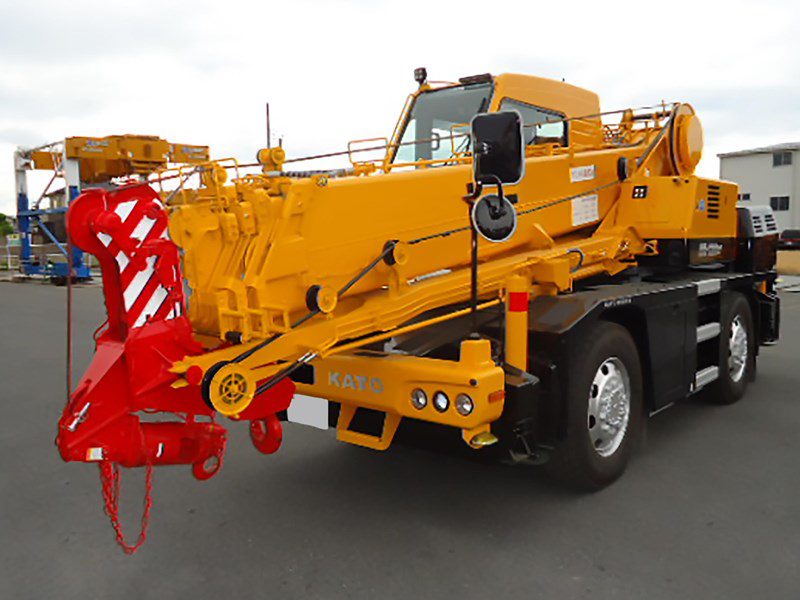
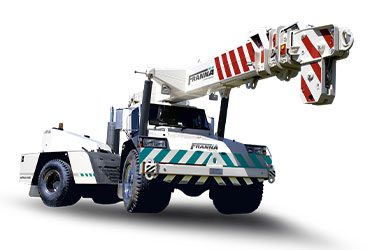
While tower cranes dominate high-rise construction, mobile and luffing cranes serve complementary roles across other sectors. mobile crane hire remains essential for infrastructure projects such as bridges, road networks, and industrial facilities. Their versatility allows them to navigate uneven terrain and relocate quickly, making them suitable for projects with shifting material requirements or temporary lifting needs. For example, mobile cranes are frequently deployed for lifting precast concrete segments in bridge construction or installing wind turbines in regional areas, where permanent cranes would be impractical.
Luffing cranes, often confused with tower cranes due to their vertical presence, are designed with a pivoting jib that moves in a vertical arc rather than a horizontal sweep. This makes them ideal for dense urban sites where space is constrained and maneuverability is critical. In Melbourne’s tight city blocks or Sydney’s inner-city redevelopment zones, luffing crane hire allows developers to maintain lifting operations without encroaching on neighbouring properties or public thoroughfares. By combining reach with spatial efficiency, luffing cranes bridge the gap between tower cranes’ height capabilities and mobile cranes’ flexibility.
Safety Standards and Regulatory Oversight
The safe operation of cranes is a non-negotiable aspect of construction in Australia. The industry is governed by a combination of national work health and safety laws, state-specific guidelines, and international engineering standards. All crane operators must hold appropriate licenses, and rigorous site safety plans are mandatory. For tower, luffing, and mobile cranes alike, load charts, wind-speed restrictions, and exclusion zones are standard protocols designed to mitigate risk.
Advances in technology have also enhanced safety outcomes. Many modern cranes are now equipped with automated load monitoring, anti-collision systems, and remote operation capabilities. These features not only improve efficiency but also reduce the likelihood of human error, a critical factor on urban sites where any accident could have cascading consequences. Regulatory bodies in Australia, such as Safe Work Australia and state-level occupational health authorities, continually update standards to reflect emerging technologies and best practices, ensuring that crane hire services operate within a robust safety framework.
Technological Innovations Transforming Crane Hire
Technological innovation has redefined the capabilities of all crane types. Tower cranes, once purely mechanical, now incorporate digital load-sensing systems, predictive maintenance analytics, and remote diagnostics. Luffing cranes benefit from compact designs and energy-efficient motors that reduce environmental impact while maintaining lifting power. Mobile cranes have embraced modular counterweights and hydraulic advancements, allowing them to handle heavier loads without expanding their footprint.
These developments are particularly significant in Australia, where urban density and environmental considerations impose unique constraints on construction. By leveraging technology, contractors can optimise crane deployment, reduce downtime, and improve the overall sustainability of their projects. Furthermore, integration with Building Information Modeling (BIM) systems enables precise coordination of crane positioning and lifting sequences, reducing conflicts on multi-crane sites and enhancing project predictability.
Crane Hire and Urban Development
The influence of crane hire extends beyond individual projects; it shapes urban development at a systemic level. In rapidly expanding metropolitan areas, the strategic placement of tower and luffing cranes allows for taller, more complex buildings without disrupting surrounding infrastructure. Mobile cranes, meanwhile, support essential transport, energy, and industrial projects that underpin broader economic growth.
In cities such as Brisbane, Sydney, and Melbourne, the visual presence of cranes is almost a barometer of economic confidence. Yet beneath the skyline, each crane represents intricate planning, regulatory compliance, and engineering expertise. Crane hire companies provide not just equipment but operational knowledge—scheduling lifts, coordinating with site managers, and ensuring that construction flows seamlessly from foundation to rooftop. The result is a built environment that can accommodate population growth, commercial activity, and urban densification without compromising safety or efficiency.
Conclusion
Cranes are far more than construction tools; they are strategic instruments that shape Australia’s urban future. Tower crane hire is central to high-rise construction, enabling vertical growth and architectural ambition, while mobile and luffing cranes provide the adaptability required for infrastructure and constrained urban sites. The evolution of crane technology, coupled with rigorous safety and regulatory standards, ensures that projects can be completed efficiently and securely.
As Australian cities continue to expand, the demand for sophisticated crane hire solutions will only grow. Understanding the roles of tower, mobile, and luffing cranes—and the safety, technological, and regulatory frameworks that govern them—provides insight into how urban landscapes are being constructed. Each lift, pivot, and extension contributes not only to a building’s progress but also to the broader narrative of modern urban development, where innovation and engineering converge to meet the demands of a rapidly evolving nation.