Across Australia’s rapidly evolving cities and infrastructure corridors, cranes have become emblematic of progress, not merely tools of construction. From the high-rises of Sydney and Melbourne to the transport upgrades in regional hubs, the strategic deployment of mobile and tower cranes underscores a modern approach to urban development and infrastructure efficiency. Among these, mobile crane hire southern highlands plays a pivotal role, demonstrating how versatile lifting solutions integrate with broader urban planning and industrial strategy.
The Strategic Role of Mobile Crane Hire
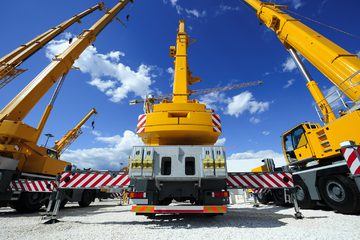
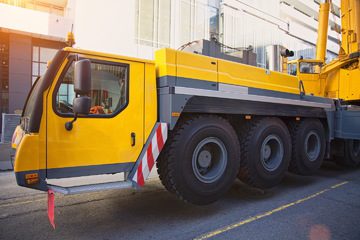
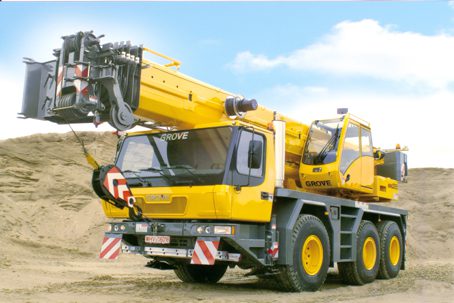
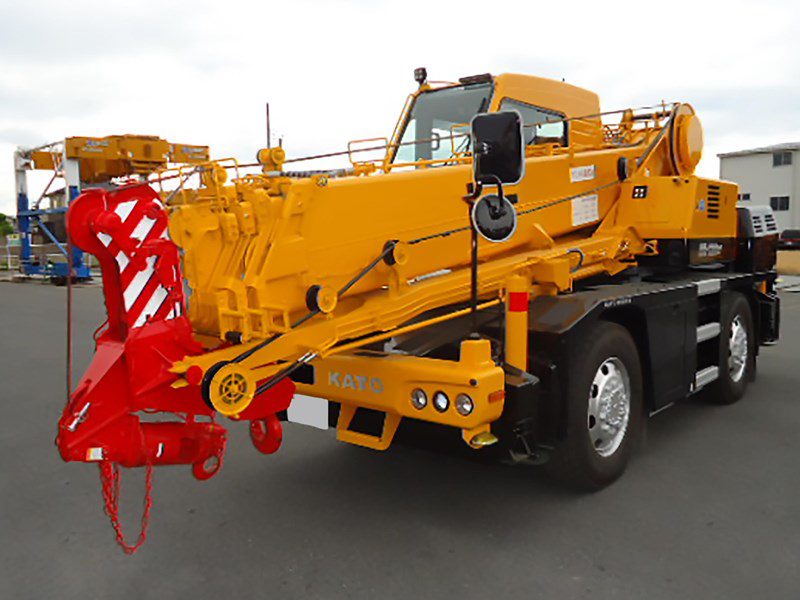
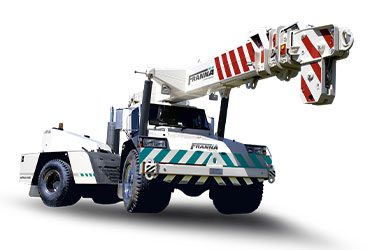
Mobile cranes, often praised for their flexibility and rapid deployment, have become indispensable in contemporary construction projects. In the Southern Highlands, for instance, projects ranging from bridge maintenance to mid-rise commercial buildings frequently rely on mobile crane hire. The primary advantage lies in mobility: these cranes can traverse uneven terrain, access confined spaces, and adapt quickly to changing site requirements. This flexibility makes them particularly effective in regional areas where infrastructure is expanding but site conditions vary dramatically.
Unlike fixed crane installations, mobile cranes reduce setup times, enabling project managers to maintain tight schedules. They are particularly valuable in projects requiring intermittent lifting, such as the placement of prefabricated components or heavy machinery, where permanent crane infrastructure would be inefficient or cost-prohibitive. Their strategic importance extends beyond mere construction efficiency; mobile cranes facilitate broader regional development by enabling complex engineering projects in locations that might otherwise be inaccessible.
Tower and Luffing Cranes in Urban Development
While mobile cranes dominate regional and flexible applications, tower and luffing cranes are synonymous with dense urban construction. Tower crane hire is a staple for high-rise developments, where vertical reach and load capacity are critical. Tower cranes provide stability and precision for assembling steel frames, installing glass façades, and handling repetitive heavy lifts over extended periods. Their presence on skylines symbolizes the concentrated growth of urban centers, where efficient vertical construction is essential.
Luffing cranes, often a subtype of tower cranes, excel in areas with restricted horizontal space. Their ability to adjust the angle of the jib allows for precise maneuvering around obstacles, making them ideal for tightly packed city blocks or historic precincts with limited site access. In cities like Melbourne and Sydney, luffing crane hire supports high-rise construction without compromising the integrity of surrounding structures or disrupting urban traffic flow. The selection between standard tower cranes and luffing cranes often comes down to spatial constraints, wind considerations, and load requirements, illustrating the nuanced decision-making that underpins modern urban projects.
Safety and Regulatory Frameworks
Australia maintains rigorous safety and regulatory standards that govern crane operations, reflecting the high stakes of lifting heavy loads in both urban and regional contexts. The National Standard for Crane Safety, alongside state-specific regulations, mandates regular inspections, operator certification, and adherence to load charts and site protocols. Mobile crane hire southern highlands, for example, is subject to both local council approvals and state occupational health regulations before being deployed on infrastructure projects.
Safety extends beyond compliance. Technological advancements such as anti-collision systems, load moment indicators, and remote monitoring have transformed crane operations. These innovations not only enhance safety for operators but also reduce risks to pedestrians, adjacent structures, and nearby workers. Luffing cranes in dense urban areas are increasingly equipped with real-time wind monitoring and automated jibs to mitigate risks posed by strong gusts, which can otherwise disrupt delicate high-rise assembly processes. Such technological integration exemplifies the intersection of traditional engineering and modern automation, ensuring that cranes remain both productive and safe components of urban development.
Technological Advancements and Efficiency
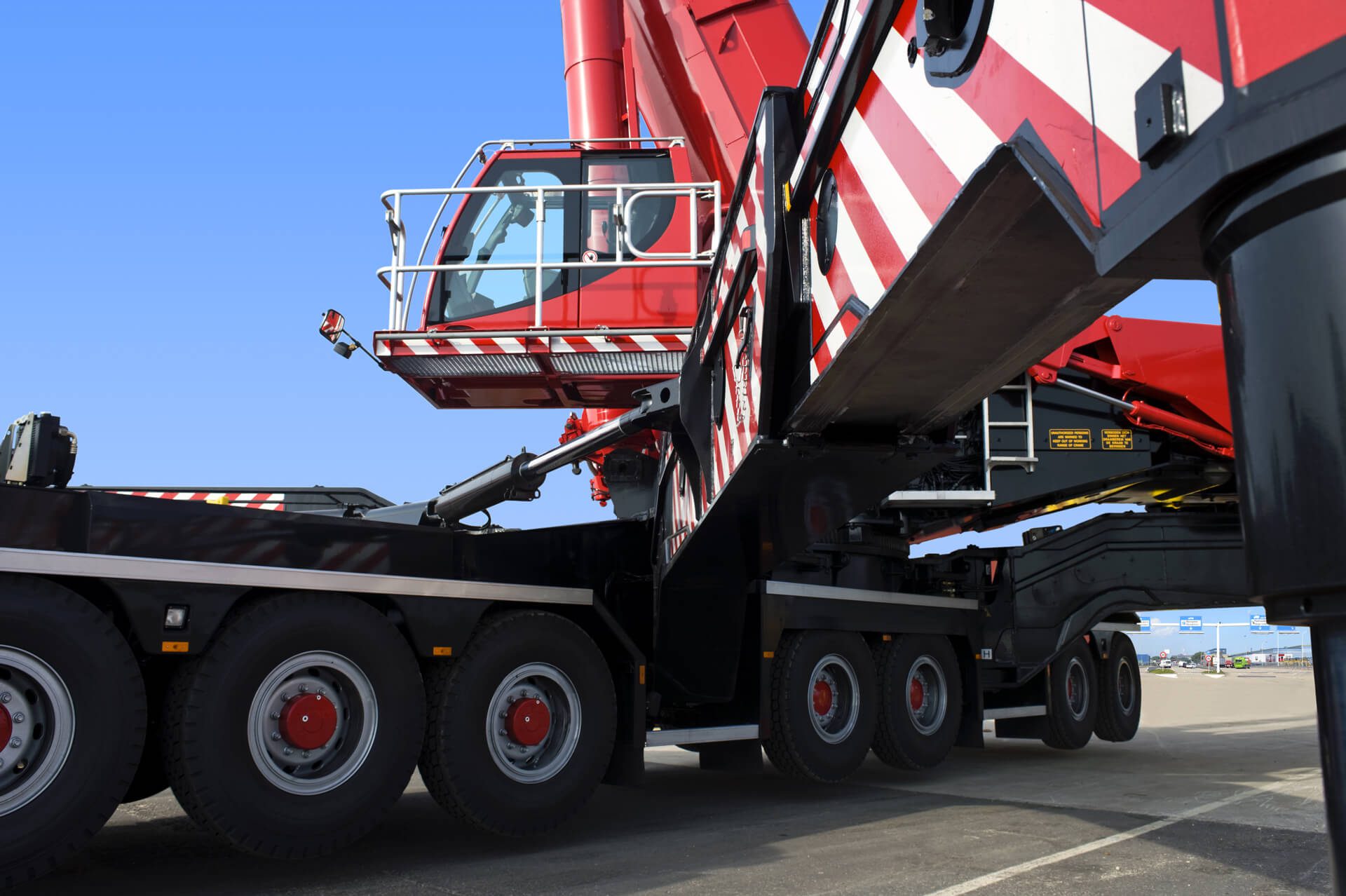
The evolution of crane technology has mirrored the complexity of Australian construction. Modern mobile cranes incorporate hydraulic systems, telescopic booms, and modular counterweights, offering unprecedented lifting precision. Tower cranes now leverage digital load monitoring and predictive maintenance analytics, enabling project teams to anticipate mechanical issues before they occur and schedule preventive maintenance with minimal disruption. Luffing cranes, specifically designed for confined urban sites, increasingly feature remote-controlled operations that allow operators to manage lifts with greater accuracy while maintaining safe distances.
These advancements also improve project efficiency and resource management. In high-density urban projects, every minute of crane operation represents a substantial cost. Optimized crane performance reduces idle time, limits the need for auxiliary lifting equipment, and enables simultaneous coordination with other trades on-site. In regional contexts, mobile cranes benefit from GPS-assisted navigation and automated boom positioning, streamlining operations across complex terrains where traditional equipment would face logistical challenges.
Comparative Applications Across Project Types
Understanding the strategic deployment of cranes requires examining how different types are employed across project categories. Infrastructure projects—such as bridges, tunnels, and transport hubs—often prioritize mobile crane hire for their adaptability and rapid repositioning capabilities. High-rise and multi-story developments typically depend on tower crane hire for sustained vertical lifting capacity. Luffing cranes bridge these scenarios in urban areas with dense construction footprints, offering a balance between vertical reach and limited horizontal space.
The choice of crane type also reflects project scale, duration, and environmental conditions. Mobile cranes are versatile but generally have lower height reach than tower cranes, making them ideal for medium-sized projects and regional construction. Tower cranes, with their permanent or semi-permanent installation, serve extended urban projects requiring heavy, repeated lifts over considerable heights. Luffing cranes, while more specialized, provide a critical solution where tower crane footprints are impractical, highlighting the tailored approach required for efficient and safe urban construction.
The Future of Crane Deployment in Australia
As Australia continues to urbanize and invest in critical infrastructure, the role of cranes—mobile, tower, and luffing—will remain central to efficient construction. Emerging trends, including modular building techniques and digital twin modeling, will further influence crane selection and deployment strategies. Project planners are increasingly integrating crane logistics into early-stage design, ensuring that lift operations align with broader project timelines and safety considerations.
Moreover, sustainability considerations are shaping crane operations. Energy-efficient hydraulic systems, hybrid power sources, and optimized lift sequences contribute to reduced carbon footprints and lower operational costs. The focus on safety, precision, and environmental responsibility positions crane hire not merely as an operational necessity but as a strategic instrument in Australia’s broader urban and regional development plans.
Conclusion
Cranes are more than mechanical devices; they are essential enablers of Australia’s urban and regional growth. Mobile crane hire southern highlands exemplifies the adaptability needed for regional projects, while tower and luffing cranes drive the vertical expansion of metropolitan skylines. Across all contexts, rigorous safety standards, technological advancements, and strategic deployment ensure that cranes remain safe, efficient, and integral to Australia’s construction and infrastructure ambitions. In the dynamic interplay between urban density, engineering complexity, and regulatory oversight, cranes occupy a central role, lifting not only materials but the very trajectory of Australian development.