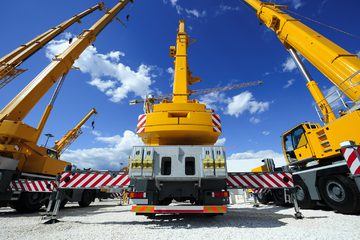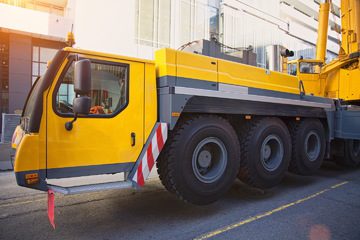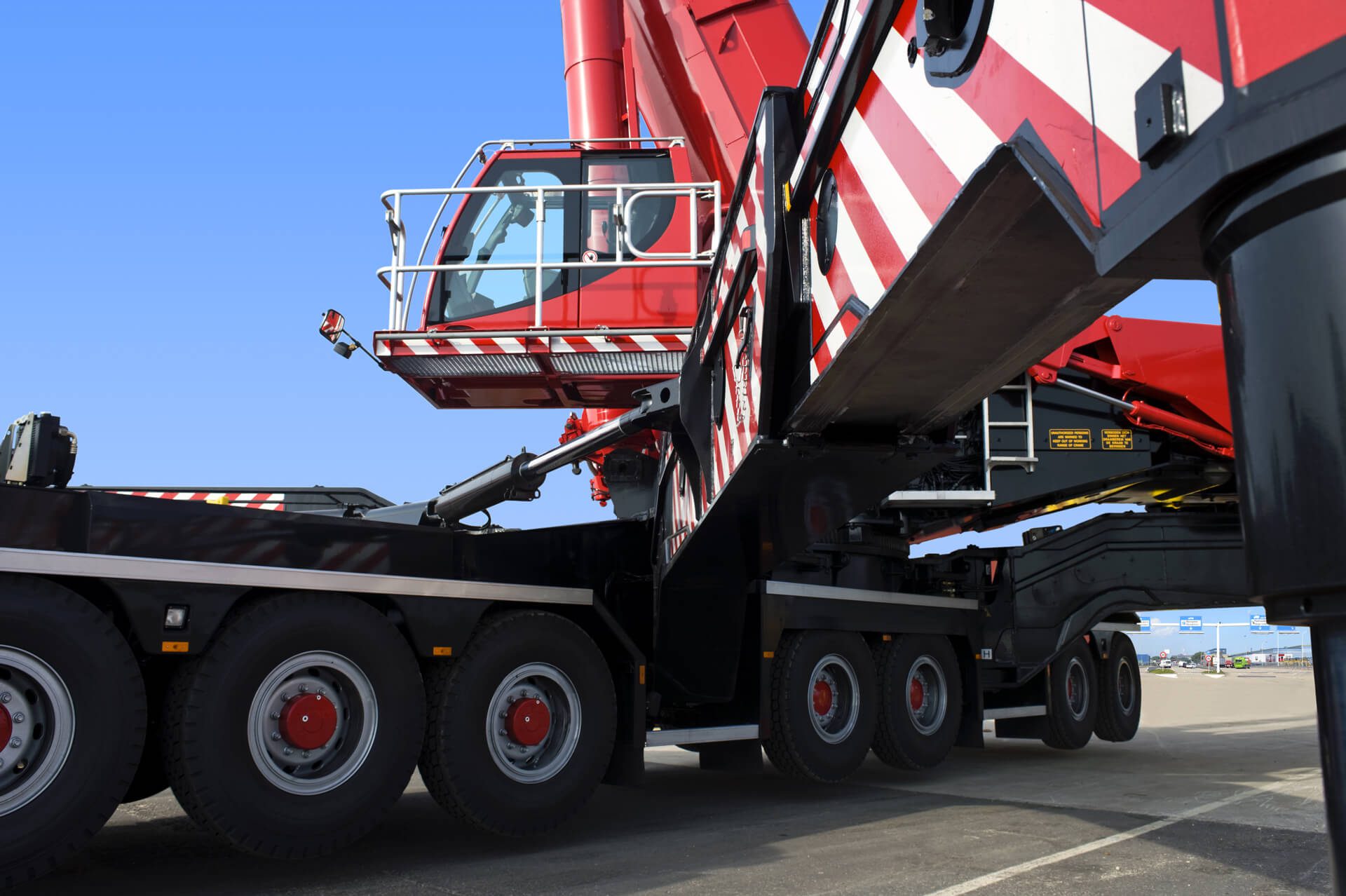
Across Australia’s largest metropolitan corridors, construction cranes have become a defining feature of the urban skyline. From high-rise residential towers to major transport corridors, the machinery that quietly enables modern infrastructure is often overlooked. Yet the systems that deliver and operate these machines—particularly mobile crane hire, tower crane hire, and luffing crane hire—have become an integral part of how large-scale projects are delivered efficiently and safely.
Nowhere is this more visible than in Western Sydney, where a wave of infrastructure investment and urban development has reshaped construction logistics. As projects grow larger, more complex, and increasingly constrained by dense urban environments, crane hire services play a strategic role in enabling the construction sector to meet both economic and population demands.
Western Sydney’s Construction Boom
Western Sydney has emerged as one of Australia’s most significant growth corridors. Large infrastructure programs, new residential developments, and logistics hubs are reshaping the region as population growth pushes metropolitan boundaries outward.
Major transport initiatives, airport development, and industrial precincts have driven a surge in construction activity. This expansion has increased demand for heavy lifting equipment capable of operating across a wide range of environments—from sprawling infrastructure corridors to tight urban building sites.
Within this context, mobile crane hire Western Sydney has become a critical operational component of project delivery. Mobile cranes offer flexibility and mobility across large sites, making them particularly valuable in infrastructure projects such as road construction, bridge installation, and utility upgrades.
Contractors increasingly rely on specialised crane hire providers to supply equipment tailored to specific project phases. Rather than owning and maintaining fleets of cranes that may only be needed temporarily, construction firms can access equipment as needed, ensuring efficiency in both cost and logistics.
Mobile Cranes: Flexibility for Infrastructure and Logistics
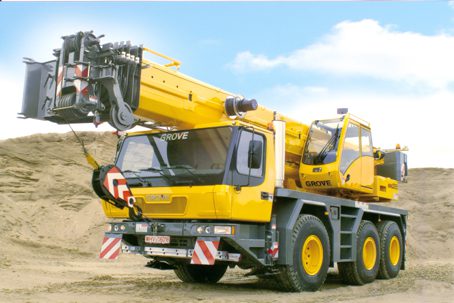
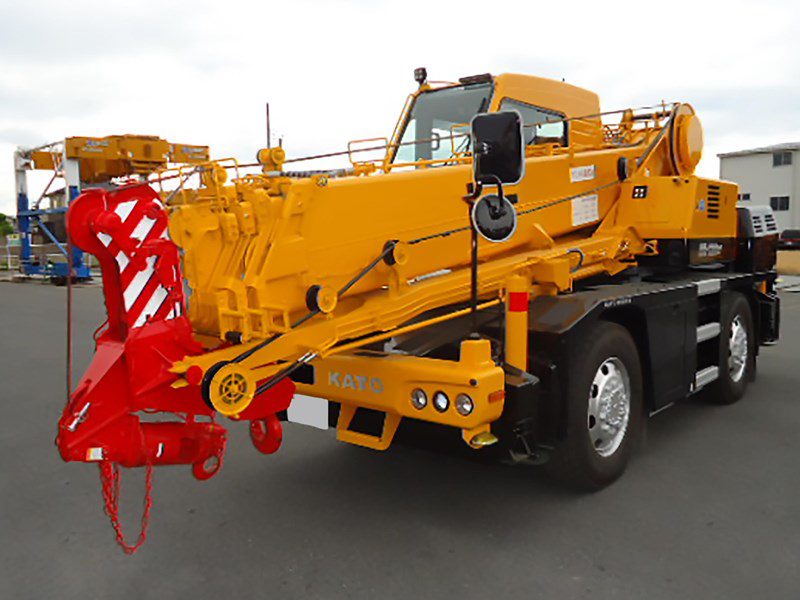
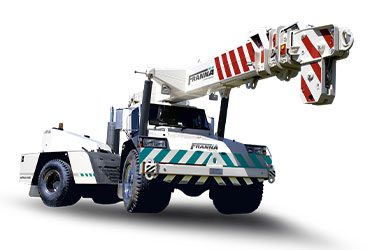
Mobile cranes remain the most versatile machines on Australian construction sites. Mounted on trucks or crawler bases, these cranes can be transported easily between locations and deployed quickly.
Infrastructure projects often rely on mobile crane hire because of the scale and dispersed nature of the work. Highway upgrades, bridge installations, rail projects, and industrial facility construction require lifting equipment capable of relocating across multiple work zones. Mobile cranes meet this need with minimal setup time compared with fixed cranes.
In Western Sydney’s rapidly expanding logistics and industrial precincts, mobile cranes also support warehouse construction, precast concrete installation, and heavy mechanical assembly. Their capacity to operate across large footprints makes them essential for projects where structures are spread across extensive land parcels.
At the same time, their lifting capacity has increased significantly in recent years. Modern mobile cranes can lift hundreds of tonnes, enabling them to handle prefabricated structural components that have become more common in contemporary construction methods.
Tower Cranes and the Vertical City
While mobile cranes dominate large infrastructure sites, vertical construction relies heavily on tower crane hire. These cranes, anchored to building cores or mounted on fixed bases, are synonymous with high-rise development.
Australia’s major cities continue to experience demand for residential apartments, commercial office space, and mixed-use developments. Tower cranes enable the efficient movement of materials in these environments, lifting steel, concrete, glass, and prefabricated modules to upper floors throughout the construction process.
Tower cranes operate as the logistical backbone of high-rise projects. Their fixed positioning and long horizontal jibs allow them to service large portions of a construction site simultaneously, dramatically improving productivity compared with mobile lifting equipment.
Because tower cranes are installed for extended project phases, crane hire arrangements often include engineering planning, installation, and ongoing maintenance. This integrated approach ensures cranes remain operational throughout the project’s most intensive construction stages.
Luffing Cranes in Dense Urban Environments
As Australian cities grow denser, the challenge of constructing high-rise buildings in tightly constrained sites has increased. In these environments, luffing crane hire has become increasingly important.
Unlike traditional tower cranes with fixed horizontal jibs, luffing cranes feature a jib that can raise and lower. This design allows operators to control the crane’s working radius more precisely, reducing the risk of oversailing neighbouring properties or adjacent construction sites.
Dense urban areas such as central business districts or inner-city redevelopment zones often require cranes that can operate within strict spatial limitations. Luffing cranes make this possible by limiting their footprint while maintaining strong lifting capacity.
The growing use of these cranes reflects broader trends in urban construction. As land becomes more scarce and development intensifies, project teams must adapt equipment choices to comply with planning restrictions, airspace limitations, and safety requirements.
Safety Standards in Australian Crane Operations
Safety remains one of the most heavily regulated aspects of crane operations in Australia. The country maintains rigorous workplace safety frameworks designed to reduce risks associated with heavy lifting equipment.
National workplace health and safety regulations require cranes to meet strict operational standards, including regular inspections, certified operators, and engineered lifting plans for complex tasks. State-based authorities oversee compliance, while industry bodies promote best practices and training.
Crane hire companies typically maintain specialised engineering teams responsible for lift planning, load calculations, and equipment configuration. These measures ensure cranes operate within safe parameters even on technically demanding construction sites.
Safety considerations also influence equipment selection. For example, cranes operating near power lines, rail corridors, or public roads often require additional monitoring and coordination with regulatory authorities.
Technology Transforming Crane Operations
Technological innovation has reshaped crane operations in recent years. Digital monitoring systems, load sensors, and remote diagnostics now play an increasingly prominent role in crane management.
Modern cranes often incorporate real-time telemetry that allows operators and engineers to monitor lifting loads, wind speeds, and operational stability. These systems help prevent overloading and reduce the risk of mechanical failure.
Automation and data analytics are also improving maintenance planning. Predictive maintenance technologies can identify potential equipment issues before they lead to downtime, improving reliability on large construction projects.
Another growing trend is the integration of Building Information Modelling (BIM) into crane planning. Digital construction models allow engineers to simulate crane placements and lifting sequences before work begins. This approach reduces logistical conflicts and improves efficiency on complex urban sites.
Regulatory and Planning Considerations
Crane operations in Australia must also navigate a range of planning and regulatory considerations beyond workplace safety.
Urban development projects often require permits for crane installation, particularly when equipment may extend into surrounding airspace. In major cities, local authorities may impose restrictions on crane heights, operating hours, and proximity to neighbouring properties.
Infrastructure projects face additional coordination challenges, particularly when cranes operate near transport networks or public utilities. Construction planners must collaborate with government agencies to ensure lifting activities do not disrupt critical services.
Environmental factors also influence crane deployment. Wind conditions, site access limitations, and soil stability all affect the selection and placement of cranes. These variables highlight why crane hire services increasingly involve detailed engineering analysis rather than simple equipment rental.
The Infrastructure Cycle Ahead
Australia’s long-term infrastructure pipeline suggests cranes will remain central to the country’s construction landscape. Population growth, urban expansion, and government investment continue to drive major projects in transport, housing, and energy infrastructure.
Western Sydney exemplifies these dynamics. As new urban centres emerge and transport networks expand, construction activity will continue to demand flexible lifting solutions.
In this environment, mobile crane hire, tower crane hire, and luffing crane hire form a critical support system for the built environment. Each type of crane serves a distinct purpose within the construction ecosystem—whether enabling large-scale infrastructure projects, supporting vertical urban development, or navigating the constraints of dense city centres.
Together, these machines represent more than just equipment. They reflect the logistical backbone of modern construction, quietly enabling the infrastructure and buildings that shape Australia’s rapidly evolving cities.