Across Australia’s rapidly changing urban environments, cranes have become defining features of the skyline. From large-scale transport infrastructure to high-rise residential towers, the modern construction industry increasingly relies on specialized lifting equipment to manage complex projects efficiently and safely. The strategic use of cranes—through arrangements such as mobile crane hire, tower crane hire, and luffing crane hire—has become integral to how projects are delivered in Australia’s dense cities and growing regional centres.
In cities like Sydney, where space constraints, regulatory oversight, and ambitious development projects converge, services such as all terrain crane hire Sydney illustrate how adaptable lifting solutions are helping construction firms manage both logistical challenges and evolving urban demands.
The Strategic Role of Cranes in Australian Construction
Australia’s construction sector is undergoing a period of sustained transformation, driven by infrastructure investment, population growth, and urban redevelopment. Major initiatives involving transport networks, commercial districts, and residential housing require heavy lifting capabilities that extend well beyond traditional building equipment.
Cranes function as the logistical backbone of these projects. They move structural steel, concrete panels, mechanical systems, and prefabricated building elements that would otherwise be impossible to position manually. Without them, modern high-rise construction and large-scale infrastructure development would be severely limited.
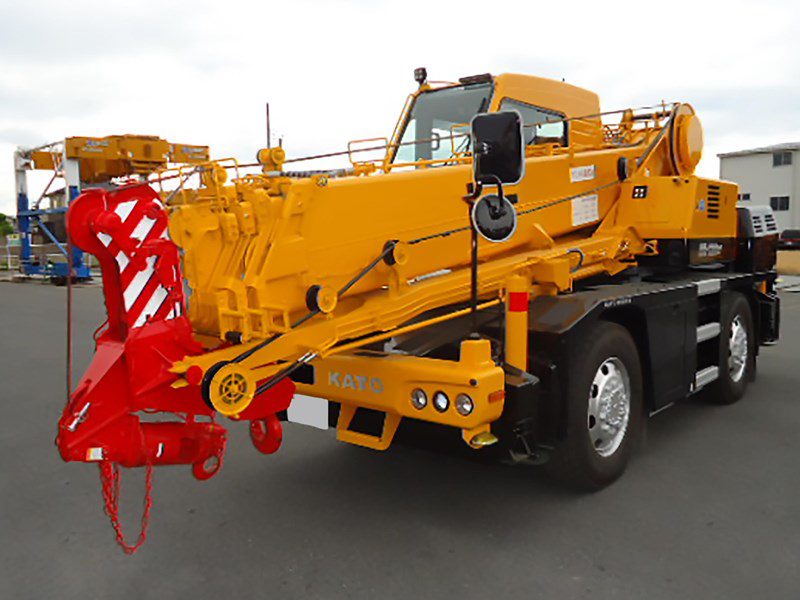
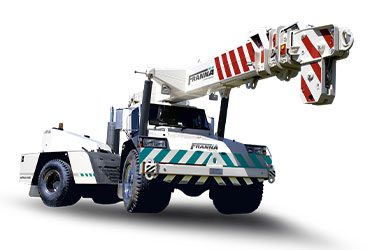
In particular, mobile crane hire has become a central feature of project planning. Mobile cranes offer flexibility and rapid deployment, making them valuable across a wide range of construction environments—from road upgrades to bridge installations and industrial facilities.
In Australia’s largest metropolitan areas, where project timelines and labour costs are tightly managed, the ability to deploy a crane quickly and relocate it between tasks can significantly improve operational efficiency. As construction activity spreads across both inner-city districts and expanding suburbs, this adaptability has become essential.
All Terrain Cranes and Urban Construction Demands
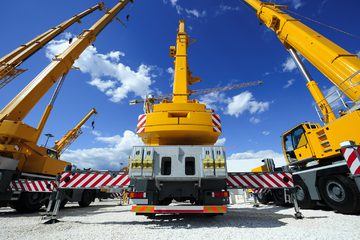
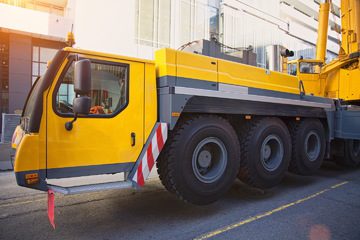
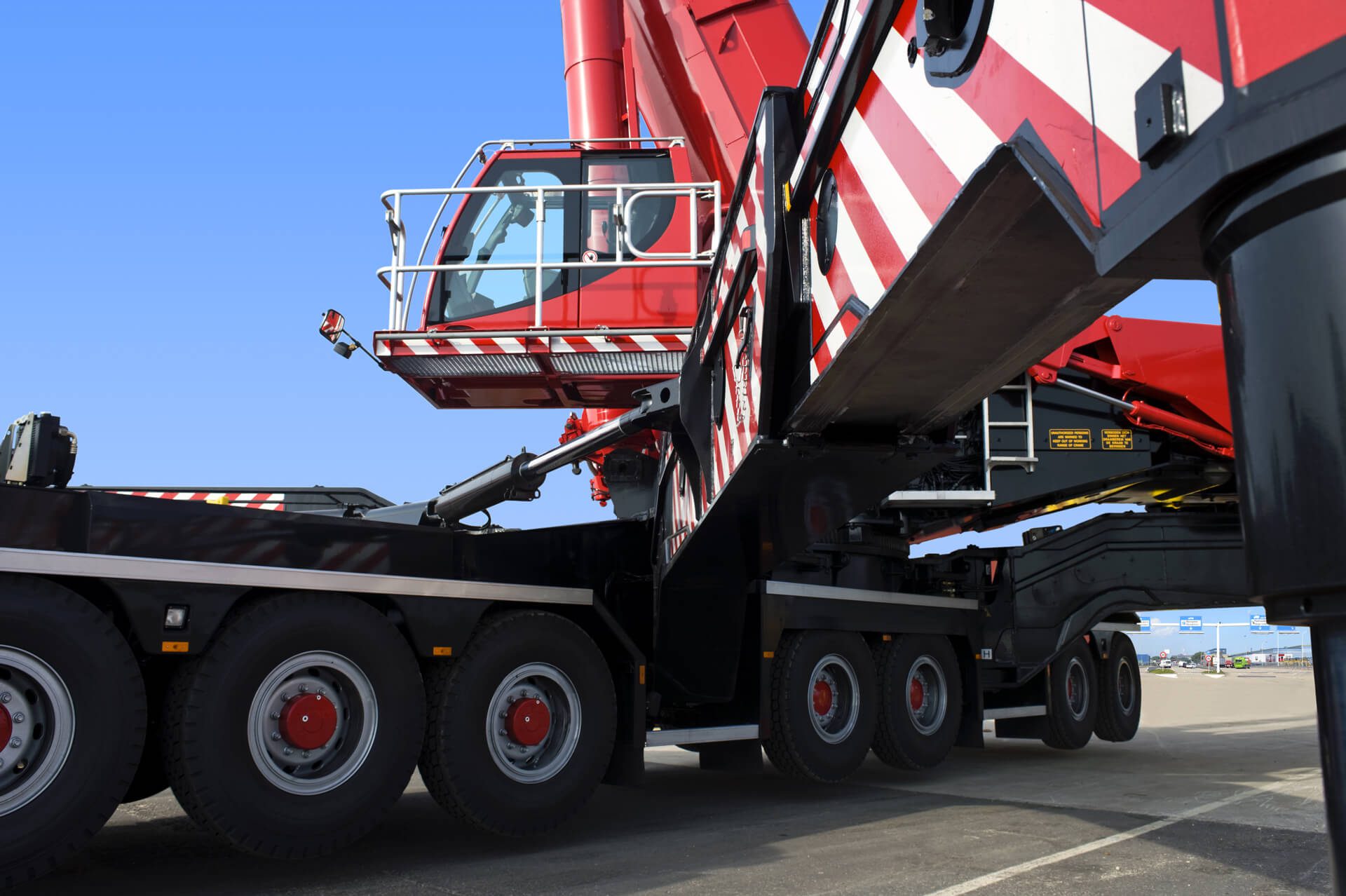
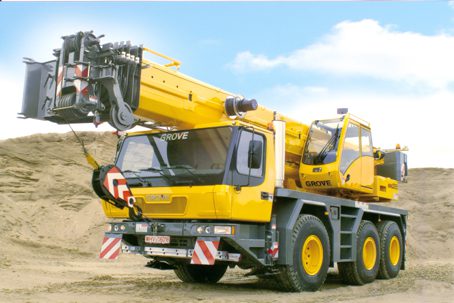
Among mobile crane categories, all terrain cranes play a particularly important role in complex construction environments. These machines combine the road mobility of truck-mounted cranes with the lifting capacity typically associated with larger crawler cranes.
In Sydney, where narrow streets, dense traffic patterns, and tight building sites are common, all terrain crane hire Sydney services allow contractors to transport heavy lifting equipment through urban areas while still achieving substantial load capacities once on site. Their ability to operate across uneven terrain, confined work zones, and varying weather conditions makes them well suited to infrastructure upgrades and high-rise developments alike.
As urban density increases, construction projects often involve retrofitting existing structures, expanding transport corridors, or working within restricted spaces between buildings. All terrain cranes offer the maneuverability and reach necessary to handle these technical challenges.
Tower Cranes and the Rise of Vertical Cities
While mobile cranes provide flexibility, tower cranes dominate Australia’s vertical construction sector. The presence of these cranes above city skylines signals the scale and ambition of modern development projects.
tower crane hire is essential for projects involving multi-storey residential towers, office buildings, and mixed-use developments. Unlike mobile cranes, which operate from ground level and are typically repositioned throughout a project, tower cranes are installed as semi-permanent fixtures that remain on site for extended construction periods.
Their height and lifting capacity allow materials to be moved efficiently between ground-level staging areas and upper floors under construction. In cities such as Sydney, Melbourne, and Brisbane, tower cranes are indispensable for delivering materials across tall structures while maintaining consistent productivity.
Tower cranes also support increasingly common prefabricated construction techniques. Large modules, façade panels, and mechanical systems are often lifted directly into position from delivery trucks, reducing on-site assembly time and improving build precision.
Luffing Cranes and High-Density Construction
As Australian cities become more compact, another specialized crane type has gained prominence: the luffing crane. Luffing crane hire is particularly relevant in dense urban districts where traditional tower cranes may face limitations due to restricted swing radius.
Unlike standard tower cranes, which rotate with a fixed horizontal jib, luffing cranes use a movable jib that can raise or lower its angle. This design allows the crane’s working radius to be adjusted vertically rather than horizontally, minimizing the risk of encroaching into neighbouring properties or airspace.
This capability has made luffing cranes especially valuable in tightly packed city centres where multiple high-rise developments may occur simultaneously. By controlling the crane’s movement more precisely, construction teams can continue operations in close proximity to adjacent buildings, roads, and utilities.
The growing demand for luffing crane hire reflects a broader shift toward vertical urban development. As land availability decreases in central business districts, buildings are rising taller while construction sites are becoming smaller and more complex.
Infrastructure Projects and Mobile Lifting Solutions
Beyond city skylines, cranes are also central to Australia’s expanding infrastructure network. Major transport upgrades, energy facilities, and industrial developments require heavy lifting capabilities that can adapt to remote or large-scale environments.
Mobile crane hire is widely used in infrastructure projects because it allows contractors to move equipment across large sites as construction progresses. Bridges, wind turbines, rail components, and precast concrete structures often require lifting solutions that combine high capacity with relocation flexibility.
All terrain cranes are particularly effective in these contexts, as they can travel across highways and rough ground without the extensive setup requirements associated with larger crawler cranes. This mobility enables construction teams to maintain momentum across projects that stretch over long distances.
Safety Standards and Regulatory Oversight
The use of heavy lifting equipment in Australia is governed by a comprehensive framework of workplace safety standards and engineering requirements. Construction companies must comply with national guidelines administered by organizations such as Safe Work Australia and state-based regulators.
These regulations cover everything from crane operator certification to equipment inspection and site safety planning. Rigorous protocols ensure that lifting operations are carefully coordinated, particularly in urban environments where cranes may operate near public spaces, transport routes, and adjacent buildings.
Safety considerations have become even more important as construction density increases. Projects in major cities often involve multiple cranes operating simultaneously, requiring detailed planning to avoid conflicts in lifting zones and overhead movements.
Technology has also improved crane safety in recent years. Modern cranes incorporate advanced load monitoring systems, wind sensors, and anti-collision technology designed to prevent operational hazards. These tools help operators maintain safe lifting conditions while navigating complex construction environments.
Technological Innovation in Lifting Equipment
Technological advancements are reshaping the crane sector worldwide, and Australia is no exception. Digital monitoring systems, telematics, and remote diagnostics are increasingly integrated into modern crane fleets.
These systems allow operators and project managers to track crane performance, monitor load data, and identify maintenance requirements in real time. Predictive maintenance technologies can detect potential mechanical issues before they disrupt operations, helping projects stay on schedule.
Automation and digital modelling are also influencing crane deployment strategies. Building Information Modelling (BIM) allows engineers to simulate crane placements and lifting sequences before construction begins. By planning crane operations digitally, project teams can reduce delays and optimize site logistics.
This integration of digital tools reflects a broader trend toward data-driven construction management, where equipment performance and site coordination are monitored continuously throughout a project’s lifecycle.
A Quiet Engine Behind Urban Growth
Despite their visibility on construction sites, cranes often remain an overlooked component of the broader infrastructure conversation. Yet the availability and effective use of lifting equipment play a decisive role in determining whether projects are delivered on time and within budget.
The combination of mobile crane hire, tower crane hire, and luffing crane hire has created a flexible ecosystem that supports projects ranging from suburban housing developments to complex urban towers and national infrastructure upgrades.
In cities like Sydney—where services such as all terrain crane hire Sydney help contractors navigate logistical challenges—the crane sector has become a quiet but critical enabler of urban growth.
As Australia continues to invest in infrastructure and expand its urban centres, cranes will remain central to the construction process. Whether lifting structural steel for a new bridge, positioning prefabricated building modules on a high-rise tower, or maneuvering within the tight confines of a city block, these machines are shaping the physical landscape of modern Australia in ways both visible and essential.