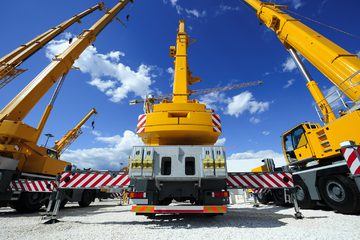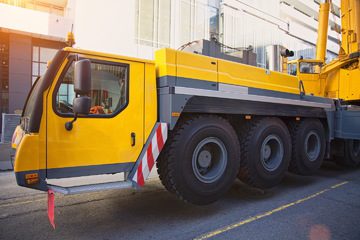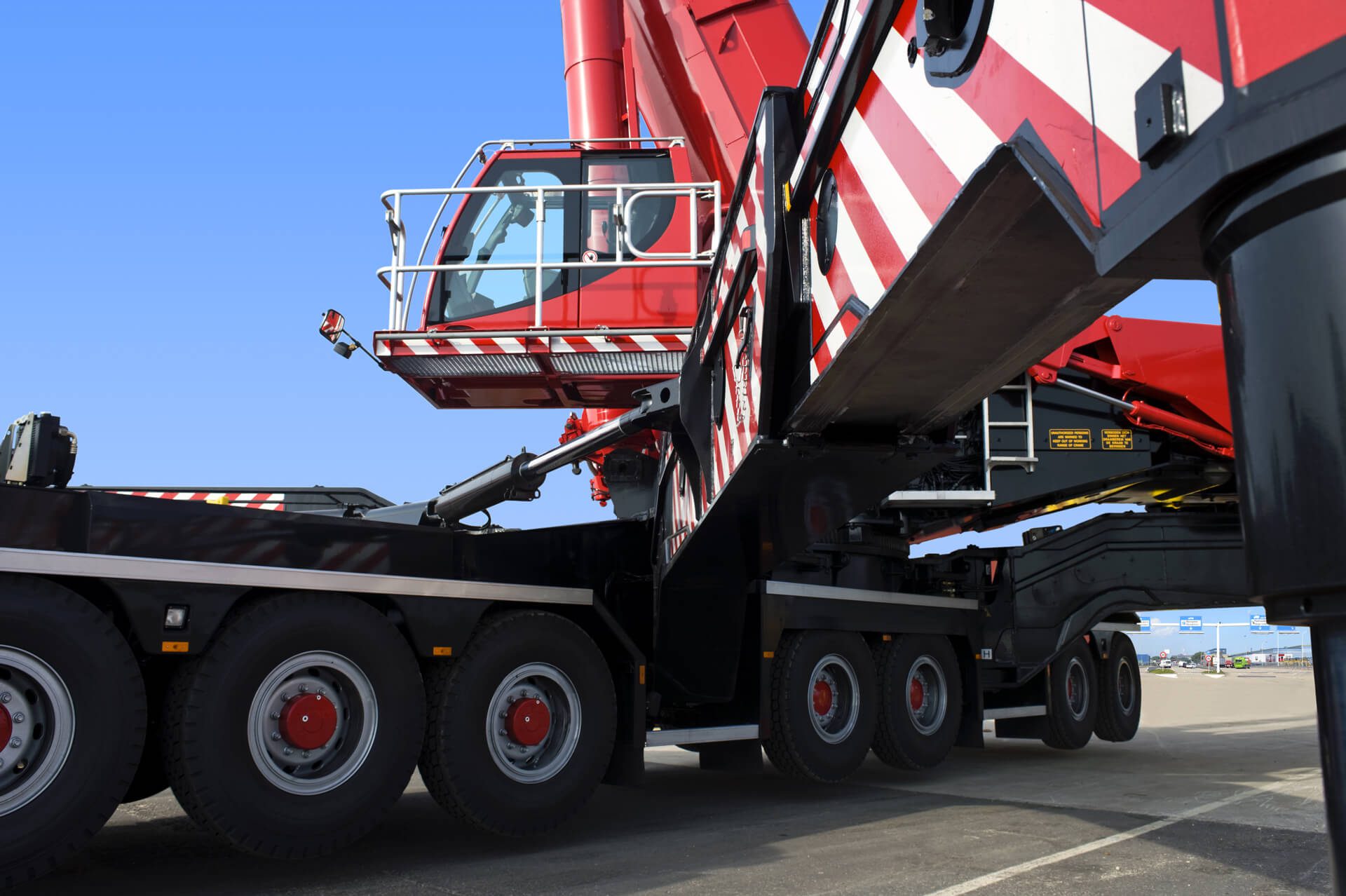
In rapidly growing urban centres across Australia, cranes have become a defining feature of the skyline. From transport corridors to residential towers and renewable energy projects, modern construction increasingly depends on sophisticated lifting equipment capable of operating safely and efficiently in complex environments. Behind these visible structures lies a specialised ecosystem of equipment providers and contractors, where services such as mobile crane hire, tower crane hire, and luffing crane hire play a central role in enabling large-scale development.
Nowhere is this more apparent than in major metropolitan areas such as Sydney, where infrastructure expansion, population growth, and urban density demand new approaches to construction logistics. In regions like Western Sydney—one of the country’s fastest-growing economic corridors—the strategic use of crane hire services, including all terrain crane hire western Sydney, is becoming essential to delivering projects on time and within increasingly tight urban constraints.
The Expanding Role of Crane Hire in Australian Construction
Australia’s construction sector has entered a period marked by both opportunity and complexity. Government investment in transport infrastructure, alongside private development in housing and commercial property, has created sustained demand for heavy lifting solutions. Yet projects today must also navigate limited space, stricter safety regulations, and evolving engineering requirements.
This environment has elevated the importance of specialised crane hire services. Instead of maintaining large fleets internally, many construction firms rely on external providers that supply equipment suited to particular site conditions. Mobile crane hire offers flexibility and mobility across multiple sites. Tower crane hire supports the vertical expansion of high-rise buildings. Meanwhile, luffing crane hire enables lifting operations in areas where space is limited and airspace restrictions are tight.
These services do more than supply machinery; they form a logistical backbone for modern construction, allowing contractors to match lifting capacity precisely with project demands.
Infrastructure Development and the Rise of Mobile Crane Hire
Infrastructure projects across Australia—from motorway upgrades to rail corridors—often require heavy lifting across expansive worksites. In these contexts, mobile crane hire has become a crucial tool.
Mobile cranes can be transported quickly between locations and set up with minimal preparation, allowing contractors to respond to changing site conditions. Their adaptability makes them particularly valuable for infrastructure works that unfold in stages, such as bridge installations or large-scale utility construction.
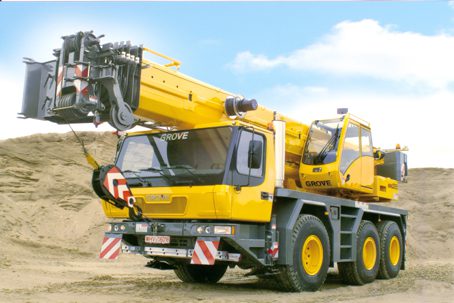
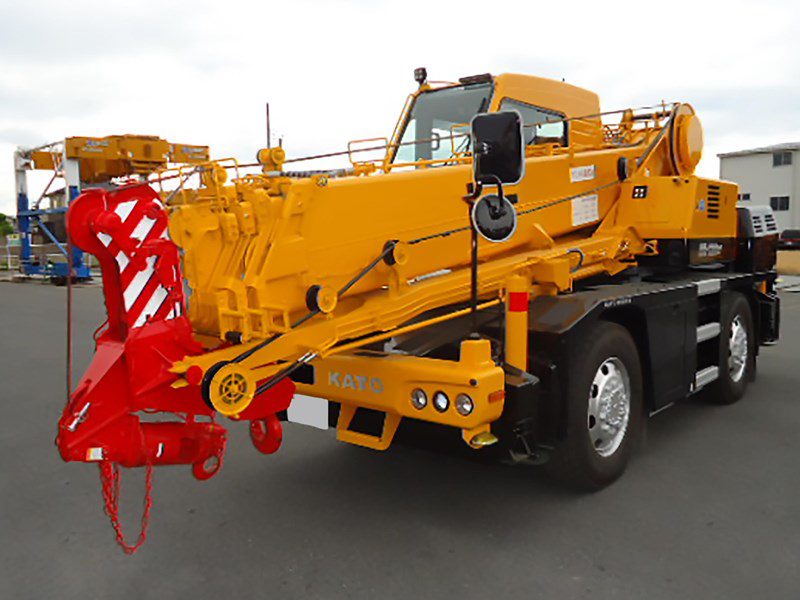
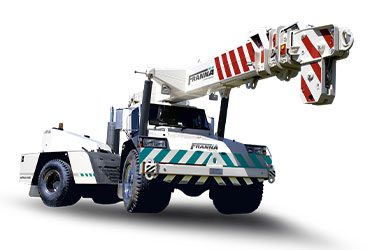
In Western Sydney, where transport projects and industrial precincts continue to expand, contractors frequently rely on all terrain crane hire western Sydney to manage lifting tasks across uneven or partially developed terrain. All-terrain cranes combine the road mobility of truck-mounted cranes with the off-road capability needed for construction environments, making them suitable for projects that shift between urban roads and undeveloped land.
Their versatility also allows them to handle heavy prefabricated components, which are increasingly common as Australian construction moves toward modular and off-site building methods.
Tower Cranes and the Vertical Growth of Australian Cities
While mobile cranes dominate large horizontal infrastructure sites, high-density urban construction depends heavily on tower crane hire. Tower cranes have become synonymous with high-rise development, capable of lifting substantial loads to great heights while maintaining precise control.
In central business districts and rapidly developing suburbs, tower cranes enable builders to construct residential and commercial towers that would otherwise be impossible using ground-based equipment alone. Their long horizontal jibs allow materials to be distributed across large building footprints, while their vertical reach keeps pace with structures that may exceed 50 or even 70 storeys.
Cities like Sydney and Melbourne have seen significant growth in mixed-use developments that combine residential, retail, and office space. These projects often require multiple tower cranes working simultaneously, carefully coordinated to avoid overlapping lifting paths while maintaining continuous construction schedules.
Tower crane hire therefore represents not only an equipment solution but also a planning challenge. Crane placement must be integrated early into architectural and engineering design, ensuring safe load paths and efficient material movement throughout the construction process.
Luffing Cranes and the Challenges of Dense Urban Environments
As urban areas become more densely built, crane operators face new constraints. Tall neighbouring buildings, restricted airspace near airports, and tight construction footprints limit the use of traditional tower cranes with long fixed jibs.
This is where luffing crane hire has become increasingly valuable. Luffing cranes feature a movable jib that can be raised or lowered, allowing the crane to operate within a smaller horizontal radius. By adjusting the angle of the jib, operators can avoid conflicts with nearby structures and reduce the risk of overswinging into adjacent properties.
In inner-city developments, particularly those surrounded by existing high-rise buildings, luffing cranes provide a practical solution for vertical construction. Their ability to operate within narrow airspace envelopes makes them well suited for projects located near transport hubs or densely built commercial districts.
As Australian cities continue to intensify their urban cores, demand for luffing crane hire is expected to increase alongside the need for precise and carefully managed lifting operations.
Safety Standards in the Australian Crane Industry
The increasing complexity of crane operations has placed a strong emphasis on safety across the Australian construction sector. National workplace safety authorities and state regulators maintain strict guidelines governing crane operation, certification, and maintenance.
Operators must undergo specialised training and licensing, ensuring they understand load calculations, wind limitations, and communication protocols. Equipment itself must meet rigorous inspection standards, including routine servicing and structural assessments.
Technological advancements have further strengthened safety measures. Modern cranes often incorporate load monitoring systems that alert operators when lifting limits approach dangerous thresholds. Anti-collision technology, particularly on tower cranes, can detect the presence of nearby cranes and automatically restrict movements that could lead to impact.
These safeguards are especially critical on large urban projects where multiple cranes may operate simultaneously within a confined space.
Technology and the Future of Crane Operations
Beyond safety improvements, technology is reshaping how cranes are integrated into construction planning. Digital modelling tools allow engineers to simulate lifting operations before work begins, helping project teams determine optimal crane placement and lifting sequences.
Building Information Modelling (BIM), increasingly used across Australian infrastructure projects, enables construction managers to coordinate crane operations alongside structural design and logistics planning. By visualising equipment movements within a digital environment, teams can identify potential conflicts and streamline workflows.
Automation and remote monitoring are also emerging trends. Sensors embedded in crane systems can transmit real-time performance data, allowing maintenance teams to detect issues before they result in costly downtime.
These technological developments are transforming crane hire from a purely mechanical service into a data-driven component of construction strategy.
Regulatory Considerations and Urban Planning
Crane operations in Australia are closely tied to broader regulatory frameworks governing construction, urban planning, and transport. Large cranes often require council approvals, road closures, or coordination with aviation authorities if lifting operations extend near regulated airspace.
In regions like Western Sydney, where urban expansion intersects with major infrastructure investments such as airport development and transport upgrades, these regulatory considerations can significantly influence construction timelines.
Planning authorities increasingly require detailed lift plans and risk assessments before approving major crane installations. This ensures that operations comply with safety requirements while minimising disruption to surrounding communities.
The Machinery Behind Australia’s Urban Transformation
Cranes may appear to be temporary fixtures on the skyline, but their role in shaping Australia’s built environment is enduring. Through services such as mobile crane hire, tower crane hire, and luffing crane hire, construction teams gain the lifting capabilities necessary to deliver complex infrastructure and high-density developments.
In rapidly expanding regions like Western Sydney, the strategic use of specialised solutions such as all terrain crane hire western Sydney reflects the evolving demands of modern construction. As cities grow taller and infrastructure networks become more ambitious, the machines above the skyline will remain central to the transformation of Australia’s urban landscape.
Behind each completed bridge, rail line, or residential tower stands an intricate choreography of engineering, logistics, and heavy lifting—much of it carried out by cranes that quietly enable the nation’s growth.