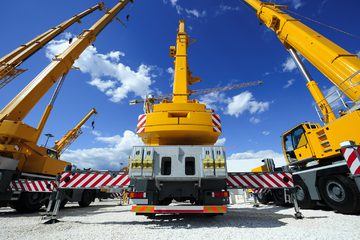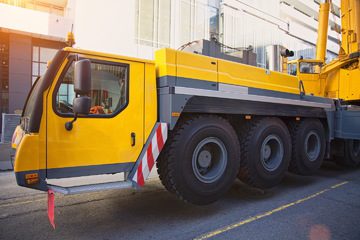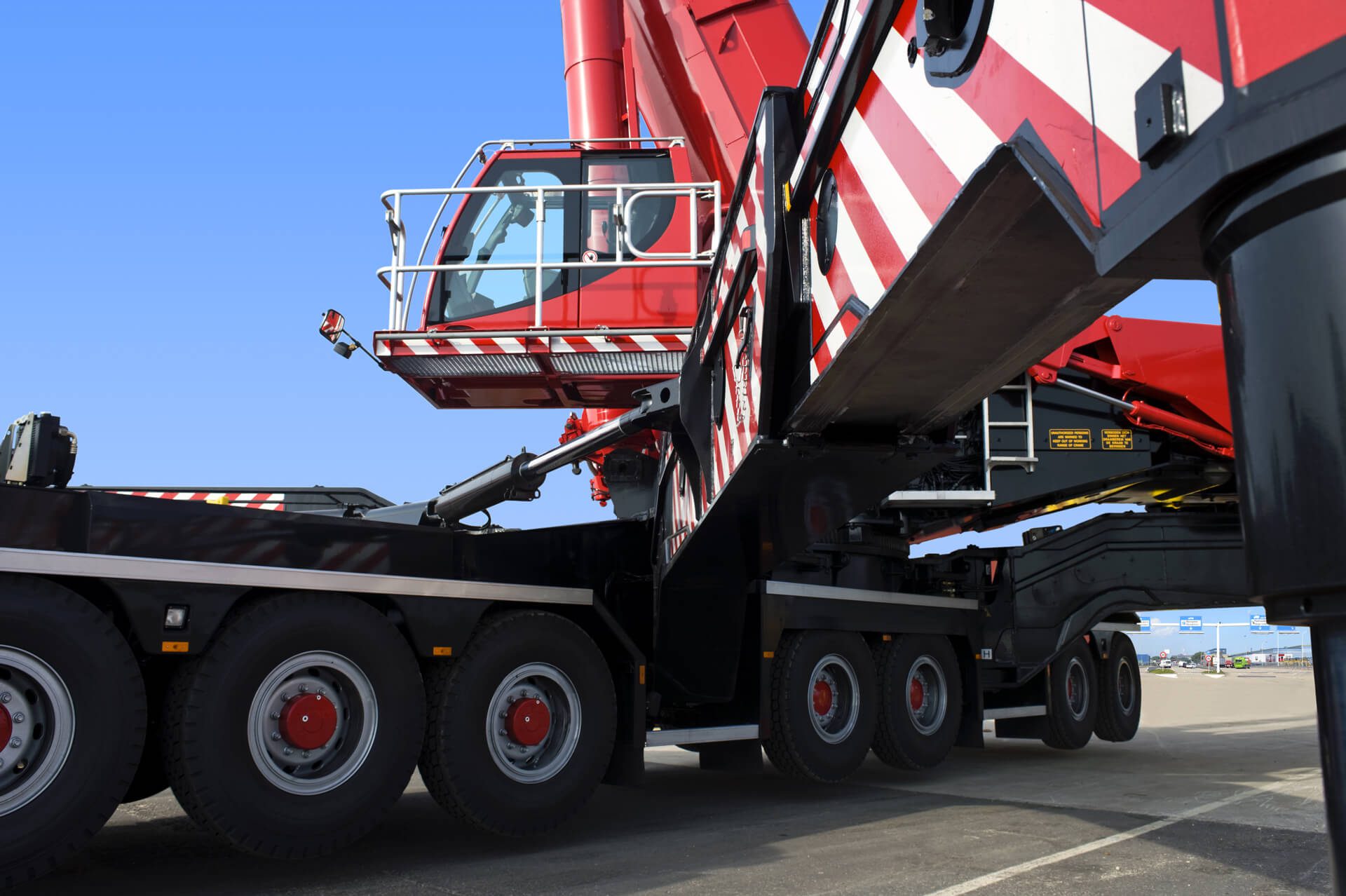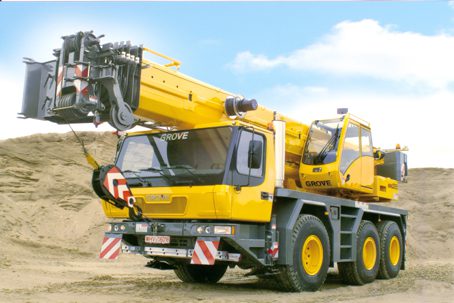
Across Australia’s largest cities, cranes have become a familiar part of the skyline. From high-rise apartment towers to new transport corridors and energy projects, the nation’s construction sector increasingly depends on highly specialised lifting equipment to deliver complex builds efficiently and safely. Among the most significant developments in this evolving landscape is the growing reliance on flexible crane services, including mobile crane hire, tower crane hire and luffing crane hire, which allow contractors to adapt to the logistical challenges of modern urban development.
In major metropolitan regions such as Sydney and Melbourne, cranes are not only tools of construction but also symbols of sustained investment in housing, infrastructure and commercial expansion. Behind many of these projects lies a complex network of equipment suppliers, engineers and safety regulators working to ensure that the machines lifting steel and concrete across the skyline operate within some of the world’s most stringent safety frameworks.
The Expanding Role of Crane Hire in Australia’s Construction Sector
Australia’s construction industry is characterised by geographic scale, urban density in key cities and a steady pipeline of infrastructure investment. Large-scale developments such as rail extensions, motorway upgrades and mixed-use towers demand lifting solutions that can adapt to diverse site conditions.
In this context, equipment rental models have become increasingly central. Instead of purchasing cranes outright, many contractors rely on mobile crane hire or tower crane hire services that provide specialised machines tailored to specific phases of construction. This approach allows builders to match lifting capacity and reach to the changing needs of a project without carrying the financial burden of maintaining an entire fleet.
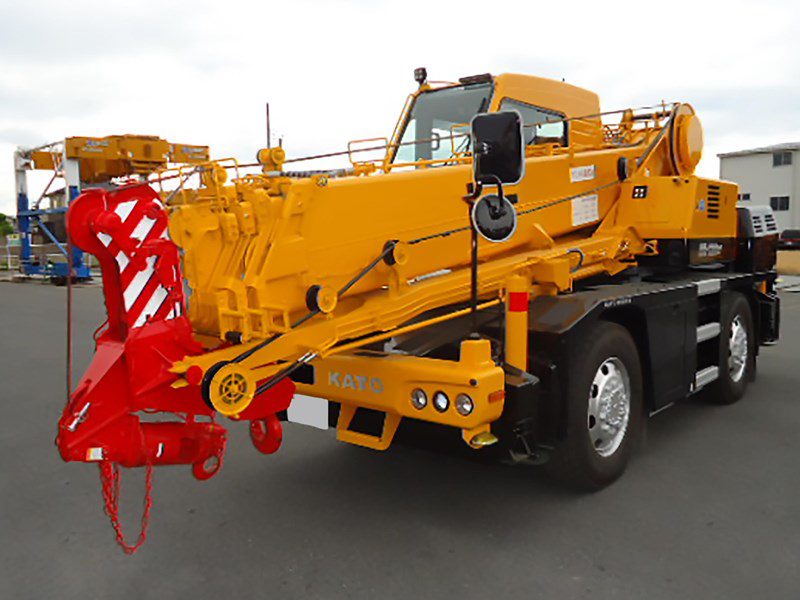
Mobile cranes in particular have become essential during early construction stages, when heavy structural elements must be moved quickly across wide sites. Their flexibility allows them to be transported between projects and deployed with relatively short setup times, making them indispensable for infrastructure work such as bridge assembly, precast concrete installation and industrial construction.
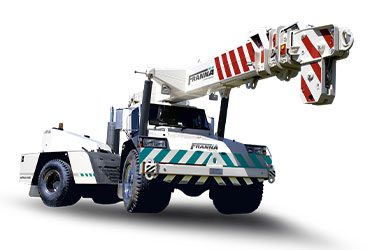
Within urban environments, the role of franna crane hire sydney services has become especially prominent. Franna cranes, a distinctive Australian-developed design, are widely valued for their ability to lift and carry loads across confined job sites. Unlike larger cranes that require extensive assembly, these pick-and-carry machines can navigate tight construction zones while maintaining lifting capacity, making them well suited to inner-city projects where space is limited.
Tower Cranes and the Rise of Vertical Cities
While mobile cranes dominate early construction phases, tower crane hire services underpin the vertical expansion of Australia’s cities. Tower cranes have become the defining machinery of high-rise construction, capable of lifting heavy materials hundreds of metres above ground while maintaining stability in challenging weather conditions.
Urban centres such as Brisbane and Perth have seen an increasing number of tower cranes installed as residential density rises and mixed-use developments reshape city centres. These cranes provide the reach and precision necessary to move steel beams, façade panels and concrete buckets to upper floors as structures climb skyward.
The scale and complexity of modern tower cranes also reflect the broader evolution of engineering within the construction industry. Today’s models are equipped with sophisticated load-monitoring systems, digital diagnostics and remote operation capabilities that help ensure efficiency while reducing the risk of accidents.
Because of their height and operational complexity, tower cranes are typically installed for extended periods, sometimes remaining on a single project site for more than a year. Their presence often signals the long-term commitment of developers and contractors to projects that will define urban skylines for decades.
Luffing Cranes and the Challenge of Dense Urban Sites
As Australian cities become denser, another specialised lifting solution has gained prominence: luffing crane hire. Unlike traditional tower cranes with long horizontal jibs, luffing cranes feature adjustable booms that can be raised or lowered to reduce their swing radius.
This design is particularly valuable in tightly packed city centres, where multiple cranes may operate simultaneously on neighbouring projects. By controlling the angle of the boom, operators can prevent crane arms from crossing into adjacent airspace, a crucial requirement when construction sites are separated by only a few metres.
Luffing cranes are increasingly used in central business districts, where complex planning regulations and limited site footprints make traditional crane configurations difficult to deploy. Their ability to manoeuvre within restricted zones allows developers to continue building upward without disrupting surrounding properties or transport corridors.
The use of luffing crane hire services has therefore become a defining feature of construction in dense urban districts, where developers must balance vertical expansion with strict planning rules and community considerations.
Safety Standards and Regulatory Oversight
The expansion of crane usage across Australia has been accompanied by rigorous regulatory oversight. National and state authorities enforce detailed safety standards that govern crane design, operation and maintenance.
One of the central bodies overseeing workplace safety is Safe Work Australia, which develops national guidelines aimed at reducing construction risks. These guidelines address everything from crane assembly procedures to operator certification and routine inspections.
In practice, crane operations must comply with strict licensing requirements. Operators typically undergo extensive training and must hold specialised high-risk work licences before they can operate tower or mobile cranes on active construction sites.
Safety procedures also extend to site planning. Before cranes are installed, engineers assess ground conditions, wind loads and potential interference with surrounding structures. These assessments ensure that lifting operations remain stable even when cranes are operating at maximum capacity.
The emphasis on safety reflects the high-risk nature of heavy lifting operations. Even a single incident involving a crane can have significant consequences for workers, nearby residents and project timelines. As a result, safety planning has become deeply integrated into every stage of crane deployment.
Technological Innovation in Lifting Equipment
Technological change is also reshaping how cranes operate within Australia’s construction industry. Digital monitoring systems now allow operators and site managers to track load weights, wind conditions and mechanical performance in real time.
Some modern tower cranes incorporate anti-collision technology designed to prevent interactions between multiple machines working on crowded construction sites. These systems use sensors and software algorithms to monitor crane movement and automatically restrict operations if two machines approach unsafe proximity.
Remote diagnostics are another growing feature. Engineers can access performance data from cranes while they are in operation, allowing maintenance teams to detect potential faults before they lead to costly breakdowns or safety hazards.
These innovations have improved both productivity and risk management. With construction projects becoming larger and more complex, data-driven monitoring is helping companies coordinate crane operations more precisely than in previous decades.
Infrastructure Expansion and Long-Term Demand
The demand for specialised crane services in Australia is closely tied to the country’s broader infrastructure ambitions. Governments and private developers continue to invest heavily in transportation networks, renewable energy installations and urban housing developments.
Projects such as metro rail expansions, highway upgrades and offshore wind facilities all require extensive lifting operations. Mobile crane hire services are often used to assemble large prefabricated components, while tower cranes manage the vertical construction of stations and associated commercial developments.
Urban redevelopment is another powerful driver. As cities seek to accommodate population growth without expanding outward, developers increasingly focus on high-density projects that depend on tower and luffing cranes to manage vertical construction.
In this environment, crane hire models provide the flexibility required to manage fluctuating project demands. Contractors can access specialised equipment when needed without maintaining expensive fleets during quieter construction periods.
A Permanent Feature of Australia’s Urban Landscape
Cranes have long been associated with periods of economic growth, and in Australia their presence reflects the continuing transformation of the nation’s built environment. From suburban transport corridors to dense urban towers, these machines enable the physical reshaping of cities and infrastructure networks.
Whether through mobile crane hire during early structural works, tower crane hire for high-rise construction or luffing crane hire in crowded city centres, lifting technology has become an indispensable component of modern building practices.
As Australia’s population grows and its cities continue to evolve, cranes will remain a visible indicator of development in motion. Behind each machine, however, lies a sophisticated system of engineering, regulation and operational expertise that ensures these towering tools perform one of construction’s most demanding tasks: lifting the foundations of the future into place.