Across Australia’s rapidly expanding cities and infrastructure corridors, cranes have become an unmistakable feature of the skyline. From apartment towers rising over Sydney’s inner suburbs to large-scale transport projects reshaping regional economies, lifting equipment plays a decisive role in determining how efficiently—and safely—major developments progress.
Among the equipment most critical to this work are systems associated with mobile crane hire, tower crane hire, and luffing crane hire, each suited to distinct construction environments. As urban density increases and projects grow more complex, the strategic role of specialized lifting solutions—particularly luffing crane hire southern highlands—has become increasingly important in supporting Australia’s evolving built environment.
The crane industry itself reflects broader changes in construction: technological modernization, stricter safety expectations, and a shift toward equipment flexibility through hire-based models rather than permanent ownership.
The Expanding Role of Cranes in Australia’s Infrastructure Boom
Australia’s construction sector has experienced sustained demand driven by population growth, urban redevelopment, and large infrastructure programs. Rail extensions, highways, hospitals, and residential towers require complex logistics that depend heavily on lifting equipment.
Cranes enable contractors to move steel beams, precast concrete panels, mechanical systems, and structural components with precision. Without them, modern construction timelines would be impossible to maintain.
The increasing complexity of projects has also encouraged greater specialization. Instead of relying on a single type of crane, developers and contractors often combine equipment sourced through mobile crane hire, tower crane hire, and luffing crane hire to meet the specific spatial and engineering demands of a site.
This flexible approach allows construction firms to scale equipment use as projects evolve while avoiding the high capital costs of purchasing heavy machinery outright.
Mobile Cranes and Infrastructure Mobility
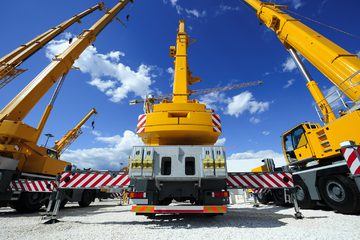
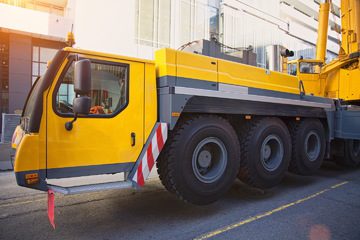
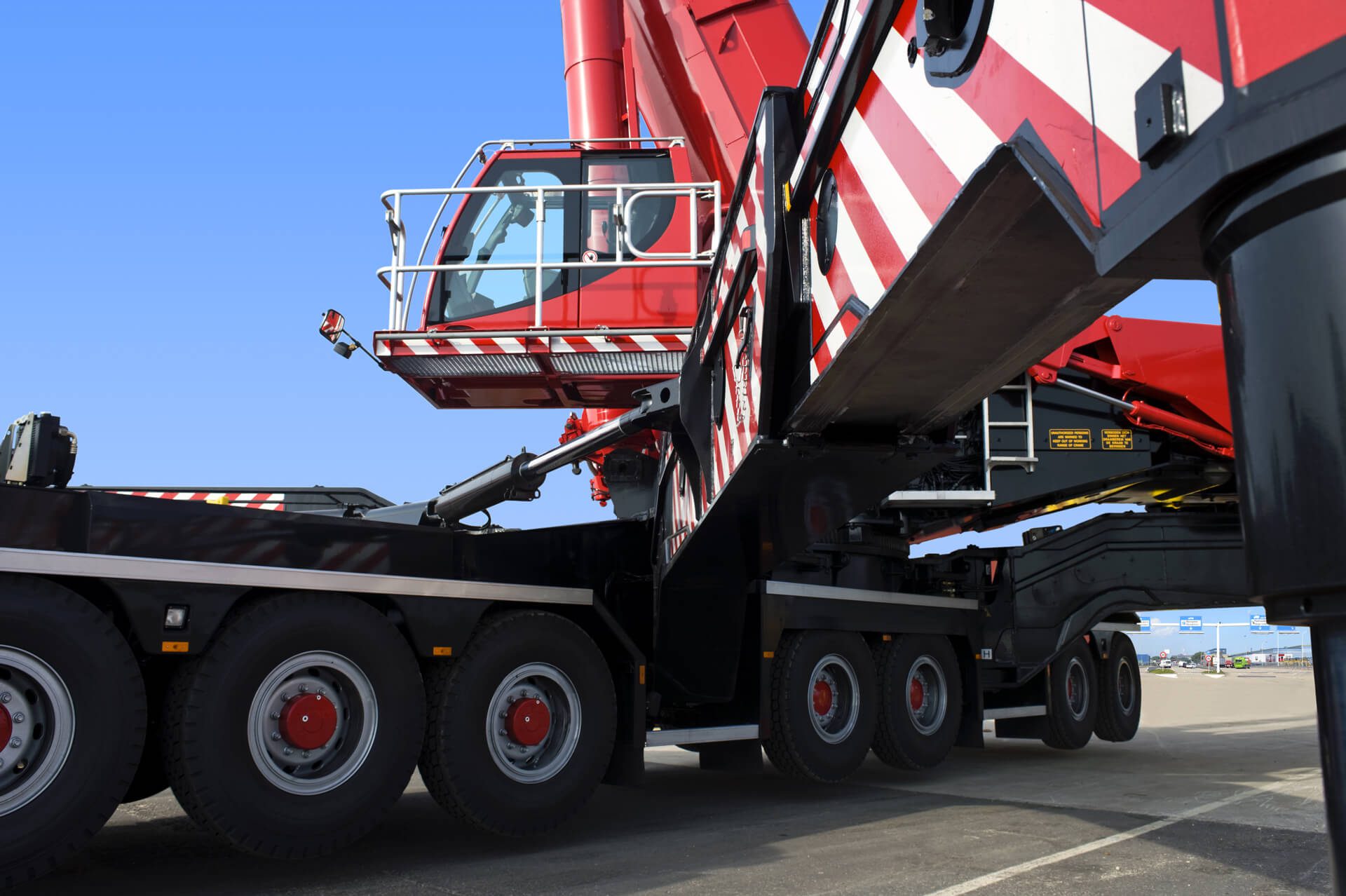
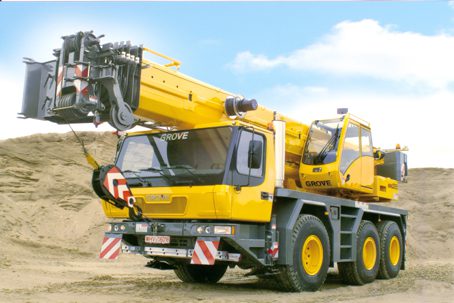
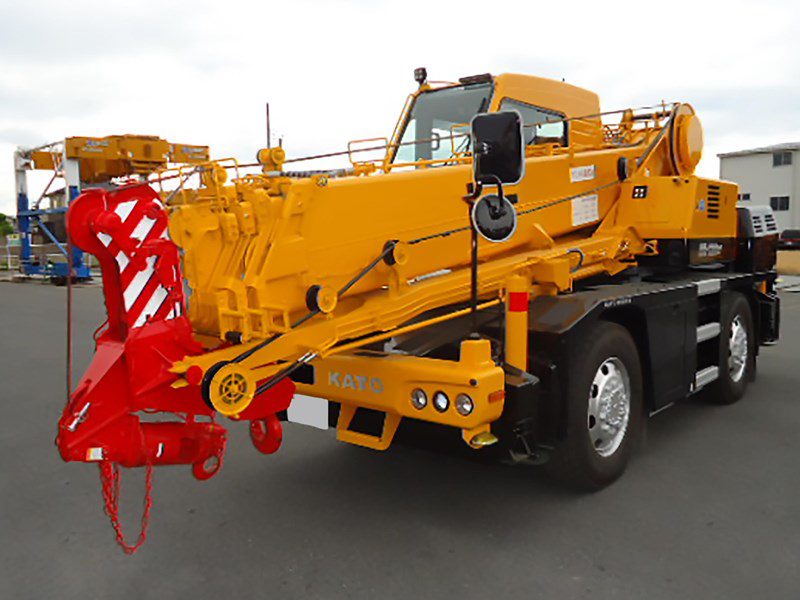
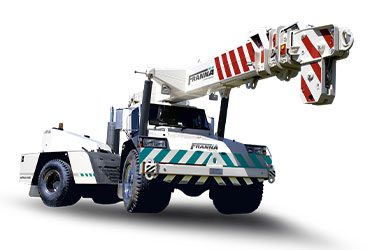
Infrastructure projects spread across highways, energy developments, and transport corridors frequently depend on mobile cranes. These machines are designed for versatility, capable of traveling between sites and adapting to varying terrain.
Through mobile crane hire, contractors gain access to equipment that can quickly mobilize for short-term lifting tasks. Bridge beam placement, wind turbine assembly, and prefabricated component installation often rely on this mobility.
The advantage lies in speed and adaptability. Unlike fixed cranes, mobile units can be repositioned rapidly, allowing construction teams to manage dispersed project areas efficiently. For major infrastructure programs across regional Australia, where sites may extend over large distances, this flexibility is particularly valuable.
Mobile cranes also support early-stage site preparation, including material handling and equipment installation, before more permanent lifting solutions are established.
Tower Cranes and the Rise of Vertical Cities
As Australia’s metropolitan areas grow denser, vertical construction has become a defining characteristic of urban development. Residential towers, mixed-use complexes, and commercial high-rises dominate city skylines, particularly in Sydney, Melbourne, and Brisbane.
These projects depend heavily on tower crane hire, which provides the lifting height and reach required for tall structures. Tower cranes remain anchored to the building during construction, gradually increasing in height as the structure rises.
Their ability to handle heavy loads while covering wide site areas makes them indispensable in high-rise development. Construction materials such as steel frameworks, concrete formwork, and mechanical systems are routinely lifted hundreds of metres above street level.
Because urban construction sites often have limited space, tower cranes are designed to maximize lifting capacity without occupying large ground footprints. Their presence has become synonymous with the pace of city growth across Australia.
Luffing Cranes in Dense Urban Environments
While tower cranes dominate many high-rise projects, densely packed urban sites often require an even more specialized lifting solution. This is where luffing crane hire becomes essential.
Unlike traditional tower cranes with fixed horizontal jibs, luffing cranes have angled booms that can move upward and downward. This design allows operators to adjust the crane’s working radius more precisely, making them ideal for locations where surrounding buildings limit space.
In areas such as inner-city developments or constrained construction zones, cranes must operate without swinging loads across neighbouring properties or busy streets. Luffing cranes reduce this risk by enabling tighter control of the lifting envelope.
The demand for luffing crane hire southern highlands reflects similar logistical challenges emerging beyond major capitals. As regional areas experience increased development, contractors require equipment capable of handling restricted sites, heritage precincts, and projects located close to existing structures.
In such settings, luffing cranes provide both operational flexibility and improved safety margins.
Technology Transforming Modern Crane Operations
Technological innovation is reshaping how cranes are operated and monitored across Australia. Digital control systems, load monitoring sensors, and advanced safety mechanisms are now standard features on modern lifting equipment.
Remote diagnostics allow operators and engineers to track performance in real time, identifying mechanical issues before they lead to downtime. Many cranes are now equipped with anti-collision systems, which help prevent interference between multiple cranes working on the same project.
Automation is also playing a growing role. Some systems integrate building information modelling (BIM) data with crane operations, improving planning and load placement accuracy.
These advancements are particularly relevant to complex high-rise projects using tower crane hire or luffing crane hire, where multiple machines often operate simultaneously within tight airspace.
By integrating digital tools with traditional construction methods, contractors can reduce risks while improving efficiency across large-scale developments.
Safety Standards and Regulatory Oversight
Australia maintains some of the world’s most stringent safety requirements for construction equipment. Cranes operate under a framework of national workplace safety regulations, state-level licensing requirements, and industry standards governing operation, maintenance, and inspection.
Operators must undergo formal training and certification before controlling heavy lifting machinery. Rigging crews and site supervisors also receive specialized training to manage loads safely.
Regular inspections ensure equipment remains compliant with national standards. This is particularly important for cranes supplied through hire arrangements, where multiple contractors may use the same equipment across different projects.
In addition, urban construction sites must coordinate closely with local authorities to manage traffic, airspace restrictions, and public safety. These considerations are especially relevant for tower cranes operating above public streets and for luffing cranes positioned near adjacent buildings.
By combining regulatory oversight with technological safeguards, the Australian construction sector aims to minimize risks associated with large-scale lifting operations.
The Strategic Value of Equipment Hire Models
The widespread use of mobile crane hire, tower crane hire, and luffing crane hire reflects a broader shift within the construction industry toward flexible equipment access.
Hiring allows developers and contractors to deploy specialized machinery without the financial burden of purchasing and maintaining fleets of cranes. This model also ensures access to the latest technology and safety systems, which are continuously updated by equipment providers.
For regional developments and growing areas such as the Southern Highlands, the ability to source cranes on demand has expanded the feasibility of complex projects that previously might have been limited to major metropolitan centers.
Equipment hire also supports sustainability goals. By maximizing utilization rates across multiple projects, the industry can reduce idle machinery and improve resource efficiency.
Cranes and the Future of Australian Construction
As Australia continues to expand its cities and infrastructure networks, cranes will remain central to the transformation of the built environment. Their presence above construction sites signals not only physical progress but also the coordination of engineering expertise, safety standards, and technological innovation.
Mobile cranes will continue supporting infrastructure across vast landscapes, tower cranes will dominate vertical construction in urban centres, and luffing cranes will play an increasingly strategic role in complex, space-constrained projects.
The evolution of these lifting systems reflects the broader trajectory of the construction sector itself—toward smarter technologies, stricter safety expectations, and adaptable operational models.
In the coming decades, as Australian cities grow taller and infrastructure networks expand further, the cranes rising above worksites will remain both a practical necessity and a visible marker of development in motion.