Across Australia’s rapidly expanding cities, the silhouettes of cranes have become an unmistakable symbol of economic momentum. From new transport corridors to dense residential towers, large-scale construction projects increasingly depend on sophisticated lifting equipment to move heavy materials safely and efficiently. Among the most visible of these machines are tower cranes and their more compact counterparts—luffing cranes—whose presence has become particularly pronounced in dense metropolitan zones such as Sydney.
Behind these structures lies a growing reliance on specialized crane services. The modern construction industry increasingly depends on mobile crane hire, tower crane hire, and luffing crane hire to support projects that range from sprawling infrastructure developments to tightly constrained high-rise sites. In regions such as Northern Sydney, where land scarcity and strict planning controls shape development, the strategic role of luffing crane hire northern sydney has become especially significant.
As Australia invests billions in infrastructure and urban housing, cranes have evolved from simple lifting tools into essential logistical systems that enable complex construction to proceed safely within challenging urban environments.
Building the Modern Australian City
Australia’s urban growth over the past two decades has been defined by population expansion and a push toward denser city centers. Cities including Melbourne, Brisbane, and Perth have experienced sustained construction activity as governments and developers attempt to accommodate rising housing demand and modernize infrastructure.
Cranes have become indispensable in this transformation. High-rise residential towers, hospital expansions, rail networks, and commercial precincts all require heavy lifting capabilities that cannot be replicated by conventional equipment.
Because few contractors maintain large crane fleets of their own, the construction sector has increasingly adopted flexible access models. Mobile crane hire allows builders to deploy lifting capacity only when required, minimizing capital investment and maximizing project efficiency. For larger developments, tower crane hire provides the vertical reach and lifting power needed to assemble structures hundreds of meters above ground.
In constrained urban environments, however, a third type of crane is gaining prominence.
The Rise of Luffing Cranes in Dense Urban Zones
While traditional tower cranes operate with long horizontal jibs, luffing cranes feature adjustable booms that can be raised or lowered to control the working radius. This design allows the crane to operate within far tighter airspace, reducing the risk of oversailing neighboring properties or infrastructure.
In districts characterized by limited space and closely packed buildings, this capability is crucial. Northern Sydney offers a clear example. Development corridors across the northern suburbs—where residential towers, hospitals, and transport upgrades intersect—often require cranes to operate in restricted footprints.
For these projects, luffing crane hire northern sydney has become a practical solution. By enabling operators to control the boom angle and reduce swing radius, luffing cranes help construction teams work safely within narrow sites surrounded by existing buildings and road networks.
The result is greater flexibility in how projects are staged. Materials can be lifted precisely where needed while minimizing disruptions to surrounding properties—an increasingly important consideration as urban development moves deeper into established neighborhoods.
Matching Crane Types to Project Demands
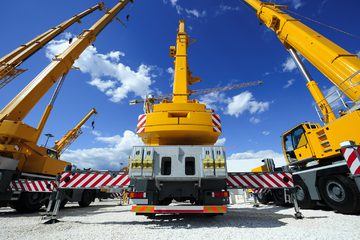
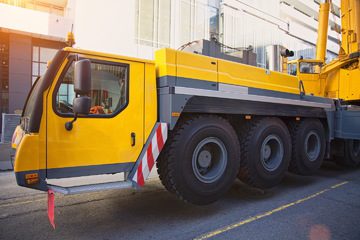
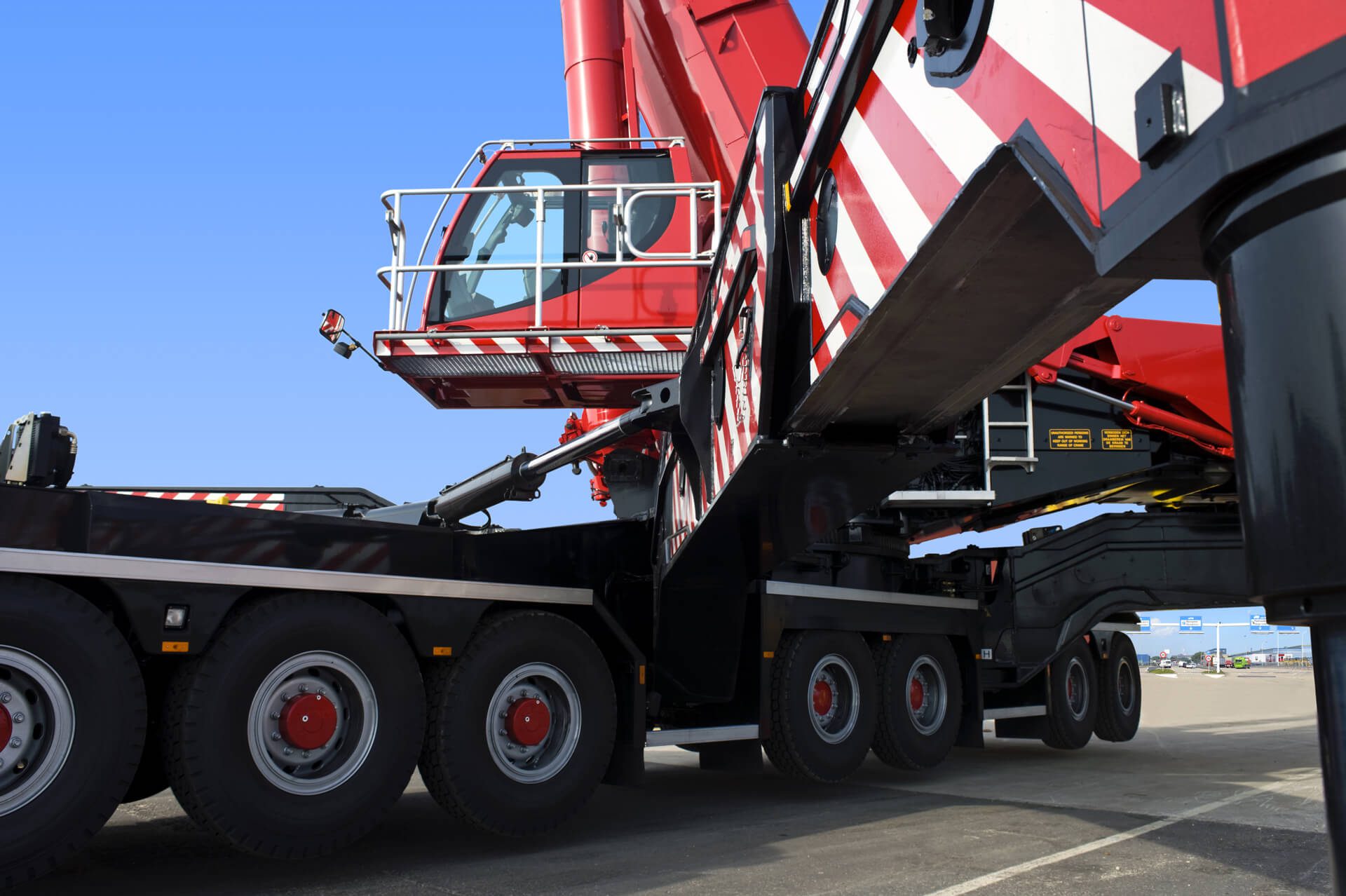
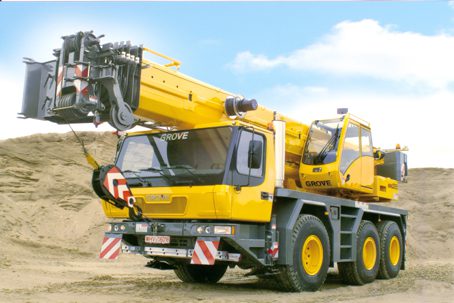
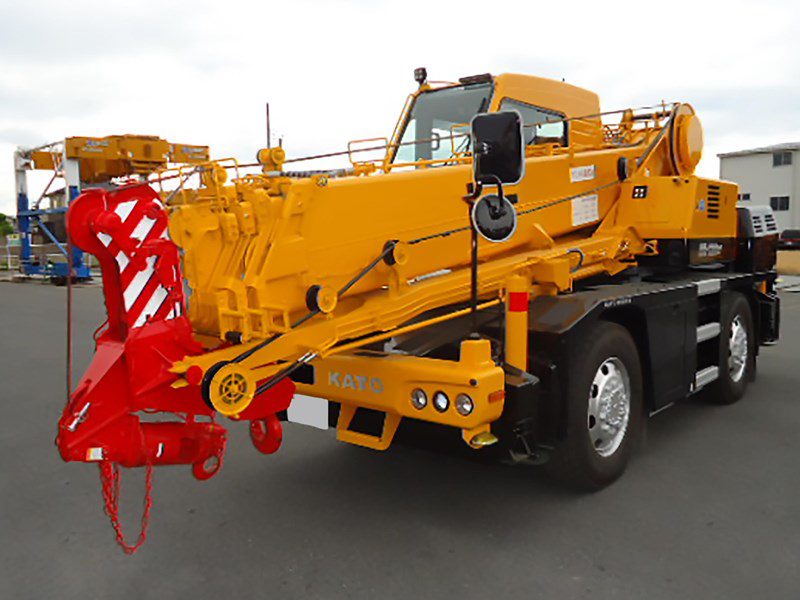
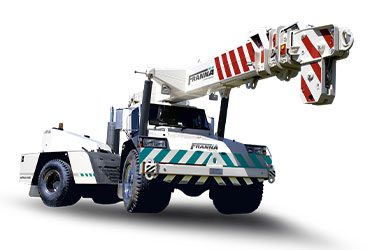
Each category of crane serves a distinct purpose within the construction ecosystem. Mobile crane hire remains the most versatile option for short-term or intermittent lifting tasks. Mounted on trucks or crawler platforms, mobile cranes can be transported quickly between sites and are commonly used for infrastructure work, bridge components, mechanical installations, and structural steel placement.
Large transport projects across Australia illustrate the value of mobility. As governments expand rail corridors and highways connecting major cities such as Sydney and Canberra, mobile cranes allow contractors to move lifting capacity along evolving construction fronts.
By contrast, tower crane hire plays a central role in high-rise construction. These cranes are typically fixed to foundations or structures and climb alongside buildings as they rise. Their long jibs and powerful hoists allow them to move heavy loads across large footprints, making them ideal for large apartment towers, office buildings, and mixed-use developments.
Luffing cranes fill a different niche. Because their booms can be angled upward, they occupy less horizontal airspace than conventional tower cranes. This advantage allows them to operate in tight clusters of buildings or on sites where multiple cranes must work simultaneously without interfering with each other.
In dense districts of Sydney and Melbourne, it is not uncommon for several cranes to operate above the same skyline. In these conditions, the ability of luffing cranes to adjust their radius can prevent overlapping swing zones and reduce potential hazards.
Safety as a Central Industry Priority
The use of cranes at significant heights and loads makes safety a central concern across Australia’s construction sector. Strict regulatory frameworks govern crane operation, maintenance, and certification, reflecting the potential risks associated with heavy lifting in populated areas.
National safety guidance is influenced by standards developed by organizations such as Safe Work Australia, which provides model regulations adopted by state regulators. These rules require certified operators, rigorous inspection regimes, and detailed lift planning to ensure that crane operations meet stringent safety thresholds.
For projects using tower crane hire or luffing crane hire, site planning often involves extensive engineering analysis. Wind loads, ground conditions, and load distribution must all be evaluated before cranes are erected. Operators must also coordinate with airspace authorities and local councils when cranes extend above certain heights.
These requirements are particularly relevant in dense urban environments like Northern Sydney. There, the proximity of residential buildings and transport corridors demands precise planning to prevent oversailing risks and ensure that lifting operations remain fully compliant with safety standards.
Technology Transforming Crane Operations
Technological innovation is reshaping how cranes are deployed and managed across Australian construction sites. Digital monitoring systems now allow engineers to track crane performance in real time, improving both safety oversight and operational efficiency.
Modern tower cranes and luffing cranes are increasingly equipped with load moment indicators, anti-collision systems, and wind monitoring devices. These technologies automatically limit crane movement if loads exceed safe thresholds or if two cranes risk entering each other’s operating zones.
Remote diagnostics have also become more common in the crane hire sector. Sensors embedded in equipment can transmit maintenance data directly to service teams, allowing issues to be addressed before they disrupt construction schedules.
For contractors relying on mobile crane hire, telematics systems provide similar benefits. Fleet managers can track crane locations, operational hours, and maintenance requirements across multiple sites, improving logistical coordination on large infrastructure projects.
The integration of digital tools reflects a broader shift toward smarter construction practices—an approach that is becoming increasingly important as projects grow larger and more complex.
Regulatory and Planning Considerations
Australia’s regulatory environment plays a significant role in shaping how cranes are used within cities. Planning approvals often include strict conditions governing crane placement, working hours, and airspace restrictions.
Local councils, aviation authorities, and workplace safety regulators may all have jurisdiction over crane operations on major projects. For developments near airports, crane heights must be carefully coordinated to avoid conflicts with flight paths.
Environmental considerations also influence crane selection. In densely populated neighborhoods, contractors may prefer luffing cranes because their compact swing radius reduces the need to extend over surrounding properties.
These regulatory dynamics have helped reinforce the importance of specialized crane services. Companies offering tower crane hire, mobile crane hire, and luffing crane hire must navigate complex compliance frameworks while ensuring that equipment meets both safety and engineering requirements.
A Quiet Force Behind Australia’s Construction Boom
Despite their prominence on the skyline, cranes often remain an overlooked element of urban development. Yet their role in enabling large-scale construction cannot be overstated.
As Australian cities continue to evolve—expanding transport systems, constructing new housing, and modernizing public infrastructure—the demand for sophisticated lifting equipment is expected to grow. In tightly constrained districts such as Northern Sydney, the flexibility offered by luffing crane hire northern sydney will likely remain critical to building safely within limited urban space.
From mobile cranes supporting infrastructure projects to towering cranes assembling high-rise buildings, these machines represent the mechanical backbone of the construction industry. Their steady presence above Australia’s cities is a reminder that behind every skyline transformation lies a complex system of engineering, logistics, and safety—quietly shaping the urban environments in which millions of people live and work.