Across Australia’s largest cities, the silhouette of cranes has become an unmistakable symbol of economic growth and urban transformation. From transport corridors and residential towers to hospitals and technology precincts, construction activity continues to reshape metropolitan skylines. In northern Sydney, where dense urban neighborhoods intersect with expanding infrastructure networks, crane operations have become a crucial component of modern construction logistics.
Behind many of these projects is the specialized industry of city crane hire northern sydney, which supplies the lifting equipment essential for large-scale building activity. Whether through mobile crane hire for infrastructure work, tower crane hire for high-rise developments, or luffing crane hire for projects in constrained urban spaces, crane services play a pivotal role in enabling Australia’s ambitious construction agenda.
As Australia faces rising demand for housing, transport infrastructure, and commercial development, the strategic deployment of cranes is becoming not just a matter of convenience but a fundamental requirement for efficient, safe, and sustainable construction.
The Growing Importance of Crane Logistics in Urban Development
Australia’s construction sector has experienced sustained demand in recent years, driven by population growth, urban densification, and significant government investment in infrastructure. Cities such as Sydney, Melbourne, and Brisbane are expanding vertically and outward simultaneously, placing new pressures on project timelines, space management, and construction logistics.
In northern Sydney, these dynamics are particularly visible. The region hosts major commercial hubs, expanding residential developments, and infrastructure projects designed to support long-term economic growth. Within this environment, the availability of city crane hire northern sydney services enables construction firms to access specialized lifting equipment without the need to maintain extensive fleets of their own.
This model reflects a broader shift in the construction industry toward flexible equipment access. Rather than owning multiple crane types—which require maintenance, transport, and specialized operators—contractors increasingly rely on crane hire providers that supply equipment tailored to each stage of a project.
This flexibility is particularly important because modern construction projects often require different crane configurations as structures evolve from foundation work to structural assembly and finishing stages.
Mobile Cranes and the Backbone of Infrastructure Projects
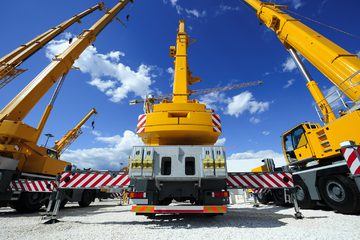
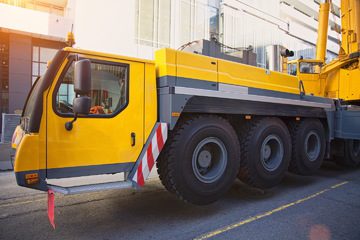
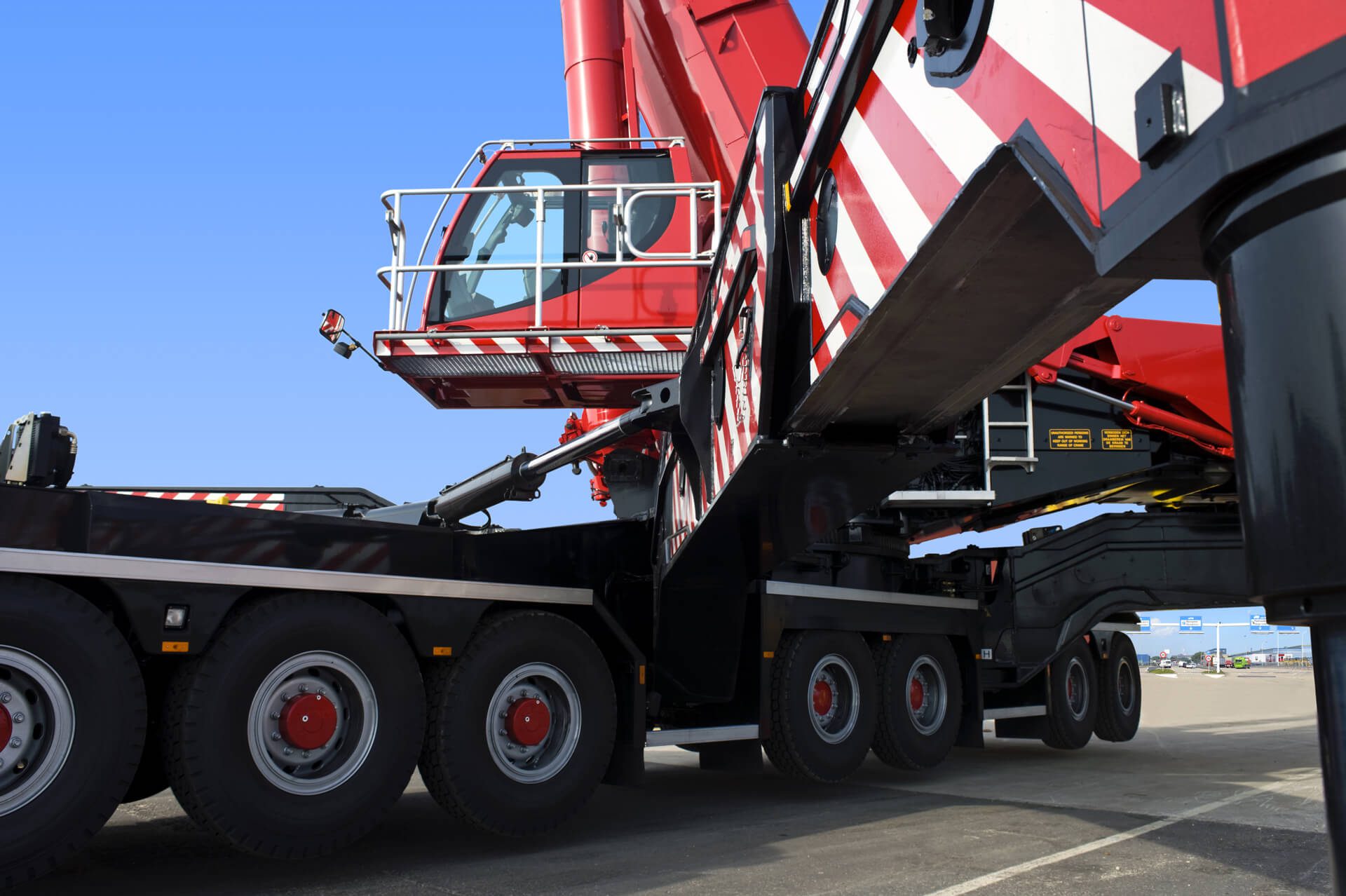
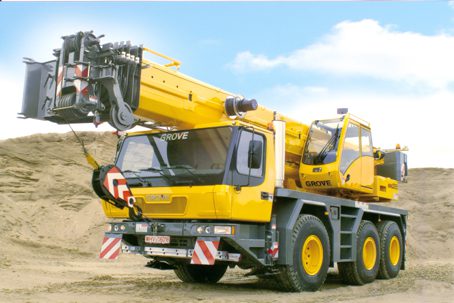
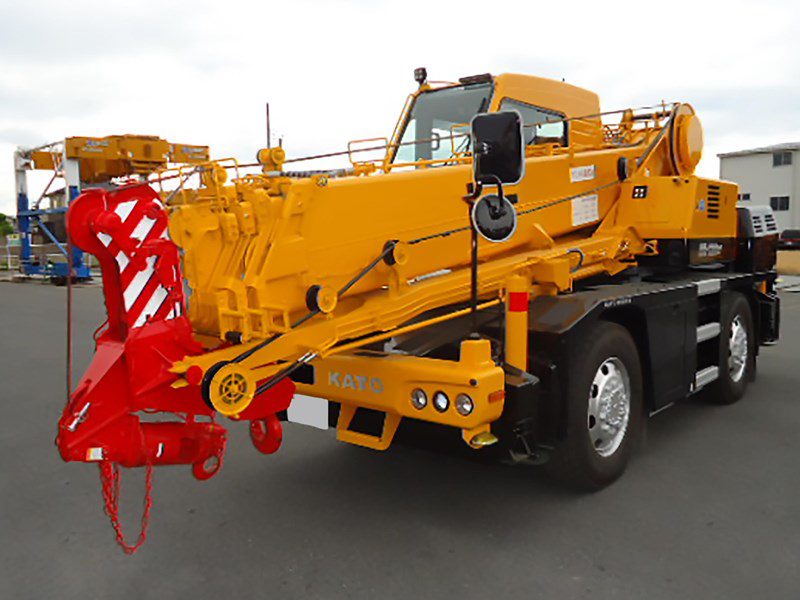
Among the most versatile lifting solutions in Australia’s construction sector is mobile crane hire. Mobile cranes are mounted on wheeled or tracked carriers, allowing them to be transported quickly between sites and repositioned as required.
This mobility makes them especially valuable in infrastructure projects, where lifting requirements shift frequently across large work zones. Road upgrades, rail projects, and bridge construction often rely on mobile cranes to move heavy materials such as precast concrete beams, steel components, and mechanical equipment.
In northern Sydney, where infrastructure expansion is closely linked to broader metropolitan development, mobile cranes frequently support projects ranging from transport interchanges to utility upgrades. Their ability to operate without permanent installation allows construction teams to maintain momentum in projects where timelines and spatial constraints can shift rapidly.
Mobile cranes are also widely used in early construction stages, particularly during foundation work and site preparation. Their adaptability makes them a practical solution for lifting tasks that may only be required for short periods but still demand significant lifting capacity.
Tower Cranes and the Rise of Vertical Construction
While mobile cranes dominate infrastructure sites, tower crane hire has become synonymous with the vertical expansion of Australian cities. Tower cranes are a defining feature of high-rise construction, rising above building sites and remaining in place throughout much of the project lifecycle.
Their height and lifting capacity make them uniquely suited to transporting heavy materials—steel beams, formwork, and concrete elements—across large vertical distances. In high-density districts, where multiple towers may rise simultaneously, tower cranes serve as the logistical backbone of the construction process.
Northern Sydney’s evolving skyline reflects this trend. As residential and commercial developments expand upward to accommodate growing demand, tower cranes allow builders to move materials efficiently within constrained footprints.
Tower cranes are typically assembled in stages as buildings rise. Their modular design enables sections to be added progressively, allowing the crane to “climb” alongside the structure it helps construct. This capability is essential in projects where building heights can exceed dozens of stories.
Because tower cranes remain fixed for extended periods, their installation requires detailed planning, engineering assessments, and regulatory approvals. Once operational, however, they provide a highly efficient means of coordinating material flow across complex building sites.
Luffing Cranes and the Challenge of Dense Urban Environments
In some urban environments, even tower cranes face spatial limitations. This is particularly true in areas where buildings are constructed close together or where flight paths, heritage structures, or neighboring developments restrict crane movement.
In these scenarios, luffing crane hire provides a specialized solution. Luffing cranes are designed with a variable-angle jib, allowing the crane operator to raise or lower the arm depending on the lifting requirement. This design significantly reduces the swing radius compared with traditional tower cranes.
The result is a crane that can operate safely in extremely tight spaces—an increasingly common requirement in Sydney’s most densely built districts.
Northern Sydney’s mix of established neighborhoods, commercial towers, and infrastructure corridors creates conditions where luffing cranes are often the most practical lifting option. Their ability to maneuver within restricted airspace allows construction to proceed even in areas where conventional cranes would risk encroaching on nearby properties.
As urban densification continues, the demand for luffing crane hire is expected to grow, reflecting the evolving spatial challenges faced by builders across Australia’s major cities.
Safety Standards and Regulatory Oversight
The widespread use of cranes across Australia’s construction sites is supported by one of the most comprehensive safety frameworks in the industry. Cranes represent complex mechanical systems operating under significant loads, making strict safety protocols essential.
In Australia, crane operations are governed by national workplace safety regulations and state-based authorities. Operators must hold appropriate licenses, while equipment must undergo regular inspection and certification to ensure structural integrity and mechanical reliability.
Construction sites also implement detailed lift planning procedures. These plans outline load weights, lifting paths, wind limitations, and emergency protocols, ensuring that crane movements are coordinated safely with surrounding site activity.
Urban crane operations require additional precautions. In dense city environments such as northern Sydney, crane lifts often occur near public roads, neighboring buildings, and pedestrian areas. To address these risks, construction teams frequently use exclusion zones, spotters, and advanced monitoring systems.
Such measures reflect the industry’s recognition that crane safety depends not only on equipment design but also on operational discipline and regulatory compliance.
Technology Reshaping Crane Operations
Technological innovation is increasingly transforming the crane hire sector, improving both efficiency and safety. Modern cranes are equipped with digital monitoring systems that track load weights, wind conditions, and operational limits in real time.
These systems help prevent overload situations and alert operators when conditions approach safety thresholds. Remote diagnostics also allow technicians to identify maintenance needs before mechanical issues disrupt site operations.
Some tower cranes now incorporate semi-automated lifting functions, allowing operators to repeat complex lifting patterns with greater precision. Meanwhile, digital site planning tools enable engineers to simulate crane movements before installation, reducing the likelihood of conflicts with nearby structures.
Data-driven logistics planning is another emerging trend. By analyzing construction schedules and material delivery patterns, project managers can coordinate crane usage more efficiently, reducing idle time and improving overall productivity.
As these technologies become more widespread, crane operations are likely to become increasingly integrated into the broader digital management systems that govern modern construction sites.
Cranes and the Future of Australia’s Built Environment
Australia’s cities are entering a period of sustained transformation. Population growth, housing demand, and infrastructure investment are expected to shape construction activity for decades to come. In this context, cranes will remain essential tools in the physical realization of urban development.
From mobile crane hire supporting infrastructure expansion to tower crane hire enabling high-rise construction and luffing crane hire navigating the constraints of dense city blocks, each crane type plays a distinct role in shaping the built environment.
In northern Sydney, the steady rotation of crane booms above construction sites offers a visible reminder of the complex logistical systems that underpin modern development. Beneath the skyline, teams of engineers, operators, and planners coordinate the equipment that makes large-scale construction possible.
As cities continue to evolve, the crane industry will remain quietly central to the process—lifting not only materials but also the ambitions of a rapidly changing urban landscape.