Across the skylines of modern Australian cities, cranes have become a defining visual marker of economic activity. From transport infrastructure and residential towers to hospitals and commercial developments, large-scale construction increasingly depends on specialised lifting equipment to move materials safely and efficiently. In places like Sydney and Melbourne, cranes are not merely tools of construction; they are critical logistical systems that enable projects to proceed in constrained urban environments.
Within this landscape, the practice often described as city crane hire Sydney reflects a broader industry model in which contractors rely on specialised providers for equipment such as mobile cranes, tower cranes and luffing cranes. Rather than owning large fleets themselves, builders frequently lease machinery and expertise from dedicated crane operators, allowing construction firms to scale resources as projects evolve. The approach has become central to Australia’s construction economy, particularly as cities pursue ambitious housing, transport and infrastructure programs.
The Strategic Role of Crane Hire in Urban Development
Australia’s urban growth has accelerated over the past two decades. Population expansion and infrastructure investment have reshaped city centres and surrounding suburbs, increasing demand for vertical construction and complex engineering projects. According to assessments by Infrastructure Australia, the country faces a sustained pipeline of major projects, from transport corridors to renewable energy facilities.
Cranes sit at the centre of this activity because they solve one of construction’s most fundamental challenges: moving heavy materials precisely and safely in environments where space is limited and timelines are tight.
In Sydney’s dense central business district, for example, construction sites are often surrounded by roads, rail corridors and existing buildings. The coordination required to lift structural steel, concrete panels or mechanical equipment hundreds of metres into the air demands specialised machinery and trained operators. As a result, crane hire services have evolved into a critical support sector for developers and contractors alike.
The concept of city crane hire Sydney therefore represents more than a geographic label. It reflects the integration of logistics planning, engineering expertise and safety oversight necessary to manage lifting operations within some of the country’s most demanding construction environments.
Mobile Cranes: Versatility for Infrastructure and Transport Projects
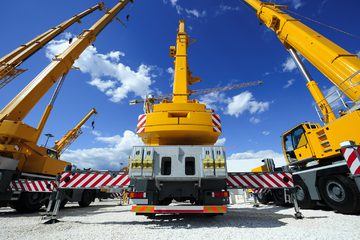
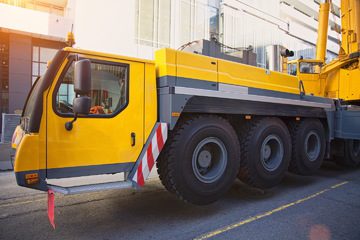
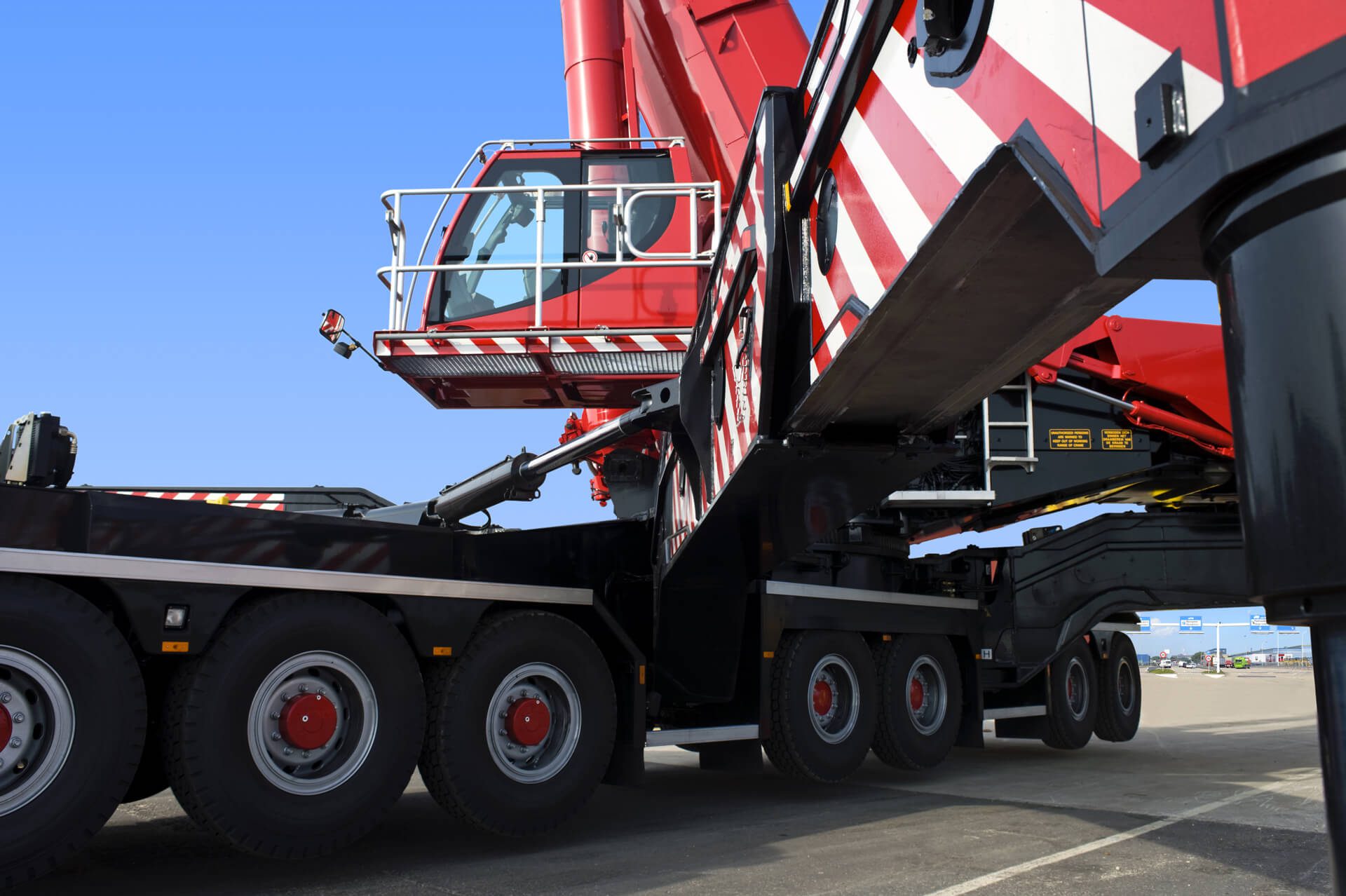
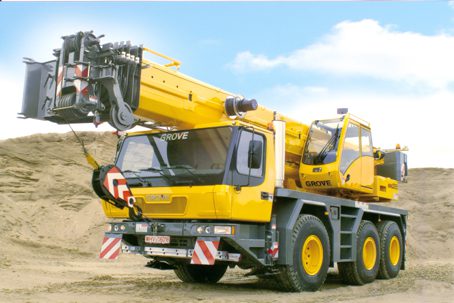
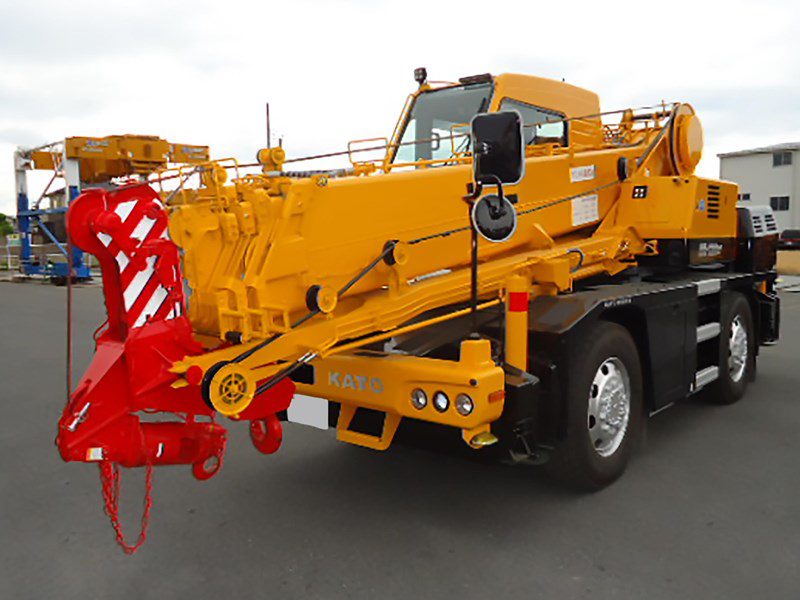
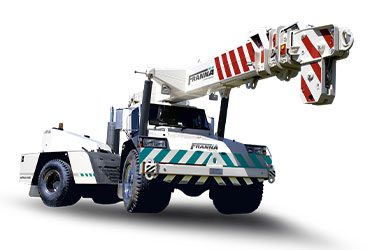
Among the most widely used lifting machines in Australia are mobile cranes, which are mounted on wheeled carriers and designed for rapid relocation between sites. Their flexibility makes them indispensable for infrastructure projects that unfold across large geographic areas.
Highway construction, rail expansions and bridge works frequently rely on mobile crane hire because these machines can be transported quickly and set up with minimal site preparation. Their telescopic booms allow operators to lift heavy materials such as precast beams, bridge sections or mechanical equipment without the need for permanent installation.
In infrastructure projects across Brisbane and Perth, mobile cranes often operate alongside earthmoving equipment, enabling contractors to assemble components efficiently as construction progresses. This adaptability is particularly valuable for transport projects, where work zones shift frequently along road or rail alignments.
Because mobile cranes can be redeployed quickly, they also support maintenance operations and emergency infrastructure repairs, reinforcing their role as a flexible backbone of Australia’s construction ecosystem.
Tower Cranes and the Vertical City
While mobile cranes dominate horizontal infrastructure projects, the growth of high-rise buildings has elevated the importance of tower cranes. These tall, fixed structures are designed to operate for extended periods on a single site, lifting materials across wide areas and to significant heights.
The use of tower crane hire has become synonymous with urban residential and commercial construction. In the high-density districts of Sydney and Melbourne, a single development may require multiple cranes working simultaneously as buildings rise floor by floor.
Tower cranes provide several advantages in these environments. Their height and long horizontal jibs allow materials to be delivered directly to precise locations on a building site, reducing the need for ground-level transport. This efficiency is essential where site access is limited and delivery schedules must align with urban traffic restrictions.
Because they remain installed throughout much of the building process, tower cranes also serve as the logistical centre of large projects. From concrete pours to façade installation, the movement of materials often revolves around their lifting schedules.
Luffing Cranes in Constrained Urban Spaces
In the tightest city environments, a more specialised machine often takes precedence: the luffing crane. Distinguished by its angled boom that can raise and lower vertically, the luffing crane is designed specifically for congested construction zones.
The adoption of luffing crane hire has increased significantly in dense districts where buildings stand close together. Unlike traditional tower cranes with wide horizontal jibs, luffing cranes can adjust their working radius, allowing operators to avoid neighbouring structures and reduce airspace conflicts.
This capability is particularly important in city centres where multiple developments may operate simultaneously. In such environments, cranes from different projects must coordinate movement carefully to prevent overlap.
As Australian cities continue to pursue higher-density development, luffing cranes are expected to remain a vital tool for navigating the complex geometry of modern urban construction.
Safety and Regulatory Oversight
The complexity of crane operations has led to stringent safety standards across Australia. Oversight is guided by national frameworks developed by organisations such as Safe Work Australia, which coordinates workplace health and safety policy across states and territories.
Construction firms and crane operators must comply with regulations under the Work Health and Safety Act 2011, which sets requirements for risk management, operator training and site supervision. Additional guidance is provided through technical standards such as AS 2550, covering the safe use and maintenance of lifting equipment.
These regulations require detailed planning before cranes are erected or deployed. Engineers must calculate load capacities, ground stability and operating zones, while site managers develop lifting plans that account for weather conditions, nearby structures and public safety.
Operator certification is another critical component. Crane operators undergo specialised training and licensing processes to ensure they can manage complex lifts under challenging conditions.
Technology Reshaping Crane Operations
Technological innovation is also transforming the crane sector. Modern cranes increasingly incorporate digital systems that enhance safety, efficiency and operational oversight.
Load monitoring technology now allows operators to track weight distribution in real time, reducing the risk of overloading. GPS positioning and remote diagnostics enable fleet managers to monitor equipment performance across multiple sites, while advanced wind sensors help operators respond quickly to changing weather conditions.
Some construction firms are also exploring semi-automated crane operations, where computer-assisted controls support precision lifting in high-risk environments. While fully autonomous cranes remain largely experimental, incremental improvements in digital control systems are steadily reshaping how cranes are used on Australian job sites.
These advancements are particularly relevant for large urban developments, where lifting operations must occur within tight safety margins.
A Quiet but Essential Industry
Despite their towering presence above city skylines, cranes often remain an overlooked component of the construction industry. Yet without them, many of Australia’s most significant infrastructure and development projects would be impossible to execute.
The system of crane hire services that supports projects in cities like Sydney reflects a broader trend in construction: increasing specialisation. Builders focus on design and project delivery, while crane providers supply the machinery, engineering expertise and trained operators required for complex lifting operations.
As Australia continues to expand its urban infrastructure and housing supply, cranes will remain central to the country’s development story. Their silhouettes above construction sites are more than symbols of growth. They represent the intricate coordination of engineering, logistics and regulation that allows modern cities to take shape, one carefully planned lift at a time.