Across Australia’s largest cities, cranes have become a familiar feature of the skyline. From major transport corridors to clusters of high-rise apartments and commercial towers, construction activity has accelerated as governments and developers respond to population growth, housing demand, and infrastructure modernization. Behind this transformation is a sophisticated ecosystem of equipment, planning, and engineering. Among the most critical components are the cranes that lift materials, steel structures, and prefabricated elements hundreds of meters above ground.
Within the construction sector, the strategic use of mobile crane hire, tower crane hire, and luffing crane hire has become central to how projects are delivered. Each type of crane serves a distinct purpose, shaped by Australia’s urban density, regulatory environment, and evolving building techniques. As cities such as Sydney, Melbourne, and Brisbane expand vertically, the selection of crane technology is increasingly a question not only of engineering capability but also of safety, logistics, and urban planning.
The Rise of Vertical Construction in Australia
Australia’s construction landscape has shifted dramatically over the past two decades. Rapid urbanization and limited land availability in city centers have pushed developers toward taller residential and mixed-use buildings. Infrastructure projects—such as metro rail expansions, highway upgrades, and renewable energy installations—have also grown in scale and complexity.
This shift has placed greater emphasis on lifting solutions capable of operating efficiently in constrained environments. Tower cranes have long been synonymous with high-rise construction, while mobile cranes provide the flexibility needed for infrastructure works and large-scale assembly tasks. Yet in recent years, luffing crane hire has emerged as an especially important tool in densely built areas where space and air rights are limited.
Understanding the Role of Luffing Cranes
A luffing crane differs from conventional tower cranes primarily in the way its jib moves. Instead of swinging horizontally with a fixed angle, the jib can raise and lower—“luff”—allowing operators to adjust the working radius without extending far beyond the site boundary.
This capability has become increasingly valuable in Australia’s crowded city centers. High-rise projects in districts such as Sydney’s central business district or Melbourne’s inner suburbs often sit close to neighboring buildings, transport corridors, or heritage sites. In these conditions, traditional tower cranes may risk oversailing adjacent properties or airspace.
Luffing crane hire offers a solution by enabling vertical lifting with a smaller operational footprint. Contractors can move loads precisely within the project envelope while minimizing the need to swing over nearby structures. The result is a crane configuration well suited to narrow construction sites and tall buildings, where careful control of space is essential.
Industry engineers note that the growth of prefabricated construction methods has further increased demand for such equipment. Prefabricated façade panels, modular components, and heavy mechanical systems must often be lifted in confined areas. A luffing crane’s adjustable jib angle provides the control necessary to place these elements safely and efficiently.
Tower Cranes and the Architecture of Height
Despite the advantages of luffing designs, tower cranes remain a dominant presence on Australia’s construction sites. Their long horizontal jibs and high lifting capacity make them particularly effective for large residential towers, office complexes, and mixed-use developments.
Tower crane hire typically supports projects where there is sufficient site space to allow the crane’s jib to rotate freely. In many cases, multiple tower cranes operate simultaneously on a single development, coordinating lifts across various sections of the structure.
For builders, tower cranes provide several operational advantages. They can remain in place for months or years during the course of a project, enabling continuous vertical movement of materials such as steel beams, concrete formwork, and curtain wall panels. Their height can also be increased incrementally as a building rises, ensuring that the lifting system grows alongside the structure itself.
However, as urban plots become smaller and regulatory oversight tightens, the limitations of traditional tower cranes—particularly in terms of oversailing neighboring properties—have become more apparent. This has contributed to the rising importance of luffing crane hire for projects located in tightly constrained city environments.
Mobile Cranes and Infrastructure Delivery
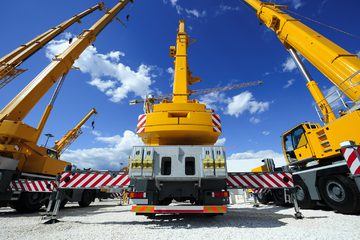
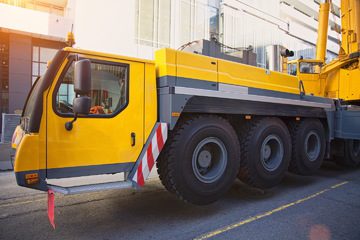
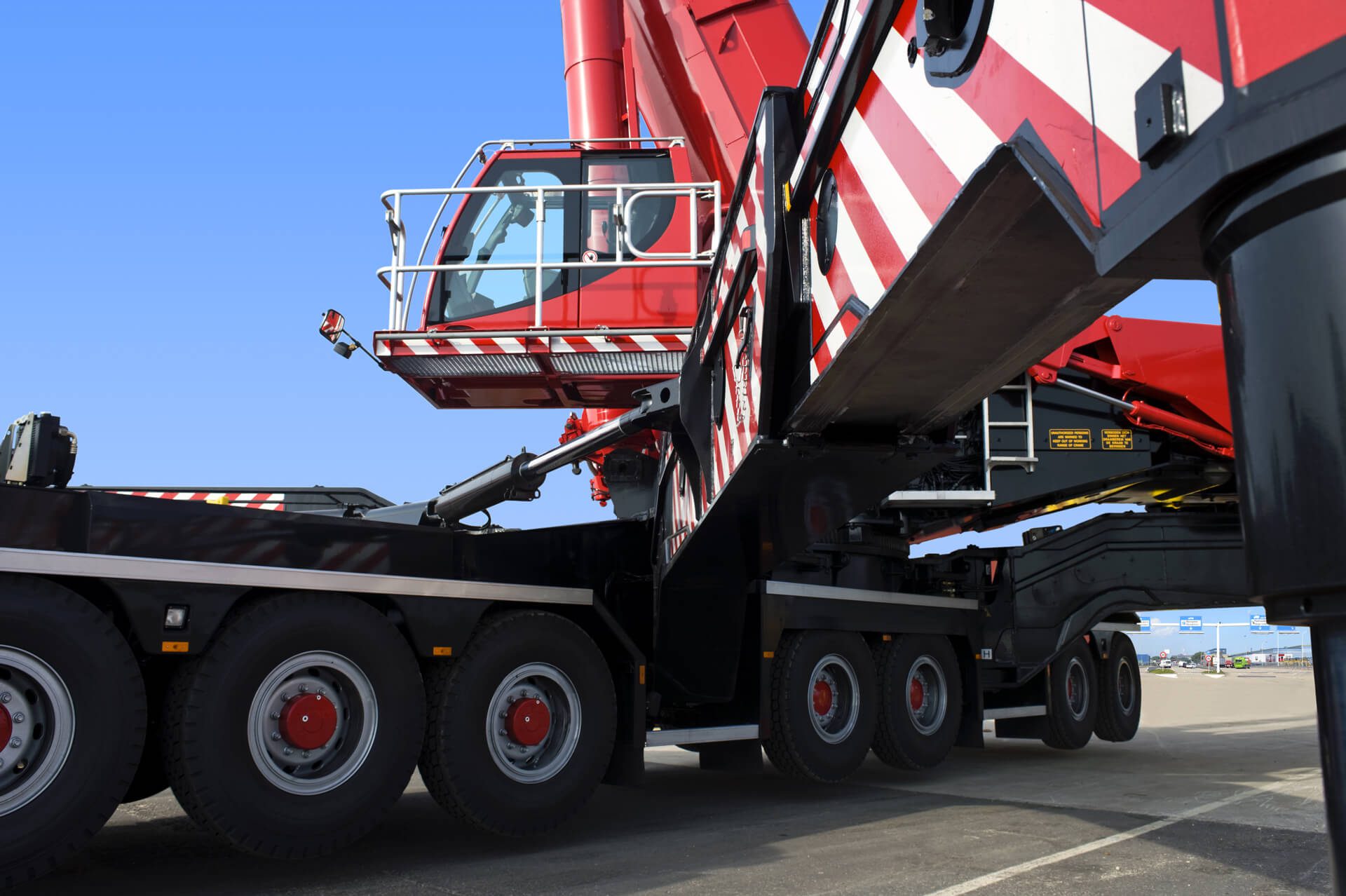
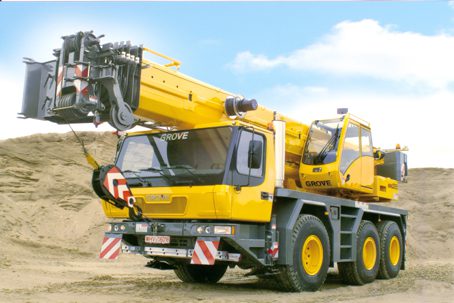
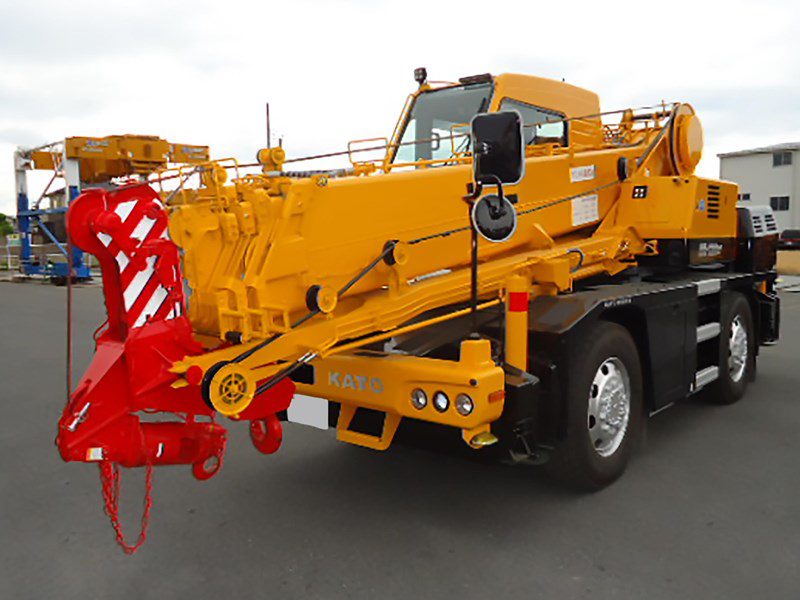
While tower and luffing cranes dominate high-rise construction, mobile crane hire plays a different yet equally vital role across Australia’s infrastructure sector. Mounted on trucks or specialized carriers, mobile cranes are designed for rapid deployment and versatility.
Infrastructure projects often require lifting equipment that can move between multiple locations along a corridor or site. Bridge construction, rail upgrades, and energy installations frequently involve heavy components that must be assembled in stages across wide areas. Mobile cranes provide the mobility and lifting power needed for such operations.
In Australia’s expanding renewable energy sector, for example, mobile cranes are essential for installing wind turbine towers and large mechanical assemblies. Similarly, major road projects rely on mobile cranes to position precast concrete beams and structural elements.
Because these cranes can be transported quickly and set up within hours, they are well suited to short-term tasks and complex logistical environments where fixed cranes would be impractical.
Safety and Regulation in the Australian Context
Australia’s construction industry operates under a rigorous regulatory framework designed to protect workers and the public. Crane operations fall under the oversight of state-based safety authorities and national guidelines administered through organizations such as Safe Work Australia.
Strict licensing requirements govern crane operators, riggers, and doggers—the personnel responsible for directing loads. Equipment must meet detailed engineering standards, and regular inspections are mandated to ensure structural integrity and operational safety.
In densely populated urban areas, additional considerations apply. Authorities often impose restrictions on crane height, working radius, and operating hours to minimize risks to surrounding buildings and pedestrians. When cranes oversail neighboring properties or public spaces, developers must typically obtain airspace approvals and coordinate with adjacent landowners.
These regulatory pressures have reinforced the appeal of equipment configurations that limit overswing and maximize control. In this context, the increasing use of luffing crane hire reflects not only engineering preference but also compliance with evolving safety expectations.
Technology and the Future of Crane Operations
Technological innovation is also reshaping how cranes are used on Australian construction sites. Modern crane systems incorporate advanced sensors, digital monitoring tools, and automation features designed to enhance both productivity and safety.
Anti-collision systems are now common on sites where multiple cranes operate simultaneously. These systems use real-time data to prevent cranes from entering each other’s working zones, reducing the risk of accidents in crowded project environments.
Remote monitoring platforms allow project managers to track crane performance, lifting loads, and maintenance status from centralized control rooms. Data analytics can identify patterns in equipment usage, enabling more efficient scheduling and predictive maintenance.
Some manufacturers are also exploring semi-autonomous crane operation, where software assists with load positioning and stability control. While fully automated lifting remains a distant prospect, such technologies may gradually reshape the role of crane operators and site engineers.
In high-rise construction, digital planning tools have also become increasingly important. Building information modeling allows engineers to simulate crane placement, lifting paths, and load sequences before work begins. This level of planning is particularly valuable when using luffing cranes in tight urban spaces, where even minor miscalculations could disrupt neighboring properties or airspace.
An Essential Infrastructure Backbone
For the broader public, cranes may appear simply as markers of economic growth or symbols of urban change. Yet within the construction industry, they represent a complex intersection of engineering design, regulatory oversight, and logistical coordination.
Mobile crane hire supports the movement and assembly of infrastructure across vast project sites. tower crane hire enables the construction of the high-rise buildings that define modern Australian skylines. Luffing crane hire, increasingly prominent in dense city centers, offers the precision and spatial control needed for vertical construction in constrained environments.
Together, these technologies form an essential backbone of Australia’s construction ecosystem. As cities continue to expand and infrastructure projects grow in scale, the strategic deployment of cranes—matched carefully to each project’s demands—will remain central to how the nation builds its future.