Across Australia’s major cities, cranes have become a familiar feature of the skyline. Their presence signals more than construction activity; it reflects the scale of transformation underway in urban housing, infrastructure, and commercial development. Behind these towering machines lies a specialized sector that quietly sustains the pace of building: city crane hire.
In a country experiencing sustained population growth and ambitious infrastructure investment, cranes have become central to project planning and execution. The strategic use of mobile crane hire, tower crane hire, and luffing crane hire allows construction firms to adapt to increasingly complex building environments. From transport megaprojects to high-rise residential towers and dense inner-city developments, cranes are now among the most critical tools shaping Australia’s built environment.
The Expanding Role of City Crane Hire in Urban Development
Australia’s urban growth has accelerated over the past decade as cities respond to rising housing demand and large-scale public infrastructure programs. Major metropolitan areas such as Sydney, Melbourne, and Brisbane have experienced sustained construction activity, driven by apartment development, transport expansion, and mixed-use precincts.
Within this environment, city crane hire has evolved into a specialized logistical service rather than a simple equipment rental arrangement. Developers and contractors must carefully coordinate crane placement, lifting capacity, and operational schedules to ensure materials move efficiently across complex worksites.
Urban construction sites often face constraints that did not exist in earlier eras of development. Limited space, surrounding buildings, airspace restrictions, and high pedestrian activity all require precise planning. As a result, crane selection has become an engineering decision as much as a logistical one.
Different crane types offer distinct advantages depending on the nature of the project. Mobile cranes provide flexibility across infrastructure developments, tower cranes support high-rise construction, and luffing cranes allow work to continue in tightly packed city districts.
Tower Cranes and the Rise of the Vertical City
Among the most visible symbols of Australia’s construction sector are tower cranes. These towering structures dominate the skylines of expanding metropolitan centers, lifting heavy materials hundreds of meters above ground level.
The demand for tower crane hire has grown in tandem with the rise of high-density residential and commercial buildings. In urban centers where land availability is limited, vertical development has become the primary solution to housing and commercial space shortages.
Tower cranes are particularly suited to these projects because of their height and reach. Anchored to a building’s core or mounted on reinforced bases, they provide consistent lifting capacity throughout the duration of a project. Their rotating jibs allow operators to transport structural steel, prefabricated panels, concrete buckets, and mechanical equipment across wide construction footprints.
In high-rise construction, cranes function as the logistical backbone of the site. Without them, the steady movement of materials required for modern building techniques would be nearly impossible. Their ability to remain in place for months—or even years—enables contractors to coordinate construction phases with precision.
In cities undergoing rapid vertical expansion, the concentration of tower cranes can be remarkable. At times, dozens of cranes may operate simultaneously across a single district, each serving a different stage of development.
Luffing Cranes in Dense Urban Environments
As Australian cities become denser, traditional tower cranes are not always the most practical option. Construction sites in crowded urban blocks frequently face limited swing space, where the horizontal arm of a standard crane might interfere with neighboring buildings or other cranes.
In such cases, luffing crane hire offers a practical alternative. Luffing cranes feature a jib that can pivot upward and downward rather than swinging in a wide horizontal arc. This design significantly reduces the amount of airspace required for lifting operations.
The advantage becomes particularly clear in districts where multiple towers are being constructed simultaneously. By raising or lowering the jib, operators can carefully maneuver loads without crossing into adjacent construction zones or surrounding structures.
As redevelopment projects intensify in central business districts, demand for luffing cranes has steadily increased. Their design allows construction to proceed in environments where space is restricted but building activity remains intense. For developers navigating crowded city landscapes, these cranes provide an essential tool for maintaining progress without compromising safety.
Mobile Cranes and Infrastructure Construction
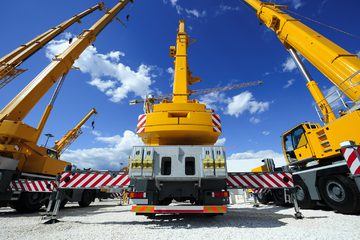
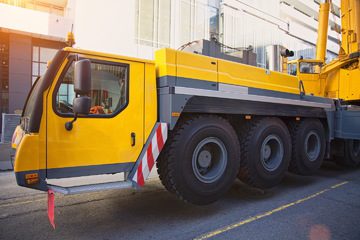
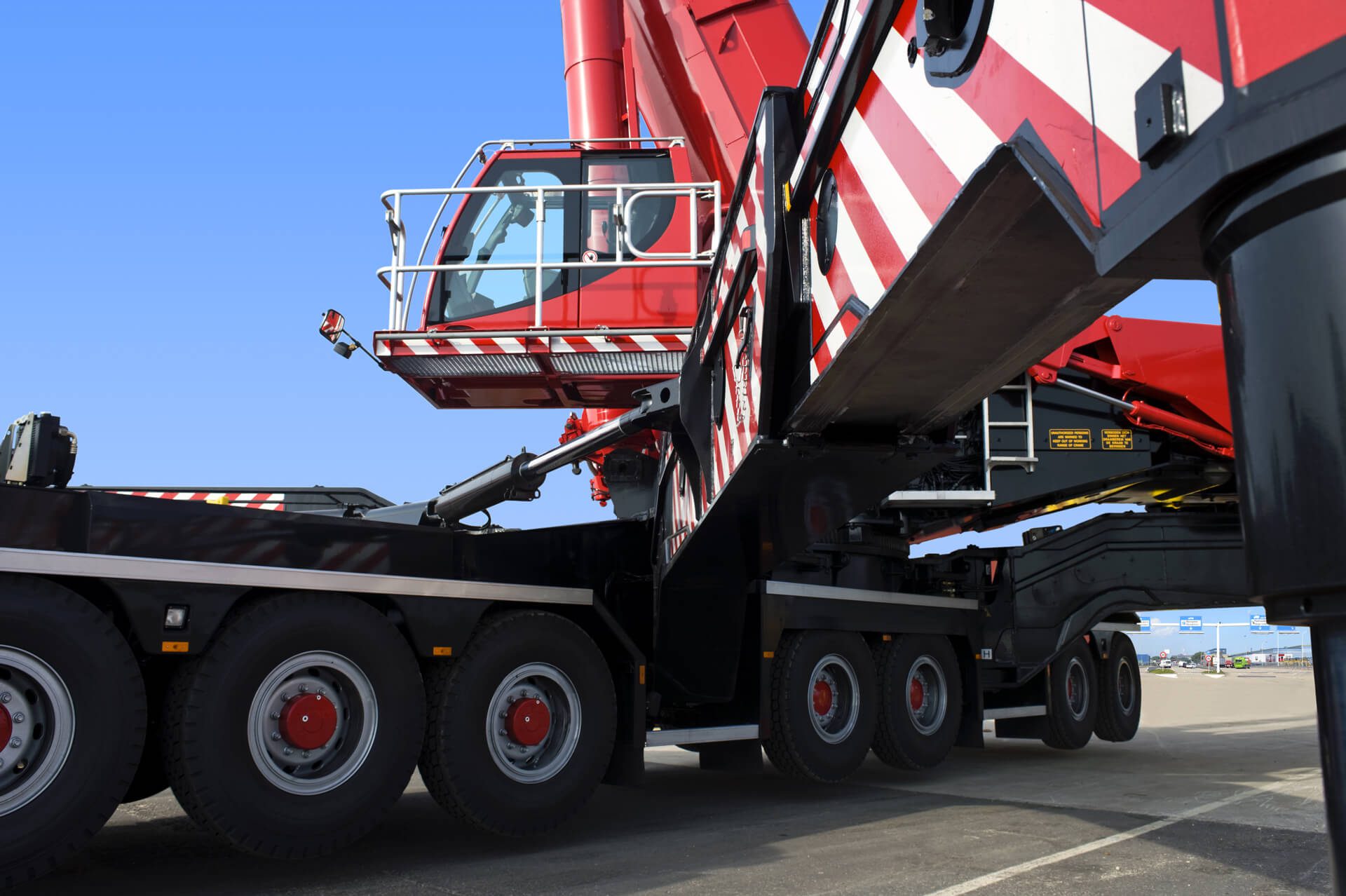
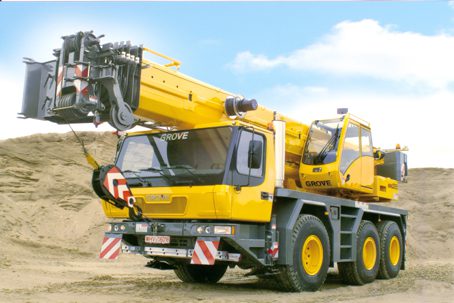
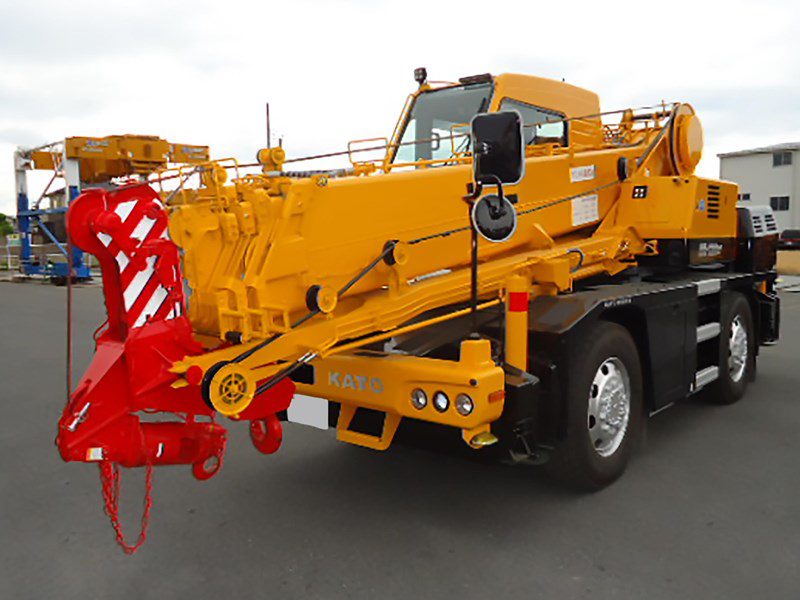
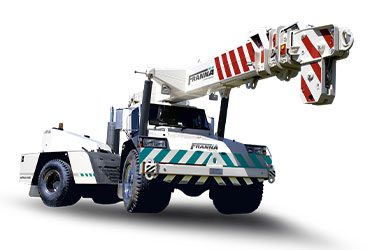
While tower and luffing cranes dominate urban skylines, mobile crane hire remains indispensable across Australia’s infrastructure sector. These cranes are mounted on wheeled or tracked vehicles, allowing them to move easily between locations.
Infrastructure projects such as highway upgrades, bridge installations, and rail expansions often unfold across large geographic areas. In these environments, the mobility of a crane becomes a crucial advantage. Contractors can reposition lifting equipment quickly as construction phases shift along a project corridor.
Mobile cranes are capable of handling extremely heavy loads, making them suitable for lifting bridge girders, installing large concrete segments, and placing mechanical equipment in industrial facilities. Their rapid setup time also makes them valuable for short-duration lifting tasks that do not justify the installation of a tower crane.
Across Australia’s growing network of infrastructure projects, mobile cranes help maintain efficiency and flexibility. Whether lifting prefabricated structural components or assisting with heavy machinery placement, their versatility supports a wide range of engineering operations.
Safety Standards and Regulatory Oversight
Given the scale and complexity of crane operations, safety remains a central concern across Australia’s construction industry. Strict regulatory frameworks govern how cranes are installed, operated, and maintained.
National guidance from Safe Work Australia establishes consistent safety principles that apply across the country. These guidelines outline requirements for equipment inspection, load calculations, operator licensing, and risk assessment.
Each state and territory also enforces its own workplace safety legislation, ensuring that crane operations meet local regulatory standards. Construction firms must prepare detailed lift plans and engineering assessments before cranes are installed on site. These documents analyze potential hazards such as wind conditions, load limits, and proximity to nearby structures.
Operator training is another critical component of crane safety. Licensed operators undergo extensive certification programs and must demonstrate competency in both equipment operation and safety procedures. Continuous monitoring of crane performance, combined with rigorous maintenance schedules, helps ensure equipment remains reliable throughout a project’s lifespan.
Technological Innovation in Lifting Equipment
Technological advancements are steadily transforming crane operations in Australia. Modern cranes now incorporate digital monitoring systems capable of tracking load weight, wind speed, and structural stress in real time.
These systems help operators maintain safe operating conditions while maximizing efficiency. Sensors embedded within crane components provide instant feedback on performance, allowing site managers to identify potential issues before they escalate.
Another emerging trend involves the integration of crane planning with building information modeling. By incorporating cranes into digital construction models, engineers can simulate lifting paths and site logistics before equipment arrives on site. This approach improves coordination and reduces the risk of conflicts between cranes, buildings, and surrounding infrastructure.
Remote monitoring technology is also expanding. Some cranes can now transmit operational data directly to project managers and maintenance teams, allowing them to track equipment performance from off-site locations. As digital construction methods evolve, cranes are becoming increasingly connected elements of the broader project ecosystem.
Cranes and the Future of Australia’s Built Environment
Australia’s construction industry shows little sign of slowing. Population growth, housing demand, and large-scale infrastructure initiatives continue to drive new projects across metropolitan and regional areas.
Within this evolving landscape, city crane hire has become a critical component of construction strategy. The availability of mobile crane hire, tower crane hire, and luffing crane hire allows contractors to tailor lifting solutions to the specific challenges of each project.
Tower cranes will likely remain central to the development of high-rise residential and commercial buildings, particularly in rapidly growing city centers. Luffing cranes will continue to play an important role in dense urban districts where space constraints require more adaptable lifting solutions. Meanwhile, mobile cranes will remain indispensable in the infrastructure sector, supporting projects that extend across vast distances.
Together, these technologies form the mechanical backbone of modern construction. As Australian cities expand upward and outward, the cranes that shape their skylines will remain essential to the nation’s economic and urban development. Their silent movement above construction sites reflects the intricate coordination required to build the cities of tomorrow.