Across Australia’s expanding cities, construction cranes have become one of the most visible indicators of economic growth. From transport corridors and logistics hubs to the vertical apartment towers reshaping metropolitan skylines, cranes are integral to the nation’s building cycle. In recent years, the construction sector has increasingly relied on flexible equipment solutions rather than permanent ownership, making services such as mobile crane hire, tower crane hire, and luffing crane hire central to how projects are delivered.
This shift reflects the complexity of modern infrastructure and urban development. In major metropolitan areas like Sydney, cranes do far more than lift materials; they help coordinate the pace, logistics, and safety of large-scale projects that define Australia’s economic and urban future.
The Rise of Crane Hire in a Project-Based Economy
Australia’s construction sector is heavily project-driven. Infrastructure initiatives—from rail expansions to port upgrades—often involve highly specialized equipment that is required only for specific phases of development. As a result, many contractors prefer hiring cranes rather than maintaining large fleets themselves.
The crane hire model offers flexibility, allowing construction firms to scale equipment needs in response to project timelines. Mobile crane hire, for instance, is frequently used for short-term lifting operations where mobility and rapid deployment are essential. Tower crane hire, by contrast, supports longer-term construction efforts, particularly in vertical developments that can take years to complete.
For dense urban areas, specialized equipment such as luffing crane hire has become increasingly important. These cranes operate with a reduced swing radius, enabling construction teams to work safely between neighboring buildings or in tight inner-city sites.
Together, these services form a logistical backbone for Australia’s construction ecosystem, enabling developers and contractors to deploy the right equipment at the right stage of a project.
Tower Crane Hire and the Transformation of Western Sydney
Few regions illustrate this transformation more clearly than western districts of Sydney. Large-scale urban expansion—driven by population growth, housing demand, and infrastructure investment—has made tower crane hire western Sydney a critical component of the construction landscape.
Major residential and mixed-use developments across the region increasingly rely on tower cranes to handle the heavy lifting required in high-rise construction. These cranes can reach hundreds of meters into the air and support the movement of steel, concrete panels, and mechanical equipment across expansive building sites.
Western Sydney’s development corridor, influenced by large infrastructure projects such as the emerging Western Sydney International Airport, has accelerated the demand for vertical construction equipment. As new commercial zones, logistics centers, and residential precincts take shape, tower cranes have become an almost permanent fixture on the horizon.
In such environments, tower crane hire offers a practical solution. Rather than purchasing expensive equipment that might sit idle between projects, contractors can access cranes suited to specific building heights, lifting capacities, and site configurations.
Mobile Cranes and the Backbone of Infrastructure
While tower cranes dominate high-rise construction, mobile cranes remain essential to infrastructure and civil engineering projects across Australia.
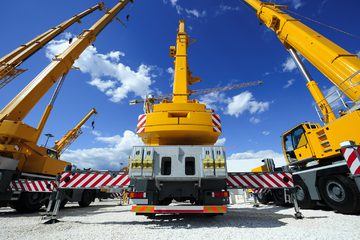
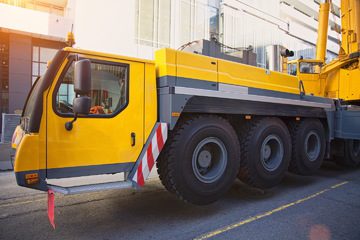
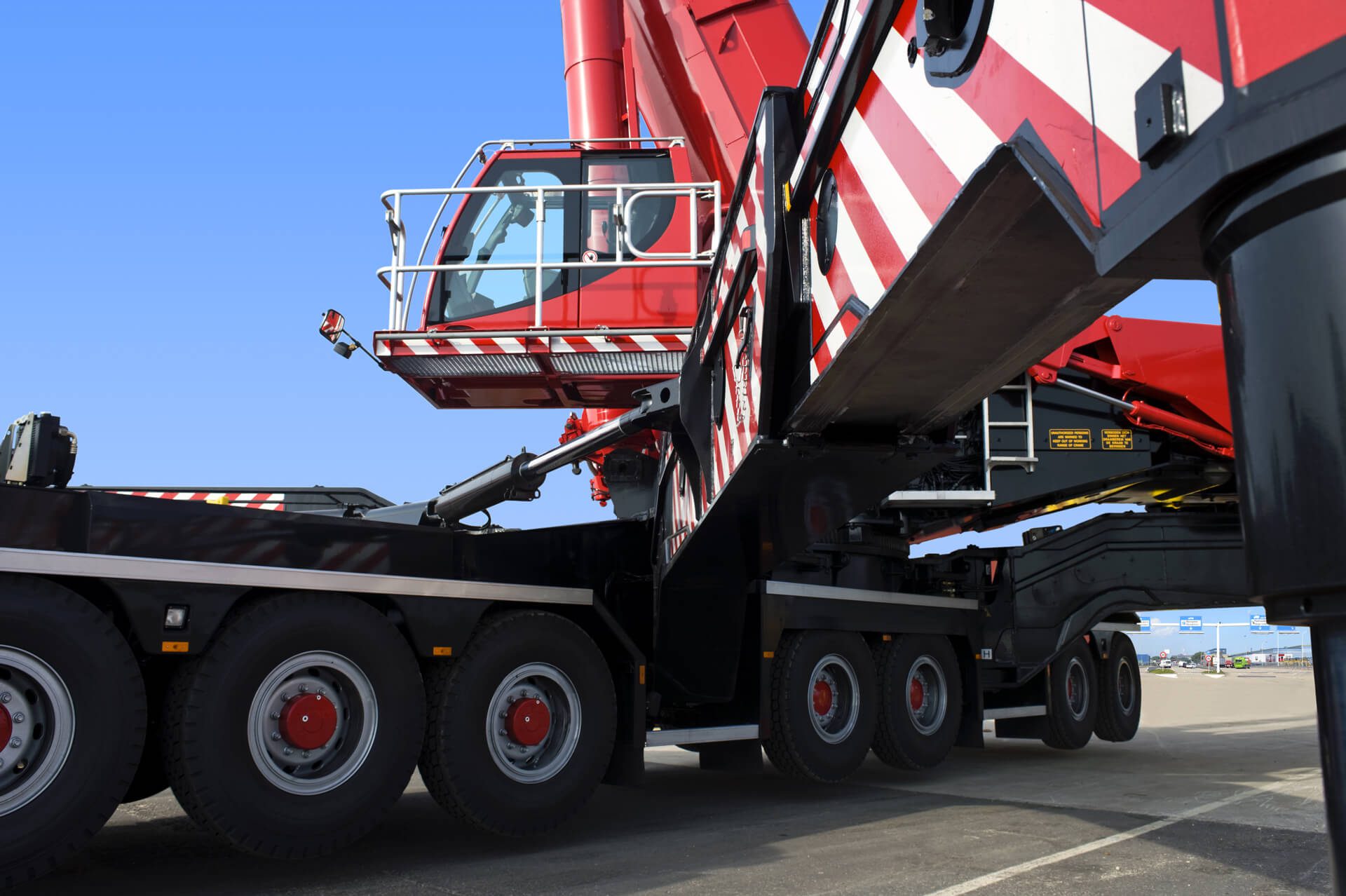
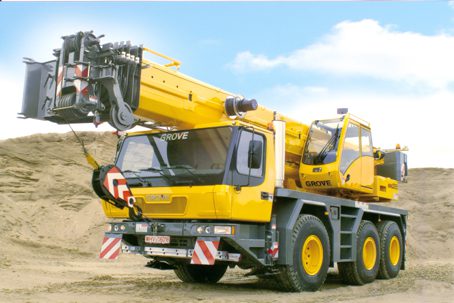
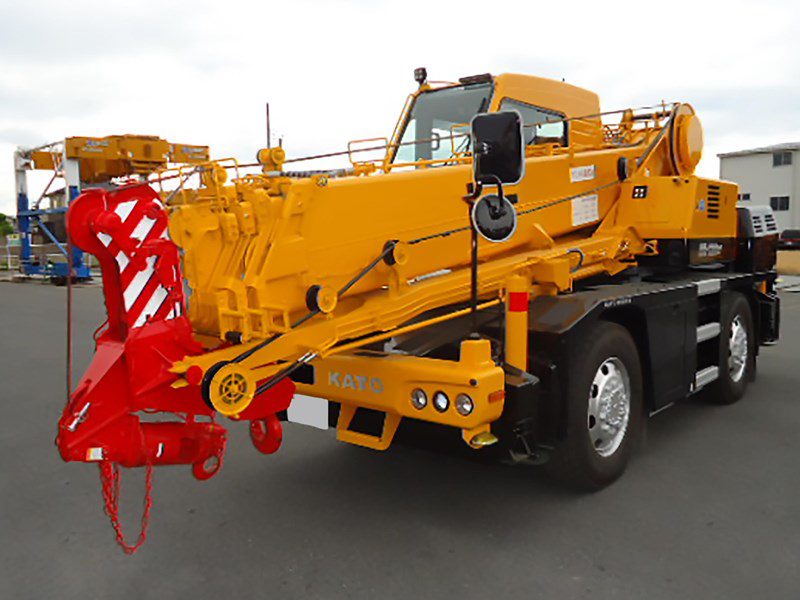
Mobile crane hire allows contractors to move heavy components quickly between sites or within large construction zones. These cranes are typically mounted on trucks or specialized carriers, enabling them to travel on public roads and arrive at project sites without complex assembly.
Across highway upgrades, wind farm installations, and port developments, mobile cranes provide lifting power where fixed cranes are impractical. Their versatility makes them particularly valuable in remote or regional areas, where infrastructure projects may span large geographic distances.
Australia’s investment in renewable energy infrastructure has further highlighted the role of mobile cranes. Wind turbine components, which can exceed 80 meters in blade length, require specialized lifting operations often coordinated through large mobile crane fleets.
In this way, mobile crane hire supports the logistical demands of projects that stretch far beyond city centers.
Luffing Cranes in Dense Urban Environments
As Australian cities grow upward rather than outward, developers face a unique challenge: building tall structures within increasingly confined urban spaces.
This is where luffing crane hire has become indispensable. Unlike traditional tower cranes, which rotate with a fixed horizontal jib, luffing cranes can raise and lower their jib angle. This motion reduces the swing radius and allows the crane to operate safely in close proximity to neighboring buildings.
Such flexibility is particularly valuable in dense urban districts where multiple construction projects operate simultaneously. A luffing crane can lift heavy materials while avoiding potential conflicts with adjacent structures, airspace restrictions, or nearby crane operations.
These cranes are commonly used in high-rise residential towers, commercial office developments, and complex mixed-use projects. Their adoption reflects a broader trend in Australian construction toward maximizing limited urban land.
Safety and Regulation in Australia’s Crane Industry
Operating large lifting equipment in populated areas requires rigorous safety standards. Australia maintains one of the most comprehensive regulatory frameworks in the world for crane operations.
National guidelines, overseen by organizations such as Safe Work Australia, establish strict requirements for operator licensing, equipment inspection, and site safety planning. Crane operators must undergo specialized training, while contractors are required to conduct detailed lift studies and risk assessments.
In addition, each Australian state enforces its own workplace safety regulations. These frameworks ensure that crane hire services—from mobile crane hire to tower crane hire—operate within clearly defined safety protocols.
Technological monitoring systems are also becoming standard. Modern cranes are equipped with load moment indicators, wind sensors, and digital safety systems that automatically prevent dangerous lifting conditions.
Such safeguards are particularly important in high-density urban environments, where construction activity takes place close to residential buildings, transport corridors, and public spaces.
Technology Reshaping Crane Operations
Digital technology is transforming the crane industry in ways that extend far beyond mechanical lifting.
Telematics systems now allow crane operators and project managers to monitor equipment performance in real time. Data on load weight, operational efficiency, and maintenance requirements can be transmitted directly from cranes to centralized project management platforms.
For tower crane hire providers, this information helps optimize fleet utilization and ensure that cranes remain operational throughout complex construction schedules.
Automation is also beginning to influence crane operations. Some advanced tower cranes now include remote-control capabilities and semi-autonomous positioning systems that improve precision during lifting operations.
Building information modeling, widely used in modern construction planning, is another area where cranes play a role. By integrating crane placement and lifting simulations into digital building models, project teams can anticipate logistical challenges before construction begins.
A Symbol of Australia’s Urban Future
For decades, cranes have served as a visual barometer of economic activity. In Australia today, they represent something more: the intricate coordination required to build modern cities.
The interplay between mobile crane hire, tower crane hire, and luffing crane hire reflects the diversity of construction challenges facing the country. Infrastructure projects require mobility and heavy lifting capacity. High-rise developments demand height and stability. Dense urban environments call for precision and compact movement.
In rapidly developing regions such as western Sydney, the presence of cranes tells a broader story about population growth, urban density, and long-term infrastructure investment.
As Australia continues to expand its transportation networks, housing supply, and commercial districts, crane hire services will remain central to the construction process. The machines towering above building sites may be temporary fixtures, but the structures they help create will shape the nation’s urban landscape for generations.