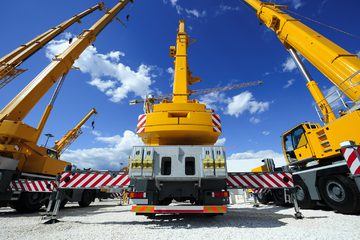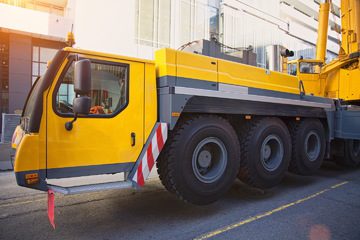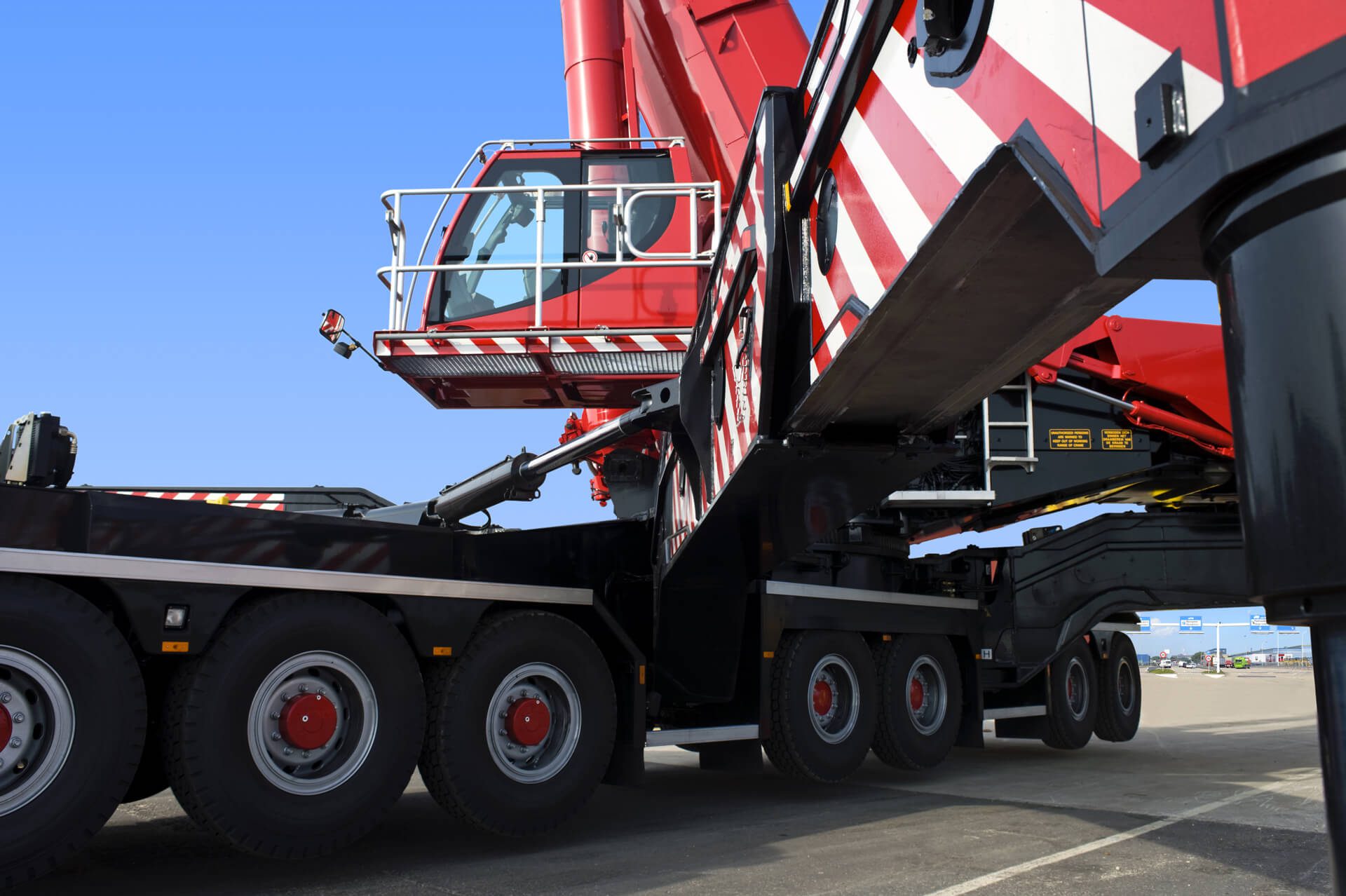
Across Australia’s construction landscape, cranes have become quiet indicators of economic momentum. Whether positioned above high-rise towers or operating along highways and rail corridors, lifting equipment plays an essential role in enabling the country’s urban expansion and infrastructure renewal. Behind these machines lies a complex support industry—crane hire services—that provides specialised equipment and expertise for projects ranging from suburban developments to large-scale transport systems.
In regions beyond major city centres, this logistical network is especially important. In areas such as the Southern Highlands, where residential growth, infrastructure upgrades, and commercial construction increasingly intersect, mobile crane hire southern highlands has become a practical solution for contractors needing flexible lifting capability. Combined with tower crane hire and luffing crane hire services in metropolitan centres like Sydney and Melbourne, these machines form the mechanical backbone of modern construction across Australia.
Understanding how different crane types are deployed—and how they are regulated and evolving technologically—offers insight into the infrastructure systems shaping the country’s built environment.
A Flexible Tool for Regional and Infrastructure Projects
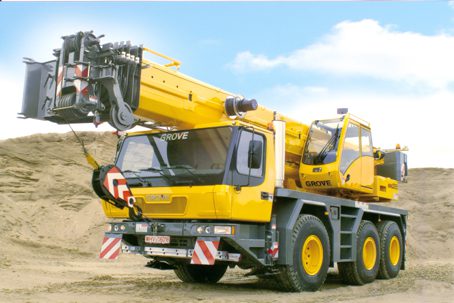
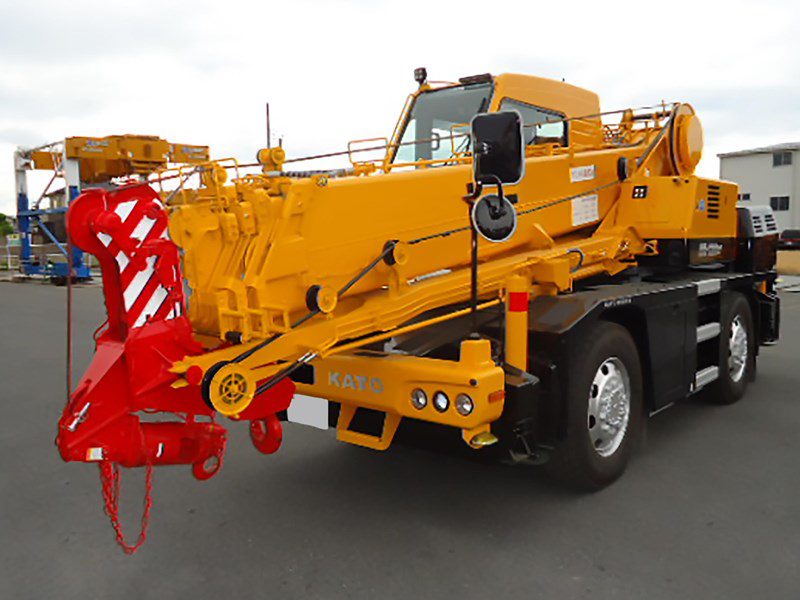
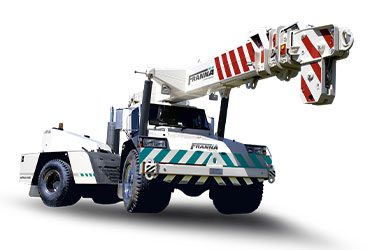
Mobile cranes represent one of the most versatile pieces of heavy equipment used in construction today. Mounted on truck or crawler bases, they can be transported rapidly between sites and set up relatively quickly compared with fixed cranes. This mobility makes them particularly valuable in regional areas where projects are dispersed and lifting requirements vary.
In the Southern Highlands, a region experiencing steady population growth and infrastructure investment, mobile crane hire southern highlands services are often used for short-term but critical lifting operations. These might involve installing prefabricated bridge components, positioning structural steel, or lifting mechanical systems onto commercial buildings.
Such flexibility also supports the broader shift toward prefabrication within the construction industry. Increasingly, building elements are manufactured off-site and transported to construction sites for installation. Mobile cranes are typically responsible for placing these large components with precision, helping reduce construction time and on-site labour demands.
For infrastructure contractors working along road corridors or rail lines, mobile crane hire offers another advantage: mobility. Equipment can move alongside the project as work progresses, enabling lifting operations across large geographical areas without the need for permanent crane installations.
Tower Cranes and the Vertical Expansion of Cities
While mobile cranes dominate infrastructure and regional work, tower cranes have become synonymous with Australia’s urban skylines. From apartment towers to office complexes, these machines provide the lifting capacity and height necessary to support large-scale vertical construction.
Tower crane hire services are widely used in central districts of cities such as Sydney, Melbourne, and Brisbane, where high-density development has become a defining feature of urban growth. Unlike mobile cranes, which are typically present for specific lifting tasks, tower cranes remain on-site throughout much of a building’s construction lifecycle.
Installed on large concrete bases or anchored directly to the building structure, tower cranes provide consistent lifting capacity as construction progresses upward. As a building rises, the crane itself can be raised in stages through a process known as “climbing,” allowing it to maintain operational reach at increasing heights.
The presence of tower cranes above city skylines often reflects broader economic conditions. Periods of intense development—driven by population growth, housing demand, or government infrastructure programs—are frequently marked by a visible increase in tower crane activity.
Luffing Cranes and the Challenge of Dense Urban Development
Urban construction, however, is rarely straightforward. In crowded city environments where multiple projects occur simultaneously, cranes must operate within tightly controlled airspace.
Luffing cranes have emerged as a specialised solution to this challenge. Unlike traditional tower cranes, which extend their jibs horizontally, luffing cranes feature a boom that can pivot vertically. This design allows the crane’s working radius to be adjusted dynamically, reducing the risk of interference with neighbouring structures or adjacent cranes.
Luffing crane hire services are therefore increasingly used in dense districts of cities such as Sydney and Melbourne, where multiple construction sites may exist within a single city block. By controlling the arc of movement above the site, these cranes allow developers to meet strict planning regulations governing airspace and safety.
Their adaptability has made them especially useful for projects built close to existing buildings, including hospitals, commercial complexes, and transport-oriented developments.
Safety Standards in a High-Risk Industry
Operating cranes involves substantial risk, given the weight of materials lifted and the heights involved. For that reason, Australia maintains a comprehensive regulatory framework governing crane operation, installation, and maintenance.
National workplace safety guidance is coordinated by Safe Work Australia, while individual states implement specific regulations through local safety agencies. These rules cover everything from operator licensing and equipment inspection to site planning and hazard management.
Before cranes are installed on construction sites, detailed engineering assessments are typically required. These evaluations examine factors such as ground stability, wind conditions, structural loading, and proximity to surrounding infrastructure. Lift plans must be prepared for complex operations, outlining the equipment, personnel, and safety procedures involved.
Operator training is another critical component of safety oversight. Crane operators must obtain specialised high-risk work licences and undergo ongoing training to remain compliant with industry standards.
Weather conditions also play an important role in operational safety. High winds can affect crane stability, particularly for tower and luffing cranes operating at significant heights. Modern cranes are therefore equipped with wind sensors and monitoring systems that alert operators when conditions approach safety thresholds.
Technological Innovation in Lifting Equipment
Technological advances are gradually transforming the crane industry, introducing new levels of precision, safety, and efficiency.
Digital monitoring systems now allow crane operators and site managers to track real-time performance data, including load weight, boom angle, and mechanical stress. These systems help prevent overload situations and enable predictive maintenance by identifying potential equipment issues before they lead to failures.
Anti-collision technology represents another major development. On sites where multiple cranes operate simultaneously, sensors and computer systems can monitor crane movements and automatically restrict certain actions to prevent interference between machines.
Automation is also beginning to influence crane operations. While fully autonomous cranes remain largely experimental, semi-automated systems are already assisting operators by stabilising loads, controlling movement speeds, and improving lifting accuracy.
Environmental considerations are also shaping equipment design. Some manufacturers are developing hybrid or electrically assisted crane systems to reduce emissions and noise, particularly in densely populated urban environments.
A Quiet Enabler of Construction
Although cranes are among the most visible elements of construction sites, the industry supporting them often operates out of public view. Crane hire providers coordinate equipment logistics, engineering assessments, transportation, and maintenance across dozens of projects simultaneously.
In regions such as the Southern Highlands, mobile crane hire southern highlands services allow local contractors to access specialised equipment without maintaining expensive fleets of their own. This arrangement supports smaller construction firms and enables projects to proceed even in areas where large-scale equipment ownership might not be economically practical.
At the same time, tower crane hire and luffing crane hire services continue to underpin major urban developments in Australia’s largest cities, enabling construction to proceed vertically and within increasingly constrained urban environments.
Building the Infrastructure of Tomorrow
Australia’s built environment is evolving rapidly, shaped by demographic change, infrastructure investment, and urban redevelopment. Roads, rail lines, hospitals, and housing projects are expanding in response to population growth and shifting economic priorities.
Behind these developments stands an essential but often overlooked component of the construction ecosystem: crane hire services. From mobile cranes operating along regional infrastructure corridors to tower and luffing cranes rising above dense city skylines, these machines perform the heavy lifting that makes modern construction possible.