Across Australia’s largest cities, cranes have become one of the most visible indicators of economic activity. Towering above residential towers, transport projects, and industrial sites, these machines signal the steady expansion of urban infrastructure. Behind the skyline, however, lies a complex ecosystem of equipment providers, engineers, regulators, and construction firms that enable large-scale development to proceed safely and efficiently.
Within that ecosystem, services such as mobile crane hire, tower crane hire, and luffing crane hire have become central to the country’s construction industry. In rapidly expanding metropolitan regions, particularly around Sydney, crane hire services help bridge the gap between the heavy lifting requirements of modern projects and the operational realities of contractors who rarely maintain large crane fleets themselves.
As Australian cities continue to densify, the strategic role of specialised lifting equipment is becoming increasingly important. From major transport corridors to high-rise apartment towers, cranes are integral to the pace and feasibility of modern construction.
The Growing Importance of Crane Hire in Australia’s Construction Sector
Australia’s construction industry is closely tied to the nation’s broader economic and demographic trends. Population growth, infrastructure investment, and urban housing demand have collectively driven a surge in construction activity over the past decade. As a result, the crane hire sector has evolved into a critical support system for both public and private development.
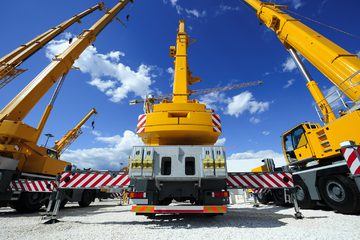
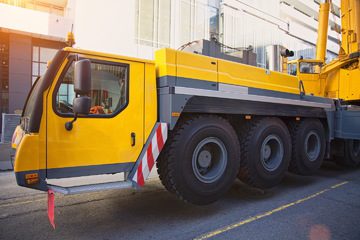
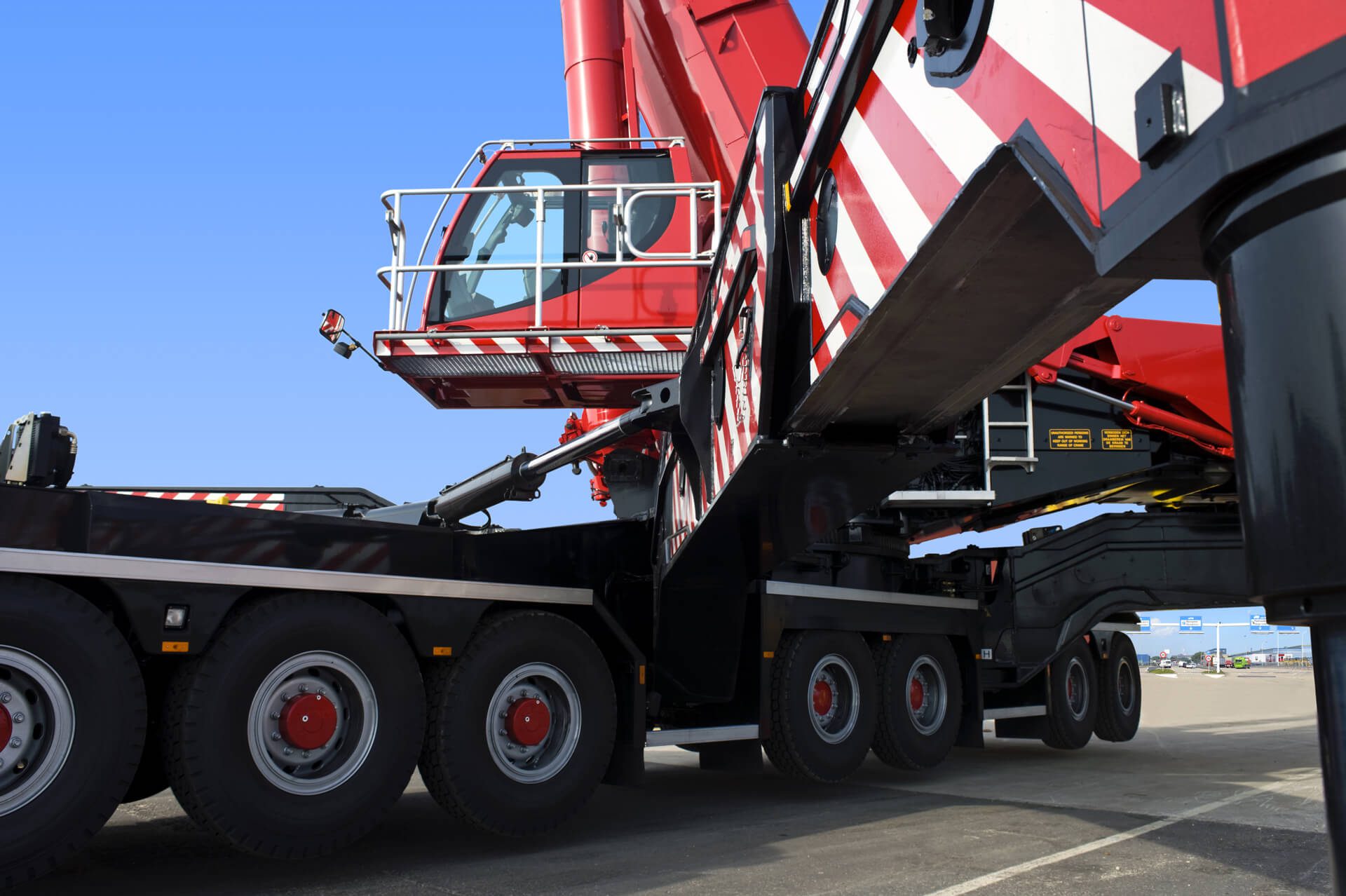
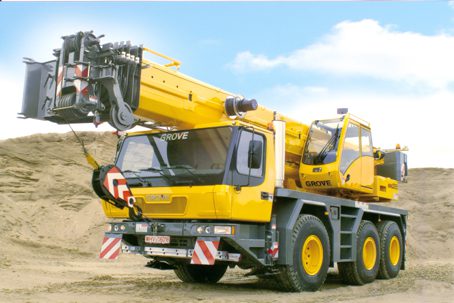
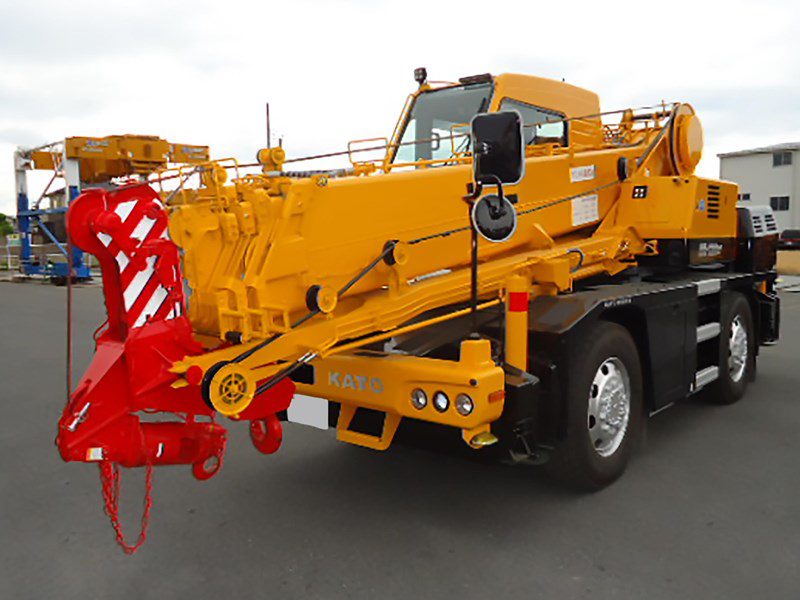
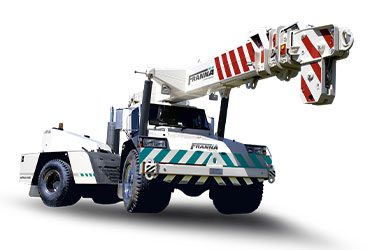
Mobile crane hire plays a particularly significant role in infrastructure and industrial projects. These cranes, mounted on trucks or crawler bases, are designed for rapid mobility between sites. Their versatility allows construction teams to handle diverse lifting tasks ranging from bridge components and steel frameworks to heavy machinery installations.
In regions such as Western Sydney, where infrastructure expansion and logistics development have accelerated in recent years, mobile crane hire Western Sydney services have become essential to project delivery. Major road upgrades, warehousing developments, and transport projects often require lifting equipment that can be quickly deployed and repositioned as construction phases evolve.
Unlike permanent crane installations, mobile cranes offer flexibility that aligns with the dynamic nature of infrastructure work. Contractors can access the lifting capacity they need without committing to long-term ownership or maintenance costs, a practical solution for projects with varying schedules and technical requirements.
Tower Cranes and the Rise of Vertical Cities
While mobile cranes dominate infrastructure construction, tower cranes are the defining machinery of Australia’s high-rise building boom. Tower crane hire has become indispensable for residential and commercial developments rising across metropolitan skylines.
Fixed to foundations or integrated within a building’s structural core, tower cranes are engineered for sustained lifting operations at extreme heights. Their long horizontal jibs allow materials to be transported across large construction zones, making them ideal for projects where vertical expansion is the primary objective.
In cities such as Melbourne and Sydney, where apartment towers and mixed-use developments continue to reshape urban landscapes, tower cranes function as the backbone of the construction process. From concrete formwork and steel beams to prefabricated façade components, virtually every element of a high-rise building depends on coordinated crane operations.
The scale and duration of these projects often mean tower cranes remain on site for months or even years. Their presence underscores the long-term nature of urban development as Australian cities attempt to balance population growth with limited land availability.
Luffing Cranes and the Challenges of Dense Urban Construction
As cities grow denser, construction sites are increasingly surrounded by existing buildings, transport corridors, and restricted airspace. These constraints have created demand for specialised lifting solutions capable of operating in confined environments.
Luffing crane hire has emerged as a key solution to these challenges. Unlike conventional tower cranes, luffing cranes feature a boom that can be raised or lowered to adjust the crane’s operating radius. This mechanism reduces the amount of horizontal space required for lifting operations, making it particularly useful on crowded construction sites.
In central business districts where multiple cranes operate simultaneously, luffing cranes allow developers to maintain strict safety clearances while continuing construction activities. Their ability to operate within narrow airspace corridors has made them a common feature of complex urban developments.
In practical terms, luffing cranes often support projects where traditional tower cranes would interfere with neighbouring structures or infrastructure. As Australian cities continue to evolve toward higher-density living, the role of luffing crane hire in urban construction is likely to expand.
Safety Standards and Regulatory Oversight
The widespread use of cranes in construction also introduces significant safety considerations. Lifting heavy loads hundreds of metres above ground presents inherent risks, particularly in busy urban environments where construction sites intersect with public spaces.
Australia maintains strict regulatory frameworks governing crane operations, overseen in part by national authorities such as Safe Work Australia. These regulations establish guidelines for equipment maintenance, operator training, lift planning, and on-site risk management.
Before a crane is installed or deployed, engineers must conduct detailed assessments that account for ground conditions, load capacities, and environmental factors such as wind exposure. Lift plans are carefully designed to ensure that each operation remains within the machine’s technical limits.
Operator certification is another cornerstone of the regulatory system. Crane operators are required to obtain nationally recognised licences, and many construction projects demand additional training to address site-specific hazards. These measures help maintain consistent safety standards across Australia’s diverse construction landscape.
Local governments and planning authorities also play a role in regulating crane usage, particularly in urban centres. Restrictions on crane height, operating hours, and traffic management are common in densely populated areas, reflecting the need to balance construction activity with community safety and convenience.
Technological Innovation in Crane Operations
Technological advancements are gradually transforming crane operations across the construction sector. Modern lifting equipment increasingly integrates digital monitoring systems, sensors, and data analytics that enhance both safety and operational efficiency.
For example, many cranes now feature real-time load monitoring systems capable of alerting operators when weight limits or wind thresholds are approached. These systems reduce the likelihood of human error and provide an additional layer of oversight during complex lifting operations.
Telematics technology also allows crane operators and fleet managers to monitor equipment performance remotely. Maintenance teams can identify potential mechanical issues before they lead to downtime, helping to maintain project schedules in an industry where delays can carry significant financial consequences.
Digital modelling tools are also reshaping project planning. Engineers can simulate crane placements and lifting paths using three-dimensional construction models, identifying potential conflicts before equipment is installed on site. These simulations improve coordination between crane operators, engineers, and construction teams.
In the long term, semi-automated crane systems may further transform the industry. While fully autonomous cranes remain largely experimental, automation features that assist with precision movements and repetitive tasks are already being introduced in some advanced construction environments.
Building Australia’s Future from the Ground Up
The cranes that dominate Australia’s skylines represent far more than construction equipment. They reflect the scale of the country’s ongoing urban transformation and the logistical sophistication required to build modern cities.
Mobile crane hire continues to support infrastructure expansion and industrial development, particularly in rapidly growing regions such as Western Sydney. tower crane hire remains central to high-rise construction as Australian cities build upward to accommodate expanding populations. Meanwhile, luffing crane hire addresses the technical challenges posed by dense urban environments where space and safety constraints demand innovative solutions.
Together, these specialised crane services form a critical backbone of the construction industry. Their strategic deployment enables engineers and builders to deliver complex projects that shape the economic and physical landscape of Australia.
As infrastructure investment continues and urban populations expand, cranes will remain a defining presence above the nation’s cities. Quietly but indispensably, they lift the structural elements that support Australia’s next generation of homes, workplaces, and transport networks.