Across Australia’s largest cities, the skyline is rarely static. From new transport corridors to residential towers and hospital expansions, construction cranes have become defining features of urban growth. In places such as Sydney and Melbourne, cranes mark the pace of development as governments and private investors respond to population growth, infrastructure demand, and housing shortages.
Behind many of these projects lies an industry that operates largely out of public view: crane hire services. Within the broader construction ecosystem, companies providing mobile crane hire, tower crane hire, and luffing crane hire play a crucial logistical role. These services allow contractors to access specialised lifting equipment without the capital costs and operational complexity of owning large fleets. In areas experiencing intense development pressure—such as northern suburbs of Sydney—mobile crane hire northern sydney has become an essential component of project planning and execution.
Understanding how these machines function, and how they are deployed across different project types, reveals much about the mechanics of modern construction in Australia.
The Logistics Backbone of Urban Construction
Major infrastructure and property developments depend on the controlled movement of heavy materials. Steel beams, prefabricated concrete panels, mechanical equipment, and façade elements often weigh several tonnes and must be placed with millimetre precision.
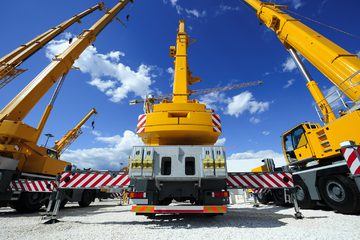
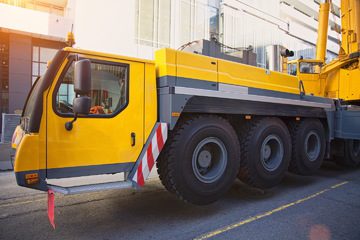
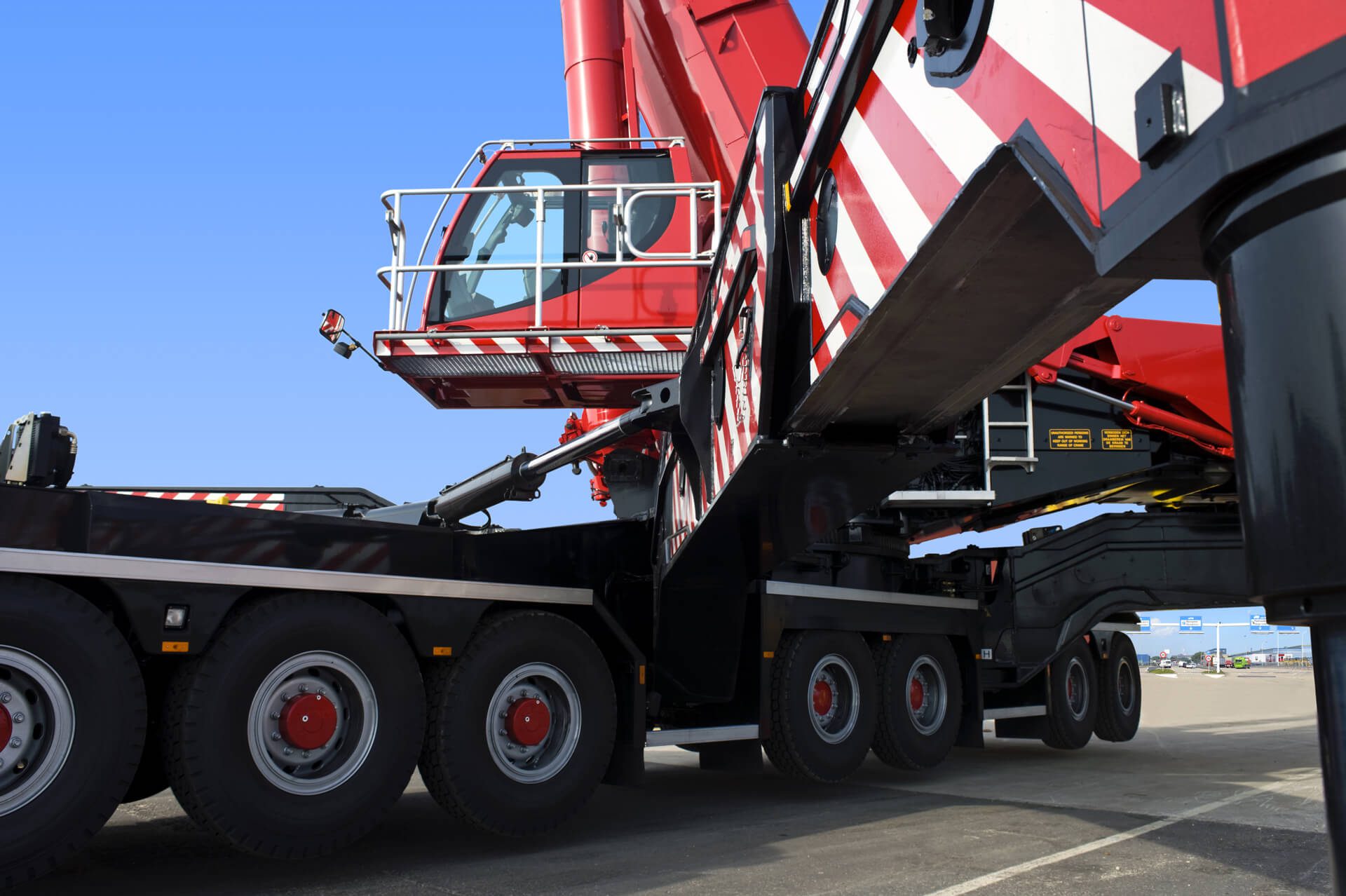
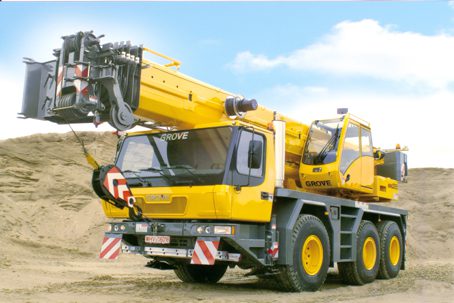
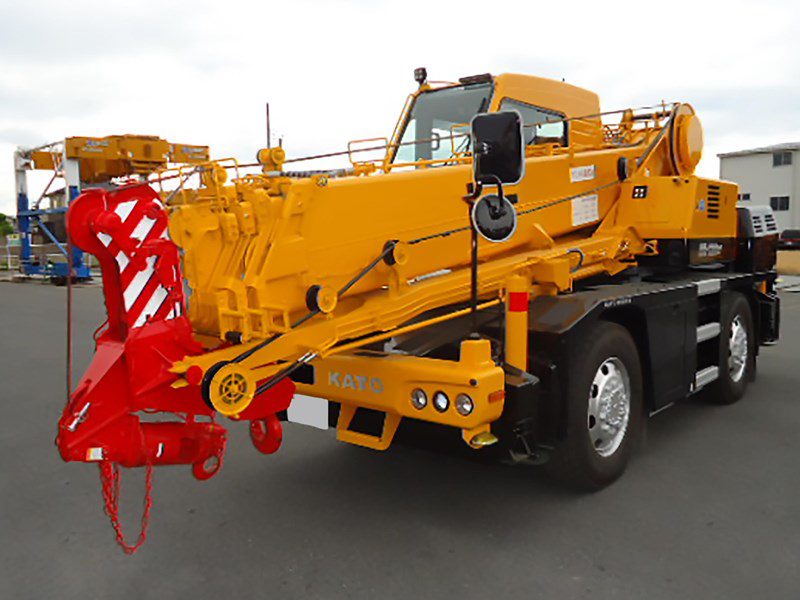
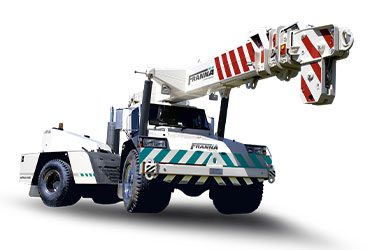
This is where mobile crane hire services enter the construction timeline. Unlike fixed cranes, mobile cranes are designed for rapid deployment and flexibility. Mounted on truck or crawler platforms, they can be transported quickly between sites, making them especially valuable for projects with shifting lifting requirements.
In rapidly developing regions of Northern Sydney, where infrastructure upgrades intersect with residential redevelopment, mobile crane hire northern sydney providers are frequently called upon for short-duration lifts. These may include bridge components, rooftop air-conditioning units, or prefabricated building modules.
Such flexibility has made mobile cranes a practical solution for contractors working across multiple projects simultaneously. Instead of committing to long-term equipment ownership, construction firms can schedule crane hire as specific lifting stages arise.
Tower Cranes and the Rise of the High-Rise City
While mobile cranes dominate short-term lifting tasks, tower cranes have become synonymous with large-scale urban construction. Rising above building cores, these cranes provide the height and lifting capacity necessary for high-rise developments.
Across central districts of Sydney and Brisbane, tower crane hire services support residential towers, commercial office buildings, and mixed-use precincts. Their design allows for continuous lifting operations throughout the construction process, often remaining in place for months or years.
Tower cranes are anchored either to concrete foundations or directly to the structure under construction. As the building rises, the crane itself may be “climbed” upward using hydraulic systems, allowing it to maintain lifting capability at higher elevations.
This adaptability has been particularly important in Australian cities where vertical construction has become a central strategy for accommodating urban growth. The shift toward higher-density development has placed tower crane hire providers at the heart of city-building efforts.
Luffing Cranes in Constrained Urban Spaces
If tower cranes represent the scale of modern development, luffing cranes reflect its complexity. Luffing crane hire services are increasingly used in dense urban environments where space limitations and airspace restrictions require careful coordination.
Unlike conventional tower cranes, which extend their jibs horizontally, luffing cranes feature a pivoting jib that can be raised or lowered. This capability reduces the crane’s swing radius, allowing it to operate safely in close proximity to neighbouring buildings.
In tightly packed areas of Sydney and Melbourne, where multiple construction projects may share limited airspace, luffing cranes help prevent conflicts between cranes operating on adjacent sites.
Their ability to manoeuvre vertically rather than horizontally has made them indispensable for inner-city developments. Hospitals, luxury apartment towers, and transit-oriented developments increasingly rely on luffing crane hire to meet strict planning requirements.
Infrastructure Projects and Heavy Lifting
Beyond the skyline, cranes also play a significant role in infrastructure development. Road expansions, rail networks, energy projects, and port facilities all require heavy lifting operations at various stages of construction.
Projects linked to Australia’s long-term infrastructure investment plans—particularly those coordinated by Infrastructure Australia—frequently involve complex lifting operations. Large bridge sections, tunnel-boring machinery, and precast concrete components often require cranes capable of handling exceptional loads.
Mobile cranes are frequently used for bridge construction and maintenance tasks, where their mobility allows them to reposition along long project corridors. Tower cranes, meanwhile, support station developments and elevated transport structures.
The ability to combine different crane types within a single project illustrates how the crane hire industry underpins multiple sectors of the construction economy.
Safety Standards and Regulatory Oversight
Given the scale of loads and heights involved, crane operations are subject to strict safety regulations in Australia. The national framework is overseen by bodies such as Safe Work Australia, which coordinates occupational health and safety policies across states and territories.
Operators must obtain specialised licences, and crane installations are subject to engineering certification and ongoing inspection. Detailed lift plans are typically required for complex operations, particularly in dense urban environments where public safety considerations are paramount.
Site managers must also account for weather conditions, ground stability, and proximity to power lines or surrounding structures. High winds, for example, can impose strict limits on crane operation, particularly for tower and luffing cranes operating at height.
In recent years, digital monitoring systems have further improved safety oversight. Sensors embedded in cranes can measure load weight, boom angle, and wind speed, alerting operators when operational thresholds are approached.
Technological Change in Crane Operations
Technological innovation is reshaping the crane industry just as it is transforming the broader construction sector. Modern cranes increasingly incorporate digital control systems, telematics, and remote diagnostics.
These technologies allow crane hire providers to track equipment performance, schedule preventative maintenance, and analyse usage data across multiple sites. For contractors, such information can help optimise project scheduling and reduce downtime.
Automation is also beginning to influence crane operation. While full automation remains rare, semi-automated lifting systems and advanced anti-collision software are becoming more common in large projects where multiple cranes operate simultaneously.
Sustainability considerations are also emerging. Hybrid power systems and more efficient engines are gradually reducing emissions associated with heavy lifting equipment, aligning the crane hire industry with Australia’s broader environmental objectives.
A Quiet but Critical Industry
Despite their visibility on construction sites, cranes themselves are only one part of a complex logistics network. Planning crane deployment requires coordination between engineers, project managers, safety inspectors, and logistics specialists.
In regions undergoing sustained development, such as northern parts of Sydney, mobile crane hire northern sydney providers often work closely with contractors months before a lift occurs. Detailed site assessments, traffic management plans, and engineering calculations are required before heavy equipment arrives.
The result is a highly specialised industry operating behind the scenes of Australia’s construction boom.
The Machines Behind the Skyline
Australia’s urban transformation is often measured by new buildings, roads, and rail lines. Yet the machines enabling these projects rarely attract public attention beyond their silhouettes on the horizon.
Mobile crane hire, tower crane hire, and luffing crane hire services represent the mechanical infrastructure that allows modern construction to function. Each type of crane serves a distinct purpose, from flexible lifting on infrastructure projects to precision work in dense city centres.
As Australia’s cities continue to grow, and as governments invest in major infrastructure programs, the demand for these services is likely to remain strong. In that sense, the cranes above the skyline are more than temporary fixtures—they are indicators of a nation still actively building its future.