Across Australia, cranes have become defining symbols of development. Their silhouettes rise above transport corridors, urban renewal projects, and expanding residential districts, reflecting the scale of the country’s infrastructure ambitions. From major metropolitan centres to fast-growing regional areas, construction activity is reshaping the built environment—and cranes are central to that transformation.
The increasing reliance on mobile crane hire, tower crane hire, and luffing crane hire highlights how construction firms adapt their lifting strategies to the varied demands of infrastructure, high-rise development, and dense urban construction. In regions such as the Southern Highlands of New South Wales, where infrastructure projects intersect with expanding residential communities, the use of all terrain crane hire southern highlands has become an important component of construction logistics. These versatile machines allow contractors to operate across different terrain types while maintaining the lifting capacity required for complex projects.
Understanding how different crane types function within Australia’s construction ecosystem reveals a broader story about engineering, safety, and technological progress in a sector that plays a critical role in the nation’s economic development.
Infrastructure Expansion and the Demand for Mobile Lifting Solutions
Australia’s infrastructure investment has intensified over the past decade, driven by population growth, urban expansion, and the need to modernise transport networks. Road upgrades, rail corridors, renewable energy installations, and regional infrastructure all require sophisticated lifting operations.
In this environment, mobile crane hire has become a cornerstone of project planning. Mobile cranes offer flexibility and speed, allowing contractors to move equipment quickly between sites and reposition it as project requirements evolve. Unlike permanently installed lifting systems, mobile cranes can support multiple phases of construction without extensive assembly or disassembly.
Regional construction zones illustrate this advantage particularly well. The Southern Highlands, located between Sydney and Canberra, has experienced steady development linked to transport infrastructure and regional housing demand. Construction projects in such areas often involve varying terrain conditions, from established road networks to partially developed land.
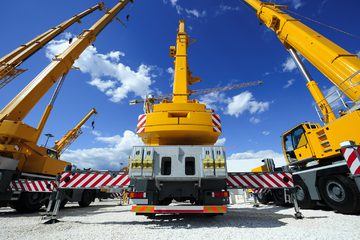
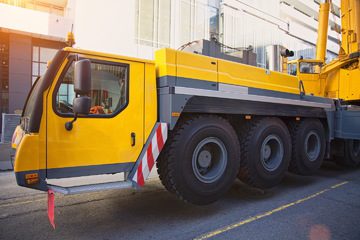
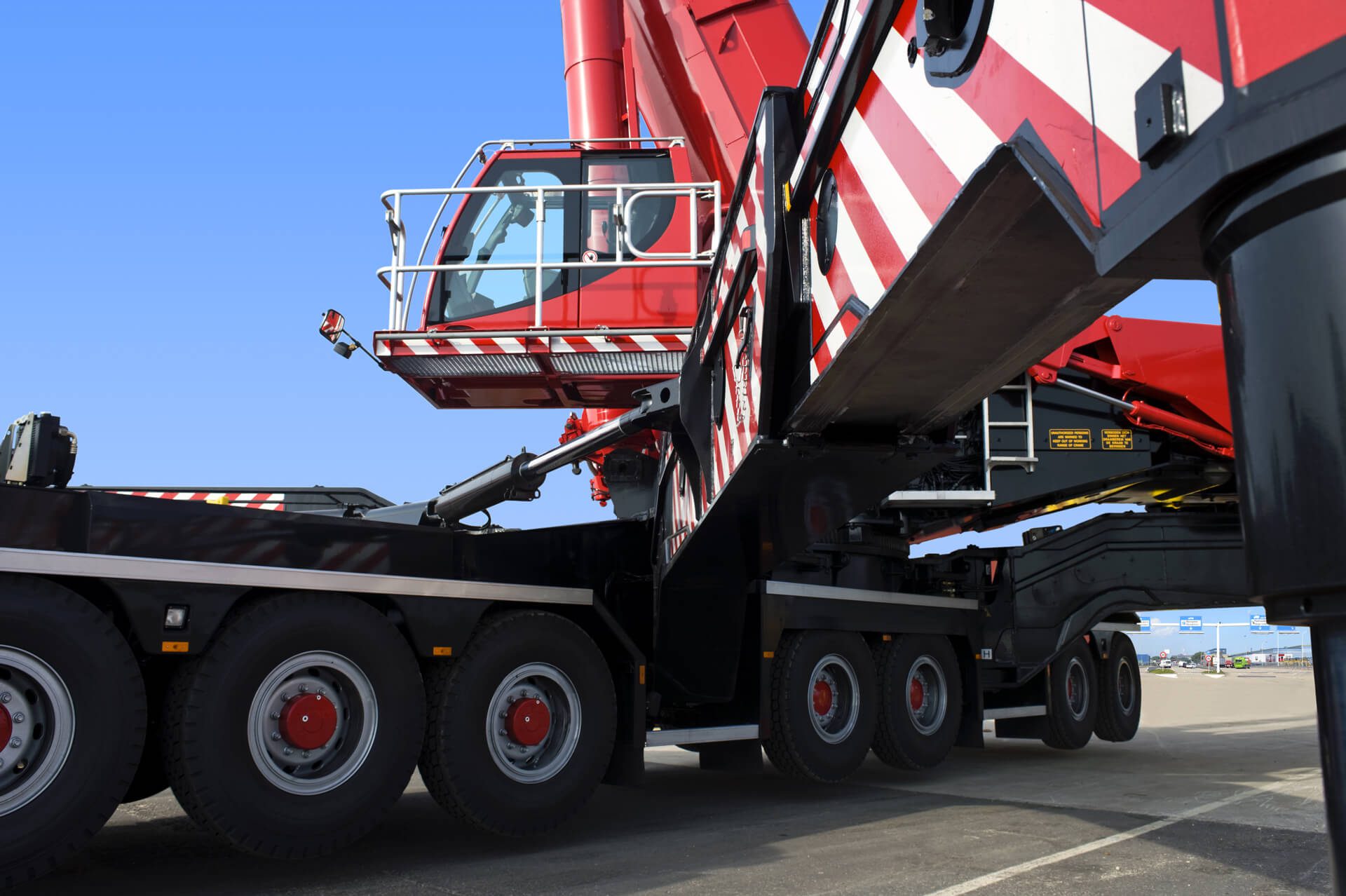
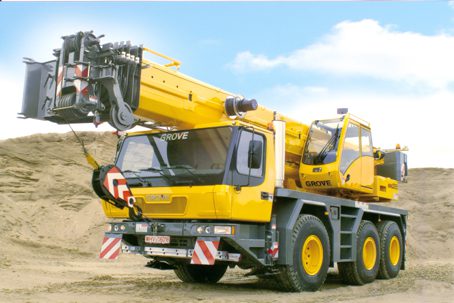
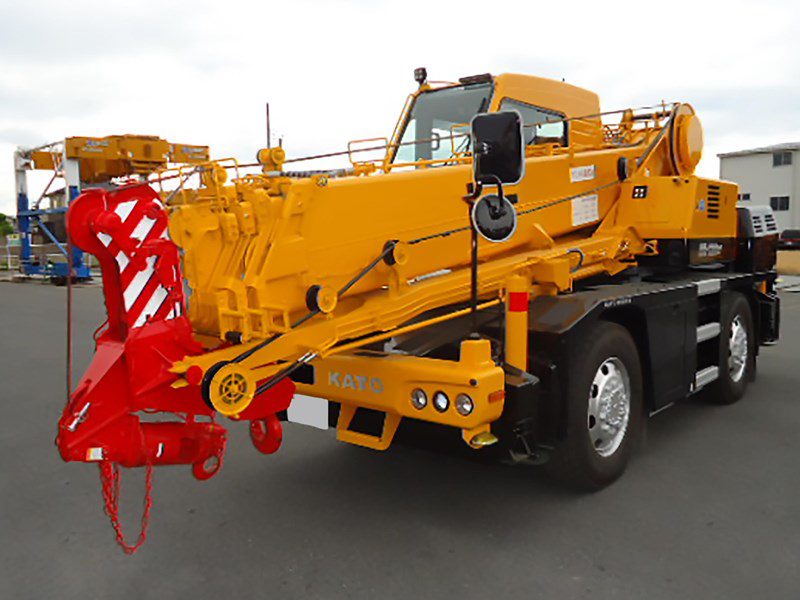
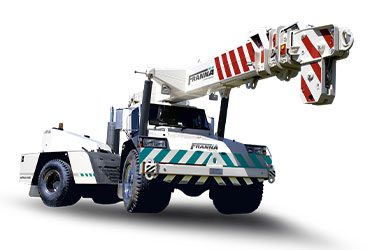
Here, all terrain crane hire southern highlands plays a strategic role. All-terrain cranes are designed to operate both on highways and on uneven ground, combining the mobility of truck-mounted cranes with the stability required for heavy lifting. This capability allows contractors to transport the crane directly to project locations without the logistical complexity associated with larger, stationary equipment.
As infrastructure projects continue to extend beyond major metropolitan centres, versatile lifting solutions have become increasingly important in ensuring construction schedules remain efficient and adaptable.
Tower Cranes and the Vertical Dimension of Urban Growth
While mobile cranes support infrastructure and regional projects, urban development often relies on a different type of lifting technology. Australia’s major cities—Sydney, Melbourne, Brisbane, and Perth—have experienced a gradual shift toward higher-density housing and commercial buildings. Limited land availability and rising property demand have encouraged developers to build upward rather than outward.
Within this context, tower crane hire has become fundamental to high-rise construction. Tower cranes provide the height, reach, and lifting capacity necessary to move heavy materials across multi-storey building sites. Once installed, these cranes typically remain in place for the duration of a project, facilitating the transport of steel frameworks, concrete formwork, and prefabricated structural components.
Their design allows them to lift substantial loads while maintaining precision, an essential factor when working hundreds of metres above ground. The crane’s rotating jib enables operators to move materials across the entire footprint of a construction site, ensuring efficient coordination between ground crews and upper-level construction teams.
In Australia’s central business districts, tower cranes have become visual markers of urban transformation. Residential towers, commercial offices, and mixed-use developments all rely on these machines during their construction phases, reinforcing the link between crane technology and the country’s vertical growth.
Luffing Cranes and the Challenges of Dense Urban Environments
As cities grow denser, construction sites often become increasingly constrained. Buildings may rise only metres away from neighbouring structures, and airspace restrictions may limit the range of crane movement.
In such environments, luffing crane hire provides a specialized solution. Unlike conventional tower cranes, luffing cranes feature a jib that can raise or lower vertically. This design allows the crane to reduce its horizontal swing radius, enabling it to operate within narrow urban corridors without extending beyond site boundaries.
The importance of this capability becomes evident on projects located in crowded city centres or near critical infrastructure. When multiple cranes operate on adjacent construction sites, careful coordination is required to prevent interference between crane arms. Luffing cranes allow operators to maintain safe separation between lifting equipment while still performing complex material movements.
Their adaptability has made them particularly valuable in dense urban developments where space is limited but construction demands remain substantial. As Australia’s inner-city redevelopment projects continue to grow in scale, the demand for luffing crane hire has steadily increased.
Safety Standards and Regulatory Oversight in Australia
Crane operations are inherently complex and potentially hazardous, which is why Australia maintains strict safety regulations governing their use. Construction companies must comply with national workplace safety laws and state-based regulatory frameworks designed to protect workers and the public.
Operators typically require specialised training and licensing before they are permitted to control lifting equipment. In addition to operator certification, crane operations often involve detailed lift planning, equipment inspections, and clearly defined safety zones around the lifting area.
Regulators also require contractors to conduct risk assessments before major lifting activities take place. These assessments examine factors such as load weight, wind conditions, ground stability, and the presence of nearby structures. By identifying potential hazards in advance, construction teams can develop lifting strategies that minimise risk.
Technological systems increasingly support these safety efforts. Modern cranes incorporate load sensors, automated braking mechanisms, and anti-collision systems designed to prevent unsafe movement. On complex sites where multiple cranes operate simultaneously, digital monitoring systems can track the position of each crane to ensure safe coordination.
The integration of safety technology reflects a broader cultural shift within the construction sector, where risk management has become a central priority in project planning and execution.
Technological Innovation and the Future of Crane Operations
Advances in engineering and digital technology have transformed the crane industry in recent years. Today’s lifting equipment is far more sophisticated than earlier generations, incorporating sensors, data analytics, and remote monitoring systems.
Telematics technology allows construction managers to monitor crane performance in real time, providing insights into load weights, operational efficiency, and equipment health. This data enables predictive maintenance, reducing downtime and extending the lifespan of expensive machinery.
Automation is also beginning to influence crane operation. Certain modern tower cranes include semi-automated control systems that assist operators with repetitive movements, improving precision and reducing fatigue during long working hours.
Environmental sustainability has become another driver of innovation. As Australia’s construction industry seeks to reduce its carbon footprint, manufacturers are developing cranes with more efficient engines, hybrid power systems, and lower emissions. These improvements align with broader industry efforts to meet environmental standards while maintaining productivity on construction sites.
Cranes as Indicators of Economic Activity
Beyond their technical functions, cranes serve as visible indicators of economic momentum. A skyline filled with cranes often signals expanding infrastructure investment, strong housing demand, and active commercial development.
The diversity of lifting solutions—ranging from mobile crane hire supporting infrastructure projects to tower crane hire driving high-rise construction and luffing crane hire enabling dense urban development—reflects the complexity of Australia’s construction landscape.
In regional areas such as the Southern Highlands, the increasing use of all terrain crane hire southern highlands illustrates how construction practices are adapting to both geographic conditions and evolving infrastructure needs. These cranes provide the flexibility required to operate across varied terrain while maintaining the lifting capacity essential for modern engineering projects.
As Australia continues to invest in transport networks, housing, and urban renewal, cranes will remain integral to the process of building the nation’s future. Their presence above construction sites represents not only the mechanics of lifting heavy materials but also the broader forces shaping Australia’s cities and communities in the decades ahead.