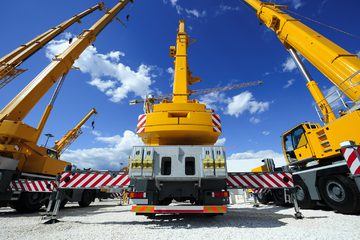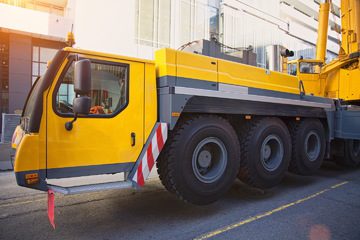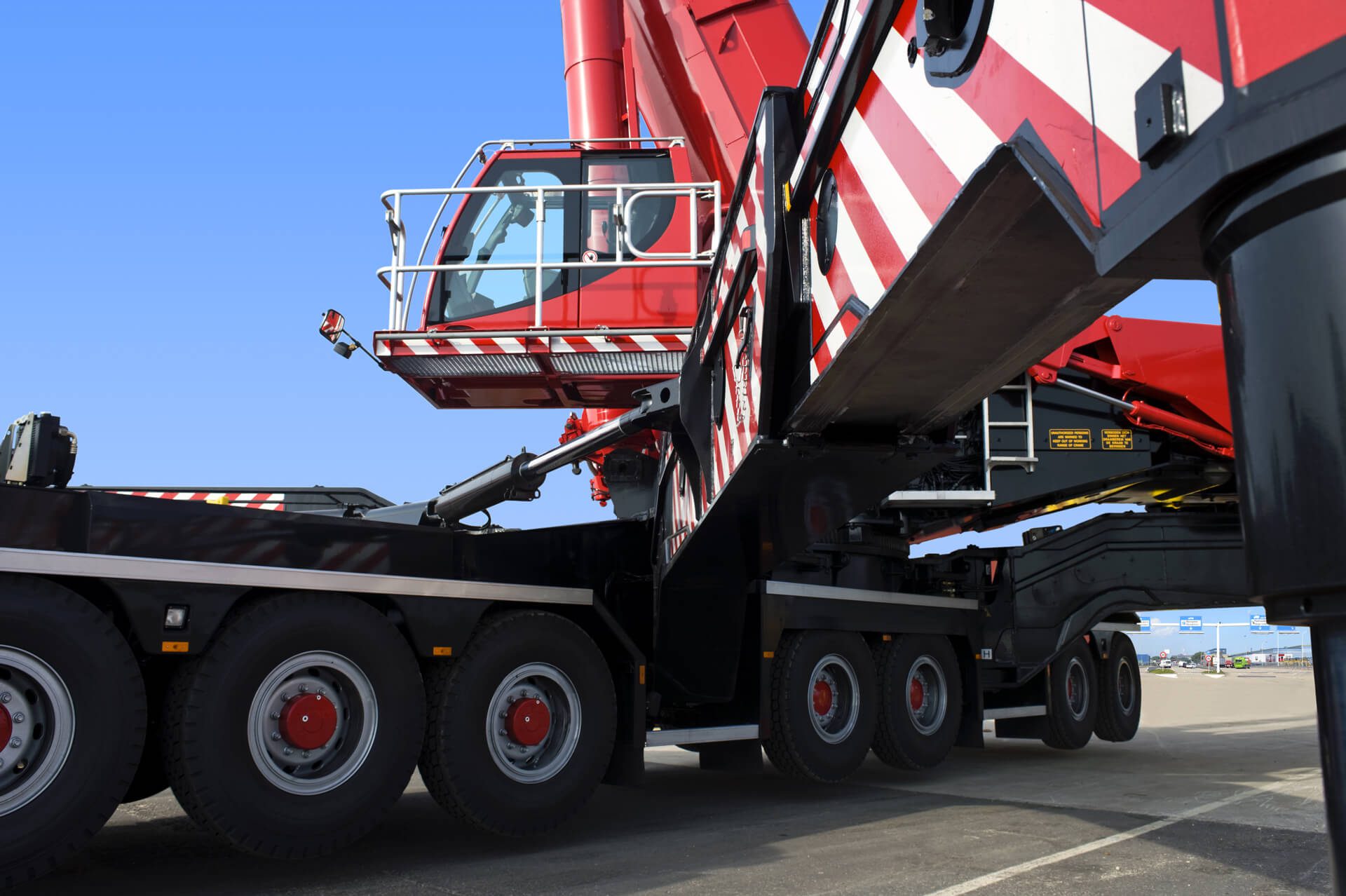
Australia’s major cities are undergoing a period of sustained transformation. From transport corridors and energy infrastructure to residential towers and mixed-use precincts, construction activity continues to reshape urban skylines across the country. At the centre of this transformation—often literally towering above it—are cranes. These machines are indispensable to the modern construction economy, enabling the safe and efficient movement of heavy materials in environments where space, time, and precision are critical.
In particular, the growing demand for mobile crane hire, tower crane hire, and luffing crane hire reflects how developers and contractors are adapting to increasingly complex construction environments. Nowhere is this more visible than in metropolitan growth zones such as Western Sydney, where large infrastructure projects and dense residential developments are redefining the region’s built environment. In this context, the strategic role of all terrain crane hire western Sydney has become especially significant, providing the mobility and lifting capability needed to support both large-scale infrastructure works and constrained urban developments.
The Expanding Role of Cranes in Australian Construction
The modern construction sector depends on specialized lifting equipment to execute projects safely and efficiently. Australia’s geography, combined with strict safety regulations and complex urban planning frameworks, has encouraged contractors to adopt crane solutions tailored to specific project demands.
The concept of mobile crane hire has become central to many projects, particularly those requiring flexibility. Mobile cranes can be transported quickly between job sites and set up with relatively short lead times. This mobility allows contractors to respond to changing construction schedules, especially on infrastructure projects where lifting requirements evolve as the work progresses.
By contrast, tower crane hire plays a different role within the construction ecosystem. Tower cranes are commonly associated with high-rise buildings and long-term urban developments. Their height and lifting capacity make them indispensable in city centres where structures extend vertically rather than outward. As Australian cities such as Sydney, Melbourne, and Brisbane continue to expand upward, tower cranes have become a defining feature of the skyline.
Meanwhile, luffing crane hire has emerged as a solution to the spatial challenges of dense urban environments. Unlike traditional tower cranes, luffing cranes feature a boom that can raise and lower at different angles, allowing them to operate effectively in confined spaces. This makes them particularly useful in crowded construction zones where multiple cranes operate simultaneously or where buildings are constructed close together.
Western Sydney and the Rise of Mobile Lifting Solutions
Western Sydney represents one of the most active construction regions in the country. Major infrastructure initiatives—including airport development, transport networks, and large residential estates—are reshaping the area’s economic landscape.
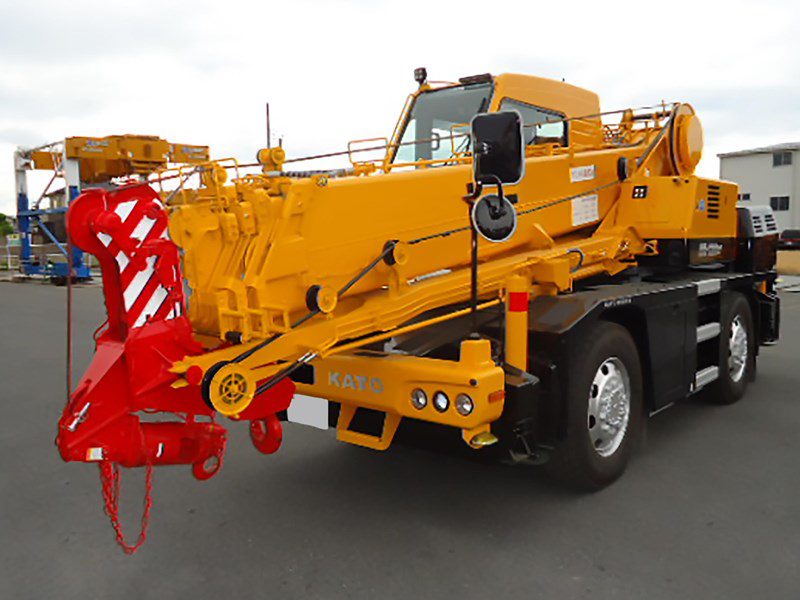
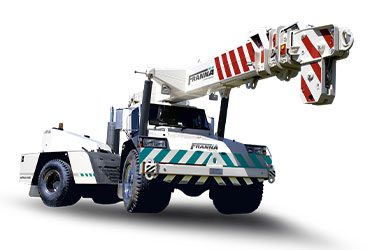
In this environment, all terrain crane hire western Sydney has become a practical necessity rather than a niche service. All-terrain cranes combine the road mobility of truck-mounted cranes with the off-road capability required on undeveloped or partially prepared construction sites. Their versatility allows them to travel between projects quickly while still handling heavy lifts associated with bridge construction, structural steel installation, and large mechanical equipment.
For infrastructure projects in particular, all-terrain cranes help address logistical challenges posed by large project footprints. Transport corridors, rail expansions, and energy facilities often span significant distances, requiring lifting equipment that can be repositioned efficiently. The ability to move a crane between multiple lifting points without extensive disassembly reduces downtime and helps maintain project schedules.
Tower Cranes and Australia’s Vertical Expansion
Australia’s growing urban density has accelerated the demand for tower crane hire in metropolitan centres. High-rise apartment buildings, commercial towers, and mixed-use developments depend heavily on tower cranes throughout much of the construction process.
The defining advantage of tower cranes lies in their ability to lift heavy materials to great heights while maintaining stability and precision. In high-rise construction, these cranes are typically installed early in the building cycle and remain on-site for months or even years. They facilitate the movement of concrete formwork, steel reinforcement, prefabricated building components, and mechanical systems.
As residential demand intensifies in central urban areas, tower cranes have become a permanent fixture on construction sites. Their presence reflects a broader shift in Australia’s housing strategy, which increasingly prioritizes higher-density developments near transport hubs and employment centres.
Luffing Cranes and the Constraints of Urban Density
While tower cranes excel in open environments, urban density presents its own challenges. Construction projects located near existing buildings often face strict limitations on crane swing radius and airspace.
This is where luffing crane hire has become particularly important. Luffing cranes allow the operator to adjust the angle of the boom vertically, effectively reducing the horizontal space required for operation. In practice, this means the crane can lift loads without extending its boom across neighbouring properties or infrastructure.
The ability to operate within tight boundaries makes luffing cranes especially valuable in central business districts. They are frequently used on projects where multiple cranes must operate in close proximity or where airspace restrictions apply due to nearby structures or aviation corridors.
Safety Standards and Regulatory Oversight
Australia’s construction industry operates under some of the world’s most stringent safety frameworks. Crane operations are governed by national workplace safety regulations as well as state-based oversight, reflecting the potentially hazardous nature of heavy lifting activities.
Operators must undergo extensive training and certification, and lifting operations typically require detailed planning before execution. Site managers conduct risk assessments, prepare lift studies, and implement exclusion zones to ensure the safety of workers and the public.
Technological systems also play an increasingly important role in maintaining safety. Modern cranes incorporate load monitoring sensors, anti-collision systems, and automated shutdown mechanisms designed to prevent overloading or unsafe movement. These technologies have become particularly relevant on urban sites where multiple cranes may operate simultaneously.
The regulatory framework has also evolved alongside technological advancements. Authorities increasingly require digital documentation of lift plans, equipment inspections, and operator qualifications, helping ensure accountability throughout the construction process.
Technological Innovation in Lifting Equipment
The crane industry has seen significant technological progress over the past decade. Advanced telematics systems now allow operators and site managers to monitor crane performance in real time. Data collected from sensors can track load weights, boom angles, and operational stress on mechanical components.
This data-driven approach supports preventative maintenance and reduces the likelihood of mechanical failures. It also improves operational efficiency, allowing contractors to plan lifts more accurately and minimize delays.
Automation and remote operation are also beginning to influence crane design. Some modern tower cranes include semi-automated controls that assist operators with repetitive lifting tasks, improving precision and reducing fatigue.
Environmental considerations have further shaped crane development. Hybrid power systems and energy-efficient motors are increasingly integrated into new equipment, reflecting broader industry efforts to reduce emissions on construction sites.
A Critical Component of the Construction Ecosystem
As Australia continues to invest in infrastructure and urban development, cranes will remain essential to the construction process. Whether enabling high-rise construction through tower crane hire, navigating spatial constraints with luffing crane hire, or supporting infrastructure work through mobile crane hire, these machines form the backbone of modern building activity.
In rapidly developing regions such as Western Sydney, the demand for adaptable lifting equipment—particularly all terrain crane hire western Sydney—demonstrates how construction strategies are evolving in response to both logistical and regulatory challenges.
Ultimately, cranes represent more than just machinery on a building site. They are indicators of economic growth, urban transformation, and technological progress. As Australia’s cities expand and infrastructure networks evolve, the quiet efficiency of cranes operating above construction zones will continue to shape the nation’s skyline for decades to come.