Australia’s modern skyline tells a story of rapid urban transformation. Across cities such as Sydney, Melbourne, and Brisbane, high-rise towers, transport infrastructure, and mixed-use developments continue to redefine the built environment. Behind much of this growth lies a highly specialised sector of the construction industry: crane operations.
From mobile crane hire used in infrastructure projects to tower crane hire on high-density developments, cranes have become indispensable tools in Australia’s building boom. In regions such as Northern Sydney—where residential expansion, commercial upgrades, and transport upgrades intersect—services such as all terrain crane hire northern sydney illustrate how adaptable lifting solutions are helping construction teams navigate complex sites, regulatory demands, and evolving engineering challenges.
The Expanding Role of Cranes in Urban Development
Urban development in Australia increasingly occurs within constrained environments. As population growth concentrates in metropolitan areas, construction must adapt to limited space, stricter environmental oversight, and tighter construction schedules. These pressures have made crane selection a critical element of project planning.
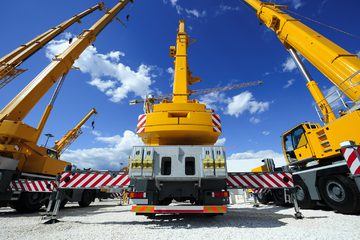
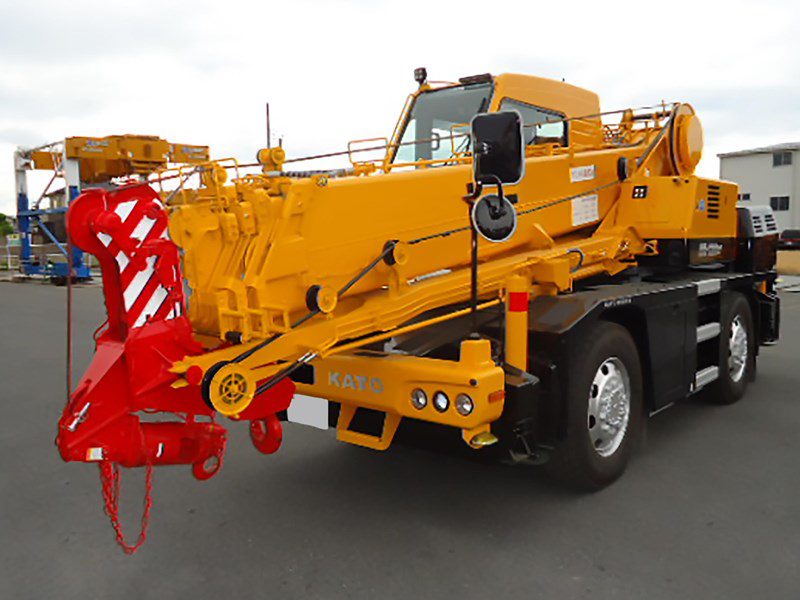
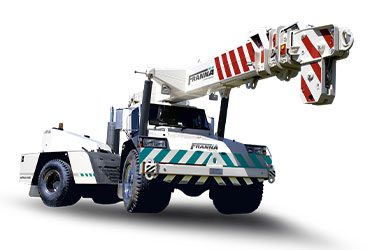
Mobile crane hire is often the first step in many infrastructure and civil works projects. Because mobile cranes can travel between sites and deploy quickly, they are frequently used for bridge components, utility installations, and large structural lifts. Their versatility allows contractors to perform complex lifts without the need for permanent crane structures, making them especially valuable during early construction phases.
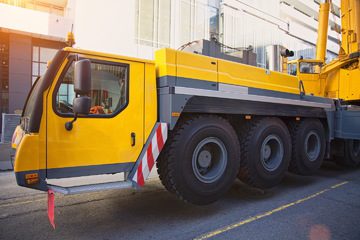
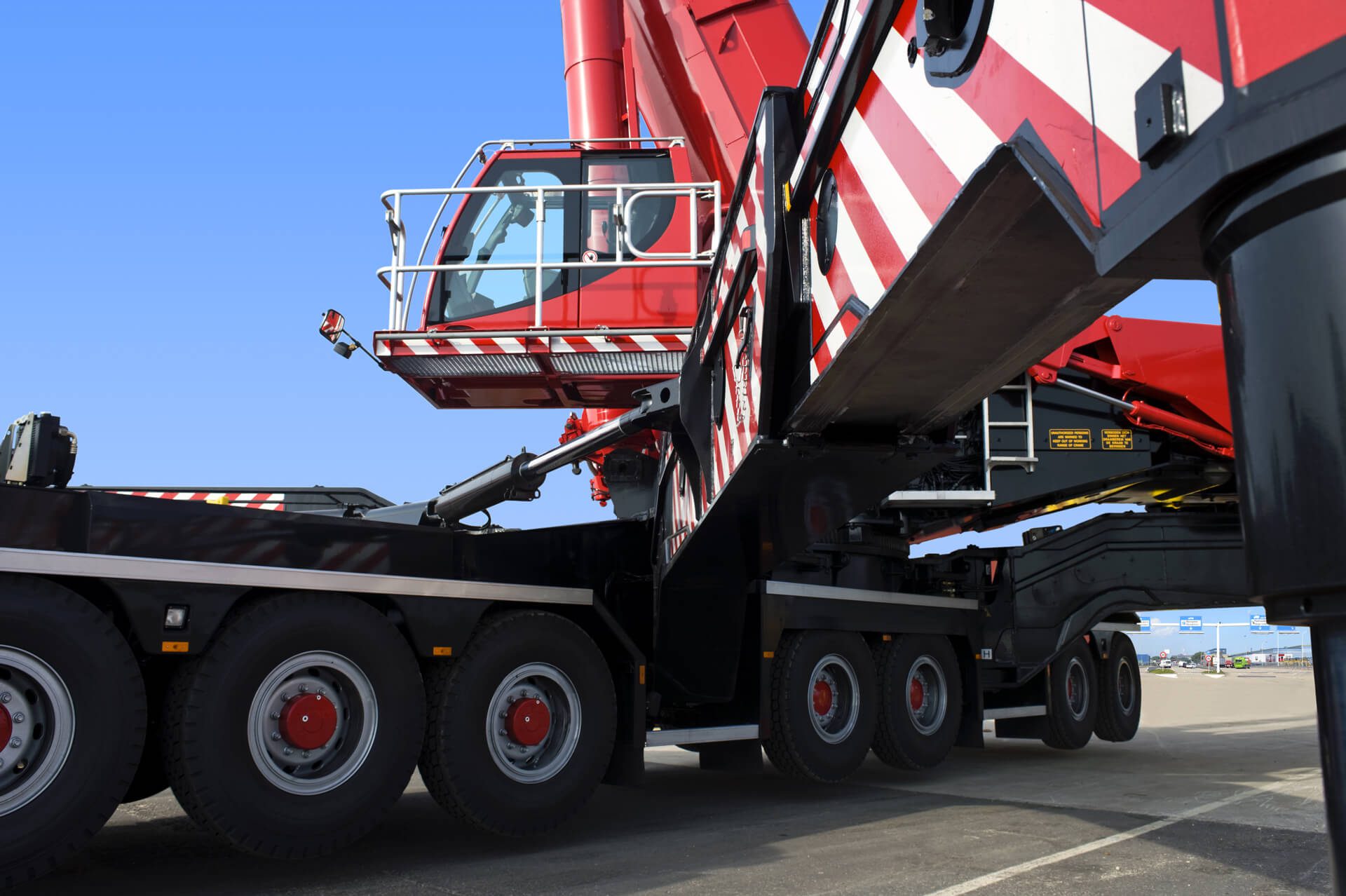
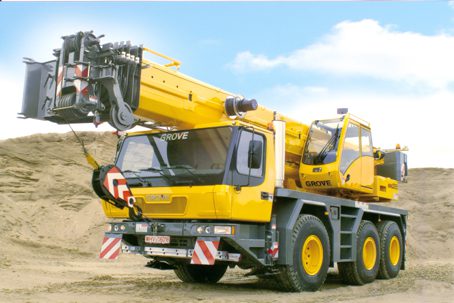
In Northern Sydney, where construction frequently occurs alongside active roads, rail corridors, and residential neighbourhoods, all terrain crane hire northern sydney plays a particularly strategic role. All-terrain cranes combine the mobility of highway vehicles with the lifting capacity required for heavy infrastructure work. This allows contractors to move equipment across multiple project sites without extensive disassembly, reducing logistical complexity while maintaining lifting power.
These capabilities make mobile cranes especially suited to the type of staged infrastructure development that has become common across Australia’s rapidly growing urban corridors.
Tower Cranes and the Rise of High-Density Construction
While mobile cranes dominate infrastructure projects, high-rise construction relies heavily on tower crane hire. Tower cranes have become a defining feature of urban skylines, particularly in central business districts and large residential precincts.
In dense urban areas, the vertical reach of tower cranes allows developers to lift heavy materials—steel beams, precast concrete panels, and mechanical equipment—hundreds of metres above ground level. Their fixed position and long horizontal jib provide continuous lifting coverage across large construction footprints, enabling efficient coordination of multiple trades working simultaneously.
The surge in apartment construction across cities such as Sydney has amplified demand for tower crane hire. High-rise developments often require several cranes operating simultaneously, sometimes stacked at different heights to accommodate phased construction. These installations require extensive engineering assessments to ensure stability, wind resistance, and safe interaction with nearby buildings.
The complexity of tower crane operations has also grown as buildings themselves become more architecturally ambitious. Irregular building shapes, podium structures, and mixed-use developments often require cranes capable of precise load placement and extended reach.
Luffing Cranes in Tight Urban Spaces
As Australian cities grow denser, construction sites are increasingly constrained by surrounding buildings, roads, and infrastructure. In these environments, luffing crane hire has emerged as a practical solution.
Unlike traditional tower cranes with fixed horizontal jibs, luffing cranes feature an adjustable jib that can be raised or lowered. This design allows the crane to operate in tighter airspace, reducing the risk of oversailing neighbouring properties or infrastructure. The ability to control the jib’s angle also makes luffing cranes particularly useful in crowded urban districts where multiple cranes operate within close proximity.
Luffing crane hire is therefore commonly used on inner-city residential towers and commercial projects where construction sites are narrow but building heights are substantial. Their compact swing radius allows multiple cranes to operate without overlapping lifting zones, improving safety and logistical efficiency.
As urban land becomes more valuable and projects push upward rather than outward, luffing cranes are likely to remain an essential component of construction planning.
Matching Crane Types to Project Demands
The differences between mobile cranes, tower cranes, and luffing cranes illustrate how specialised equipment supports distinct phases and types of construction.
Infrastructure projects—including highways, bridges, and energy facilities—often depend on mobile crane hire because these sites require flexible lifting equipment capable of operating across large geographic areas. All-terrain cranes used in northern Sydney infrastructure works, for example, allow contractors to perform heavy lifts while navigating varying terrain and urban road networks.
High-rise construction typically relies on tower crane hire, which provides continuous lifting capacity across the vertical structure of the building. Their ability to operate throughout the entire construction cycle makes them indispensable for projects exceeding several storeys.
Meanwhile, dense urban developments often integrate luffing crane hire to address airspace restrictions and tight site boundaries. In many modern construction projects, multiple crane types may be used sequentially or simultaneously as the structure evolves.
This layered approach to crane deployment reflects the increasing complexity of Australian construction projects and the need for equipment tailored to each stage of development.
Safety and Regulatory Oversight
The widespread use of cranes across Australia’s construction sector has also placed greater emphasis on safety regulation and operational standards. Crane operations are governed by national workplace safety frameworks overseen by organisations such as Safe Work Australia.
These regulations address everything from crane assembly and maintenance to operator certification and lift planning. Contractors must conduct detailed risk assessments for each lift, particularly in urban environments where public safety and nearby structures are key considerations.
In New South Wales, regulators require strict adherence to licensing standards and engineering approvals for tower crane installations. Detailed lift studies, wind monitoring systems, and exclusion zones are standard practices on major construction sites.
Safety culture within the crane industry has evolved significantly in recent decades. Modern projects rely heavily on digital lift planning software, real-time monitoring systems, and rigorous training programs to reduce the risk of accidents. These measures reflect the high stakes involved when lifting large structural components above active construction sites or populated areas.
Technology Transforming Crane Operations
Technological innovation is reshaping how cranes operate across Australia’s construction landscape. Advances in telematics, automation, and digital modelling have improved both efficiency and safety.
Many modern cranes now incorporate sensors that monitor load weight, wind conditions, and boom angle in real time. These systems help operators maintain safe lifting parameters and provide project managers with detailed operational data.
Digital modelling tools have also transformed lift planning. Engineers can simulate complex lifts before equipment arrives on site, allowing teams to identify potential hazards and refine crane positioning. This technology is particularly valuable in dense urban projects where precision is critical.
Automation is another emerging trend. While fully autonomous crane operations remain rare, semi-automated systems are beginning to assist operators with load stabilisation and positioning. Over time, these technologies may help address workforce shortages in specialised crane operations.
The Future of Crane Operations in Australia
Australia’s infrastructure pipeline remains extensive, with major transport, energy, and residential projects planned across multiple states. As urban density increases and engineering designs grow more sophisticated, the demand for specialised crane services is expected to remain strong.
The continued growth of mobile crane hire, tower crane hire, and luffing crane hire reflects broader trends within the construction sector: increasing project complexity, tighter urban spaces, and heightened safety expectations.
In Northern Sydney and other rapidly developing regions, adaptable lifting solutions such as all terrain crane hire northern sydney demonstrate how crane technology continues to evolve alongside the cities it helps build.
Ultimately, cranes represent more than just construction equipment. They are instruments of urban transformation—quietly enabling the vertical expansion, infrastructure renewal, and architectural ambition that define Australia’s modern skyline.