Across Australia’s largest cities, cranes have become defining features of the skyline. Towering above new apartment blocks, infrastructure corridors, and commercial precincts, these machines signal the steady transformation of urban landscapes driven by population growth and infrastructure investment. Behind their presence lies a complex system of engineering coordination and equipment logistics that supports modern construction.
Within this system, the strategic use of mobile crane hire, tower crane hire, and luffing crane hire has become central to how major projects are delivered. Each crane type fulfills a distinct role depending on the nature of the construction site and the surrounding environment. In dense metropolitan areas such as Sydney, the increasing reliance on luffing crane hire sydney reflects the evolving demands of building upward within tightly constrained urban spaces.
Understanding the relationship between crane technology and construction planning offers insight into how Australian cities continue to expand while navigating the challenges of density, safety, and regulatory oversight.
A Construction Sector Defined by Urban Growth
Australia’s urban development patterns have shifted dramatically in recent decades. Rapid population growth and limited land availability in major cities have encouraged developers and governments to prioritise vertical expansion. High-rise residential towers, mixed-use precincts, and large infrastructure projects have become central features of metropolitan planning.
Sydney, in particular, has experienced sustained construction activity across both public infrastructure and private development. Transport projects, commercial office towers, and residential complexes are reshaping neighbourhoods and central business districts alike. As construction projects grow taller and more technically complex, the role of specialised lifting equipment becomes increasingly significant.
Cranes serve as the logistical backbone of these sites. Structural steel, prefabricated building components, mechanical systems, and heavy equipment must be lifted safely and precisely, often hundreds of metres above ground level. Deciding whether a project relies on mobile crane hire, tower crane hire, or luffing crane hire is therefore a critical part of early construction planning.
Mobile Cranes and Infrastructure Mobility
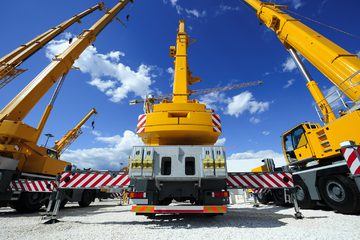
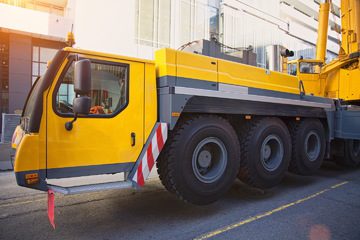
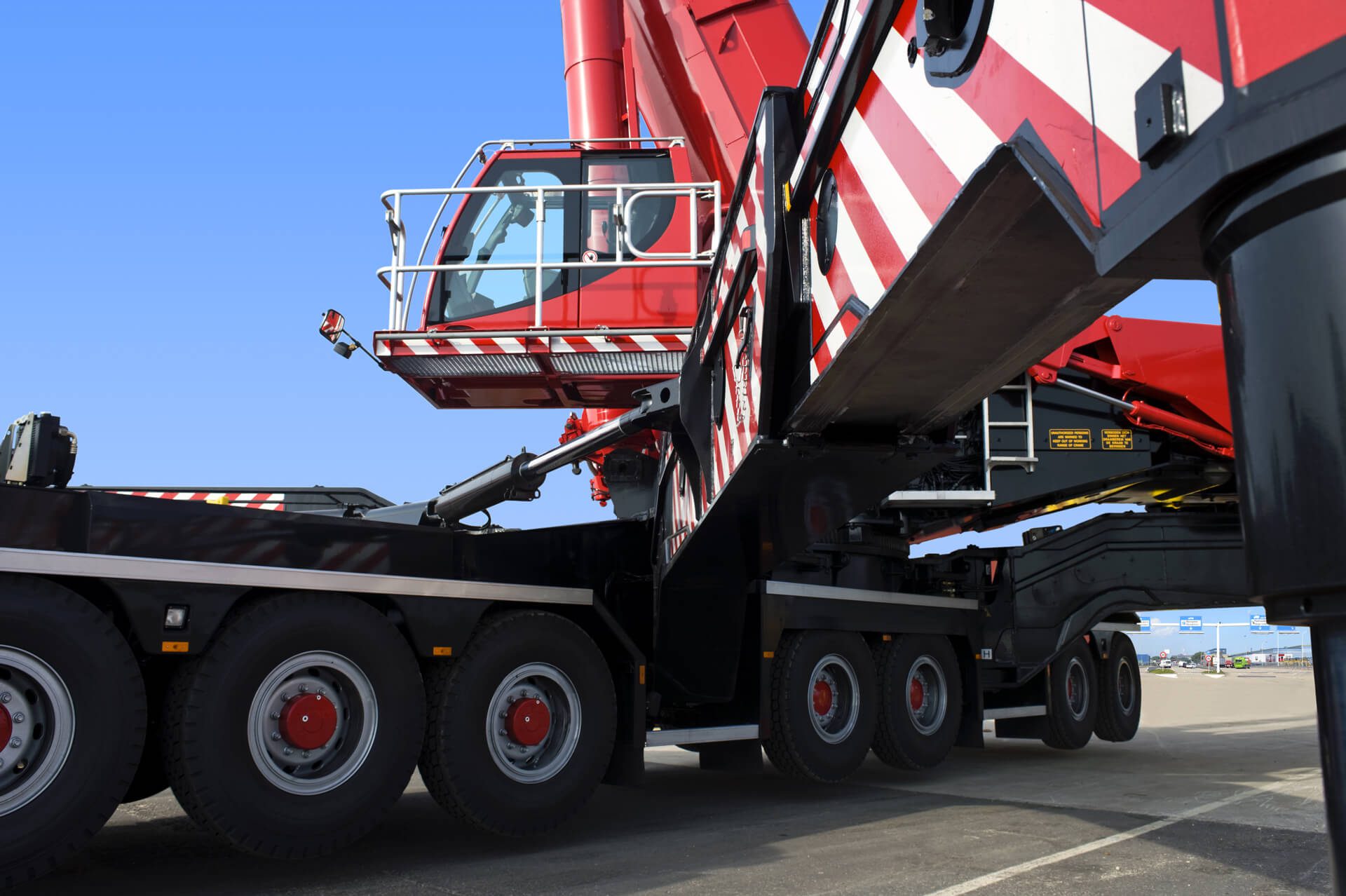
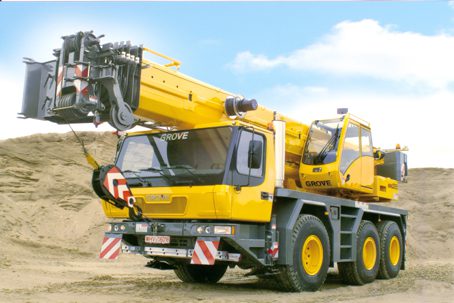
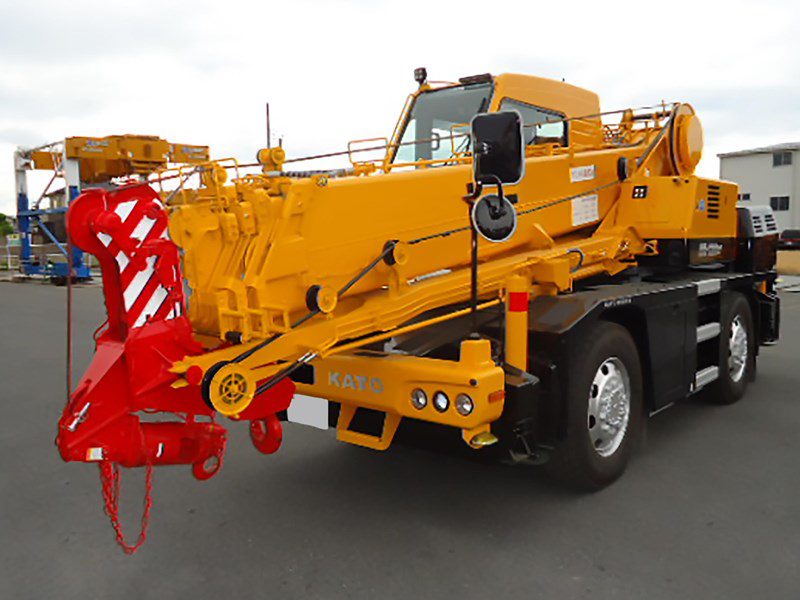
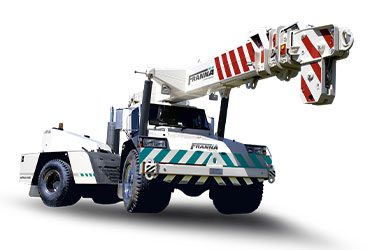
Among the most versatile lifting machines in the industry are mobile cranes. Mounted on wheeled or tracked carriers, these cranes can be transported directly to construction sites and repositioned as projects evolve. Their mobility makes them particularly valuable for infrastructure projects that extend across large areas.
Road upgrades, bridge installations, rail expansions, and energy infrastructure frequently depend on mobile crane hire to handle heavy components at multiple locations. The cranes can arrive on site, perform lifts, and then move to the next section of the project without requiring permanent installation.
This flexibility also makes mobile cranes useful during the early stages of building construction. Before permanent lifting systems are installed, mobile cranes often assist with foundation work, structural assembly, and the movement of heavy equipment.
However, while mobile cranes offer adaptability, they require significant ground space for stabilising outriggers and safe operation. In dense urban environments where construction sites occupy limited footprints, their use may be constrained. In such cases, developers often turn to fixed crane systems designed specifically for vertical construction.
Tower Cranes and the Mechanics of High-Rise Development
Few machines are more closely associated with modern city building than the tower crane. Installed directly into a construction site or attached to the structure being built, these cranes can rise alongside a building as it grows, lifting materials to increasingly greater heights.
The widespread use of tower crane hire across Australia reflects the prominence of high-rise development in metropolitan centres. Tower cranes provide exceptional lifting capacity and reach, enabling contractors to transport materials efficiently across large building sites.
On a typical high-rise project, the tower crane becomes the central logistical hub. Trucks deliver construction materials to staging areas at ground level, and the crane then lifts these components to precise locations throughout the structure. Steel beams, glass panels, prefabricated modules, and concrete buckets are all moved using the crane’s rotating jib and hoisting system.
Tower cranes are particularly effective on projects with consistent lifting demands over extended construction timelines. Their stability and reach make them indispensable for skyscrapers and large residential complexes. Yet despite their advantages, they face limitations when projects are located in highly congested urban districts where airspace must be carefully controlled.
Luffing Cranes and the Challenge of Dense Urban Sites
As Sydney’s urban core becomes increasingly dense, construction sites often occupy narrow plots surrounded by existing buildings. Traditional tower cranes rely on wide horizontal movement of the jib, which can create challenges when neighbouring structures or property boundaries restrict how far the crane can swing.
In these circumstances, luffing crane hire has emerged as an important solution. Luffing cranes differ from conventional tower cranes by using an adjustable jib that can be raised or lowered to change the working radius. Rather than swinging a long horizontal arm across surrounding areas, the crane can “luff,” or tilt its jib, to lift loads vertically within a controlled footprint.
This feature allows construction teams to operate safely in confined airspace while reducing the risk of oversailing nearby buildings or infrastructure. For projects located within established neighbourhoods or crowded commercial districts, the flexibility of luffing cranes can make the difference between a feasible construction plan and one that conflicts with regulatory restrictions.
The growing reliance on luffing crane hire sydney reflects these urban realities. As the city continues to add high-rise housing and mixed-use developments, construction teams increasingly require lifting systems that can function efficiently without interfering with surrounding properties or public spaces.
Safety Standards in Australian Crane Operations
Crane operations involve significant technical risk, making safety oversight a central concern for regulators and construction companies alike. Australia’s construction sector operates under rigorous safety frameworks that govern everything from equipment certification to operator training.
National guidelines established by organisations such as Safe Work Australia set out requirements for crane design, maintenance, and operation. In addition, state regulators oversee licensing systems that ensure crane operators possess the qualifications necessary to manage high-risk lifting equipment.
Before a crane is installed or operated on a construction site, detailed planning processes must be completed. Engineers develop lift plans that identify load weights, crane capacities, ground conditions, and potential hazards. These plans are then reviewed to ensure compliance with Australian standards and site-specific safety protocols.
The integration of mobile crane hire, tower crane hire, and luffing crane hire into major projects therefore requires coordination between contractors, engineers, and regulatory authorities. Regular inspections and maintenance procedures help ensure that cranes operate reliably throughout the duration of a project.
Technological Innovation in Lifting Equipment
Technological advancements are reshaping the way cranes operate on modern construction sites. Digital monitoring systems, advanced sensors, and automated safety features are increasingly common across both mobile and tower crane fleets.
Telematics technology allows site managers to track crane performance in real time, monitoring load weights, operating hours, and mechanical conditions. This data can improve maintenance planning and reduce the likelihood of unexpected equipment failures.
Another major innovation is the adoption of anti-collision systems, which are particularly valuable on large construction sites where multiple cranes operate simultaneously. These systems use sensors and software algorithms to detect nearby obstacles or other cranes, automatically restricting movements that could lead to dangerous interactions.
Such technology is especially important in dense urban construction environments like Sydney, where limited space requires multiple cranes to operate within carefully managed zones. The integration of digital safety systems helps reduce operational risk while improving efficiency on complex projects.
The Future of Lifting Technology in Australian Cities
As Australia continues to urbanise, cranes will remain central to the development of new infrastructure and buildings. Population growth, housing demand, and public investment in transportation networks ensure that construction activity will remain a defining feature of major cities.
Within this landscape, different crane types will continue to serve specialised roles. Mobile crane hire will remain essential for infrastructure and civil engineering works requiring mobility and rapid deployment. Tower crane hire will continue to dominate high-rise construction projects where height and lifting capacity are critical.
Meanwhile, the role of luffing crane hire is likely to expand as urban density increases. Cities like Sydney present complex logistical challenges for builders, and the adaptability of luffing cranes makes them well suited to projects where space is limited and regulatory constraints are strict.
Although cranes are temporary structures, their impact on the built environment is lasting. Each lift contributes to the gradual assembly of the buildings, bridges, and transport systems that define modern urban life. As technology advances and cities grow upward, the machinery that supports construction will remain an essential — if often overlooked — component of Australia’s urban transformation.