Across Australia’s rapidly evolving metropolitan landscape, cranes have become a defining feature of the skyline. From large-scale transport corridors to residential towers rising above dense city districts, these towering machines quietly underpin the country’s construction and infrastructure ambitions. In regions such as northern districts of Sydney, the demand for specialized lifting equipment has intensified alongside population growth and urban redevelopment. As a result, services related to mobile crane hire, tower crane hire, and luffing crane hire have taken on an increasingly strategic role within Australia’s construction ecosystem.
Behind the visible transformation of Australian cities lies a complex network of contractors, regulators, engineers, and equipment providers working to meet strict safety standards while maintaining project efficiency. The presence of crane fleets across worksites reflects both the scale of national infrastructure programs and the logistical challenges of building in densely populated environments.
The Expanding Role of Cranes in Australia’s Urban Development
Australia’s urban growth has accelerated over the past decade, driven by population increases, housing demand, and public investment in transport infrastructure. According to analysis by Infrastructure Australia, the country faces a multi-decade pipeline of projects designed to modernize roads, railways, ports, and urban housing. These developments often unfold in constrained city spaces, where efficient vertical construction and heavy lifting capabilities are essential.
In districts such as northern Sydney, the need for city crane hire northern sydney services reflects the concentration of high-density projects. Residential towers, commercial precincts, and transit upgrades require coordinated lifting operations that can operate safely alongside existing buildings and active streets. Crane deployment has therefore become a central logistical component of modern construction planning.
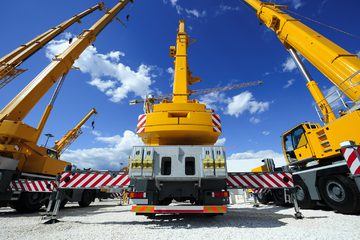
Different crane types are suited to different stages and conditions of construction. Mobile cranes provide flexibility and mobility across infrastructure sites, tower cranes dominate high-rise development, and luffing cranes address the spatial challenges of dense urban areas. Together, these machines form a complementary system that enables Australia’s construction industry to operate efficiently across varied project environments.
Mobile Cranes and Infrastructure Construction
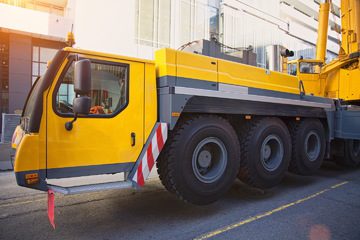
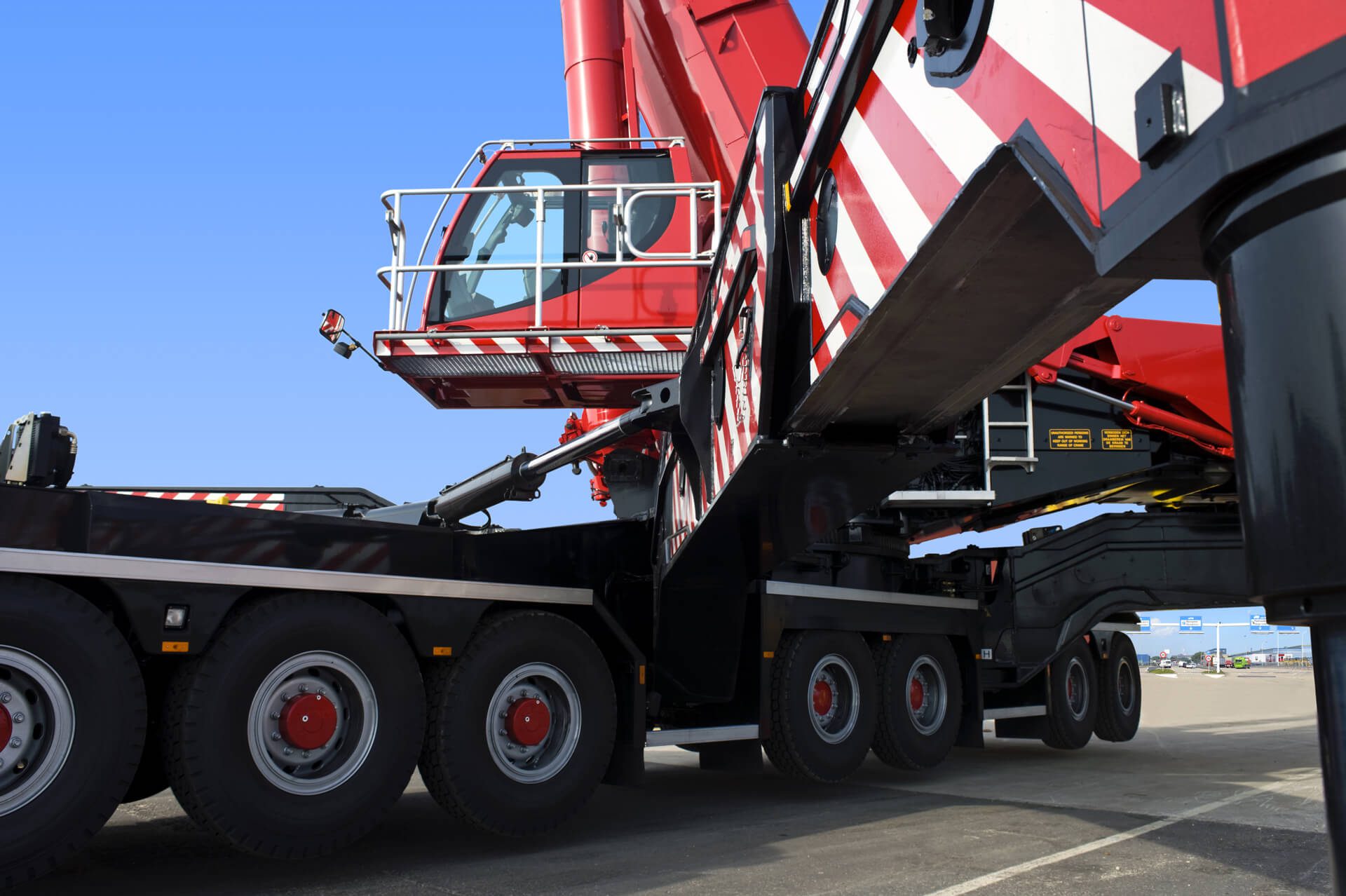
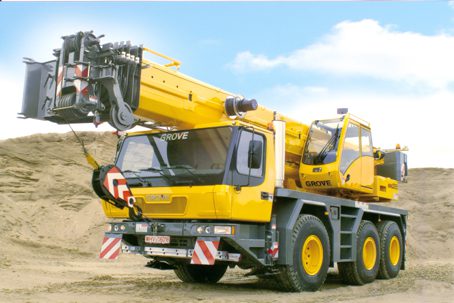
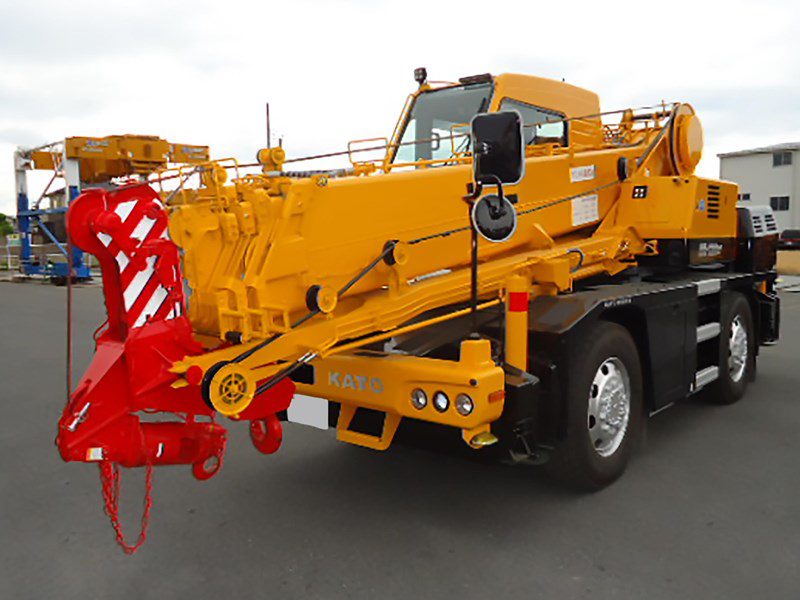
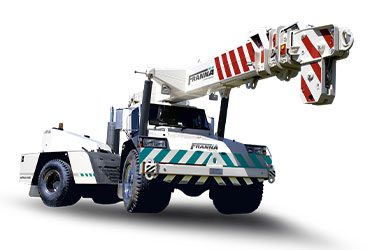
Infrastructure projects across Australia often rely heavily on mobile crane hire because of the versatility these machines provide. Mounted on wheeled or tracked carriers, mobile cranes can be transported quickly between worksites and deployed with relatively short setup times. This mobility makes them particularly valuable for road upgrades, bridge construction, and large-scale civil engineering works.
In regional and suburban infrastructure corridors, mobile cranes assist in tasks such as positioning precast concrete components, installing bridge girders, and handling heavy mechanical equipment. Their adaptability allows them to operate on uneven terrain or temporary worksites, conditions common in infrastructure projects that stretch across wide geographic areas.
Mobile cranes also play an important supporting role in urban construction, especially during the early phases of a project. Before permanent lifting equipment is installed, mobile cranes often handle excavation support structures, foundation materials, and large building components. In rapidly developing metropolitan regions like Melbourne and Brisbane, this flexibility allows construction schedules to proceed even in complex site conditions.
Tower Cranes and the Rise of High-Density Cities
Where mobile cranes emphasize mobility, tower crane hire represents the backbone of vertical construction. These cranes are designed for sustained operations over long project timelines, particularly on high-rise residential and commercial buildings.
Tower cranes dominate the skylines of Australia’s largest cities because they offer exceptional lifting height and load capacity while occupying a relatively small footprint at ground level. Once erected, they remain in place for the duration of construction, steadily lifting steel frameworks, concrete panels, and prefabricated building components to increasingly higher levels.
High-rise development has intensified across Australia’s urban centres as housing demand pushes development upward rather than outward. In cities like Sydney and Perth, tower cranes have become a visual symbol of residential expansion and commercial redevelopment.
These cranes are engineered for stability and precision, capable of rotating 360 degrees and transporting heavy materials across large worksites. Their presence allows contractors to coordinate multiple construction activities simultaneously, improving efficiency on projects where time constraints and cost pressures are significant.
Luffing Cranes in Dense Urban Environments
As construction increasingly moves into densely built districts, spatial limitations create new logistical challenges. This is where luffing crane hire becomes particularly valuable.
Luffing cranes differ from conventional tower cranes in the way their jibs move. Instead of sweeping wide horizontal arcs, the jib angle adjusts upward and downward, allowing operators to raise or lower loads without extending the crane’s radius significantly. This design reduces the risk of interference with neighboring structures or adjacent cranes.
Such capabilities are especially important in tight urban precincts, where multiple construction projects may occur side by side. Luffing cranes allow builders to work within strict airspace boundaries and municipal planning requirements. In compact city districts or redevelopment zones, their ability to operate with minimal horizontal swing helps maintain safe working conditions while preserving efficiency.
These cranes have therefore become common fixtures on inner-city high-rise projects, particularly in locations where several tower cranes operate simultaneously.
Safety Standards and Regulatory Oversight
Australia’s crane operations are governed by rigorous workplace safety regulations. Oversight comes from agencies such as Safe Work Australia, which establishes national guidelines for heavy equipment operation and worker protection.
Crane operators must hold specialized high-risk work licenses, and equipment must undergo regular inspections and certification. Detailed lift planning, risk assessments, and communication protocols are standard practice on major construction sites.
Safety considerations are especially critical in urban environments where construction occurs near public spaces, transport networks, and existing buildings. Engineers must calculate load limits, wind tolerances, and structural stability before cranes begin operations. These safeguards reflect Australia’s broader emphasis on workplace safety within the construction sector.
Technological Advances in Modern Crane Operations
The crane industry has also evolved through technological innovation. Digital monitoring systems now allow operators and site managers to track load weights, wind conditions, and crane movements in real time. Sensors and telematics provide data that can help prevent overloading and mechanical stress.
Automation features are gradually improving precision in lifting operations. Anti-collision technology, for example, enables cranes operating in close proximity to communicate with one another electronically, reducing the risk of equipment interference on crowded worksites.
These advancements are particularly important in large urban construction zones where multiple cranes may operate simultaneously. By integrating digital safety systems, construction firms can improve coordination while reducing the likelihood of accidents.
At the same time, sustainability considerations are influencing equipment design. Newer cranes are increasingly energy-efficient, and some models incorporate hybrid or electric power systems to reduce emissions on urban construction sites.
The Broader Economic Impact
The presence of cranes across Australian cities reflects more than construction activity alone. It signals broader economic momentum tied to housing development, infrastructure investment, and urban transformation.
For local economies, crane operations support thousands of skilled jobs ranging from engineers and operators to logistics planners and maintenance technicians. Equipment hire services, including mobile crane hire, tower crane hire, and luffing crane hire, function as essential links in the broader construction supply chain.
In northern districts of Sydney and other rapidly developing regions, crane activity often serves as an early indicator of future growth. The machinery visible above building sites represents projects that will eventually shape new neighborhoods, transport networks, and commercial districts.
Building the Cities of Tomorrow
Australia’s urban future will depend heavily on the efficiency and safety of its construction sector. As cities expand vertically and infrastructure networks grow more complex, cranes will remain indispensable tools in shaping the built environment.
From flexible mobile cranes supporting infrastructure projects to towering lattice structures guiding the rise of skyscrapers, the machinery of modern construction reflects a balance of engineering precision, regulatory oversight, and technological progress. In areas such as northern Sydney, where development pressure continues to reshape the urban landscape, crane operations are likely to remain central to the process of building the next generation of Australian cities.