Across the evolving skylines of Sydney and other rapidly growing urban centres, cranes have become one of the most visible indicators of economic momentum. From rail corridors and bridges to residential towers and commercial precincts, large-scale construction projects increasingly rely on specialised lifting equipment to navigate the logistical complexity of modern development. Within this environment, the role of city crane hire Sydney and similar services across Australia has grown from a simple equipment provision to a strategic component of project planning and delivery.
As Australian cities continue to densify, the demand for flexible lifting solutions—particularly mobile crane hire, tower crane hire, and luffing crane hire—reflects both the scale and the constraints of contemporary infrastructure and building projects. Each crane type plays a distinct role within the construction ecosystem, enabling engineers and contractors to overcome physical limitations, maintain safety standards, and keep major projects on schedule.
The Expanding Role of Crane Hire in Australian Construction
Australia’s construction sector has entered a period defined by urban renewal, infrastructure upgrades, and population-driven housing demand. Government investment in transport systems, combined with private sector development in high-density residential and mixed-use buildings, has significantly increased the need for heavy lifting capacity.
In cities such as Sydney, Melbourne, and Brisbane, land scarcity and vertical development mean projects often unfold within tight urban footprints. In these environments, crane deployment is rarely straightforward. Instead, construction managers rely heavily on specialised crane hire companies capable of providing tailored equipment configurations, engineering expertise, and operational coordination.
The concept of city crane hire Sydney illustrates how urban lifting services have evolved. Rather than supplying a single machine, crane hire providers now support complex project logistics, including lift planning, site assessments, and compliance with Australia’s strict workplace safety regulations. For many developers, hiring cranes offers flexibility that ownership cannot provide, particularly when project timelines and technical requirements vary significantly.
Mobile Cranes: Flexibility for Infrastructure and Large Components
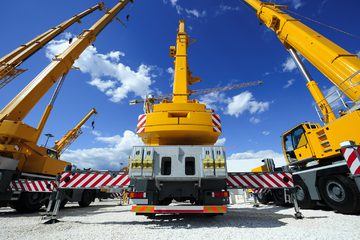
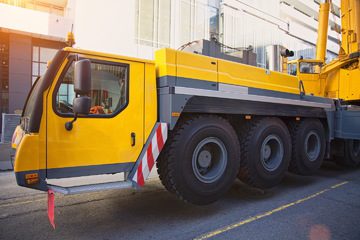
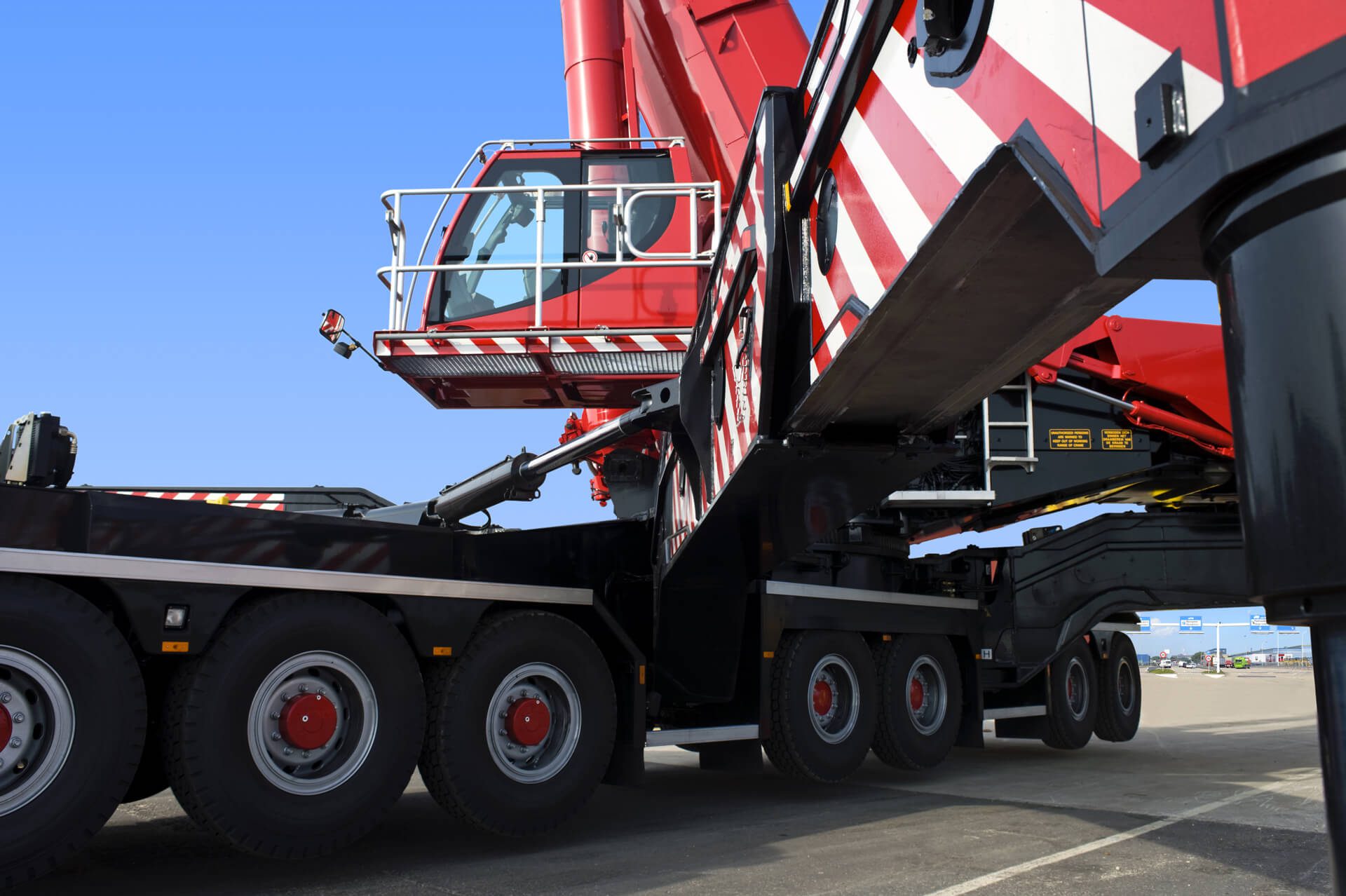
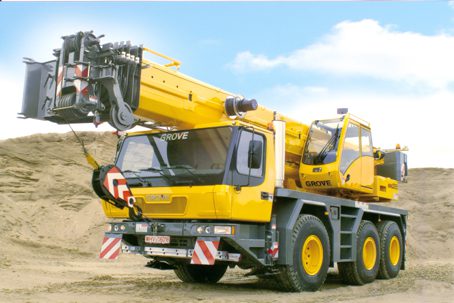
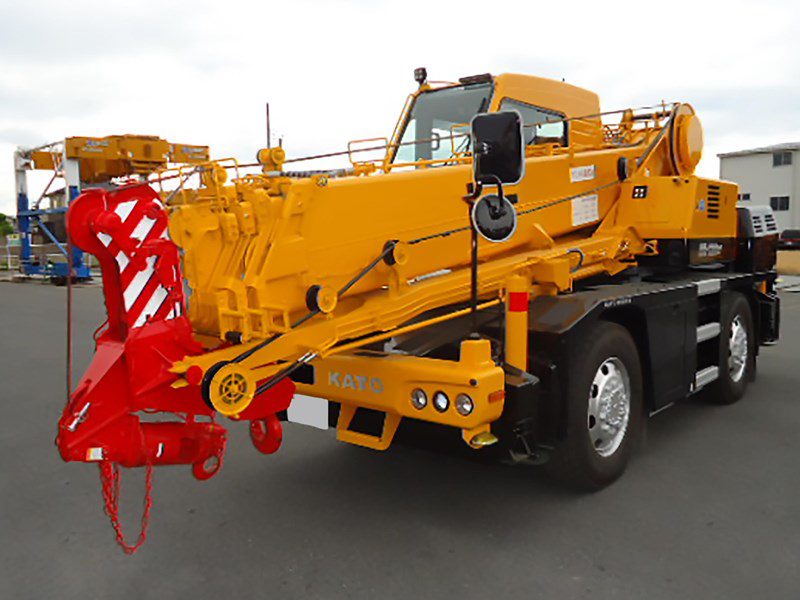
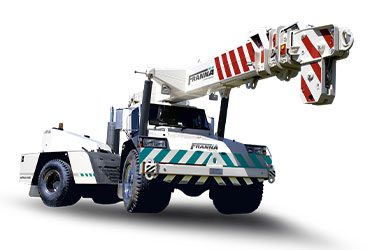
Among the most widely used lifting solutions in Australia is mobile crane hire, valued for its versatility across infrastructure and industrial projects. Mobile cranes are mounted on wheeled or crawler bases, allowing them to travel between sites and reposition quickly within a construction zone.
This mobility makes them particularly useful for infrastructure projects such as highway expansions, bridge installations, and rail network upgrades. Mobile cranes frequently handle prefabricated components, structural beams, and heavy mechanical equipment, tasks that demand high lifting capacity but limited vertical reach compared with skyscraper construction.
Australia’s growing reliance on modular and prefabricated construction methods has further increased the importance of mobile cranes. Large structural elements manufactured off-site must be transported and precisely positioned once they arrive at the building location. Mobile cranes offer the adaptability required for these operations, particularly when project timelines require rapid installation.
In urban environments, mobile cranes are also used during early project stages, assisting with site preparation, foundation work, and the assembly of permanent tower cranes.
Tower Cranes and the Vertical Expansion of Cities
When it comes to high-rise construction, tower crane hire remains the backbone of Australia’s vertical building sector. Tower cranes dominate the skylines of dense metropolitan districts because they provide the height, reach, and lifting capacity necessary for multi-storey developments.
Unlike mobile cranes, tower cranes are typically installed on-site and remain fixed for the duration of construction. Their long horizontal jibs allow materials such as steel reinforcement, concrete formwork, and façade components to be moved across large building footprints. This ability to cover an entire construction site from a central position significantly improves operational efficiency.
In major Australian cities experiencing rapid residential development, tower cranes enable the simultaneous construction of multiple levels. Concrete pours, structural assembly, and façade installation all rely on the continuous lifting capacity that tower cranes provide.
However, tower crane deployment requires extensive planning. Engineers must consider factors such as wind loads, building height progression, and proximity to surrounding structures. In dense urban districts like central Sydney, tower crane placement must also account for airspace restrictions, nearby buildings, and pedestrian safety.
Luffing Cranes and the Challenge of Density
As Australian cities become more compact, traditional tower cranes are sometimes insufficient for extremely tight building sites. In these cases, luffing crane hire offers a specialised solution designed specifically for high-density environments.
Luffing cranes differ from standard tower cranes because their jib can raise and lower vertically, rather than rotating in a wide horizontal arc. This capability allows the crane to operate within a smaller airspace footprint, making it ideal for projects located close to neighbouring buildings.
The dense urban core of Sydney provides numerous examples where luffing cranes are essential. When multiple high-rise developments occur within a single block or district, overlapping crane operations can create logistical challenges. Luffing cranes reduce the risk of interference by limiting the horizontal swing of the jib.
Their design also allows for greater control when lifting materials at extreme heights, a crucial feature for skyscrapers and complex mixed-use developments that continue to push Australian construction upward.
Safety Standards and Regulatory Oversight
Australia maintains some of the most comprehensive construction safety regulations in the world, and crane operations fall under particularly strict oversight. Authorities such as Safe Work Australia establish national frameworks governing equipment certification, operator training, and workplace risk management.
Every crane used on an Australian construction site must comply with engineering standards related to structural integrity, load limits, and maintenance schedules. Operators are required to hold specialised licences, and projects must develop detailed lift plans before heavy equipment is deployed.
Urban crane operations also involve coordination with local government agencies to manage road closures, pedestrian safety zones, and surrounding building access. These measures are especially critical in densely populated districts, where lifting activities often occur above public spaces or adjacent properties.
Safety considerations extend beyond equipment and operators. Modern construction sites integrate communication systems, exclusion zones, and digital monitoring tools to minimise the risk of accidents during lifting operations.
Technology Transforming Crane Operations
Technological advancements are gradually reshaping how cranes operate across Australia’s construction sector. Digital planning software allows engineers to simulate lift sequences before equipment arrives on site, reducing uncertainty and improving efficiency.
Many modern cranes now incorporate real-time load monitoring systems that alert operators if lifting limits are approached. Remote diagnostics also enable maintenance teams to identify mechanical issues before they lead to equipment failure.
Automation and data analytics are beginning to influence crane fleet management as well. Sensors embedded in lifting equipment can track usage patterns, environmental conditions, and structural stress, helping companies optimise equipment deployment across multiple projects.
For large-scale developments in cities like Sydney, these technologies are becoming increasingly valuable. Construction timelines are often compressed, and the ability to coordinate complex lifting schedules can significantly reduce project delays.
A Critical Yet Often Overlooked Infrastructure Layer
Despite their prominence on construction sites, cranes rarely receive attention in broader discussions about urban development. Yet without the logistical capacity provided by mobile crane hire, tower crane hire, and luffing crane hire, many of Australia’s most ambitious projects would struggle to progress.
From transport infrastructure that supports growing populations to residential towers addressing housing shortages, cranes form an essential yet largely invisible layer of the development process. The expertise behind city crane hire Sydney reflects how specialised lifting services have become integral to delivering projects safely and efficiently.
As Australia continues to invest in urban infrastructure and vertical development, cranes will remain a defining feature of the construction landscape. Their presence above city streets serves not only as a symbol of growth, but also as a reminder of the complex engineering and planning required to shape the cities of the future.