Western Sydney has become one of Australia’s most dynamic construction zones. Massive transport upgrades, residential developments, logistics hubs, and the construction of a new international airport are reshaping the region at a remarkable pace. While cranes have long been symbols of economic expansion, their role in Western Sydney today extends far beyond simple lifting equipment. They are central to how modern infrastructure projects are planned, coordinated, and delivered.
Within this rapidly developing landscape, the strategic use of mobile crane hire, tower crane hire, and luffing crane hire has become essential to construction activity. Crane services operating in major metropolitan areas—particularly those supporting city crane hire Western Sydney projects—play a key logistical role in enabling contractors to navigate the technical demands of large infrastructure works and increasingly dense urban developments.
The presence of cranes across the region reflects a broader transformation in Australian construction. As cities expand and infrastructure investment accelerates, the machinery supporting these projects must adapt to new engineering challenges, stricter safety standards, and rapidly evolving technology.
Western Sydney’s Infrastructure Transformation
Western Sydney’s growth is part of a wider shift in Australia’s urban development patterns. Over the past decade, federal and state governments have directed significant investment toward expanding transport networks, housing supply, and industrial infrastructure in the region.
Major projects such as motorway expansions, rail corridors, and the Western Sydney International Airport have created large-scale construction zones that require sophisticated lifting capabilities. At the same time, suburban centers are seeing the rise of multi-story residential buildings, commercial complexes, and mixed-use developments designed to support population growth.
In this environment, crane operations must adapt to a diverse set of construction needs. Infrastructure projects often require large, heavy lifts across wide construction sites, while residential and commercial towers demand precise vertical lifting within tightly constrained urban areas.
Crane services supporting city crane hire Western Sydney projects must therefore coordinate multiple crane types, ensuring each is deployed where it can deliver the greatest operational efficiency.
The Flexibility of Mobile Cranes
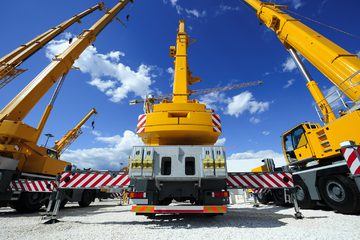
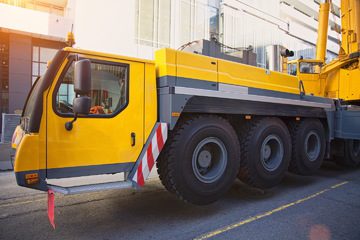
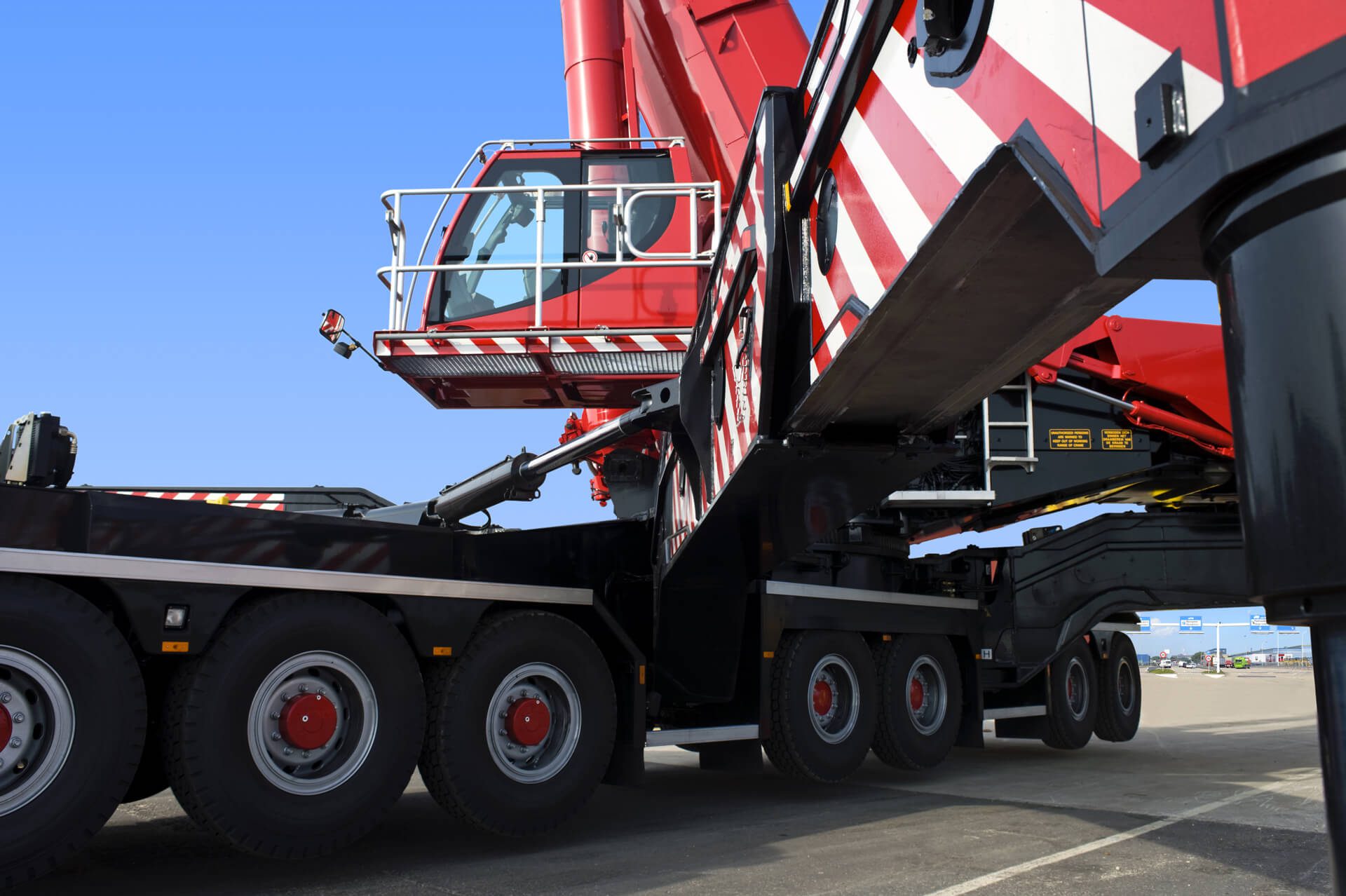
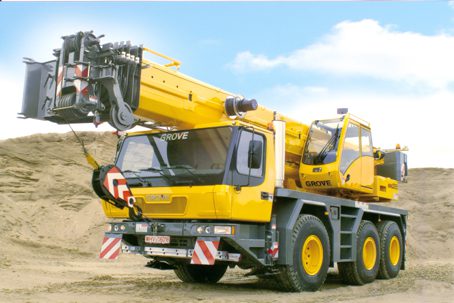
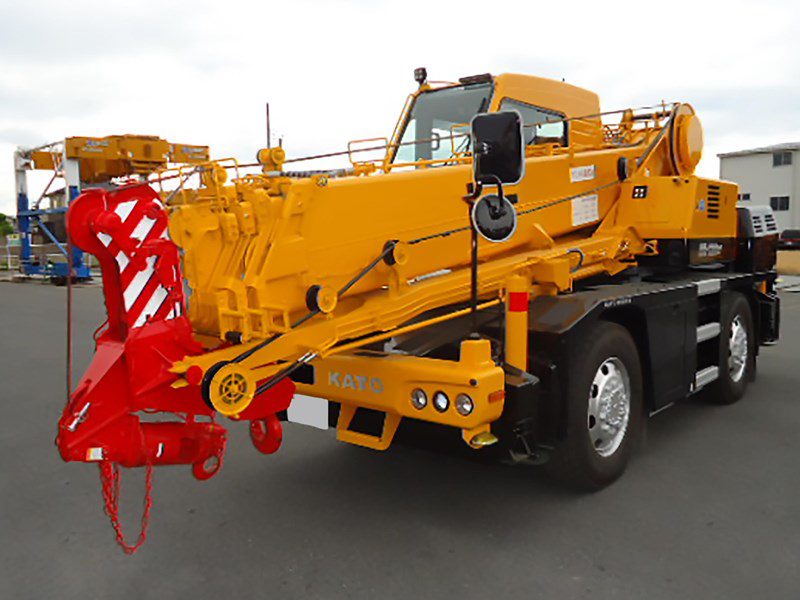
Across large infrastructure sites, mobile crane hire remains one of the most versatile solutions available to construction teams. Mobile cranes can be transported quickly between job sites and set up with minimal preparation, making them particularly useful for projects spread across wide geographic areas.
In Western Sydney, where new roads, rail infrastructure, and industrial developments extend across large corridors, mobile cranes often handle the early and intermediate phases of construction. These machines are used to install structural components, position heavy equipment, and lift prefabricated materials into place.
Their ability to move easily around the construction site allows crews to reposition lifting capacity as the project evolves. This flexibility is particularly valuable on infrastructure projects where work zones shift as construction progresses.
While mobile cranes offer unmatched mobility, other crane types are better suited for projects that require continuous lifting at significant heights.
Tower Cranes and the Rise of High-Density Development
As Western Sydney’s urban centers expand, multi-story buildings have become increasingly common. Apartment complexes, commercial towers, and institutional facilities require equipment capable of delivering materials dozens of floors above ground.
In these situations, tower crane hire becomes the backbone of vertical construction. Tower cranes are typically anchored to a concrete foundation and tied into the structure as it rises, enabling them to lift heavy loads to great heights with precision.
The skyline of emerging urban hubs such as Parramatta illustrates this shift clearly. Once dominated by low-rise buildings, these areas are now experiencing sustained high-rise development. Tower cranes enable builders to transport steel beams, concrete panels, and mechanical equipment upward as construction progresses floor by floor.
Their ability to maintain consistent lifting capacity throughout the construction cycle makes tower cranes indispensable for projects where vertical scale defines the engineering challenge.
Navigating Tight Urban Spaces With Luffing Cranes
Urban construction introduces a different set of challenges. When multiple buildings rise within the same district, cranes must operate without interfering with neighboring structures or each other.
This is where luffing crane hire plays an increasingly important role. Luffing cranes differ from traditional tower cranes by using a movable jib that can be raised or lowered. This mechanism allows the crane to reduce its horizontal footprint when necessary, a crucial advantage in dense city environments.
In areas of Western Sydney undergoing rapid urbanization, such as transport hubs or mixed-use developments, luffing cranes help construction teams manage limited airspace. Their adjustable radius allows operators to lift materials efficiently without extending over nearby buildings or active roadways.
As urban density increases, the importance of luffing cranes is likely to grow. Their ability to operate within constrained environments makes them well suited to the complex development patterns now emerging across Australia’s major cities.
Safety Standards in a High-Risk Industry
The extensive use of cranes across large construction projects brings significant safety considerations. Crane operations involve heavy loads, complex machinery, and often work at extreme heights—conditions that demand strict regulatory oversight.
In Australia, national safety guidelines established by Safe Work Australia provide a framework for crane operation across the construction sector. These standards govern equipment maintenance, operator training, and safe lifting procedures.
Before cranes are installed on a construction site, engineers must conduct detailed risk assessments that account for factors such as ground stability, load weight, and wind conditions. Lift planning is a critical component of this process, particularly on high-rise projects where crane stability must be carefully managed as the building grows taller.
State regulators also conduct site inspections and enforce compliance with workplace safety laws. Crane operators must hold specialized licenses, and construction companies are required to implement comprehensive safety management systems.
These regulatory frameworks are especially important in urban areas where cranes operate near public spaces, transportation networks, and occupied buildings. Maintaining strict safety protocols helps reduce the risk of accidents while ensuring that construction projects proceed without disrupting surrounding communities.
Technology Reshaping Crane Operations
Technological innovation is transforming crane operations across Australia’s construction industry. Digital planning tools now allow engineers to simulate crane placements and lifting sequences before equipment arrives on site.
One of the most influential technologies is building information modeling, or BIM. By integrating crane positions into a digital model of the construction site, project teams can analyze how equipment will interact with buildings, infrastructure, and surrounding structures.
This capability is particularly valuable for projects involving tower crane hire or luffing crane hire, where spatial coordination is critical. Simulations help identify potential conflicts and improve planning efficiency before construction begins.
Modern cranes are also equipped with advanced monitoring systems. Sensors can measure load weight, wind speed, and mechanical stress in real time, giving operators immediate feedback during lifting operations. These systems enhance both safety and productivity by allowing crews to respond quickly to changing conditions.
In large projects associated with city crane hire Western Sydney, these technological tools have become increasingly important for coordinating multiple cranes operating simultaneously across complex job sites.
A Symbol of Australia’s Construction Momentum
Across Western Sydney, cranes have become unmistakable symbols of transformation. They mark the sites where new transport infrastructure, residential neighborhoods, and commercial districts are taking shape.
Behind this visible progress lies a sophisticated network of construction logistics in which crane services play a central role. The coordinated use of mobile crane hire, tower crane hire, and luffing crane hire allows builders to adapt to projects ranging from large-scale infrastructure corridors to tightly packed urban developments.
As Australia continues to invest in housing, transportation, and economic infrastructure, the machinery enabling these projects will remain essential. Cranes may be temporary fixtures on the skyline, but their impact on urban development is lasting.
In Western Sydney, where growth continues at an extraordinary pace, crane operations illustrate the intricate engineering and logistical planning required to build the cities of the future.