Across Australia’s major cities, cranes have become one of the most visible indicators of economic activity. From the rapidly evolving skylines of Sydney and Melbourne to the infrastructure corridors stretching across Queensland and Western Australia, the presence of towering steel structures above construction sites signals a nation continuing to build at scale. Behind that skyline transformation lies a highly specialized sector of the construction industry: crane operations and equipment rental.
The increasing reliance on mobile crane hire, tower crane hire, and luffing crane hire reflects broader changes in how Australian construction projects are planned and executed. These lifting systems are no longer simply pieces of machinery; they are strategic tools that shape timelines, safety standards, and the feasibility of complex urban development.
The Strategic Importance of Cranes in Urban Development
Modern construction projects require precise coordination between structural engineering, logistics, and urban planning. In dense metropolitan environments, cranes play a central role in solving logistical challenges that would otherwise stall development.
In cities such as Sydney, where land availability is limited and building density continues to increase, construction sites often operate within extremely tight spatial constraints. Developers and contractors frequently rely on tower crane hire sydney services to manage vertical construction efficiently. Tower cranes allow heavy materials—steel beams, precast panels, and mechanical systems—to be transported hundreds of feet above ground with precision.
Unlike traditional lifting methods, tower cranes can remain fixed for months or even years as a structure rises floor by floor. Their long horizontal jibs allow crews to move materials across large building footprints without the need for constant repositioning, making them essential for high-rise developments.
In many respects, tower cranes have become the backbone of vertical construction in Australia’s urban centres, enabling the steady rise of residential towers, commercial office blocks, and mixed-use precincts.
Different Cranes for Different Construction Challenges
The diversity of modern construction projects means no single crane design can meet every requirement. As a result, contractors rely on a combination of mobile crane hire, tower crane hire, and luffing crane hire, each suited to different types of construction environments.
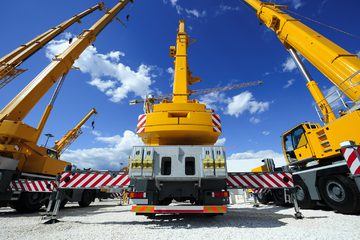
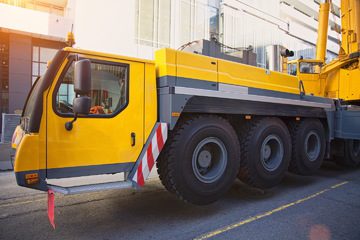
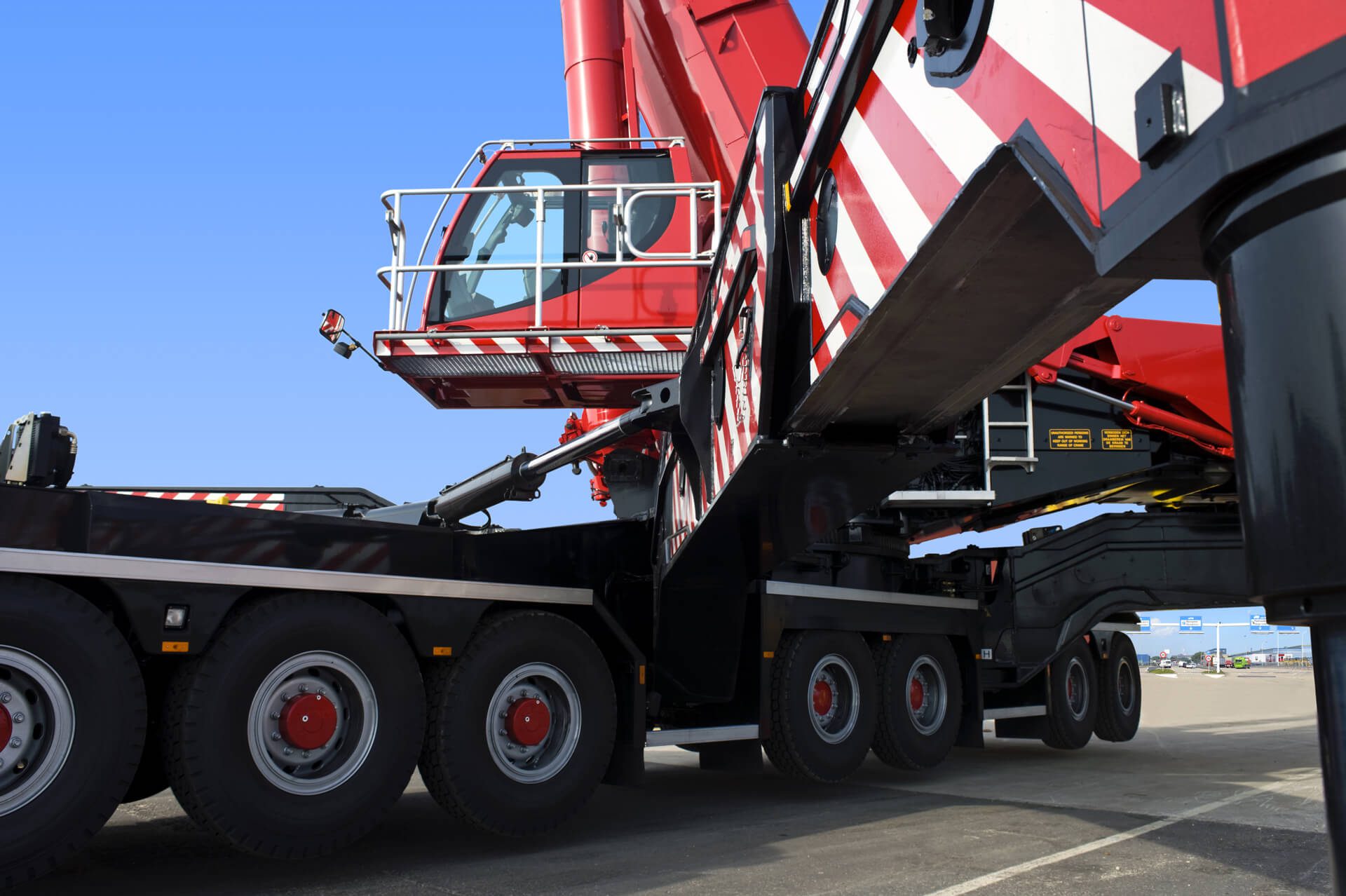
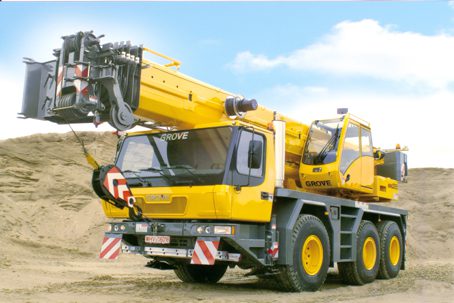
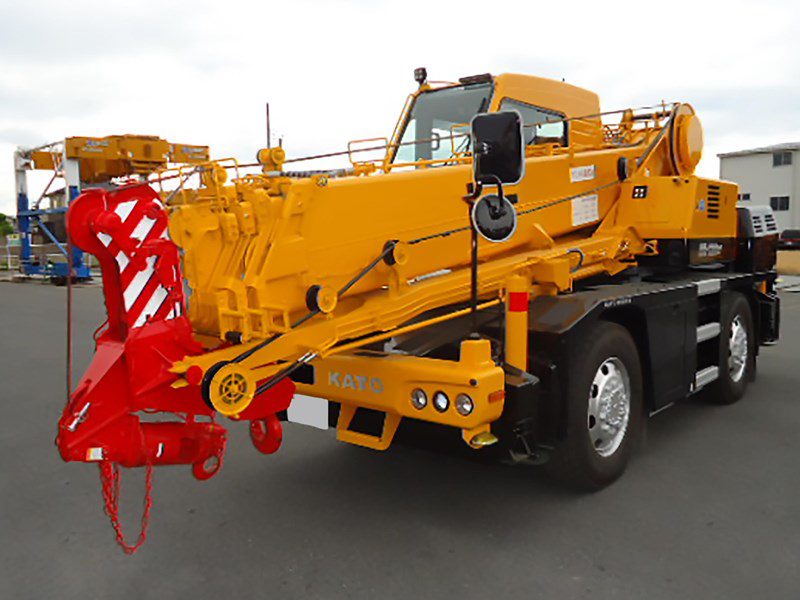
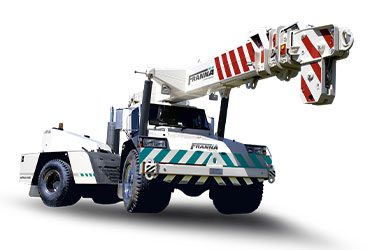
Mobile cranes remain among the most versatile lifting machines used in Australian construction. Mounted on trucks or specialized carriers, they can travel directly to a project site and begin operating with minimal setup. Their flexibility makes them particularly valuable for infrastructure projects, bridge installations, road works, and short-duration lifts.
In major transport upgrades or renewable energy installations, mobile cranes are often responsible for placing heavy prefabricated components such as bridge segments, wind turbine elements, and large structural beams. Their ability to relocate quickly between job sites allows contractors to maintain momentum across multiple stages of a project.
Tower cranes, by contrast, are designed for stability and sustained lifting capacity during long construction cycles. Their fixed bases and vertical mast sections allow them to climb alongside a building as it rises. For large residential towers or office complexes, tower cranes can operate continuously for extended periods, coordinating the flow of materials required for each stage of construction.
Where urban density becomes even more restrictive, developers increasingly turn to luffing crane hire. Luffing cranes differ from conventional tower cranes in the way their jib moves. Rather than sweeping in a wide arc, the jib can raise or lower its angle, allowing the crane to operate in confined airspace without interfering with neighbouring buildings or other cranes.
This feature is particularly valuable in central business districts where multiple high-rise projects may operate simultaneously within a small area. Luffing cranes can minimize overlap between crane jibs, reducing the risk of collisions and enabling construction in areas where traditional tower cranes would struggle to operate safely.
Safety Standards in a High-Risk Environment
Cranes represent some of the most powerful machines used in the construction sector, and their operation carries inherent risks. Australia maintains some of the world’s strictest safety standards governing crane use, reflecting the potentially severe consequences of equipment failure or operational mistakes.
Workplace safety regulators and industry bodies enforce detailed requirements related to crane installation, load management, operator certification, and maintenance schedules. Each crane must undergo rigorous inspection before it can be commissioned on a site, and ongoing monitoring ensures structural integrity throughout the project lifecycle.
Operators must hold specialized licences and complete extensive training to manage complex lifting operations. These requirements are especially critical in dense urban environments where cranes operate near occupied buildings, busy roads, and public infrastructure.
The introduction of digital monitoring technologies has also improved safety oversight. Modern cranes increasingly incorporate load-moment indicators, anti-collision systems, and real-time diagnostics that alert operators when equipment approaches operational limits.
For large sites where multiple cranes operate simultaneously, advanced software can coordinate crane movements and prevent overlapping lifting paths. These systems reduce human error and improve coordination between operators, site managers, and logistics teams.
Technology Transforming the Crane Industry
Beyond safety improvements, technological innovation is transforming how cranes integrate into the broader construction process.
Digital modeling tools, particularly those associated with building information modeling (BIM), now allow project planners to simulate crane placements and lifting sequences before construction begins. Engineers can analyze reach, load capacity, and site geometry to determine the most efficient crane configuration.
This approach helps reduce costly delays during the construction phase. When planners understand exactly where cranes will operate and how materials will move across a site, project managers can schedule deliveries and installations with greater precision.
Automation is also beginning to influence crane operations. Remote monitoring platforms allow engineers to track crane performance, weather conditions, and operational efficiency from off-site control centres. While fully autonomous crane operations remain largely experimental, the industry is steadily moving toward greater integration of data analytics and digital control systems.
Such advancements may prove especially valuable as Australia continues to invest in large-scale infrastructure projects, where complex logistics demand precise coordination between machinery, workforce, and supply chains.
Regulatory Frameworks and Industry Oversight
Australia’s regulatory landscape for crane operations reflects a broader commitment to workplace safety and engineering accountability. Construction companies must comply with detailed standards covering equipment certification, structural design, and operational procedures.
Engineering approvals are required for crane foundations, tie-ins to buildings, and lifting plans involving unusual loads. Regulators also mandate detailed documentation outlining lift procedures, risk assessments, and contingency planning.
The regulatory environment ensures that crane operations are not treated as routine mechanical tasks but as critical engineering activities that require professional oversight.
Industry associations and safety organizations further support compliance through training programs and best-practice guidelines. These initiatives aim to maintain a consistent standard across the country’s diverse construction sector, which ranges from small residential developments to massive infrastructure megaprojects.
A Critical Component of Australia’s Construction Future
Australia’s construction industry faces an increasingly complex set of challenges. Population growth, urban densification, and infrastructure expansion are driving demand for projects that push the limits of engineering and logistics.
In this context, cranes serve as more than simply tools of construction. They are enabling technologies that make ambitious architectural and infrastructure projects possible.
The strategic use of mobile crane hire, tower crane hire, and luffing crane hire allows developers to adapt to the constraints of modern construction environments, whether building vertically in dense city centres or assembling large infrastructure components across vast regional landscapes.
As cities continue to evolve and skylines expand, the silhouette of cranes above construction sites will remain a defining image of Australia’s development. Their presence reflects not only the physical growth of urban centres but also the technical sophistication and planning required to build them safely and efficiently.
In an industry where precision, safety, and coordination determine success, cranes will continue to play a central role in shaping the structures—and the cities—of the future.