Across Australia’s rapidly evolving cities, cranes have become an unmistakable feature of the urban landscape. From sprawling transport corridors to clusters of high-rise residential towers, the nation’s construction boom depends on highly specialized lifting equipment capable of operating in diverse and often challenging environments. Among the most critical resources supporting these projects are services such as mobile crane hire, tower crane hire, and luffing crane hire—tools that quietly underpin some of the country’s most ambitious infrastructure and urban development initiatives.
In regions such as Western Sydney, where large-scale transport upgrades and residential expansion are transforming the metropolitan fringe, mobile crane hire western Sydney has become an essential component of construction logistics. These machines provide the flexibility required for modern projects that must move quickly, adapt to tight sites, and meet stringent safety and regulatory standards.
The Expanding Demand for Lifting Capacity
Australia’s construction sector has entered a period of sustained investment, driven by population growth and infrastructure modernization. Projects ranging from motorway expansions to new hospitals and housing developments are reshaping cities like Sydney and Melbourne. As these developments intensify, the demand for specialized lifting equipment has risen accordingly.
Unlike permanent construction machinery installed for a single long-term project, crane hire allows contractors to access equipment tailored to specific phases of construction. This flexibility has become particularly valuable in fast-paced urban environments where timelines are tight and space is limited.
Mobile crane hire western Sydney illustrates this dynamic clearly. Infrastructure works linked to the broader growth corridor surrounding the future airport and new transport links require cranes that can be transported quickly between job sites. Mobile cranes, mounted on wheeled carriers, provide precisely that capability, enabling contractors to mobilize heavy lifting capacity without long setup times.
Mobile Cranes: Versatility on Expanding Job Sites
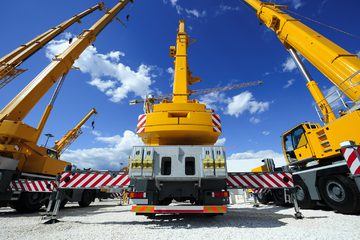
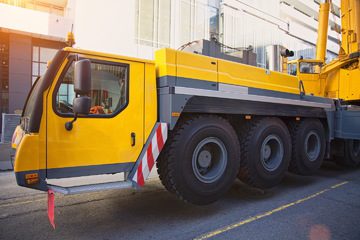
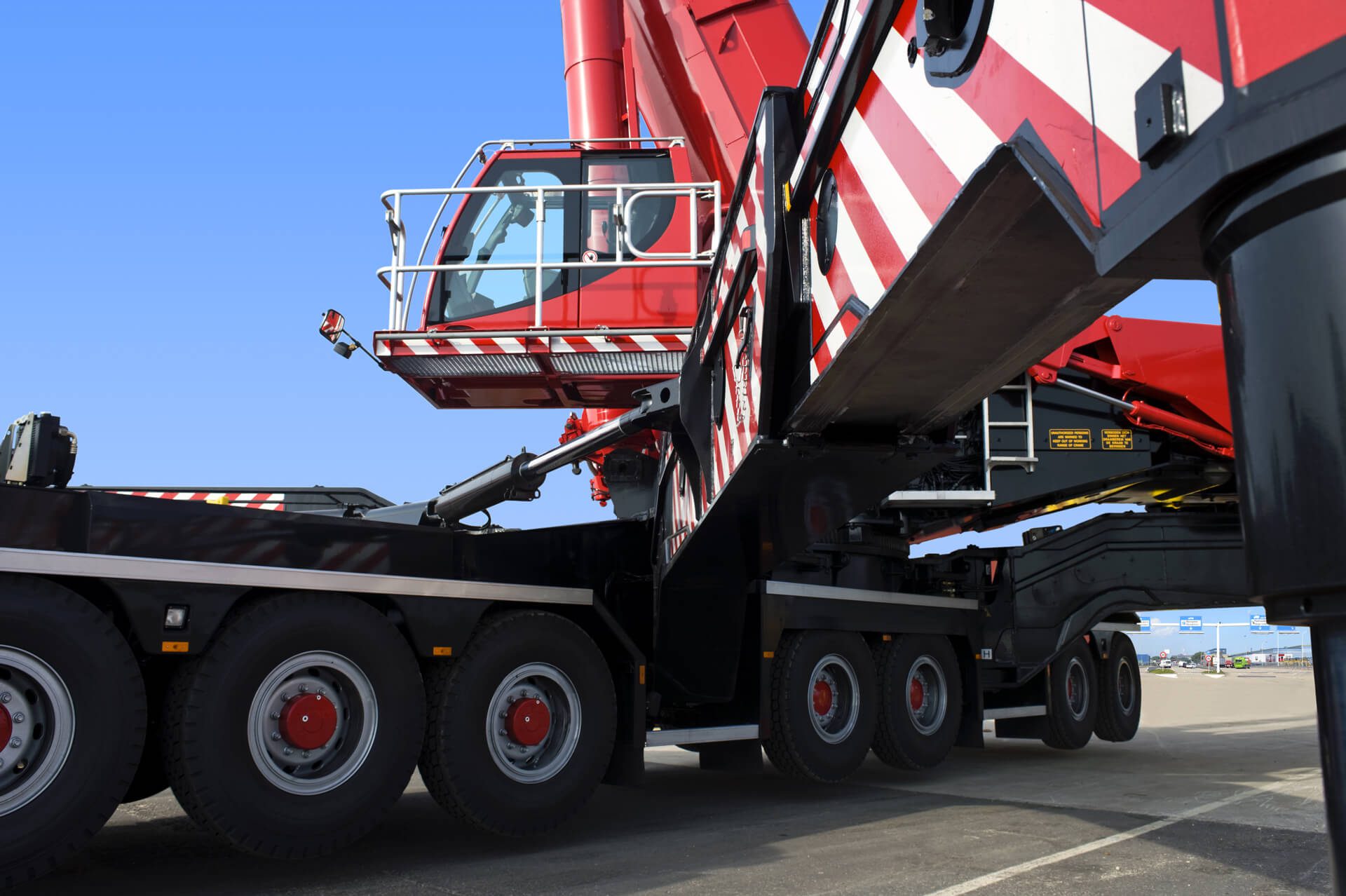
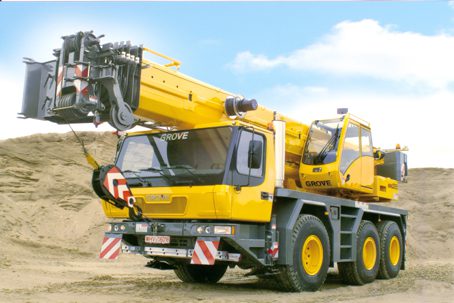
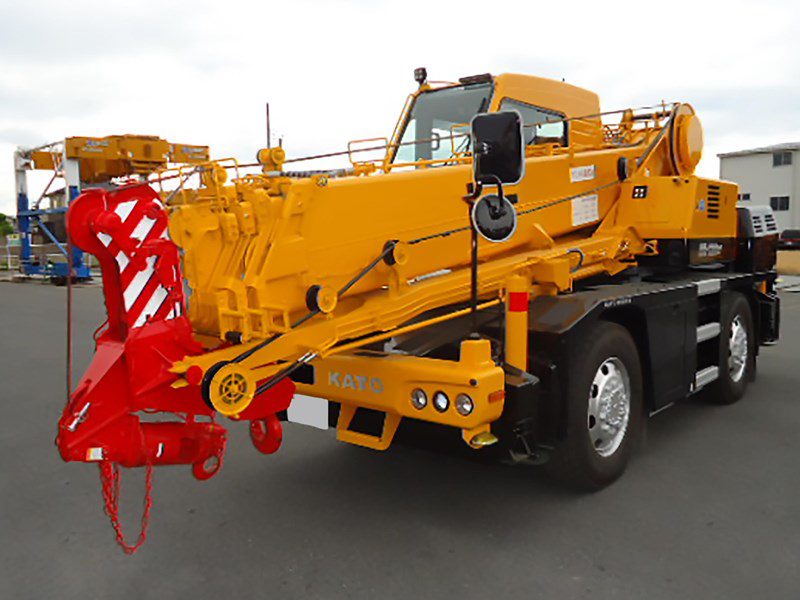
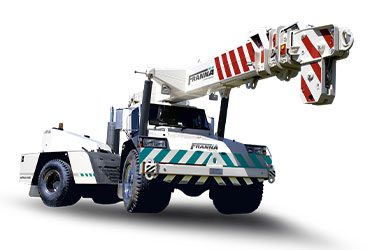
Mobile cranes are widely regarded as the most adaptable lifting equipment in the construction sector. Mounted on trucks or specialized carriers, they can travel on public roads and arrive ready for operation with minimal assembly.
This versatility makes mobile crane hire indispensable for infrastructure projects such as bridge construction, road upgrades, and utility installations. In many cases, these projects occur across multiple locations within a single corridor, requiring equipment that can relocate rapidly as work progresses.
In Western Sydney’s expanding suburbs, mobile cranes are frequently used to install precast concrete elements, steel structures, and large mechanical components. Their telescopic booms allow operators to reach significant heights while maintaining stability, even in constrained sites where larger fixed cranes would be impractical.
Beyond infrastructure, mobile cranes also support mid-rise construction and industrial developments. Their ability to handle varied lifting tasks—from placing roof trusses to installing heavy equipment—makes them an efficient solution for contractors seeking operational flexibility.
Tower Cranes and the Rise of Vertical Cities
While mobile cranes dominate horizontal infrastructure projects, tower cranes define the skyline of Australia’s major urban centres. These tall, fixed cranes are a staple of high-rise construction, particularly in dense inner-city districts where vertical lifting capacity is essential.
Tower crane hire allows developers to deploy equipment capable of lifting heavy materials hundreds of metres into the air. Steel beams, prefabricated building sections, and concrete buckets are routinely transported from ground level to the upper floors of skyscrapers.
The structure of a tower crane—anchored to a concrete base and rising alongside the building itself—enables precise lifting operations over extended periods. This stability is critical for high-rise projects that can take several years to complete.
In cities experiencing rapid residential growth, tower cranes have become symbolic of urban transformation. Their presence reflects not only the scale of development but also the engineering complexity required to construct taller, denser buildings within existing city grids.
Luffing Cranes and the Challenge of Dense Urban Construction
In the tightest construction environments, however, even tower cranes can face limitations. That is where luffing crane hire becomes indispensable.
Luffing cranes, sometimes referred to as luffing-jib cranes, are designed specifically for confined urban sites. Unlike traditional tower cranes whose horizontal jibs sweep large arcs through the air, luffing cranes raise and lower their jib angles, allowing them to operate within smaller airspace envelopes.
This capability is particularly valuable in dense central districts where multiple cranes may be working simultaneously and strict airspace restrictions apply. In crowded city blocks, preventing crane arms from overlapping with neighbouring structures—or with each other—can be a significant engineering challenge.
Luffing cranes address this issue by providing vertical movement rather than wide horizontal rotation. As a result, they are commonly deployed on high-rise developments surrounded by existing buildings or infrastructure.
Across Australia’s largest cities, luffing crane hire has become an important solution for projects attempting to maximize limited urban land while maintaining safe operational boundaries.
Safety and Regulation in Australia’s Crane Sector
The increasing scale and complexity of crane operations has brought heightened attention to safety standards. In Australia, crane use is governed by strict regulations designed to protect workers and the public.
Authorities such as Safe Work Australia establish national guidelines covering operator certification, equipment inspection, and site safety planning. Individual states enforce these rules through licensing systems and compliance inspections.
Crane operators must undergo specialized training and hold high-risk work licences to operate various crane classes. In addition, engineering assessments are required to ensure ground stability, load capacity, and safe lifting procedures before operations begin.
Modern construction projects also incorporate digital planning tools to reduce risk. Computer-based lift planning software allows engineers to simulate lifting scenarios in advance, identifying potential hazards and optimizing crane positioning.
These regulatory and technological frameworks have significantly improved safety outcomes in recent decades, even as crane sizes and lifting capacities have grown.
Technology Reshaping Crane Operations
Technological innovation is also reshaping the capabilities of cranes themselves. Advanced telematics systems now allow project managers to monitor equipment performance in real time, tracking factors such as load weight, wind speed, and operational efficiency.
Remote diagnostics help identify maintenance issues before they become safety risks, while automated safety features can prevent cranes from operating beyond their rated capacity.
In some cases, semi-autonomous controls are being introduced to assist operators in complex lifting scenarios. Sensors and computer guidance systems can help maintain stability, particularly during delicate lifts on high-rise projects.
These technologies are gradually transforming crane operations from purely mechanical tasks into highly monitored, data-driven processes. As Australia’s construction sector continues to modernize, such systems are likely to become standard across major projects.
The Quiet Backbone of Infrastructure Growth
Despite their visibility on skylines and construction sites, cranes rarely attract the public attention given to the projects they help create. Yet without them, much of Australia’s infrastructure development would be impossible.
Mobile crane hire western Sydney supports the region’s transport expansion and industrial growth. tower crane hire enables the vertical construction that defines modern city centres. Luffing crane hire allows developers to build safely within increasingly crowded urban environments.
Together, these machines form an essential but often overlooked layer of the construction ecosystem. Their adaptability, engineering precision, and regulatory oversight reflect the sophistication of a sector tasked with building the nation’s future.
As Australian cities continue to grow—both outward and upward—the cranes that dot their skylines will remain a defining symbol of transformation. Behind each lift of steel or concrete lies a complex network of technology, expertise, and planning that keeps the country’s development moving forward.