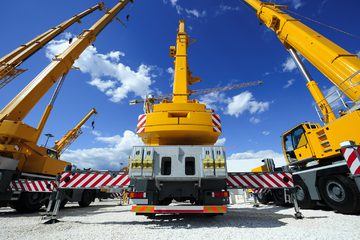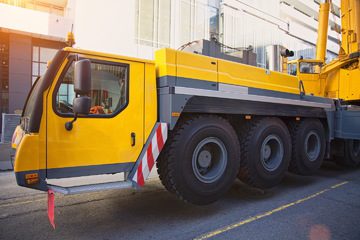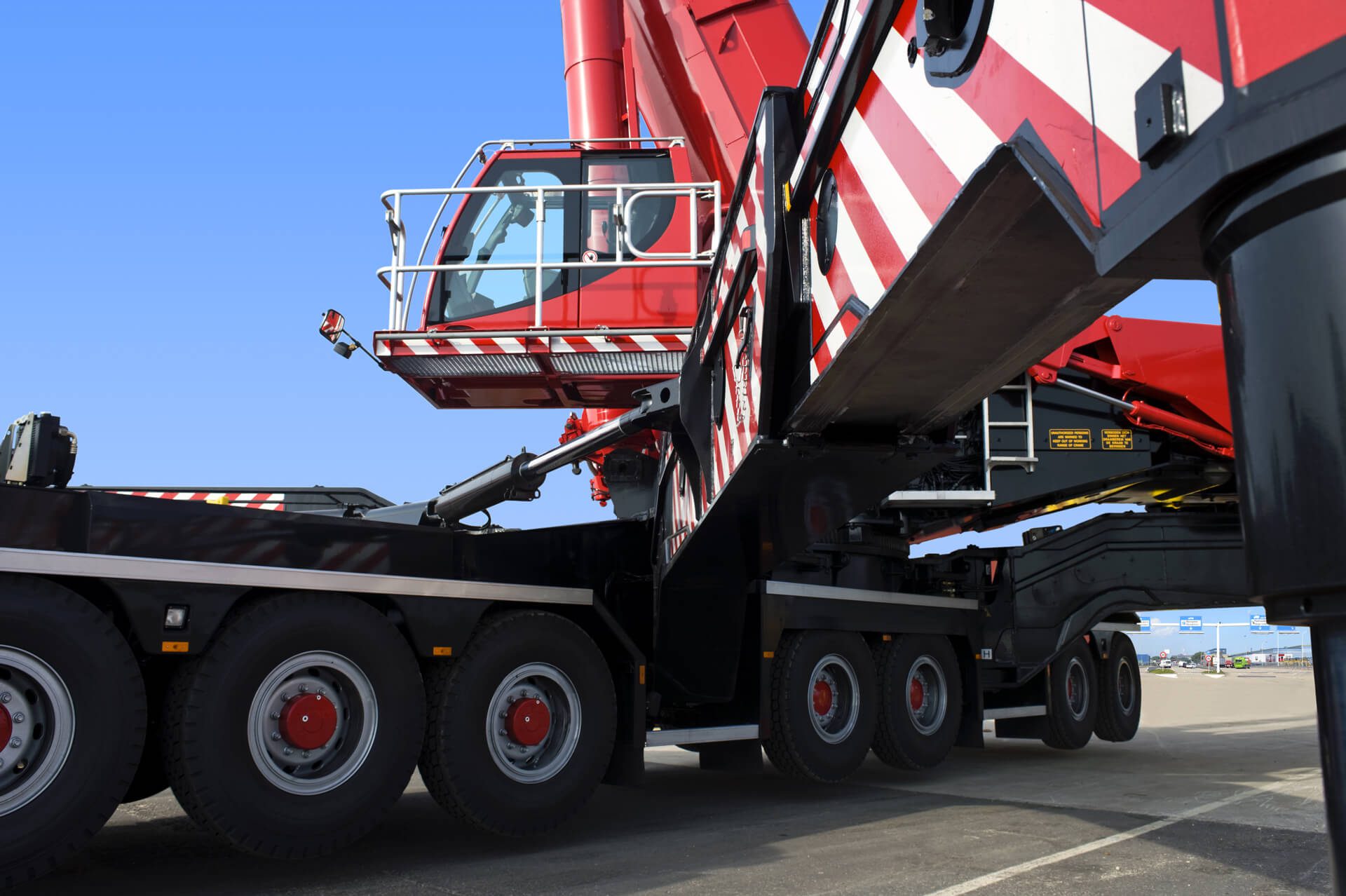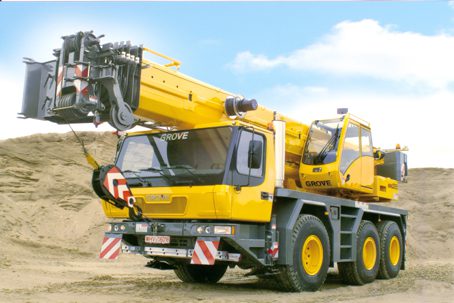
Across Australia’s rapidly evolving urban landscape, cranes are among the most visible symbols of economic activity. Towering above construction sites, they signal large-scale investment in housing, transport, and commercial infrastructure. Behind this visible machinery lies a complex system of planning, engineering, and logistics that enables modern construction to function efficiently. Central to that system is the increasing reliance on mobile crane hire, tower crane hire, and luffing crane hire, each serving distinct roles in building Australia’s cities and infrastructure networks.
In metropolitan hubs such as Sydney, the demand for advanced lifting solutions has grown alongside the pace of urban redevelopment. The strategic use of cranes—particularly through flexible hire arrangements—has become essential to delivering projects in dense urban environments where space, safety, and time constraints are constant challenges.
The Strategic Role of Mobile Crane Hire in Sydney
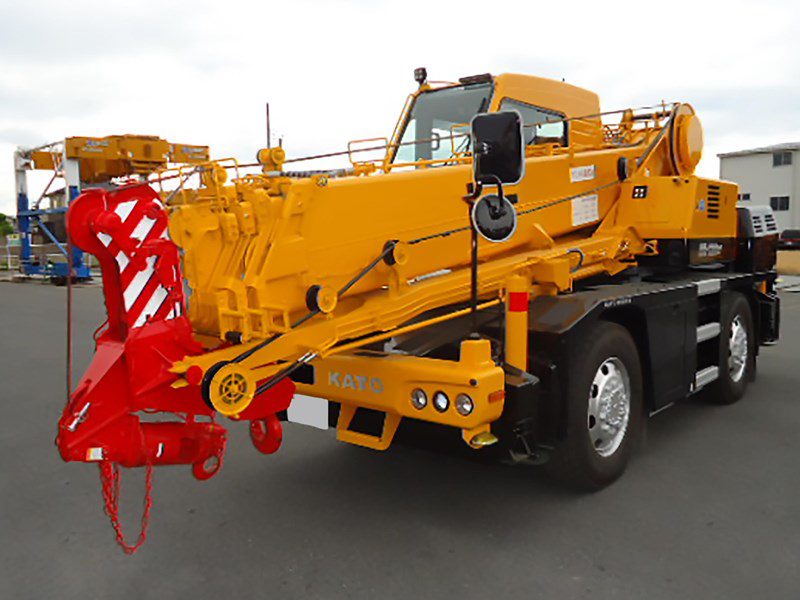
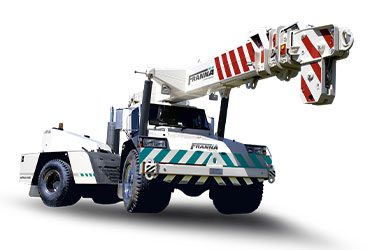
Among the various lifting solutions used in Australian construction, mobile crane hire Sydney has become particularly important in large metropolitan regions. Mobile cranes offer mobility and versatility that stationary lifting systems cannot match, making them indispensable for projects that require rapid setup and relocation.
Sydney’s expanding infrastructure programs provide a clear example of this dynamic. Rail expansions, motorway upgrades, and waterfront redevelopment projects often span large geographic areas, requiring equipment that can move between sites quickly. Mobile cranes, mounted on wheeled or tracked carriers, can be transported and deployed with minimal assembly, allowing construction teams to adapt to evolving project schedules.
Beyond infrastructure, mobile cranes also play a key role in commercial and residential development. Many urban projects require short-term lifting capacity during specific construction phases—such as installing steel beams, mechanical systems, or façade components. In such cases, mobile crane hire Sydney provides a practical solution, allowing contractors to access specialized equipment without the need for permanent installation.
This flexibility is particularly valuable in a city where construction sites are often constrained by surrounding buildings and busy transport corridors. Mobile cranes can be positioned precisely where they are needed and removed once the task is complete, helping projects maintain momentum without disrupting the surrounding environment.
Tower Cranes and the Rise of Vertical Cities
While mobile cranes provide flexibility, tower crane hire remains the defining feature of high-rise construction across Australia’s major cities. Tower cranes are engineered for sustained lifting operations, capable of raising heavy loads hundreds of meters above ground while covering wide horizontal distances across a construction site.
The prominence of tower cranes reflects the growing verticality of Australian cities. Population growth and housing demand have led developers to build upward, particularly in metropolitan areas such as Melbourne and Brisbane. In these environments, tower cranes function as the central logistical hub of a construction site, delivering materials to multiple floors simultaneously as a building takes shape.
Their design allows them to remain fixed in place for extended periods, often throughout the entire structural phase of a project. From lifting reinforced concrete panels to installing structural steel and prefabricated modules, tower cranes support the steady progression of multi-story construction.
As Australian architecture becomes increasingly complex, tower cranes have also evolved technologically. Many now incorporate sophisticated digital control systems that allow operators to maneuver heavy loads with exceptional precision. This level of control is essential when working with prefabricated building components that must be positioned accurately within tight tolerances.
Luffing Cranes and the Constraints of Dense Urban Development
In the most congested parts of Australia’s cities, conventional tower cranes sometimes face spatial limitations. That is where luffing crane hire becomes particularly valuable. Luffing cranes are designed with a jib that can be raised or lowered, allowing the crane to operate within a smaller aerial footprint.
This capability is crucial for construction sites located close to neighboring buildings or in districts where multiple cranes operate simultaneously. By adjusting the angle of the jib, operators can control the crane’s working radius and prevent interference with nearby structures.
High-density redevelopment zones in Sydney’s central districts increasingly rely on luffing cranes to maintain safe clearances between adjacent projects. These cranes allow developers to maximize construction activity within limited airspace, ensuring that projects can proceed even in tightly packed urban environments.
The use of luffing crane hire has therefore expanded in parallel with urban densification. As cities pursue more compact development strategies, specialized lifting equipment capable of operating safely in confined spaces has become indispensable.
Safety Standards and Regulatory Oversight
Operating cranes in complex construction environments requires strict adherence to safety protocols. Australia maintains a comprehensive regulatory framework governing crane operations, supported by agencies such as Safe Work Australia.
Regulations address everything from equipment maintenance and load calculations to operator certification and site planning. Before any major lifting operation begins, engineers and site managers conduct detailed assessments that evaluate ground stability, weather conditions, and the weight distribution of loads.
Crane operators must also hold appropriate high-risk work licenses, reflecting the technical expertise required to control large lifting machinery. Even small miscalculations in load handling can have serious consequences, particularly in dense urban areas where construction sites are surrounded by active streets and occupied buildings.
To reduce risks, modern cranes are equipped with multiple safety systems. These include load moment indicators that prevent operators from exceeding safe lifting limits, anti-collision technology that detects nearby cranes or obstacles, and automated shutdown features that activate if mechanical or environmental conditions become unsafe.
Industry experts note that consistent enforcement of these standards has helped improve safety outcomes across the Australian construction sector. While construction remains inherently hazardous, rigorous oversight has played an important role in reducing accident rates on major projects.
Technology Reshaping Crane Operations
Technological innovation is also transforming how cranes are used and managed on Australian construction sites. Digital monitoring systems now allow engineers to track crane performance in real time, collecting data on load weights, wind conditions, and mechanical stress.
These systems provide valuable insights that help project managers optimize lifting schedules and identify potential maintenance issues before they disrupt construction timelines. In some cases, cranes transmit operational data directly to centralized control systems, enabling remote diagnostics and predictive maintenance.
Advanced anti-collision software is another important development. On large projects where several cranes operate simultaneously, digital coordination systems can automatically restrict movements that might otherwise lead to dangerous overlaps in crane swing paths.
Emerging technologies such as semi-automated lifting functions are also beginning to appear in high-end crane models. While human operators remain essential, automated assistance systems can stabilize loads and guide movements along predefined paths, improving both efficiency and safety.
These innovations are particularly relevant as construction projects become more complex. Coordinating multiple cranes across large urban developments requires precision that traditional mechanical systems alone could not provide.
Infrastructure Investment and the Future of Crane Use
Australia’s long-term infrastructure plans suggest that cranes will remain central to the country’s development trajectory. Federal and state governments continue to invest heavily in transport networks, renewable energy projects, and housing initiatives designed to accommodate population growth.
Large infrastructure projects often rely on mobile crane hire during early construction phases, when components such as bridge segments or rail structures must be positioned across expansive work zones. Meanwhile, the continued expansion of high-rise residential and commercial buildings ensures that tower crane hire and luffing crane hire will remain integral to urban construction.
Industry analysts often view crane activity as a barometer of economic health. A skyline dotted with cranes typically reflects strong investment and active development, indicating confidence in a city’s future growth.
The Machinery Behind Urban Transformation
Although cranes rarely occupy the spotlight in discussions about urban development, their role is fundamental. Every skyscraper, transport hub, and large-scale infrastructure project depends on carefully orchestrated lifting operations.
The strategic deployment of mobile crane hire Sydney, tower crane hire, and luffing crane hire illustrates how modern construction relies on specialized equipment tailored to different challenges. From sprawling infrastructure corridors to the tight spaces of inner-city redevelopment, each crane type plays a distinct role in shaping Australia’s built environment.
As Australian cities continue to grow and infrastructure networks expand, the cranes that rise above construction sites will remain enduring markers of transformation—quietly lifting the components of the nation’s future skyline into place.