Across Australia’s expanding skylines and infrastructure corridors, cranes have become enduring symbols of economic momentum. From metropolitan high-rise districts to regional transport projects, the machinery that lifts steel, glass, and concrete into place is central to the nation’s evolving built environment. Among the most significant contributors to this transformation is the growing reliance on mobile crane hire, tower crane hire, and luffing crane hire—three distinct lifting solutions that reflect the complexity of modern construction.
While cranes themselves are not new to the industry, the increasing scale and density of development across Australia has made specialized lifting strategies indispensable. Today’s construction projects must navigate tighter urban spaces, stricter safety standards, and increasingly ambitious architectural designs. In this environment, the strategic deployment of different crane types has become as critical as the structures they help build.
The Strategic Importance of Mobile Crane Hire
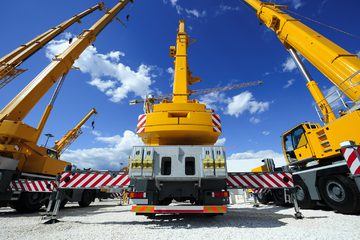
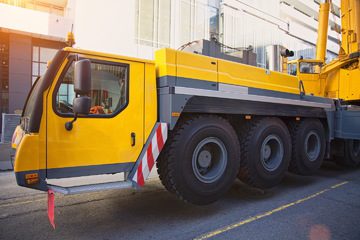
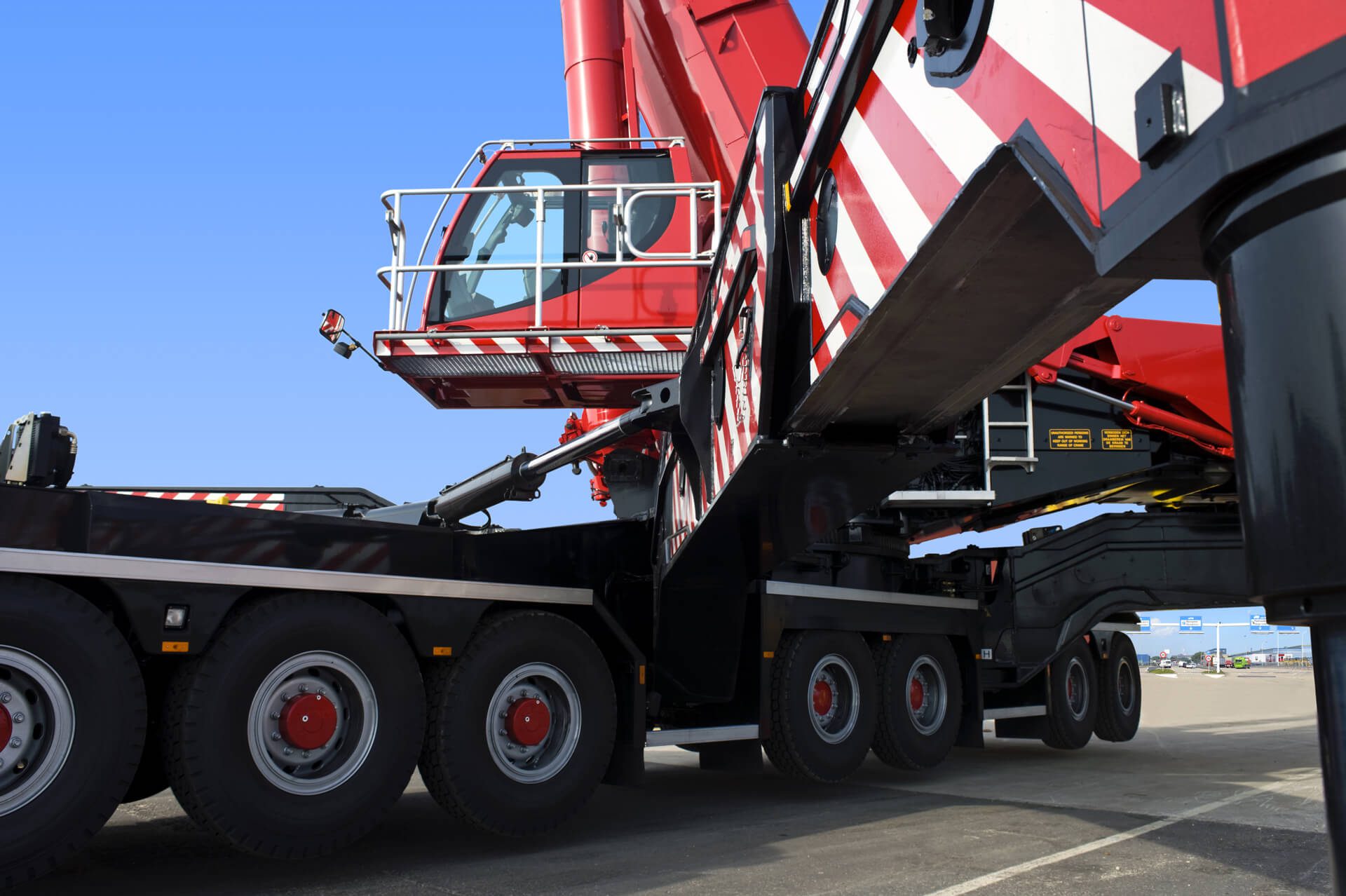
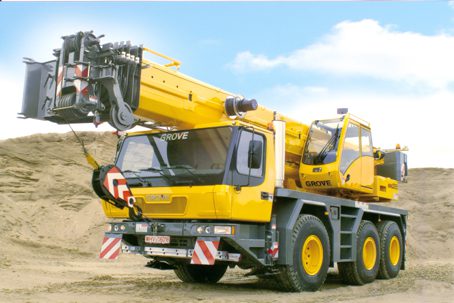
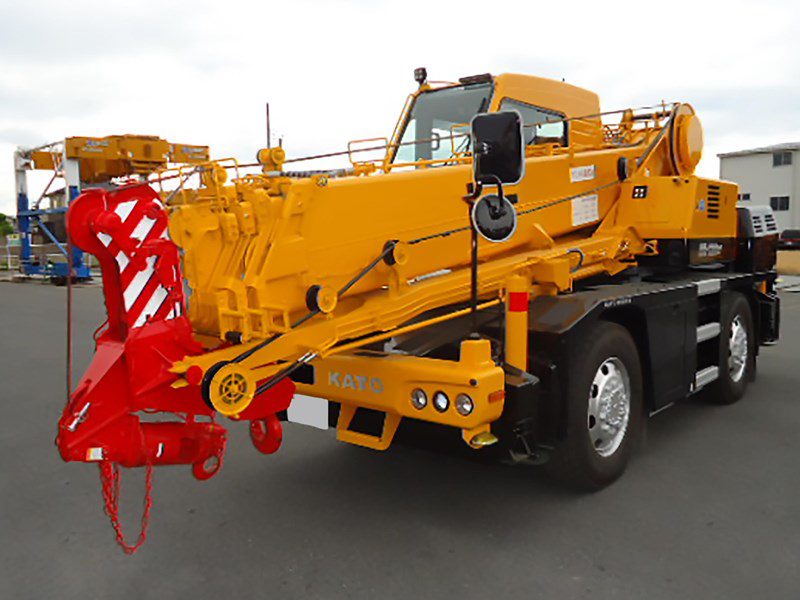
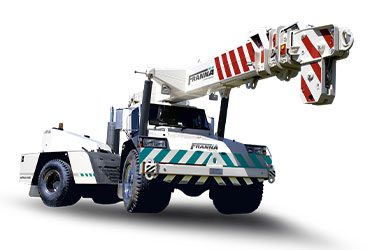
The rise of mobile crane hire reflects a broader shift toward flexibility in construction logistics. Unlike fixed lifting systems, mobile cranes are designed for rapid deployment, allowing contractors to move heavy equipment between project sites with minimal delay. In a country where projects can stretch from dense urban centers to remote infrastructure corridors, that mobility is particularly valuable.
Across Australia’s transport and energy sectors, mobile cranes often provide the first lifting capacity on a new project site. Whether assembling bridge segments, installing wind turbine components, or supporting rail expansions, these cranes offer versatility that stationary alternatives cannot match. Their ability to operate without permanent foundations makes them well suited to infrastructure projects that evolve quickly or span large distances.
Urban construction also benefits from this adaptability. As city redevelopment accelerates in metropolitan areas such as Sydney and Melbourne, contractors frequently rely on mobile cranes to handle short-term lifting tasks that do not justify the installation of a permanent tower crane. The machines can be positioned for specific construction phases—such as structural steel placement or façade installation—and then relocated once the task is complete.
Industry analysts note that this operational flexibility is increasingly important as project timelines tighten. In many cases, mobile crane hire enables builders to respond quickly to scheduling changes or unexpected engineering challenges, reducing delays that could otherwise cascade across complex construction schedules.
Tower Cranes and the Vertical Expansion of Cities
While mobile cranes excel in mobility, tower crane hire remains the backbone of large-scale vertical construction. Tower cranes dominate the skylines of Australia’s major cities because they provide the sustained lifting capacity required for multi-story buildings and major commercial developments.
In high-rise construction, these cranes serve as the central logistical system for the entire site. Their tall mast structures and long horizontal jibs allow them to lift heavy materials across wide areas, supplying multiple floors simultaneously as buildings rise. For developers constructing residential towers or commercial complexes, tower cranes make it possible to move thousands of tonnes of materials efficiently throughout the building process.
Australia’s housing demand and urban population growth have intensified reliance on these machines. Major redevelopment projects in areas like Brisbane and Perth frequently involve clusters of tower cranes operating simultaneously, each assigned to different structural zones of a project.
Beyond sheer lifting power, tower cranes also support precision in modern construction. Many new cranes incorporate advanced control systems that allow operators to manage loads with extraordinary accuracy. This capability is essential when installing prefabricated components or maneuvering large glass panels in confined urban environments.
Luffing Cranes and the Challenge of Dense Urban Construction
As Australian cities become denser, developers increasingly turn to luffing crane hire to solve one of construction’s most persistent problems: limited space. Luffing cranes differ from conventional tower cranes in that their jib can be raised or lowered, allowing the crane to operate within a smaller airspace.
This design makes them particularly valuable in crowded urban districts where multiple buildings rise side by side. In such environments, a standard tower crane’s horizontal arm might interfere with neighboring structures or adjacent construction sites. A luffing crane, by contrast, can adjust its working radius, reducing the risk of overswing into nearby properties.
Urban redevelopment projects near central business districts often require this capability. When cranes operate within tightly regulated airspace or close to residential buildings, the ability to control the jib’s angle becomes essential for maintaining safe clearances.
Luffing cranes are therefore becoming a familiar presence on high-density projects throughout Australia’s inner cities. Their use reflects a broader trend in construction planning: the need to adapt machinery to the constraints of increasingly compact urban landscapes.
Safety Standards in a High-Risk Industry
The growing complexity of crane operations has also elevated the importance of safety regulation. Australia maintains one of the world’s more rigorous frameworks for construction safety, overseen in part by the Safe Work Australia.
Cranes are subject to strict inspection regimes, operator licensing requirements, and detailed risk-management procedures. Every lift must be carefully planned to account for load weight, wind conditions, ground stability, and nearby structures. For high-rise construction sites, these considerations can involve detailed engineering assessments before any lifting operation begins.
Operators typically undergo specialized training and certification before controlling large lifting equipment. Many cranes also incorporate safety features such as load-moment indicators, anti-collision systems, and automated shutdown mechanisms that activate if the machine approaches operational limits.
These safety systems are not merely regulatory requirements; they are essential safeguards in an industry where heavy loads and great heights intersect. Construction professionals widely agree that consistent safety oversight has contributed to a gradual decline in crane-related incidents across major projects.
Technology Transforming Crane Operations
Technological innovation is also reshaping how cranes operate across Australia’s construction landscape. Modern cranes increasingly integrate digital monitoring systems that allow engineers and site managers to track performance in real time.
Sensors embedded throughout the equipment can measure load stress, wind conditions, and operational efficiency. The resulting data helps project managers make informed decisions about lifting schedules and equipment maintenance. In some cases, cranes can even transmit diagnostic information remotely, allowing technicians to identify mechanical issues before they lead to costly downtime.
Automation and remote-control capabilities are also gaining attention within the industry. While fully autonomous cranes remain largely experimental, semi-automated functions—such as swing-limit controls and guided lifting paths—are already improving precision and reducing human error.
These technological advances are particularly important as projects grow larger and more complex. Digital systems provide the level of coordination required when multiple cranes operate simultaneously on a single site.
Infrastructure Investment and the Future of Crane Demand
Australia’s long-term infrastructure strategy suggests that crane demand will remain strong in the years ahead. Major transport upgrades, renewable energy developments, and urban housing initiatives are all expected to require significant lifting capacity.
Projects ranging from rail expansions to large-scale road upgrades often depend heavily on mobile cranes during early construction phases. At the same time, the continued growth of high-rise residential towers ensures that tower cranes and luffing cranes will remain fixtures of urban construction.
Urban planners and industry experts increasingly view crane deployment as an indicator of economic momentum. When cranes dominate the skyline, they signal investment, development, and confidence in a city’s future.
A Quiet but Critical Role
Despite their visibility above city streets, cranes themselves rarely command public attention. Yet their role in shaping Australia’s built environment is difficult to overstate. Every bridge span, office tower, and residential complex depends on carefully coordinated lifting operations that bring complex structures into existence piece by piece.
The strategic use of mobile crane hire, tower crane hire, and luffing crane hire reflects the evolving demands of modern construction. Each type addresses different logistical challenges, from infrastructure projects spread across vast landscapes to tightly packed urban developments.
As Australia continues to expand its infrastructure and redefine its urban spaces, cranes will remain among the most important—if often overlooked—tools enabling that transformation. High above the ground, they quietly orchestrate the assembly of the nation’s future skyline.