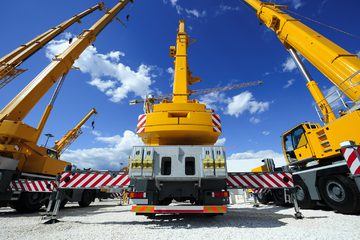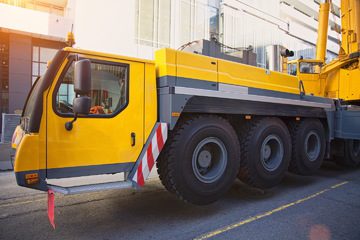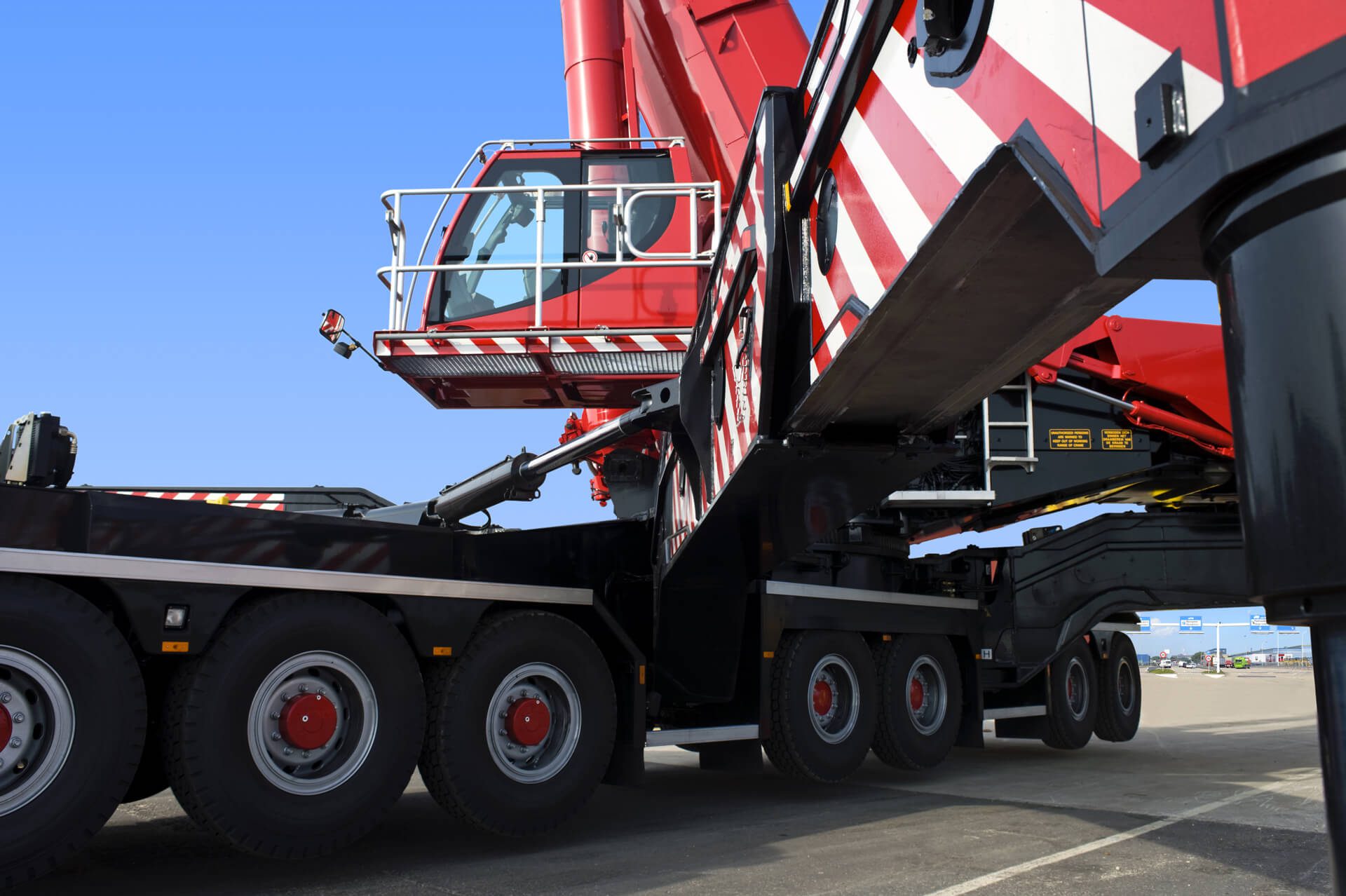
Across Australia’s major metropolitan regions, cranes have become an unmistakable feature of the skyline. From the rapidly evolving suburbs of Western Sydney to the dense central districts of Melbourne and Brisbane, the machines towering above construction sites represent more than temporary infrastructure. They reflect a complex logistical system that supports the nation’s growing demand for housing, transportation networks, and large-scale commercial development.
Behind these projects lies a specialised ecosystem of equipment providers and construction planners. In particular, the strategic use of mobile crane hire, tower crane hire, and luffing crane hire has become central to the way Australian infrastructure and property projects are designed and delivered. The use of flexible lifting solutions—such as all terrain crane hire western Sydney—illustrates how modern construction increasingly relies on adaptable machinery capable of meeting diverse project demands.
As Australian cities expand both outward and upward, the role of cranes is evolving alongside new engineering requirements, safety expectations, and technological advancements.
Infrastructure Growth and the Expanding Role of Crane Services
Australia’s infrastructure pipeline has grown significantly over the past decade. Major transport upgrades, rail extensions, renewable energy installations, and large residential developments are occurring simultaneously across multiple states. This pace of development has increased reliance on specialised lifting equipment capable of handling complex logistical challenges.
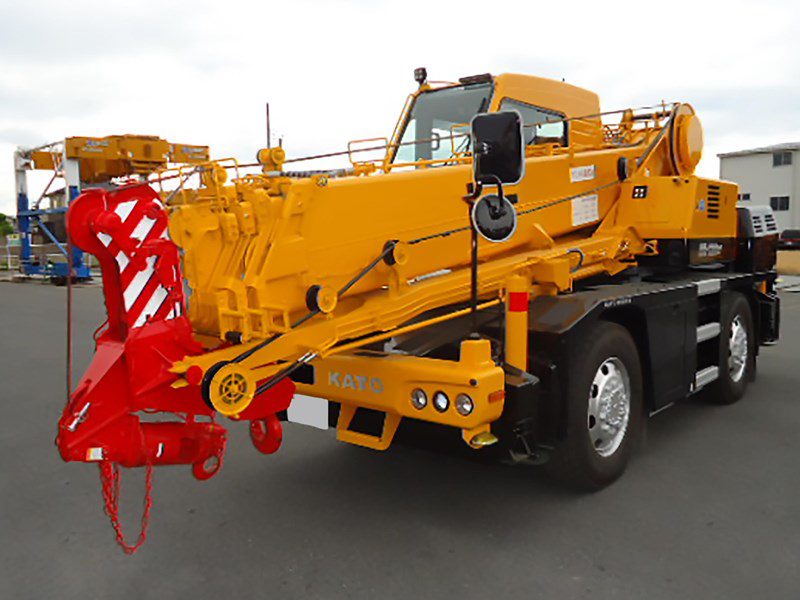
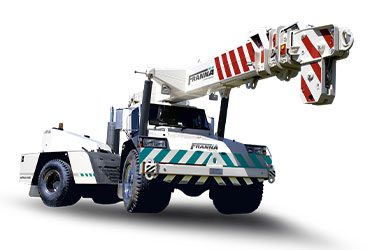
In regions such as Western Sydney, where large-scale transport corridors, logistics hubs, and residential communities are being developed concurrently, contractors often depend on all terrain crane hire western Sydney to manage heavy lifting across varied environments. These cranes are designed to operate both on highways and rugged construction sites, allowing them to move efficiently between projects without the need for extensive disassembly.
This flexibility has become especially valuable as infrastructure work spreads across large geographic areas. Bridges, precast concrete installations, tunnel components, and heavy structural steel elements all require precise placement—often in locations where traditional fixed cranes are impractical.
The broader market for mobile crane hire has therefore expanded alongside the nation’s infrastructure ambitions, offering project managers equipment that can be rapidly deployed and redeployed as construction stages change.
Mobile Cranes: Versatility for Large-Scale Infrastructure
Among the different crane categories used in Australian construction, mobile cranes remain the most versatile. Mounted on wheeled carriers, these machines can travel directly to project sites and begin lifting operations with relatively minimal setup.
Mobile crane hire is widely used in infrastructure projects such as road upgrades, bridge assembly, and utility installations. Because these cranes can be relocated quickly, they allow contractors to maintain momentum on projects where lifting requirements shift frequently.
The adaptability of mobile cranes also makes them valuable in renewable energy developments, where heavy turbine components must be installed in remote locations. Australia’s growing wind and solar sectors increasingly rely on large-capacity mobile cranes capable of lifting massive blades and structural towers.
While their mobility is their greatest advantage, modern mobile cranes are also equipped with sophisticated stabilisation systems and digital load monitoring technologies. These innovations allow operators to manage complex lifts safely while maintaining efficiency on fast-moving job sites.
Tower Cranes and the Vertical Expansion of Cities
While mobile cranes dominate infrastructure and horizontal construction, tower cranes have become synonymous with Australia’s vertical urban expansion.
Tower crane hire is commonly associated with high-rise residential towers, office developments, and large mixed-use projects in cities such as Sydney, Melbourne, and Brisbane. These cranes are assembled directly on-site and can reach extraordinary heights, making them essential for constructing tall buildings where materials must be lifted hundreds of metres above ground.
In dense urban areas, tower cranes serve as the logistical backbone of construction projects. They lift steel beams, prefabricated building panels, and concrete formwork while maintaining precise control in confined environments.
Their fixed position also allows construction teams to coordinate complex sequences of work across multiple floors simultaneously. As buildings grow taller and architectural designs become more intricate, tower cranes remain indispensable tools for maintaining construction efficiency.
However, installing a tower crane requires significant planning. Engineers must account for foundation strength, wind loads, and surrounding structures before the crane is erected. This level of planning reflects the broader trend toward increasingly sophisticated project management across Australia’s urban construction sector.
Luffing Cranes and the Challenges of Dense Urban Development
As city centres become more crowded, conventional tower cranes are sometimes limited by the space required for their long horizontal jibs. In these environments, luffing cranes offer a practical alternative.
Luffing crane hire is particularly valuable in dense urban areas where multiple high-rise projects may be underway simultaneously. Unlike traditional tower cranes, luffing cranes can raise and lower their jibs vertically, reducing the risk of overlapping with neighbouring structures or cranes.
This feature allows construction companies to operate safely in confined spaces while maintaining lifting capacity for heavy structural components. In highly developed districts, where building sites may be surrounded by existing towers or infrastructure, luffing cranes often provide the only viable lifting solution.
Their increasing use reflects broader urban trends. As available land in central business districts becomes scarce, developers are building taller structures on smaller footprints. Luffing cranes help make these projects feasible by enabling safe operations within tight airspace constraints.
Safety Standards and Regulatory Oversight
The growing scale and complexity of crane operations in Australia has also led to stricter safety standards and regulatory oversight.
Workplace safety authorities across the country, including agencies operating under the national framework of Safe Work Australia, impose detailed guidelines governing crane operation, operator licensing, and equipment maintenance. These regulations are designed to minimise the risks associated with lifting heavy loads in dynamic construction environments.
Operators must undergo rigorous training and certification before they are permitted to operate cranes on major construction projects. In addition, construction companies are required to conduct detailed lift planning, including risk assessments that account for weather conditions, ground stability, and surrounding infrastructure.
Technological monitoring systems have also become a key component of modern safety strategies. Many cranes now incorporate real-time load monitoring, anti-collision systems, and digital control interfaces that help operators maintain safe operating conditions even during complex lifts.
These systems not only enhance safety but also improve overall project efficiency by reducing delays caused by equipment malfunctions or operational uncertainty.
Technology and the Future of Crane Operations
Advances in digital technology are reshaping how cranes are used across the construction industry. Sensors, telematics, and remote diagnostics now allow engineers to monitor crane performance in real time, often from off-site locations.
Some cranes are equipped with automated positioning systems that assist operators during delicate lifts. These systems can help maintain precise control when installing heavy components such as prefabricated building modules or large steel structures.
Data analytics is also becoming increasingly important. By analysing operational data collected from cranes across multiple sites, construction companies can optimise equipment usage, reduce downtime, and improve project scheduling.
In the longer term, the integration of digital construction platforms may allow cranes to communicate directly with building information modelling systems. This level of integration could enable highly coordinated construction processes in which equipment movements are synchronised with broader project timelines.
The Machinery Behind Australia’s Construction Boom
Although cranes are often viewed simply as tools on a construction site, their strategic role in Australia’s infrastructure expansion is becoming increasingly clear. The combination of mobile crane hire, tower crane hire, and luffing crane hire allows construction companies to tackle projects ranging from remote infrastructure installations to complex urban skyscrapers.
In regions experiencing rapid growth—such as Western Sydney—the use of flexible lifting equipment like all terrain crane hire western Sydney demonstrates how the industry is adapting to both geographic and logistical challenges.
As Australian cities continue to evolve, the cranes that rise above construction sites will remain a visible indicator of progress. Yet their true significance lies not only in their height or lifting capacity, but in the sophisticated systems of planning, safety, and technology that enable modern construction to operate at scale.