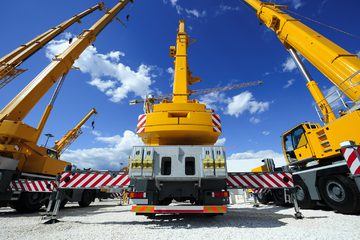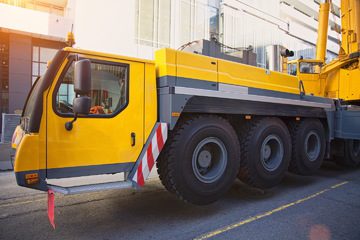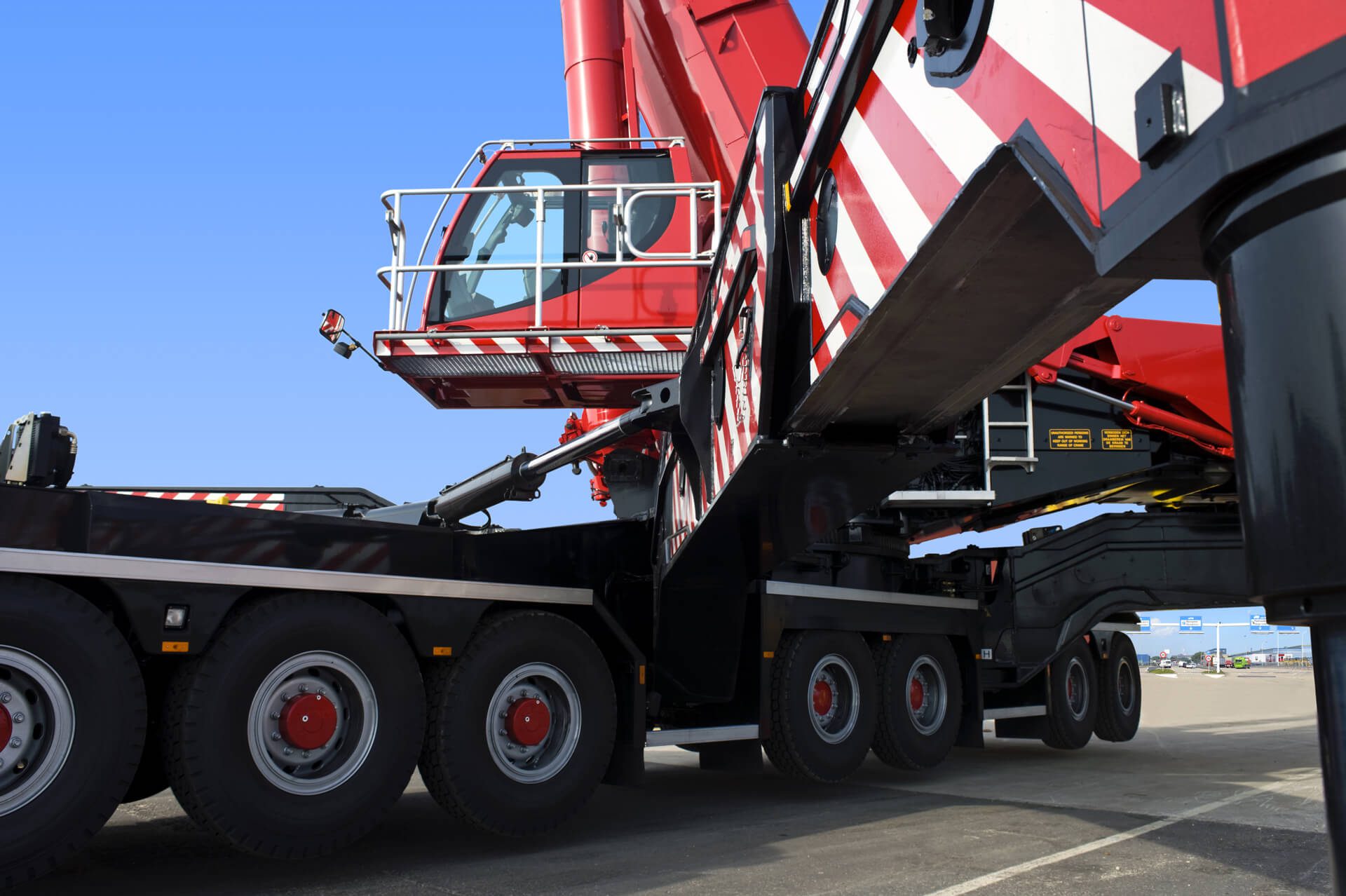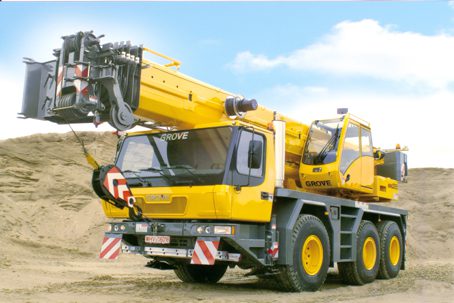
Across Australia’s rapidly evolving cities, cranes have become enduring symbols of transformation. From high-rise apartment towers in major metropolitan centres to transport infrastructure stretching across expanding suburbs, the machinery that lifts steel, concrete, and prefabricated components is quietly shaping the country’s urban future.
Within this environment, crane services—particularly mobile crane hire, tower crane hire, and luffing crane hire—have become essential components of the construction ecosystem. Among these, specialized services such as Franna crane hire in Sydney have emerged as critical tools for navigating the logistical complexities of modern building projects.
While cranes may appear as simple mechanical instruments, their strategic deployment reflects a complex intersection of engineering, safety regulation, and technological innovation. As Australian construction projects grow in scale and sophistication, the role of cranes has evolved into a central element of how cities and infrastructure are built.
The Logistics Backbone of Construction Sites
In any major construction project, the movement of heavy materials presents one of the most significant logistical challenges. Steel beams, precast concrete panels, mechanical systems, and structural frameworks must be lifted, positioned, and installed with precision—often within tight timelines and confined urban spaces.
Cranes serve as the backbone of this logistical network. They determine how materials arrive on site, where they are stored, and how efficiently construction teams can assemble the components of a building or infrastructure project.
Australia’s construction landscape is particularly varied. Projects range from sprawling transportation corridors and renewable energy installations to densely packed residential towers in central business districts. Each environment requires different lifting solutions, leading to widespread reliance on services such as mobile crane hire for mobility, tower crane hire for vertical development, and luffing crane hire for projects in restricted urban environments.
Within metropolitan areas like Sydney, specialized equipment—including Franna cranes—has become an essential part of this toolkit.
Franna Cranes and the Dynamics of Urban Construction
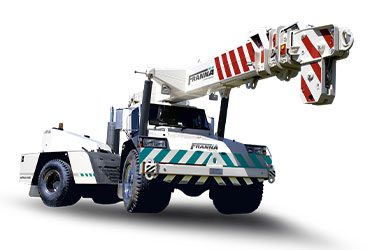
Franna cranes occupy a distinctive niche within the mobile lifting category. Unlike traditional mobile cranes that rely on outriggers for stability, Franna cranes are pick-and-carry machines capable of lifting and transporting loads simultaneously across short distances.
In dense urban construction zones, this ability can significantly streamline site operations. Services such as franna crane hire sydney are frequently used for relocating structural materials around complex worksites, particularly where space limitations make conventional lifting methods less efficient.
Major infrastructure upgrades, rail projects, and commercial developments in Sydney often rely on these cranes during early construction phases. They are especially effective when materials must be moved quickly between staging areas and installation points without repeated setup procedures.
Although Franna cranes generally operate within smaller lifting capacities compared with larger mobile cranes, their versatility makes them valuable for fast-moving urban projects where efficiency and maneuverability are essential.
Mobile Cranes and the Flexibility of Infrastructure Projects
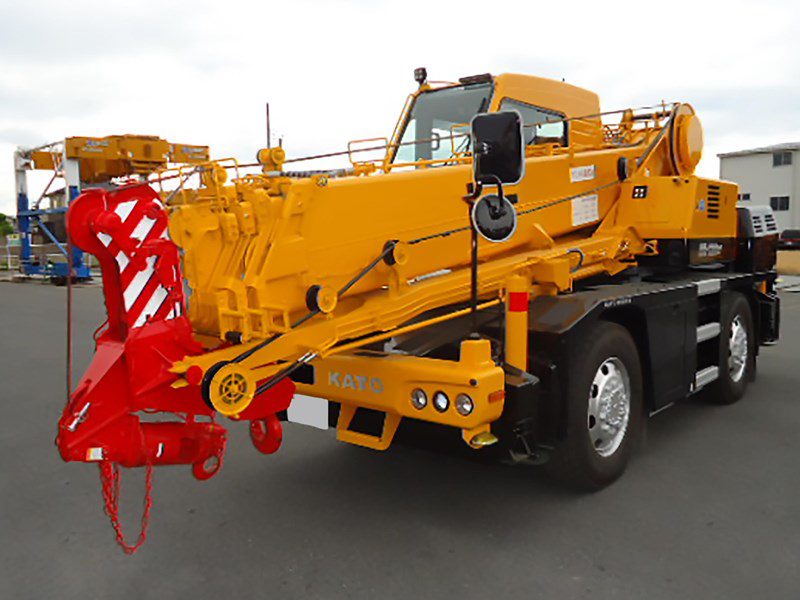
Beyond Franna cranes, the broader category of mobile cranes remains a cornerstone of Australian construction logistics. Mounted on wheeled carriers or tracked platforms, these cranes can travel between sites and perform heavy lifting without permanent installation.
Mobile crane hire is widely used across infrastructure projects such as bridge construction, highway upgrades, and energy installations. Their ability to be transported rapidly allows contractors to perform large lifts without the extended setup periods associated with tower cranes.
For example, installing prefabricated bridge segments or lifting heavy mechanical equipment into position often requires cranes capable of handling significant loads while remaining adaptable to changing site conditions.
Mobile cranes also support maintenance work on existing infrastructure. Rail networks, telecommunications systems, and power transmission projects frequently rely on these cranes for temporary lifting operations that must be completed quickly and safely.
In many ways, mobile cranes function as the flexible workhorses of the construction industry, supporting a wide variety of project types across both urban and regional Australia.
Tower Cranes and the Rise of Vertical Cities
As Australian cities experience continued population growth, urban development has increasingly shifted toward vertical construction. High-rise residential towers, office buildings, and mixed-use developments are now common features of city skylines.
Tower cranes are central to this transformation. Installed on fixed bases or integrated into the structure of a building, they provide continuous lifting capacity throughout the construction process.
Tower crane hire is particularly common in large-scale developments where building components must be lifted hundreds of meters above ground level. Their long horizontal reach allows materials to be distributed efficiently across large construction sites, making them indispensable for projects that extend over multiple floors.
In cities such as Sydney and Melbourne, tower cranes have become visual markers of economic growth and urban expansion. Their presence often reflects the scale of investment flowing into housing, commercial real estate, and public infrastructure.
However, the increasing density of urban environments has also created new challenges for crane operators, particularly when multiple cranes must operate within limited airspace.
Luffing Cranes and the Challenge of Dense Airspace
As construction projects become more tightly packed within city centres, traditional tower cranes sometimes struggle to operate efficiently due to their wide horizontal booms. This is where luffing cranes play an increasingly important role.
Luffing cranes feature adjustable booms that move vertically, allowing operators to control the working radius of the crane more precisely. This design reduces the space required for operation and minimizes the risk of overlapping crane movements in crowded construction zones.
Luffing crane hire has therefore become a common solution for projects located in dense urban districts where multiple buildings are rising simultaneously.
By allowing cranes to operate within restricted airspace, luffing cranes help construction teams maintain productivity while complying with safety and planning regulations that govern urban construction environments.
Safety Standards and Regulatory Frameworks
The widespread use of cranes across Australian construction sites requires a robust system of safety oversight. Lifting operations carry inherent risks, particularly when heavy loads are moved at significant heights or in proximity to workers and surrounding infrastructure.
National guidelines developed by organizations such as Safe Work Australia establish strict requirements for crane operation, certification, and maintenance.
Operators must hold specialized high-risk work licenses, and cranes must undergo rigorous inspections before they can be used on construction sites. Detailed lift plans, communication protocols, and exclusion zones are also standard components of crane safety procedures.
Weather conditions are another critical factor. High winds, for instance, can significantly affect crane stability and load control. Construction companies must therefore monitor environmental conditions carefully and suspend lifting operations when necessary.
These regulatory frameworks have helped Australia maintain strong safety standards in an industry where precision and coordination are essential.
Technology and the Digital Evolution of Crane Operations
In recent years, technological innovation has begun reshaping crane operations across the construction sector. Modern cranes increasingly incorporate digital monitoring systems that provide real-time information about load weights, wind speeds, and operational performance.
These technologies allow operators and site managers to detect potential hazards early and adjust lifting strategies accordingly. Sensors and automated systems can also prevent cranes from exceeding safe load limits, reducing the risk of mechanical failure.
Digital modeling tools are also playing a growing role in project planning. Engineers can now simulate crane placement and lifting sequences using advanced software before construction begins, helping teams optimize site layouts and minimize logistical conflicts.
As construction projects grow more complex, such technological advancements are becoming integral to improving both safety and efficiency.
Cranes as Indicators of Economic Momentum
Beyond their technical function, cranes often serve as visible indicators of economic activity. The number of cranes operating in a city can provide insight into the health of the construction sector and broader economic trends.
Periods of strong housing demand or infrastructure investment typically correspond with increased crane activity. Tower cranes may dominate skylines during residential development booms, while mobile cranes often proliferate during major transportation or energy projects.
In metropolitan regions like Sydney, the steady presence of cranes reflects the city’s ongoing expansion and the scale of development required to accommodate population growth.
For urban planners, investors, and policymakers, these machines offer a tangible sign of how rapidly Australia’s built environment is evolving.
The Machinery Behind Australia’s Urban Future
Australia’s construction industry is entering an era defined by ambitious infrastructure projects, urban densification, and technological change. Within this evolving landscape, cranes remain fundamental to the physical process of building.
Mobile crane hire continues to support flexible infrastructure work, tower crane hire anchors the construction of high-rise buildings, and luffing crane hire enables projects to proceed safely in densely populated areas. Meanwhile, specialized equipment such as that used in franna crane hire sydney provides practical solutions for the logistical challenges of complex urban construction sites.
Together, these machines form an essential yet often overlooked network of engineering capability. Their presence across Australia’s skylines and construction zones reflects not only the mechanics of lifting heavy materials but also the broader forces shaping the nation’s cities.
As Australia continues to expand and modernize its infrastructure, the cranes that rise above construction sites will remain quiet but powerful symbols of the country’s ongoing development.