Across Australia’s expanding metropolitan regions, the skyline has become a visual record of the nation’s economic momentum. From new rail corridors and motorway expansions to high-rise apartment towers and commercial precincts, construction cranes stand as symbols of large-scale transformation. Behind these projects lies a sophisticated ecosystem of equipment, operators, engineers and safety specialists whose work enables complex construction to take place efficiently and safely.
Within that ecosystem, crane hire services play a crucial role. The widespread use of mobile crane hire, tower crane hire, and luffing crane hire has become fundamental to delivering major infrastructure and urban development projects. In regions experiencing particularly rapid growth—such as Western Sydney—the demand for flexible lifting solutions, including franna crane hire western Sydney, reflects the broader evolution of Australia’s construction industry.
Understanding how these crane types are deployed, and the regulatory and technological frameworks surrounding them, provides insight into how Australian cities are being built.
The Growing Complexity of Australia’s Construction Sector
Australia’s construction industry has entered a period defined by both scale and complexity. Major infrastructure programs across the country, including transport corridors, energy projects, and urban renewal initiatives, are reshaping metropolitan areas. In New South Wales, large projects linked to the development of the Western Sydney Aerotropolis and new transport connections have significantly increased demand for specialised lifting equipment.
Modern construction projects rarely rely on a single type of crane. Instead, project planners typically deploy a combination of machines suited to different stages of development. The rise of mobile crane hire services reflects this need for flexibility, allowing contractors to quickly mobilise equipment for short-term or highly specialised lifting tasks.
At the same time, high-density urban development requires cranes capable of operating in confined environments. The growth of vertical construction in cities such as Sydney, Melbourne, and Brisbane has made tower crane hire and luffing crane hire essential components of large-scale building projects.
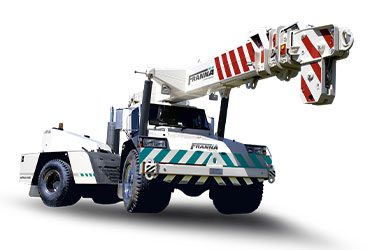
In Western Sydney’s industrial and logistics hubs, for instance, mobile lifting equipment—particularly pick-and-carry cranes commonly associated with franna crane hire western Sydney—has become a practical solution for fast-paced construction environments where materials must be moved across large worksites quickly and efficiently.
Mobile Cranes and Infrastructure Delivery
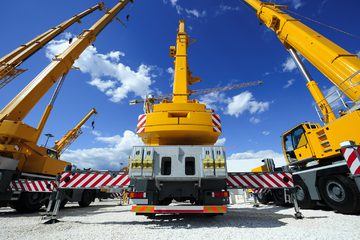
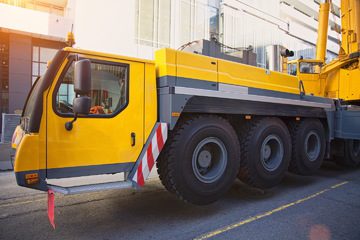
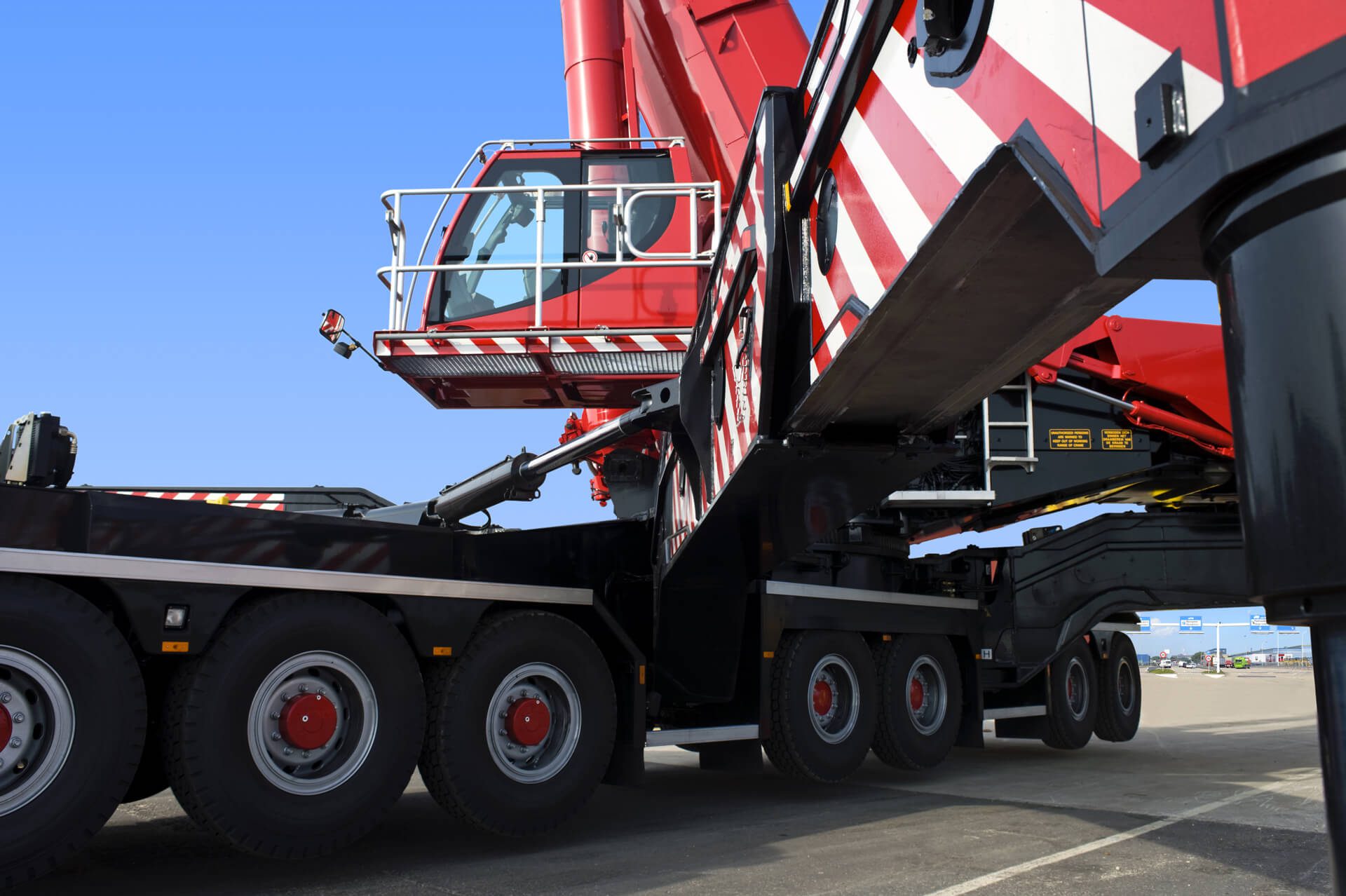
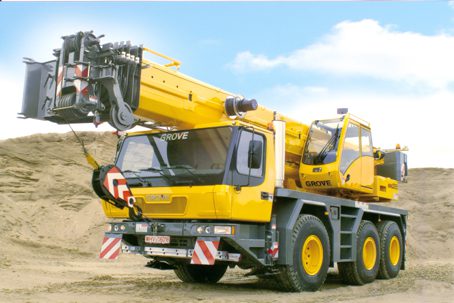
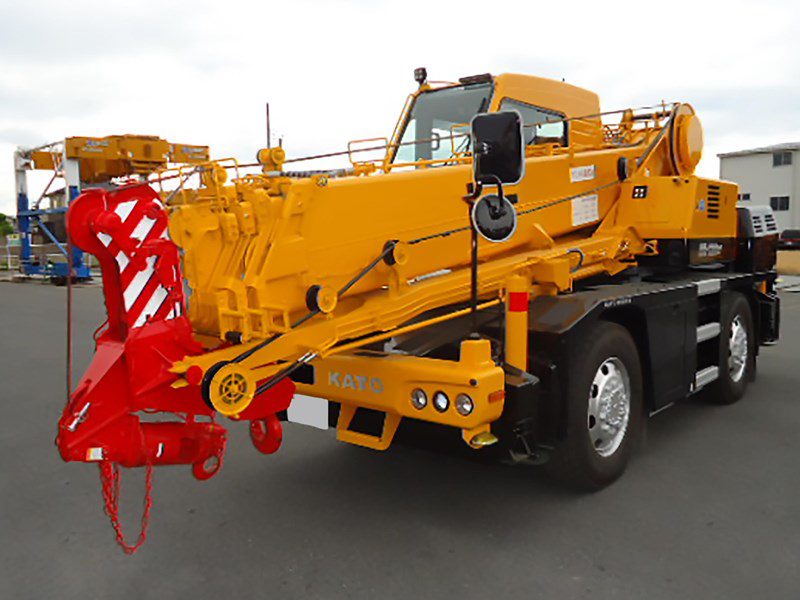
Mobile cranes are among the most versatile lifting machines used in Australian construction. Mounted on truck or all-terrain platforms, they can travel between sites and be deployed rapidly, making them indispensable for infrastructure work.
Projects such as bridge construction, highway upgrades, and rail expansions frequently rely on mobile crane hire services to lift structural steel, precast concrete segments, and heavy mechanical components. Because these cranes require minimal setup compared with tower cranes, they can operate across multiple locations within a single project.
This flexibility is especially valuable in large transport infrastructure developments where work zones shift frequently. As Australia invests heavily in transport networks, including suburban rail expansions and freight corridors, mobile cranes enable contractors to maintain tight construction schedules while adapting to evolving site conditions.
In Western Sydney, where major logistics and manufacturing precincts are expanding, mobile lifting equipment also plays a central role in erecting warehouses and industrial structures. The use of franna crane hire western Sydney reflects a broader trend toward equipment that combines mobility with lifting capacity, allowing materials to be transported and positioned without requiring separate transport vehicles.
Tower Cranes and the Rise of Vertical Cities
If mobile cranes define infrastructure construction, tower cranes are the signature machines of urban skylines. Their towering structures dominate high-rise building sites, providing the reach and lifting power needed for multi-storey construction.
Demand for tower crane hire has grown alongside Australia’s population expansion and urban densification. Apartment towers, commercial office developments, hospitals, and universities increasingly rely on tower cranes to move materials hundreds of metres above ground.
Unlike mobile cranes, tower cranes are typically installed for the duration of a project. Their ability to rotate 360 degrees and lift heavy loads over large distances makes them essential for assembling structural frameworks, lifting prefabricated building components, and supplying materials to upper floors.
Cities such as Sydney and Melbourne have seen sustained demand for tower cranes over the past decade as urban development intensifies. Construction projects often involve several cranes operating simultaneously to keep pace with complex building schedules.
However, the use of tower cranes also presents logistical challenges in densely populated areas. Construction teams must coordinate crane placement carefully to avoid overlapping lifting zones and to comply with strict safety regulations governing crane operation near neighbouring buildings and public infrastructure.
Luffing Cranes in Dense Urban Environments
In highly constrained city centres, traditional tower cranes may not always be suitable. That is where luffing crane hire becomes particularly valuable.
Luffing cranes are designed with a movable jib that can raise or lower its angle, allowing operators to control the crane’s working radius. This capability enables cranes to operate in confined sites without extending their jibs over surrounding properties.
As urban development increasingly occurs within tightly packed city blocks, luffing cranes have become an essential solution for projects with limited space. Their use has expanded significantly in inner-city construction zones where strict planning regulations govern crane movement.
High-rise residential and commercial developments frequently rely on luffing crane hire to minimise disruption to neighbouring properties and maintain compliance with municipal planning requirements. By reducing the risk of crane oversailing adjacent buildings, luffing cranes help developers navigate complex regulatory environments while continuing construction in crowded urban districts.
Safety Standards and Regulatory Oversight
Operating heavy lifting equipment in populated areas demands rigorous safety standards. Australia maintains one of the most comprehensive regulatory frameworks for crane operation in the world.
Workplace safety regulators, including Safe Work Australia and state-based authorities, impose strict guidelines covering crane installation, operator licensing, load limits, and maintenance protocols. Every crane operator must hold a high-risk work licence, and cranes must undergo regular inspection and certification.
Construction companies engaging in mobile crane hire, tower crane hire, or luffing crane hire must ensure that equipment complies with Australian Standards and workplace safety legislation. Risk assessments are required before lifting operations begin, particularly when cranes operate near power lines, roadways, or public spaces.
In fast-growing construction zones such as Western Sydney, these safety requirements are particularly significant. As projects multiply and worksites become more complex, crane coordination and compliance have become central elements of construction planning.
Technology Transforming Crane Operations
Beyond regulatory oversight, technological advancements are reshaping crane operations across Australia’s construction sector.
Modern cranes increasingly incorporate digital monitoring systems, load sensors, and telematics that allow operators and project managers to track performance in real time. These technologies improve both safety and efficiency by providing accurate data on load weights, crane movement, and maintenance requirements.
Automation and remote-control systems are also beginning to influence how cranes operate on large construction sites. Some tower cranes now feature advanced control software that helps prevent collisions between cranes working within the same airspace.
In addition, Building Information Modelling (BIM) has transformed how cranes are integrated into project planning. Engineers can simulate crane placement and lifting operations in digital environments before construction begins, ensuring equipment is positioned for optimal efficiency.
Such innovations are gradually changing the role of crane hire services in Australia. Equipment providers are increasingly expected to deliver not only machinery but also technical expertise that supports safe and coordinated project execution.
The Future of Lifting in Australian Construction
As Australia continues to invest in infrastructure and urban expansion, cranes will remain essential to the construction landscape. The variety of lifting solutions available—from mobile crane hire for infrastructure projects to tower crane hire and luffing crane hire for vertical development—reflects the diverse demands of modern building practices.
In regions like Western Sydney, where industrial growth and major infrastructure initiatives converge, the demand for versatile equipment such as franna crane hire western Sydney illustrates how specialised machinery supports evolving construction needs.
At the same time, the industry faces growing pressure to improve sustainability, safety, and efficiency. Electrification of construction equipment, enhanced digital monitoring, and improved training programs are likely to shape the next generation of crane operations.
Ultimately, cranes represent more than mechanical tools; they are integral components of the systems that build cities. Their presence on skylines and infrastructure corridors signals the scale of transformation underway across Australia, revealing how engineering, technology, and regulation combine to shape the built environment of the future.