Across Australia’s growing cities and regional development corridors, cranes have become a familiar part of the skyline. From the rapidly evolving suburbs of Western Sydney to infrastructure corridors across regional New South Wales, the presence of cranes signals more than just construction activity. It reflects the scale of investment shaping the nation’s built environment.
Behind many of these projects lies a specialized ecosystem of lifting equipment and engineering expertise. In particular, services such as mobile crane hire, tower crane hire, and luffing crane hire have become essential components of modern construction logistics. As projects become taller, denser, and more complex, the strategic deployment of different crane types is playing a defining role in how Australia builds.
The Expanding Role of Cranes in Australian Development
Australia’s construction sector is undergoing a significant transformation driven by population growth, infrastructure investment, and urban densification. Government-backed transportation projects, residential towers in metropolitan areas, and large-scale commercial developments all rely on heavy lifting capabilities that cranes uniquely provide.
Cranes are not merely machines that move materials. They serve as logistical anchors for construction sites, determining how building components are delivered, assembled, and installed. Their reach and lifting capacity influence project sequencing, site layout, and safety planning.
The diversity of construction environments across Australia—from dense city centers to regional infrastructure corridors—means no single crane type can meet every need. Instead, project managers rely on a combination of solutions, including mobile crane hire for flexibility, tower crane hire for vertical construction, and increasingly, specialized services such as luffing crane hire southern highlands to navigate complex site conditions.
Mobile Cranes and the Flexibility of Infrastructure Projects
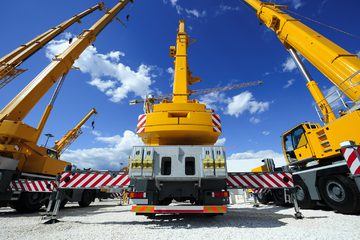
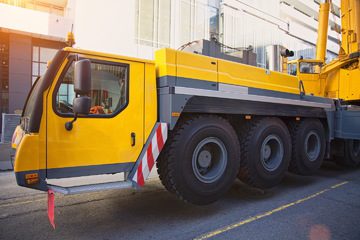
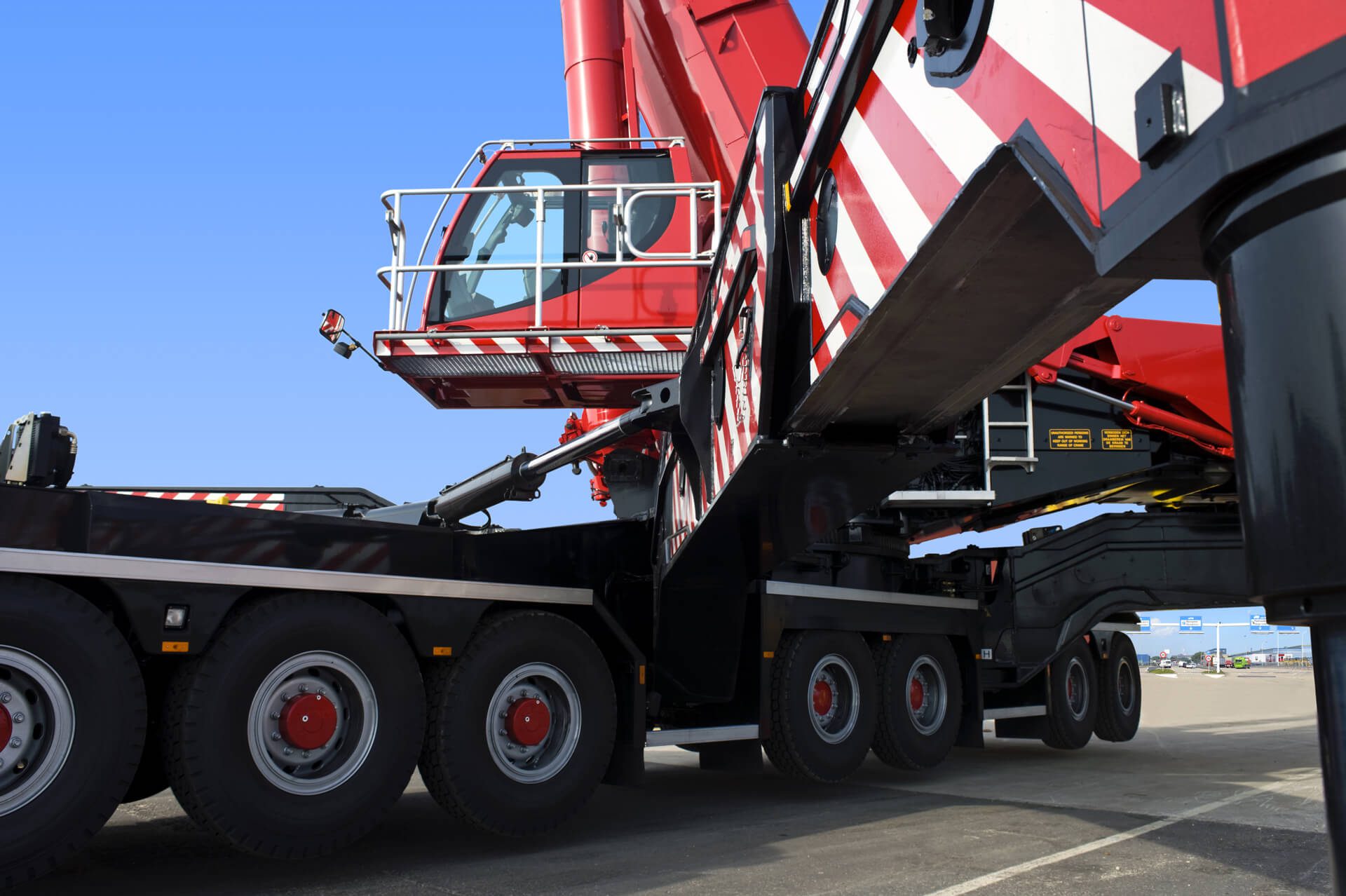
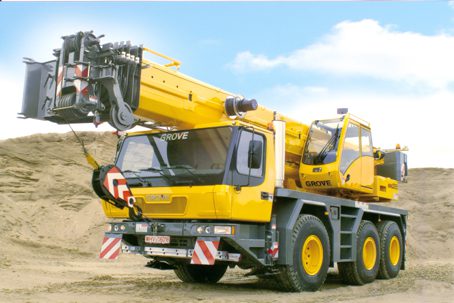
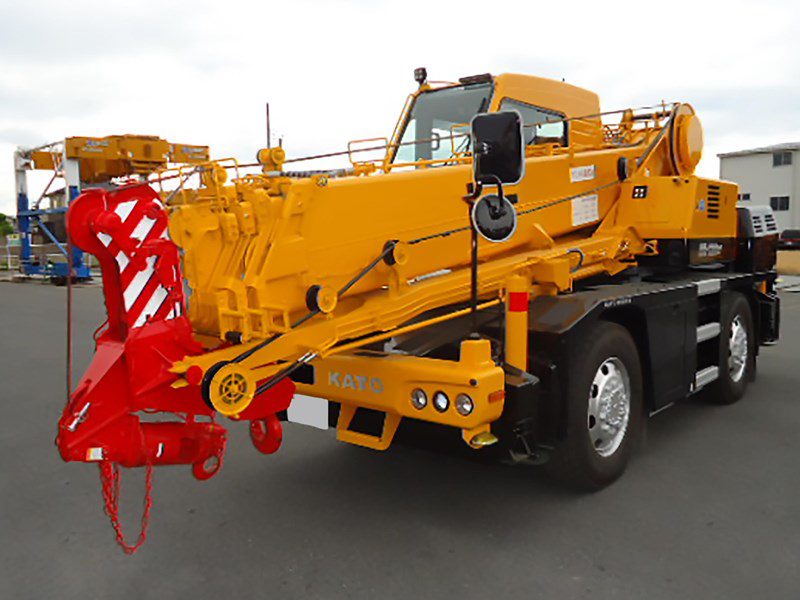
Among the most versatile pieces of lifting equipment in the industry, mobile cranes remain indispensable across infrastructure and civil engineering projects. Mounted on wheeled or tracked carriers, these cranes can be transported quickly between sites, making them particularly valuable for projects that require short-term lifting solutions or work across multiple locations.
Road construction, bridge installation, rail maintenance, and energy infrastructure projects frequently depend on mobile crane hire to manage large structural components. Their ability to arrive on site, set up rapidly, and perform heavy lifts without permanent installation offers contractors significant operational flexibility.
In regional areas and expanding suburban zones, where construction sites may be temporary or widely distributed, mobile cranes provide an efficient alternative to more permanent lifting systems. Their adaptability allows them to support everything from wind turbine installations to precast concrete placement in new transport corridors.
However, while mobile cranes excel in mobility and rapid deployment, they are less suited for projects requiring continuous vertical lifting over extended periods—particularly in high-rise construction.
Tower Cranes and the Rise of Vertical Cities
As Australian cities grow upward rather than outward, tower cranes have become a defining feature of urban construction. Fixed to the ground or integrated into building structures, these cranes are designed to operate for months or even years as towers gradually rise.
Tower crane hire is particularly critical for large residential and commercial developments where consistent lifting capacity and wide operational reach are essential. Their ability to hoist materials hundreds of meters into the air makes them the backbone of high-rise construction in cities like Sydney, Melbourne, and Brisbane.
Unlike mobile cranes, tower cranes function as permanent site infrastructure. They require careful installation, engineering assessment, and regulatory oversight before operation begins. Once operational, however, they provide continuous lifting capability for steel, concrete panels, mechanical systems, and other structural components.
Their towering presence also illustrates the scale of modern urban construction. Each crane effectively acts as a central hub around which the project’s logistics revolve.
Luffing Cranes and the Challenge of Dense Urban Construction
As cities become denser and construction sites more constrained, conventional tower cranes are sometimes unable to operate efficiently due to limited space and airspace restrictions. This is where luffing cranes have become increasingly important.
Luffing cranes are designed with adjustable booms that move vertically rather than horizontally, allowing them to lift loads while minimizing the swing radius of the crane arm. This design makes them particularly suited for crowded city environments where multiple cranes operate in close proximity or where surrounding buildings limit horizontal movement.
In parts of regional New South Wales and growing development zones, services such as luffing crane hire southern highlands are supporting complex projects that must balance construction demands with surrounding urban constraints.
High-rise apartment developments, hospitals, and mixed-use towers often rely on these cranes to maintain efficiency while ensuring safety in tightly packed construction zones. Their ability to work within confined airspace reduces the risk of interference between cranes and nearby structures.
As Australia continues to prioritize urban densification over suburban sprawl, the role of luffing cranes is likely to expand further.
Safety Standards and Regulatory Oversight
The extensive use of cranes across Australian construction projects brings significant safety considerations. Cranes operate under strict national and state regulations designed to protect workers, surrounding communities, and infrastructure.
Regulatory frameworks administered by agencies such as Safe Work Australia establish guidelines governing crane operation, certification, and maintenance. Operators must hold specialized high-risk work licenses, and equipment must undergo rigorous inspection and compliance checks before deployment.
Construction companies must also implement comprehensive lifting plans, risk assessments, and exclusion zones to prevent accidents during crane operations. Wind conditions, load weight, and communication between operators and ground crews are all carefully monitored to reduce hazards.
These safety protocols have become even more critical as cranes operate in increasingly complex urban environments. Projects involving tower crane hire or luffing crane hire often require detailed engineering assessments to ensure that lifting equipment can safely operate within restricted airspace and near existing structures.
Technology Reshaping Crane Operations
Beyond mechanical capability, cranes are becoming increasingly integrated with digital technologies that enhance safety, efficiency, and project coordination.
Modern cranes now incorporate advanced sensors, load-monitoring systems, and real-time data tracking that allow operators and site managers to monitor lifting operations with greater precision. These technologies can detect overload risks, monitor wind speeds, and track crane movements across the construction site.
Remote monitoring systems also allow project managers to oversee crane activity from centralized control points, improving coordination between teams and reducing downtime. In some cases, digital modeling tools are used to simulate crane placement and lifting sequences before construction even begins.
Such innovations are gradually transforming cranes from purely mechanical tools into digitally connected components of the broader construction ecosystem.
Cranes as Indicators of Economic Activity
Beyond their technical role, cranes have long served as visible indicators of economic momentum. A skyline filled with cranes often signals strong investment in housing, infrastructure, and commercial development.
In Australia, crane activity tends to mirror the cycles of urban growth and public infrastructure spending. Periods of increased tower crane hire often coincide with surges in residential construction, while mobile crane hire frequently expands during major transportation or energy projects.
Regional growth areas—including parts of New South Wales and Queensland—are also experiencing rising demand for specialized lifting services. As development spreads beyond major metropolitan centers, cranes are appearing in locations that historically saw limited large-scale construction activity.
This trend underscores the evolving geography of Australian development, where regional centers are becoming increasingly important contributors to national growth.
The Future of Lifting in Australian Construction
Looking ahead, cranes will remain fundamental to the delivery of Australia’s infrastructure and urban expansion. Population growth, housing demand, and transportation upgrades will continue to drive large-scale construction projects across the country.
As sites become more constrained and buildings reach greater heights, the diversity of lifting solutions will become even more critical. Mobile crane hire will continue to support flexible infrastructure work, tower crane hire will anchor vertical construction, and specialized services such as luffing crane hire southern highlands will help navigate the complexities of dense urban environments.
Together, these technologies form a crucial but often overlooked layer of the construction industry. While cranes may appear as simple silhouettes against the skyline, their strategic deployment reflects a highly coordinated system of engineering, safety, and logistics.
In the evolving landscape of Australian development, the machines that lift the nation’s buildings are also helping shape the cities—and regions—of the future.