Across Australia’s rapidly evolving skylines, cranes have become a defining symbol of growth. From new transport corridors and hospitals to residential towers rising above dense urban neighborhoods, lifting equipment is central to how modern infrastructure is delivered. Yet behind the visual drama of cranes stretching across city skylines lies a complex ecosystem of engineering decisions, regulatory oversight, and logistical planning.
In this environment, the increasing reliance on mobile crane hire, tower crane hire, and specialized luffing crane hire northern sydney reflects a broader shift in how construction companies manage equipment, safety, and project efficiency. As Australian cities continue to densify, the strategic deployment of different crane technologies has become a key factor shaping both construction timelines and urban development outcomes.
The Growing Complexity of Australian Construction
Australia’s major metropolitan areas are experiencing sustained pressure to expand housing, transport networks, and public infrastructure. This growth has intensified construction activity in dense urban settings where space is limited and logistical challenges are significant.
In such environments, cranes serve as the backbone of vertical construction and heavy material movement. Whether lifting structural steel, precast concrete panels, or mechanical systems, cranes must operate safely and efficiently amid tight site constraints, nearby buildings, and strict regulatory frameworks.
Rather than owning large fleets of heavy equipment outright, many contractors rely on mobile crane hire and tower crane hire arrangements to adapt to changing project demands. Equipment rental provides flexibility in a sector where project durations vary and where technological upgrades can quickly render older machinery less efficient.
The crane hire model also reflects the specialization of modern lifting operations. Different project types—from highway bridges to inner-city residential towers—require different crane configurations, each optimized for specific lifting capacities, reach, and site conditions.
Mobile Cranes and Infrastructure Expansion
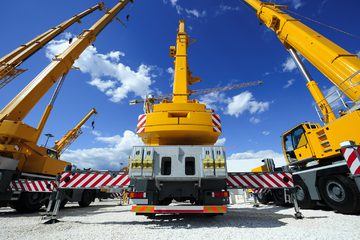
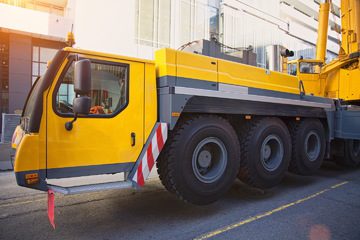
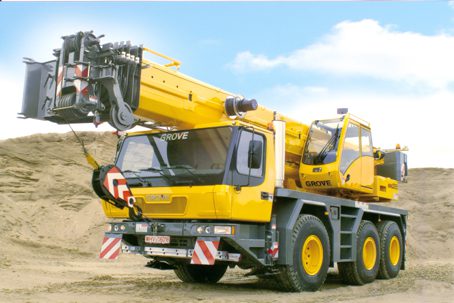
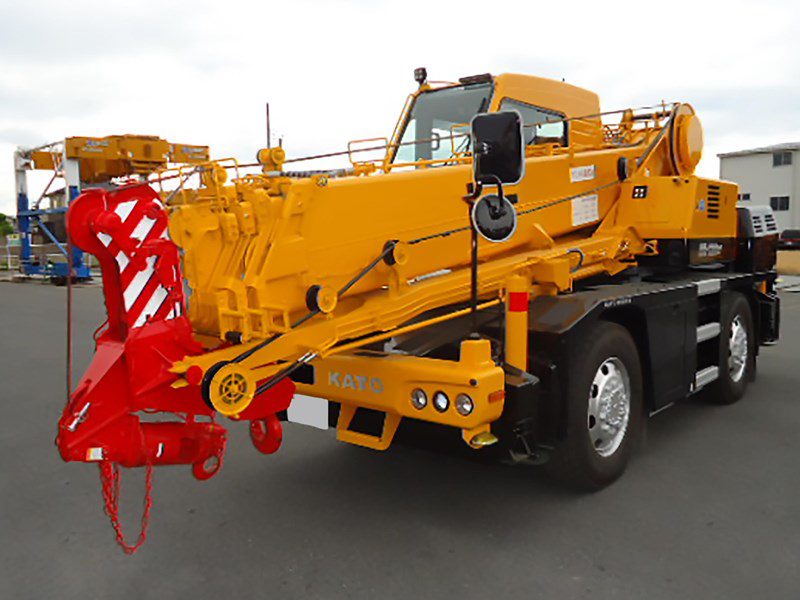
Mobile cranes remain one of the most versatile tools in the construction industry. Mounted on trucks or crawler tracks, they can be transported quickly between project sites, making them particularly useful for infrastructure development.
Large road upgrades, rail expansions, and energy projects frequently rely on mobile crane hire to install structural elements that require precise lifting but do not justify the installation of a permanent tower crane. Their mobility allows contractors to deploy lifting capacity exactly where it is needed, often for short periods within larger infrastructure timelines.
Australia’s ongoing investment in transport infrastructure has reinforced this trend. Bridge girders, tunnel ventilation systems, and modular construction components are commonly installed using mobile cranes, whose flexibility makes them well suited to projects spread across multiple locations.
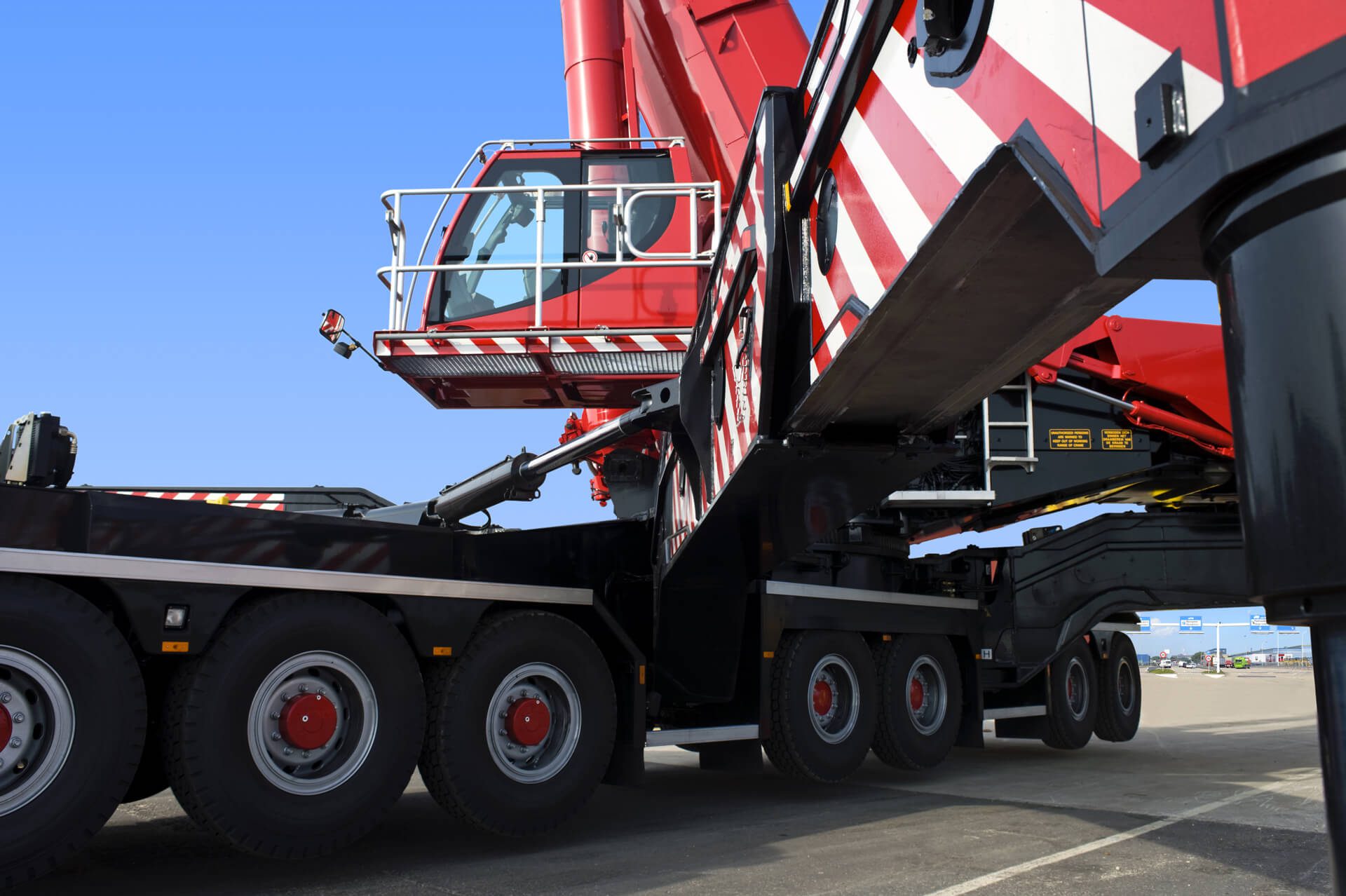
Advances in hydraulic systems and computerized load monitoring have also improved the efficiency and safety of modern mobile cranes. These innovations allow operators to manage complex lifts with greater accuracy while complying with Australia’s stringent workplace safety standards.
Tower Cranes and the Vertical City
While mobile cranes dominate infrastructure projects, tower crane hire has become synonymous with high-rise construction. Fixed to a building’s structure or anchored to the ground, tower cranes provide the height and reach required to construct tall buildings.
Australia’s urban housing demand—particularly in cities such as Sydney and Melbourne—has driven an increase in residential towers and mixed-use developments. Tower cranes enable these projects to move materials vertically with minimal ground-level disruption, an important consideration in densely populated areas.
Unlike mobile cranes, which are designed for flexibility, tower cranes are typically installed for the duration of a project. Their design allows them to lift heavy loads across wide radii, making them essential for placing steel beams, prefabricated wall panels, and mechanical equipment at significant heights.
However, tower cranes also require careful planning. Installation and dismantling are complex operations that demand strict adherence to safety procedures and regulatory approvals. Australian construction authorities require detailed engineering assessments to ensure cranes are installed securely and can withstand environmental conditions such as high winds.
Luffing Cranes and the Challenges of Dense Urban Sites
As construction increasingly moves into tightly packed urban environments, traditional tower cranes sometimes face limitations. In areas where buildings are close together or where airspace restrictions apply, cranes with long horizontal jibs can pose operational challenges.
This is where luffing cranes have become particularly valuable. Unlike conventional tower cranes, which rely on a fixed horizontal jib, luffing cranes raise and lower their boom to control the working radius. This vertical movement allows them to operate within restricted spaces while minimizing the risk of oversailing adjacent properties.
The demand for luffing crane hire northern sydney illustrates how urban density is shaping crane selection. Northern Sydney has seen significant redevelopment activity in recent years, including residential towers and commercial complexes constructed on relatively compact sites. In these circumstances, the ability of a luffing crane to reduce its footprint and operate safely near neighboring buildings makes it a practical solution.
The use of luffing cranes also reflects broader changes in urban planning. As cities encourage higher-density living near transport hubs and business districts, construction sites are often surrounded by existing infrastructure. Equipment capable of operating safely within these constraints has become an essential part of project logistics.
Safety Standards and Regulatory Oversight
Australia maintains some of the most rigorous construction safety standards in the world, and crane operations are subject to strict oversight. Regulatory frameworks administered by state authorities and workplace safety agencies require comprehensive risk assessments before cranes can be installed or operated.
Operators must undergo specialized training and certification to manage lifting equipment safely. Crane operations are also monitored through formal lift plans, which detail the weight, dimensions, and movement of materials being hoisted.
Technological innovation has strengthened these safety measures. Modern cranes are equipped with sensors and digital monitoring systems that track load weights, wind speeds, and structural stresses in real time. These systems help prevent overload situations and provide operators with detailed data that supports safer decision-making.
In addition, remote diagnostics and predictive maintenance tools are increasingly common across fleets involved in mobile crane hire and tower crane hire services. By identifying potential mechanical issues before they become critical failures, these technologies reduce downtime and enhance operational safety.
Technology and the Future of Lifting
Digital transformation is beginning to reshape the crane industry in ways that extend beyond mechanical improvements. Data analytics, automation, and remote monitoring are gradually becoming integrated into lifting operations across the construction sector.
Some cranes now feature semi-automated positioning systems that allow operators to repeat complex lifts with greater precision. In dense construction environments, these technologies help reduce the margin for human error and improve overall productivity.
At the same time, the integration of building information modeling (BIM) into construction planning has made crane placement more strategic. Engineers can simulate lifting operations digitally before equipment arrives on site, ensuring that cranes—whether mobile units, traditional tower cranes, or specialized luffing models—are positioned to maximize efficiency.
For urban regions experiencing rapid growth, such as Northern Sydney, this planning capability is particularly important. Construction projects must coexist with active roads, public transport systems, and neighboring properties, making precise logistical coordination essential.
Cranes as Indicators of Urban Change
Beyond their technical role, cranes have long served as visible indicators of economic momentum. Their presence signals not only active construction but also broader shifts in urban development patterns.
Australia’s current construction landscape reflects a convergence of infrastructure expansion, housing demand, and technological modernization. The growing reliance on mobile crane hire, tower crane hire, and specialized luffing crane hire northern sydney demonstrates how the industry is adapting to these pressures.
Each crane type serves a distinct purpose within the evolving built environment. Mobile cranes provide the flexibility required for sprawling infrastructure projects, tower cranes support the vertical expansion of city centers, and luffing cranes enable construction to proceed safely in densely packed neighborhoods.
Together, they represent the mechanical infrastructure behind Australia’s urban transformation. As cities continue to grow and projects become more complex, the strategic use of lifting technology will remain a central element of how the country builds its future.