Across the rapidly evolving skylines of Australia, cranes have become both a symbol and an essential instrument of urban transformation. From transport corridors and renewable energy facilities to residential towers and commercial precincts, construction projects increasingly rely on highly specialized lifting systems. As infrastructure investment accelerates and cities grow vertically, the strategic role of services such as city crane hire southern highlands and other regions has become central to modern building practices.
The demand for mobile crane hire, tower crane hire, and luffing crane hire reflects broader shifts in how Australian projects are planned and delivered. Each crane type performs a distinct role within construction ecosystems, particularly as projects grow more complex in dense urban environments. Their use illustrates how engineering capability, safety regulation, and technological innovation intersect to shape the nation’s infrastructure future.
The Strategic Importance of Crane Hire in Modern Construction
Australia’s construction sector has undergone significant transformation over the past two decades. Population growth, urban densification, and government infrastructure spending have increased the scale and complexity of projects nationwide. From metropolitan centres like Sydney and Melbourne to expanding regional hubs such as Southern Highlands, cranes play a crucial logistical role in enabling construction activity.
Rather than maintaining large fleets of specialized machinery, many contractors rely on mobile crane hire or tower crane hire services that provide equipment tailored to specific project requirements. This model allows construction firms to access advanced lifting technology without the capital investment or long-term maintenance responsibilities associated with ownership.
In regions like the Southern Highlands, crane hire services often bridge the gap between metropolitan-scale infrastructure projects and regional development. Road upgrades, hospital expansions, renewable energy installations, and multi-storey residential developments frequently depend on crane specialists capable of operating across varied terrain and project conditions.
As construction timelines tighten and supply chains become more complex, the coordination of lifting equipment has evolved into a strategic discipline. Proper crane selection can affect everything from project scheduling and worker safety to site efficiency and environmental impact.
Mobile Cranes and the Flexibility of Infrastructure Projects
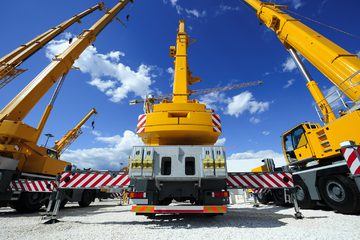
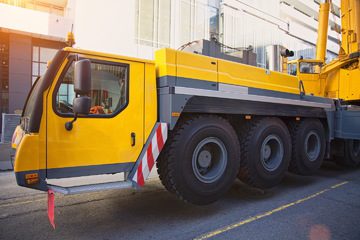
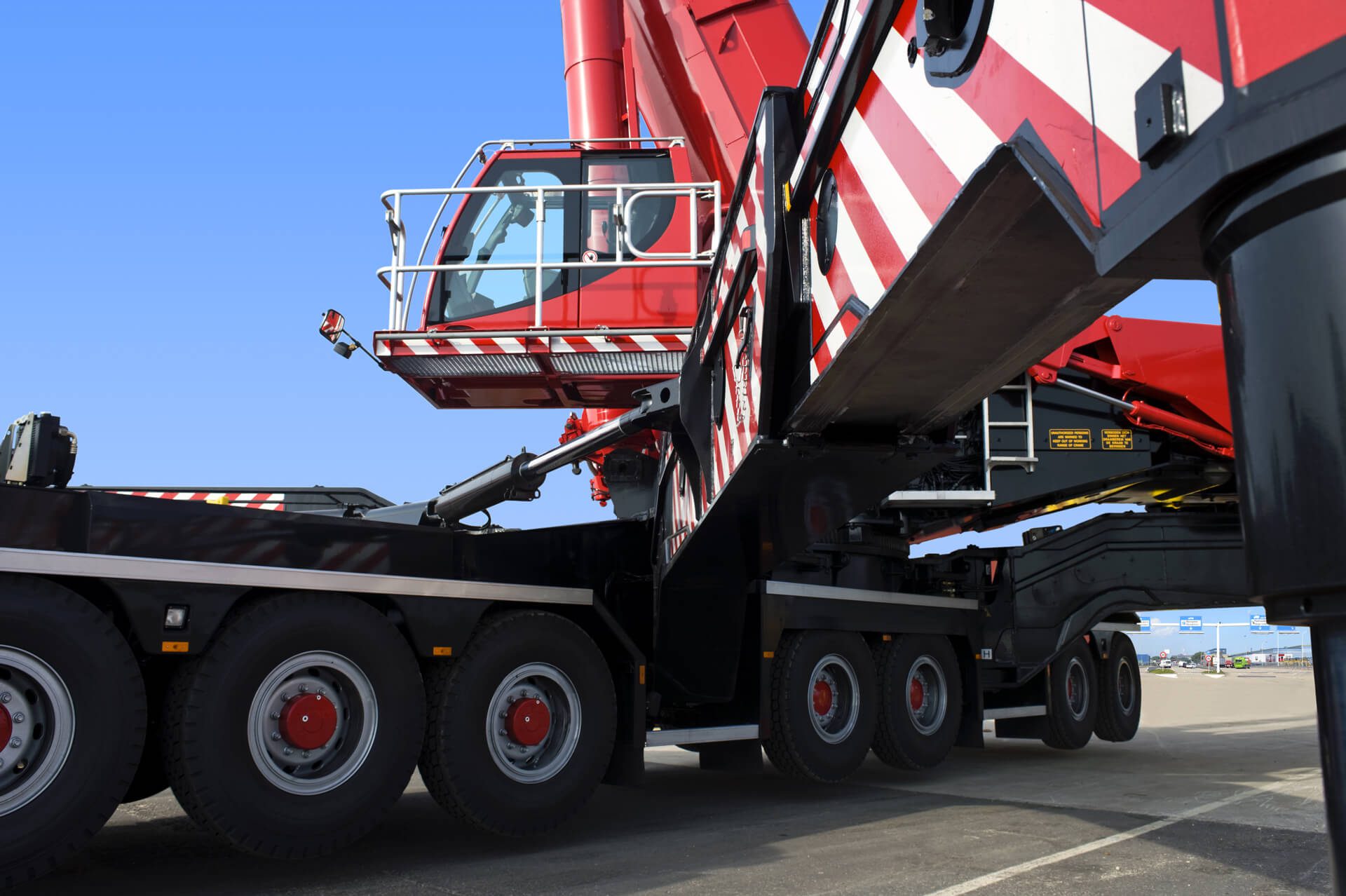
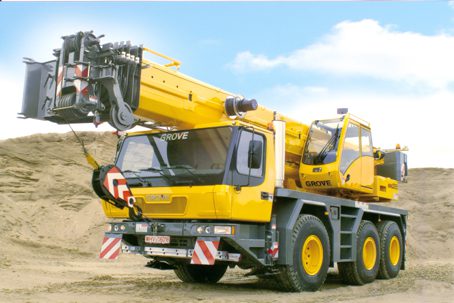
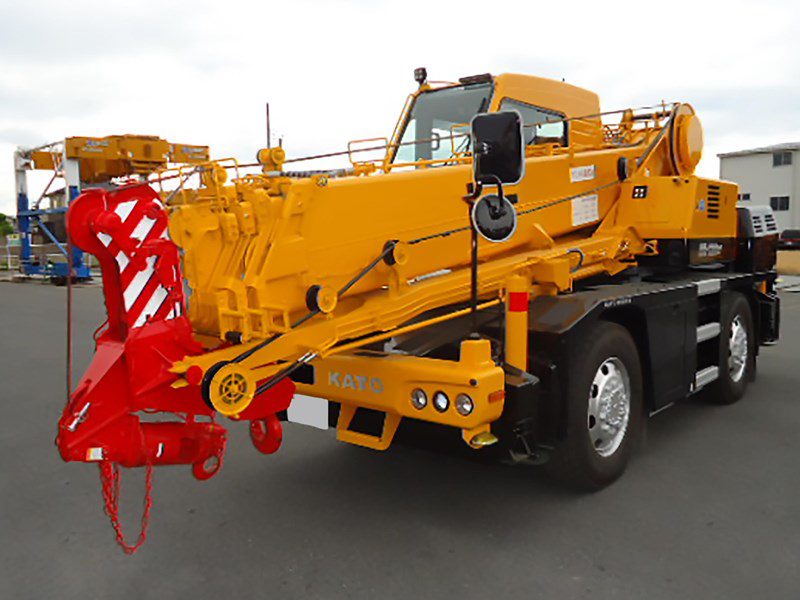
Among the most widely used lifting solutions in Australia is mobile crane hire. Mobile cranes are valued for their versatility and mobility, enabling them to move quickly between construction zones and operate in locations where permanent lifting infrastructure would be impractical.
Infrastructure projects, including highway bridges, rail corridors, and utility installations, frequently rely on mobile cranes because of their ability to transport heavy components across large sites. Their telescopic booms and adaptable configurations allow operators to lift materials such as precast concrete sections, steel beams, and large mechanical equipment.
In regional development zones and semi-rural areas like the Southern Highlands, mobile cranes often play a critical role in construction logistics. Their ability to navigate uneven terrain and operate without extensive site preparation makes them particularly suited to projects outside dense city centres.
Mobile crane hire has also become essential for renewable energy construction. Wind turbine installations, solar farm assembly, and energy infrastructure upgrades require lifting solutions capable of handling oversized components under strict safety conditions.
Tower Cranes and the Rise of High-Density Urban Development
As Australian cities expand vertically, tower crane hire has become synonymous with high-rise construction. Tower cranes dominate the skylines of growing metropolitan districts, where residential towers, commercial developments, and mixed-use precincts demand lifting solutions capable of reaching extreme heights.
Tower cranes provide the lifting capacity and stability required for repetitive material handling across large construction footprints. Their fixed foundations allow them to operate efficiently over extended project timelines, lifting concrete, steel, and mechanical systems as structures rise floor by floor.
In dense urban areas such as inner-city Sydney or Melbourne, tower cranes enable construction teams to move materials across confined sites without disrupting surrounding streets and infrastructure. Their long horizontal jibs allow materials to be transported across large portions of a building footprint while maintaining a relatively small ground-level presence.
Urban planning considerations have also influenced tower crane deployment. Local authorities often regulate crane positioning, height limits, and operating schedules to ensure minimal impact on surrounding communities. As a result, crane operators increasingly collaborate with engineers, architects, and city planners during the early stages of project design.
Luffing Cranes and the Challenges of Dense City Sites
While tower cranes dominate high-rise construction, luffing crane hire has gained prominence in tightly constrained urban environments. Luffing cranes are distinguished by their ability to raise and lower their jib angle, allowing them to operate safely in locations where multiple cranes must work within close proximity.
In cities where building sites are surrounded by existing structures, power lines, or transportation corridors, the compact working radius of luffing cranes becomes essential. By adjusting the jib angle, operators can reduce swing radius and prevent interference with adjacent buildings or equipment.
This capability has become particularly important in densely built urban precincts where multiple towers rise simultaneously. Coordinated crane operations allow construction teams to manage limited airspace safely while maintaining efficient project timelines.
Luffing crane hire is also frequently used on sites where airspace restrictions apply, such as near airports or major infrastructure corridors. Their controlled movement and vertical lifting precision make them well suited to complex urban construction environments.
Safety, Regulation, and Australia’s Construction Standards
The operation of cranes within Australia’s construction sector is governed by strict regulatory frameworks designed to protect workers, the public, and surrounding infrastructure. Agencies such as Safe Work Australia establish national guidelines for workplace safety, while state regulators enforce compliance through licensing, inspection, and certification processes.
Crane operators must undergo rigorous training and accreditation, often holding high-risk work licences specific to the equipment they operate. These requirements ensure that operators understand load calculations, wind limitations, site conditions, and emergency procedures.
Construction companies must also adhere to comprehensive risk management protocols. Before cranes are installed or deployed, engineers conduct detailed lift planning assessments that evaluate structural loads, ground stability, and operational hazards.
Technological monitoring systems increasingly support these safety measures. Modern cranes are often equipped with load sensors, wind speed monitoring, and automated control systems that prevent operators from exceeding safe operational limits.
In addition to national regulations, individual project sites frequently implement their own safety standards, particularly for major infrastructure developments. These protocols may include exclusion zones, real-time monitoring systems, and coordinated lift schedules when multiple cranes operate simultaneously.
Technology and the Future of Crane Operations
Advances in digital technology are reshaping crane operations across Australia’s construction industry. Modern crane fleets increasingly incorporate telematics, remote diagnostics, and data analytics to improve operational efficiency and predictive maintenance.
Sensors embedded within crane systems can track equipment performance, identify mechanical issues before they become failures, and optimise lifting sequences based on real-time site conditions. These technologies reduce downtime and enhance project planning.
Another emerging trend is the integration of crane operations with digital building models. Building Information Modelling (BIM) systems allow engineers and crane operators to simulate lifting operations before construction begins. These simulations can identify potential conflicts, optimise crane placement, and improve coordination between construction teams.
Environmental considerations are also influencing equipment design. Manufacturers are exploring hybrid and electric crane technologies aimed at reducing fuel consumption and emissions, particularly in urban construction zones where environmental regulations are tightening.
Cranes as Indicators of Australia’s Construction Momentum
Beyond their technical function, cranes have become visual indicators of economic activity and urban growth. The number of cranes operating in major cities is often viewed as a proxy for construction momentum and development investment.
In both metropolitan centres and expanding regional areas such as the Southern Highlands, the presence of cranes signals ongoing transformation in housing, infrastructure, and commercial development. These machines, towering above construction sites, represent the physical machinery of urban expansion.
As Australia continues to invest in transport networks, renewable energy infrastructure, and high-density housing, the importance of specialised lifting equipment will only increase. Mobile crane hire, tower crane hire, and luffing crane hire each occupy a distinct place in the construction ecosystem, enabling projects that would otherwise be impossible to complete efficiently or safely.
In the decades ahead, cranes will remain central to the story of Australia’s built environment—quietly performing the heavy lifting behind the country’s evolving skyline.