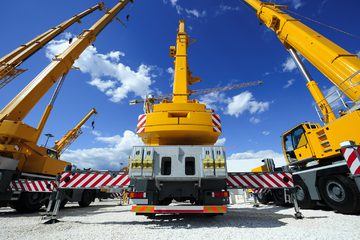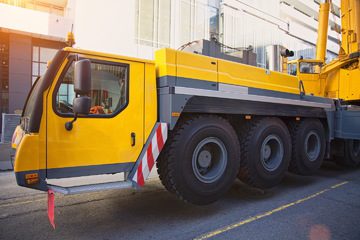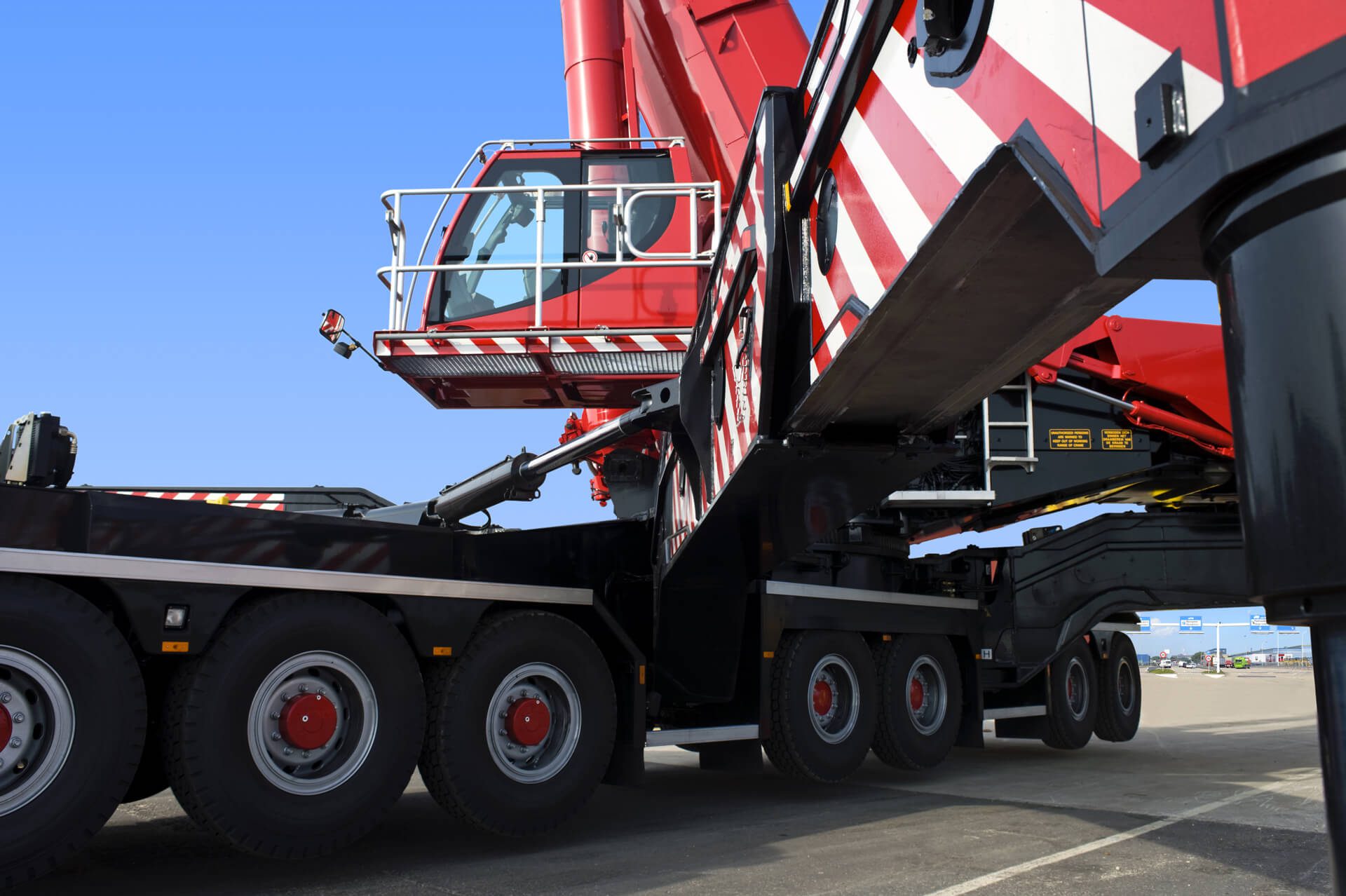
Across Australia’s rapidly evolving urban landscape, cranes have become unmistakable symbols of growth. Nowhere is this more evident than in Western Sydney, where large-scale infrastructure programs, new housing developments, and major transport projects are transforming the region into one of the country’s most dynamic construction corridors. Behind this transformation lies a complex logistical ecosystem in which crane access and planning play a critical role.
The growing reliance on mobile crane hire, tower crane hire, and luffing crane hire reflects how construction companies are adapting to increasingly complex building environments. In Western Sydney in particular, the strategic use of city crane hire has become central to delivering projects on time and within strict safety and regulatory frameworks.
The Construction Surge in Western Sydney
Western Sydney is undergoing one of the most significant urban expansions in Australia. Large public investments in transport, housing, and commercial infrastructure are reshaping suburbs and creating new urban centres. Major projects connected to the Western Sydney International Airport, along with transport upgrades such as the Sydney Metro, have accelerated demand for construction capacity across the region.
This surge has placed heavy pressure on construction logistics. Building sites in urban and semi-urban areas must operate within tight spatial constraints, strict safety regulations, and demanding timelines. In this environment, the availability and correct selection of cranes often determine whether complex structural components can be installed efficiently.
city crane hire western Sydney therefore play a logistical role that extends beyond equipment supply. Their work influences construction sequencing, site planning, and project feasibility in dense environments where traditional lifting methods are impractical.
Mobile Cranes and the Flexibility of Infrastructure Projects
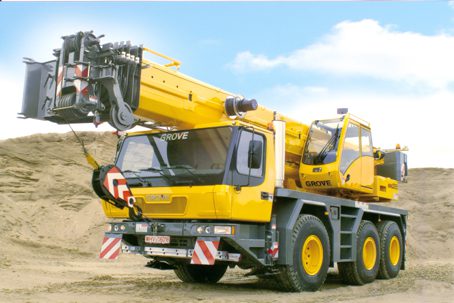
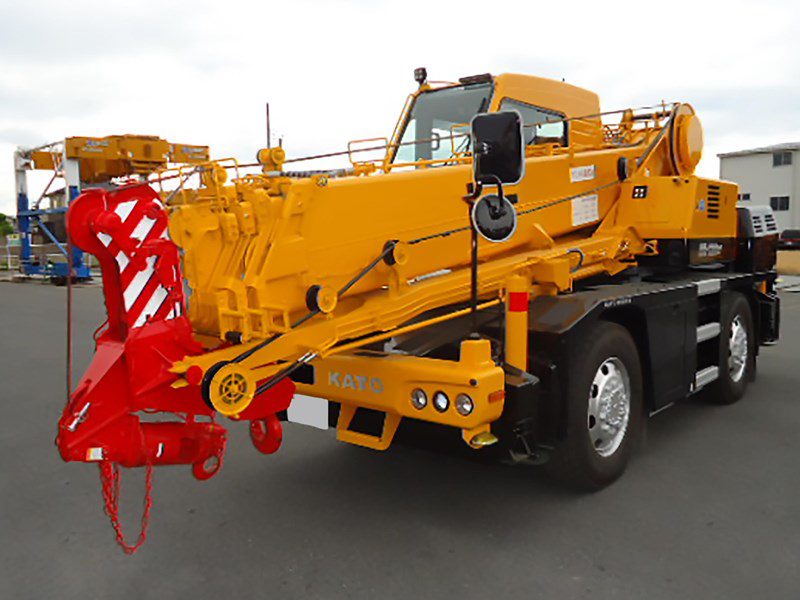
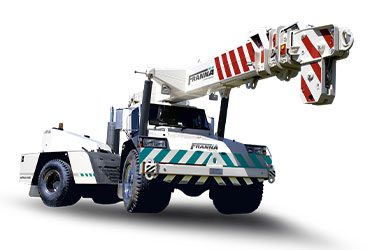
Among the most versatile lifting solutions in Australia’s construction sector is mobile crane hire. Mobile cranes are valued for their flexibility and rapid deployment, making them essential for infrastructure and civil engineering projects spread across large sites.
Infrastructure construction frequently requires heavy components—such as bridge beams, precast concrete sections, or large mechanical systems—to be lifted and positioned precisely. Mobile cranes can travel between project zones and set up quickly, allowing contractors to maintain momentum even as site conditions evolve.
Western Sydney’s expanding road network and rail infrastructure rely heavily on this capability. Construction corridors often shift as projects progress, and mobile cranes allow teams to respond to changing lift requirements without the lengthy installation processes associated with fixed cranes.
Their adaptability also supports maintenance work on existing infrastructure, enabling safe lifting operations near active roadways, rail corridors, and utilities. In a region where construction is layered atop existing communities and transport routes, that flexibility becomes indispensable.
Tower Cranes and the Rise of High-Density Development
While mobile cranes dominate large infrastructure sites, tower crane hire has become synonymous with vertical construction. As Western Sydney’s population grows, high-density residential and mixed-use developments are increasingly replacing lower-rise suburban structures.
Tower cranes offer the height and lifting capacity necessary to move materials hundreds of feet above ground. Their ability to rotate and distribute loads across large building footprints allows construction crews to move steel, concrete panels, and building materials efficiently throughout multi-storey projects.
In Western Sydney’s emerging city centres—such as Parramatta and surrounding growth precincts—tower cranes have become a permanent feature of the skyline. Their presence reflects not only the scale of development but also the shift toward more urbanised planning models that emphasise apartment housing and commercial density.
Because tower cranes remain fixed to a building during construction, their installation requires extensive engineering coordination. Structural anchors, foundation design, and wind load analysis must all be carefully calculated to ensure safe operation throughout the building process.
Luffing Cranes and Construction in Tight Urban Spaces
As construction projects move closer together in dense urban environments, traditional tower cranes can encounter spatial limitations. This is where luffing crane hire has become increasingly important.
Luffing cranes are specifically designed for sites where horizontal space is limited. Instead of a long fixed jib that swings widely across surrounding areas, the jib angle can be raised or lowered, allowing the crane to operate with a smaller swing radius.
In crowded construction districts, this capability reduces the risk of cranes overlapping with neighbouring sites or extending beyond property boundaries. It also allows developers to build in locations where conventional tower cranes might otherwise create operational conflicts.
Western Sydney’s evolving urban centres are beginning to mirror the spatial constraints long seen in inner-city construction zones. As land parcels become smaller and developments rise taller, luffing cranes offer a practical solution for maintaining safety while continuing vertical expansion.
Safety Standards and Regulatory Oversight
Australia maintains some of the most stringent construction safety standards in the world, and crane operations are subject to particularly rigorous oversight.
Regulatory frameworks overseen by organisations such as Safe Work Australia establish clear requirements for crane operation, operator certification, and site safety management. State-based authorities also enforce compliance through licensing systems and regular inspections.
Crane operators must undergo specialised training to ensure they can safely manage heavy loads, environmental conditions, and communication with ground crews. In addition, lift plans must be documented in detail before major operations begin.
Weather conditions, load distribution, and proximity to power lines are among the many variables assessed during planning. In Australia’s climate, high winds can present significant operational risks, especially for tall tower cranes. Monitoring systems and strict operational limits are therefore integral parts of crane safety protocols.
These measures have helped maintain relatively strong safety performance across Australia’s construction sector, even as project complexity increases.
Technology Transforming Crane Operations
Technological advancements are also reshaping how cranes operate on modern construction sites.
Digital monitoring systems now allow operators and engineers to track load weights, wind speeds, and structural stresses in real time. These systems can automatically prevent lifts that exceed safe parameters, reducing the risk of human error.
Remote diagnostics and predictive maintenance tools are becoming increasingly common as well. Sensors embedded in crane components monitor wear and mechanical performance, enabling technicians to identify potential issues before they lead to equipment failures.
Automation and digital planning tools are also influencing crane deployment strategies. Building information modelling, widely used across Australian construction projects, allows engineers to simulate lifting operations in a virtual environment before work begins. This helps planners determine whether mobile crane hire, tower crane hire, or luffing crane hire will best suit a particular site.
The result is a more data-driven approach to construction logistics, where crane selection becomes an integral part of early project design rather than a late-stage operational decision.
The Strategic Role of Crane Hire in Urban Development
As Western Sydney continues its transformation, cranes will remain central to the region’s construction ecosystem. The coordination required to manage multiple lifting operations across complex projects illustrates how crane hire has evolved into a strategic planning function rather than a simple equipment service.
Mobile cranes support infrastructure expansion across large transport corridors. Tower cranes enable vertical growth in emerging city centres. Luffing cranes make dense urban construction feasible where space constraints would otherwise limit development.
Together, these lifting systems form the mechanical backbone of modern construction. Their presence across Western Sydney’s skyline is more than a visual indicator of economic activity; it represents the logistical sophistication required to build modern cities.
With continued investment in infrastructure and housing expected across Australia, the importance of efficient crane deployment will likely grow. As projects become larger, taller, and more complex, the careful integration of crane technology into construction planning will remain essential to shaping the nation’s evolving urban landscape.