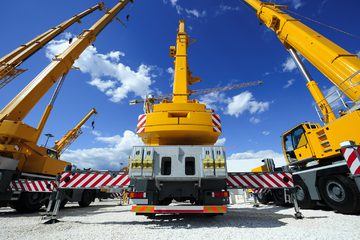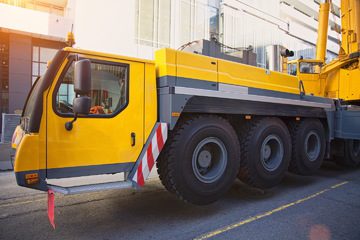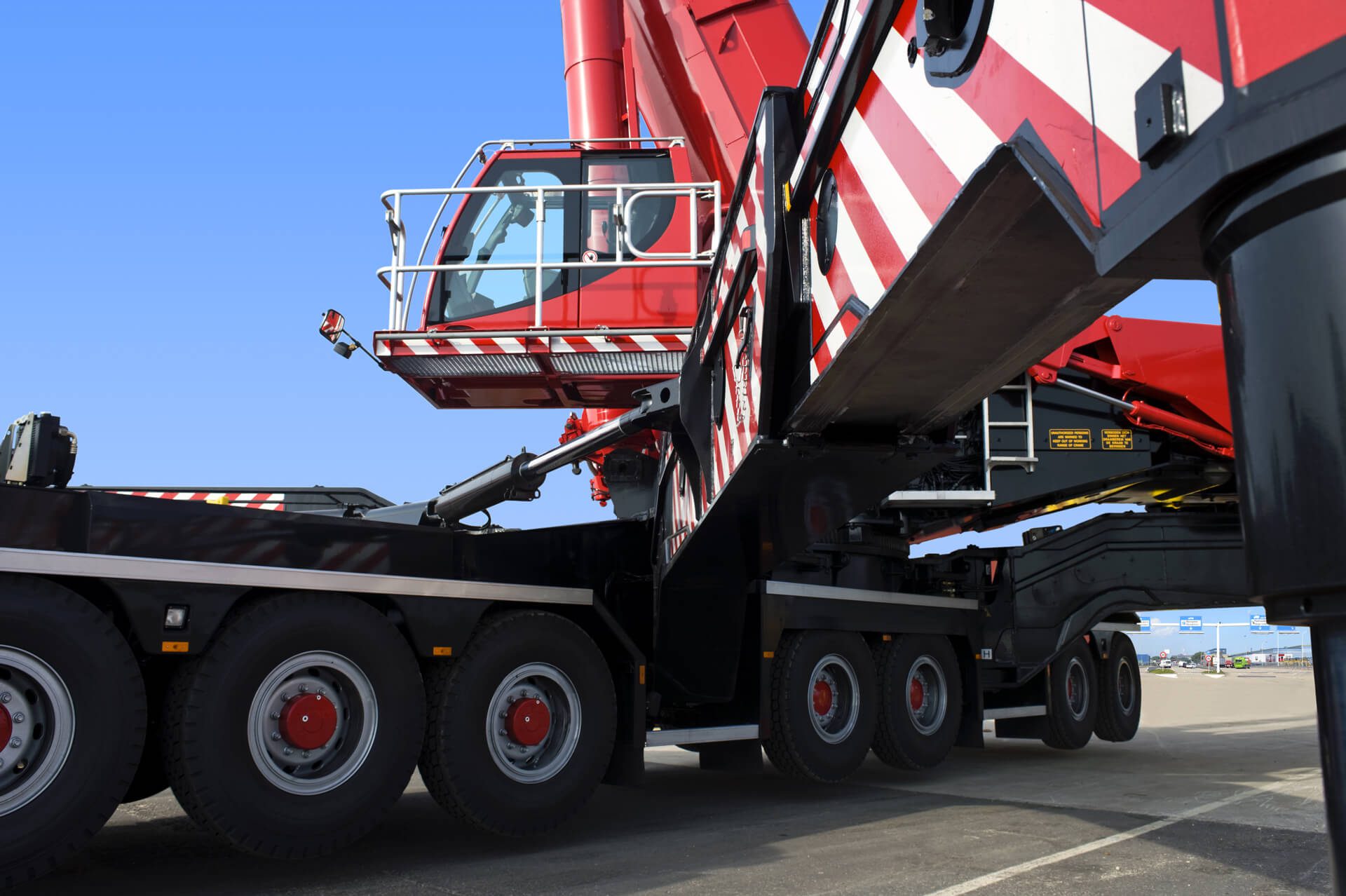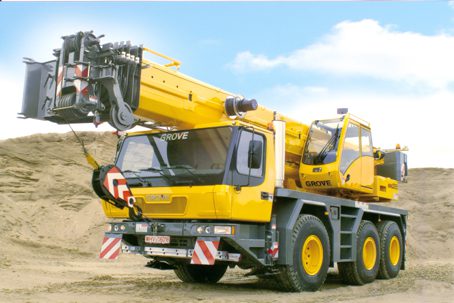
Across Australia’s expanding cities and infrastructure corridors, cranes have become one of the most visible symbols of economic development. Towering above residential towers, transport hubs, and commercial precincts, these machines quietly perform one of the most essential roles in modern construction: moving the heavy materials that enable complex projects to take shape.
Behind this skyline transformation is a sophisticated ecosystem of crane services and equipment. From mobile crane hire for flexible infrastructure projects to tower crane hire for high-rise developments and luffing crane hire for dense urban sites, the strategic deployment of lifting technology has become central to how construction projects are planned and delivered. Increasingly, contractors are also turning to franna crane hire to support the fast-paced logistics of contemporary building sites.
The evolution of crane usage reflects broader changes in Australian construction—larger projects, tighter urban spaces, stricter safety regulations, and a growing reliance on specialised machinery.
The Expanding Scale of Australian Construction
Australia’s construction sector has experienced sustained growth driven by population expansion, urban renewal, and large-scale infrastructure investment. Cities such as Sydney, Melbourne, and Brisbane continue to see major redevelopment projects, including transport corridors, residential towers, and mixed-use precincts.
As project complexity increases, the movement of structural steel, prefabricated concrete panels, and mechanical components requires precise planning and specialised lifting equipment. Crane hire services have become integral to this process, enabling contractors to access machinery suited to specific project demands without maintaining large in-house fleets.
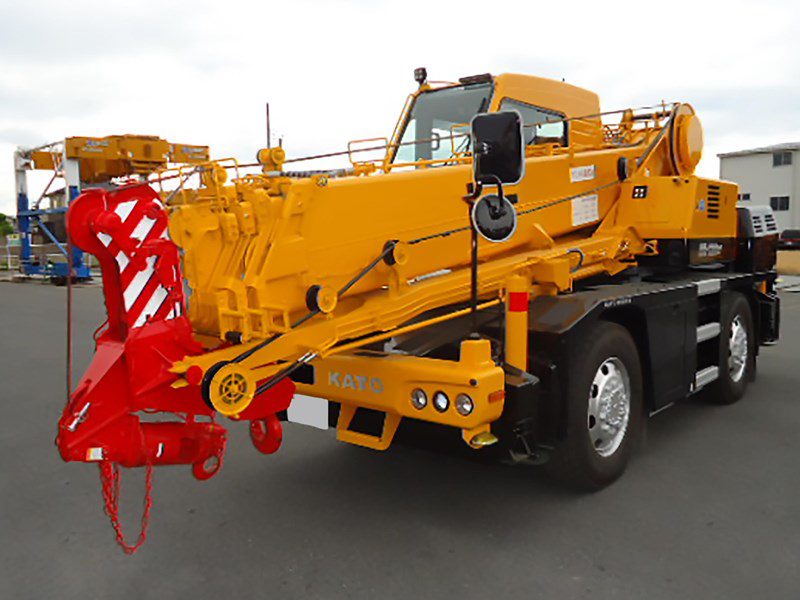
Mobile crane hire has emerged as one of the most versatile solutions for projects that require lifting capability across multiple locations. These cranes can be rapidly deployed and relocated, making them particularly valuable in infrastructure construction where worksites change frequently.
By contrast, tower crane hire dominates the vertical construction landscape. High-rise residential and commercial developments depend on these fixed cranes to lift materials hundreds of metres above ground level while maintaining stability and precision.
In the tight footprints common to modern city developments, another category has become increasingly important: luffing crane hire. These cranes are designed with a pivoting boom that allows the jib angle to be adjusted, enabling operations in confined urban environments where overswing restrictions are strict.
Franna Cranes and the Logistics of Modern Job Sites
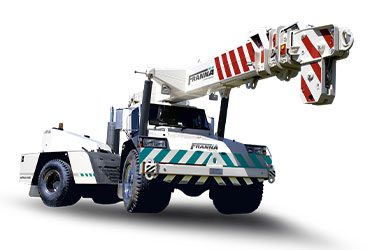
While tower cranes often dominate skylines, smaller but highly mobile lifting equipment plays an equally important role at ground level. Franna cranes—Australia-developed pick-and-carry cranes—have become a staple on construction sites because of their ability to lift and transport loads simultaneously.
The strategic role of franna crane hire lies in its efficiency. Unlike traditional cranes that lift loads vertically and rely on separate transport equipment, Franna cranes can carry loads across a site without additional machinery. This capability allows construction teams to move materials quickly between storage areas, staging zones, and installation points.
On major projects such as bridge construction or industrial developments, these cranes help streamline site logistics. Structural components can be delivered, repositioned, and installed with minimal downtime, reducing the need for multiple lifting operations.
Their compact footprint also makes them well suited to construction sites where space is constrained—an increasingly common challenge in Australia’s densifying urban environments.
Matching Crane Technology to Project Needs
The modern construction industry relies on careful matching of crane types to project requirements. Each category serves a distinct purpose shaped by reach, lifting capacity, mobility, and site conditions.
Mobile crane hire typically supports infrastructure projects such as road upgrades, rail construction, and energy installations. These cranes are transported on trucks or wheeled carriers and can be quickly set up to handle heavy lifts at multiple points along a project corridor. Their flexibility makes them essential for work in remote areas as well as urban construction zones.
Tower crane hire, on the other hand, is indispensable in vertical construction. Once erected, these cranes remain fixed for the duration of a project, providing continuous lifting capability for materials such as steel beams, precast panels, and mechanical systems. Their ability to operate at significant heights allows construction teams to maintain steady progress as buildings rise floor by floor.
Luffing crane hire addresses one of the most complex challenges in modern construction: working within dense city centres. Traditional tower cranes require wide swing areas, but luffing cranes can raise or lower their jib to control the radius of movement. This design allows them to operate safely near neighbouring buildings, roads, and other cranes—conditions frequently encountered in urban redevelopment projects.
Together, these machines form a coordinated lifting network that supports the full lifecycle of construction, from foundation work through structural assembly and final installation.
Safety and Regulation in Australia’s Crane Sector
The use of cranes in construction carries inherent risks, making safety standards a central concern for both contractors and regulators. Australia maintains one of the most comprehensive safety frameworks for lifting operations, guided by national workplace health and safety legislation and industry-specific codes of practice.
Operators must hold specialised licences, and equipment is subject to rigorous inspection and maintenance requirements. Risk assessments, lift planning, and exclusion zones are standard components of crane operations across major projects.
These regulatory structures are overseen by bodies such as Safe Work Australia, which provides national guidance on workplace safety policies and regulations. At the state level, additional agencies enforce compliance and conduct inspections to ensure that crane operations meet strict safety benchmarks.
For construction firms relying on mobile crane hire, tower crane hire, or luffing crane hire, compliance with these standards is not only a legal requirement but also a critical factor in project planning. Safety considerations influence everything from crane selection and positioning to operator training and communication systems.
Technology Reshaping Lifting Operations
Advances in digital technology are gradually transforming crane operations across Australia. Modern cranes are increasingly equipped with sensors, load monitoring systems, and telematics that provide real-time data on performance and safety conditions.
These technologies enable operators and project managers to monitor load weights, wind conditions, and crane stability during lifting operations. Data collected from cranes can also be used for predictive maintenance, helping to identify mechanical issues before they lead to equipment failure or downtime.
Another emerging trend is the integration of crane planning with building information modelling (BIM). By incorporating crane positioning and lift paths into digital project models, engineers can optimise site layouts and minimise conflicts between equipment and structures.
Such innovations are particularly valuable in large urban projects where multiple cranes may operate simultaneously. In high-density developments across cities like Sydney and Melbourne, advanced planning tools help coordinate complex lifting schedules and improve overall site efficiency.
Urban Density and the Future of Crane Deployment
Australia’s urban landscape continues to evolve as cities pursue higher-density housing and transit-oriented development. These trends are reshaping how cranes are deployed and managed.
In crowded city centres, developers must often coordinate multiple cranes within limited airspace while maintaining safety margins around neighbouring properties. Luffing crane hire has become increasingly common in such environments because it allows precise control over boom movement.
Meanwhile, infrastructure megaprojects—including rail expansions and renewable energy installations—are driving demand for mobile crane hire capable of lifting increasingly large prefabricated components. As construction methods shift toward modular and prefabricated building systems, cranes will play an even more critical role in assembling structures quickly and efficiently.
Franna crane hire is also expected to remain central to on-site logistics, particularly as projects adopt faster construction timelines and more complex staging requirements.
A Quiet but Critical Industry
Despite their visibility on construction sites, cranes often operate in the background of broader discussions about infrastructure and urban development. Yet the machinery and expertise behind lifting operations are fundamental to how modern cities are built.
From the skyline-defining presence of tower cranes to the flexible mobility of mobile cranes and the precision of luffing cranes in tight urban spaces, each piece of equipment contributes to a complex choreography of construction activity.
As Australia continues to invest in housing, transport, and energy infrastructure, the strategic role of crane services—whether through mobile crane hire, tower crane hire, luffing crane hire, or franna crane hire—will remain essential to the nation’s evolving built environment.