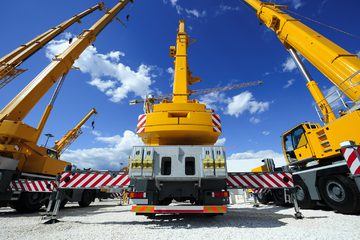
Across Australia’s largest cities, construction cranes have become a defining feature of the skyline. From the waterfront redevelopment of Melbourne’s Docklands to major infrastructure corridors in Sydney and Brisbane, cranes signal an economy investing heavily in urban renewal, housing, and transport infrastructure. Behind those towering structures is a highly specialized sector responsible for enabling complex construction projects: the crane hire industry.
In contemporary Australian construction, access to flexible lifting equipment has become essential. Contractors increasingly rely on services such as mobile crane hire, tower crane hire, and luffing crane hire to meet the evolving demands of high-density development and large-scale infrastructure. These services allow builders to match specific crane capabilities to project conditions without maintaining costly permanent fleets.
As Australia continues to expand its transport networks, residential towers, and commercial precincts, the strategic role of city crane hire has grown from a logistical convenience to a core element of project planning and urban development.
The Strategic Importance of Crane Hire in Urban Construction
Modern construction projects are defined by complexity, scale, and tight schedules. In Australia’s major cities—where land is scarce and project timelines are closely monitored—cranes function as the logistical backbone of building operations.
City crane hire services allow contractors to adapt lifting capacity to different phases of construction. During early stages, cranes may be needed for excavation support and structural materials. As buildings rise, lifting requirements shift toward steel frameworks, prefabricated components, and heavy façade systems. Instead of owning and maintaining specialized equipment for every scenario, construction firms can engage crane hire providers capable of supplying the appropriate machinery as project requirements evolve.
This flexibility has become particularly important in Australia’s rapidly growing metropolitan regions. Population growth and housing demand have pushed cities toward vertical development and large infrastructure investments, both of which require sophisticated lifting solutions.
Mobile crane hire, for example, is often essential for short-term lifting tasks, infrastructure assembly, and projects where equipment must be moved quickly between locations. Tower crane hire plays a central role in high-rise construction, where consistent vertical lifting is required for months or even years. Meanwhile, luffing crane hire has emerged as a specialized solution for projects built within dense urban environments where horizontal space is limited.
Together, these crane types form a network of equipment that supports the physical growth of Australian cities.
Mobile Cranes and the Flexibility of Infrastructure Projects
Infrastructure construction frequently demands versatility. Projects such as highway upgrades, rail expansions, wind farms, and port developments are spread across wide geographic areas and require equipment that can be transported and deployed quickly.
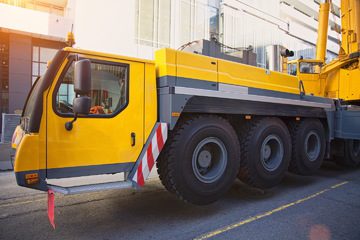
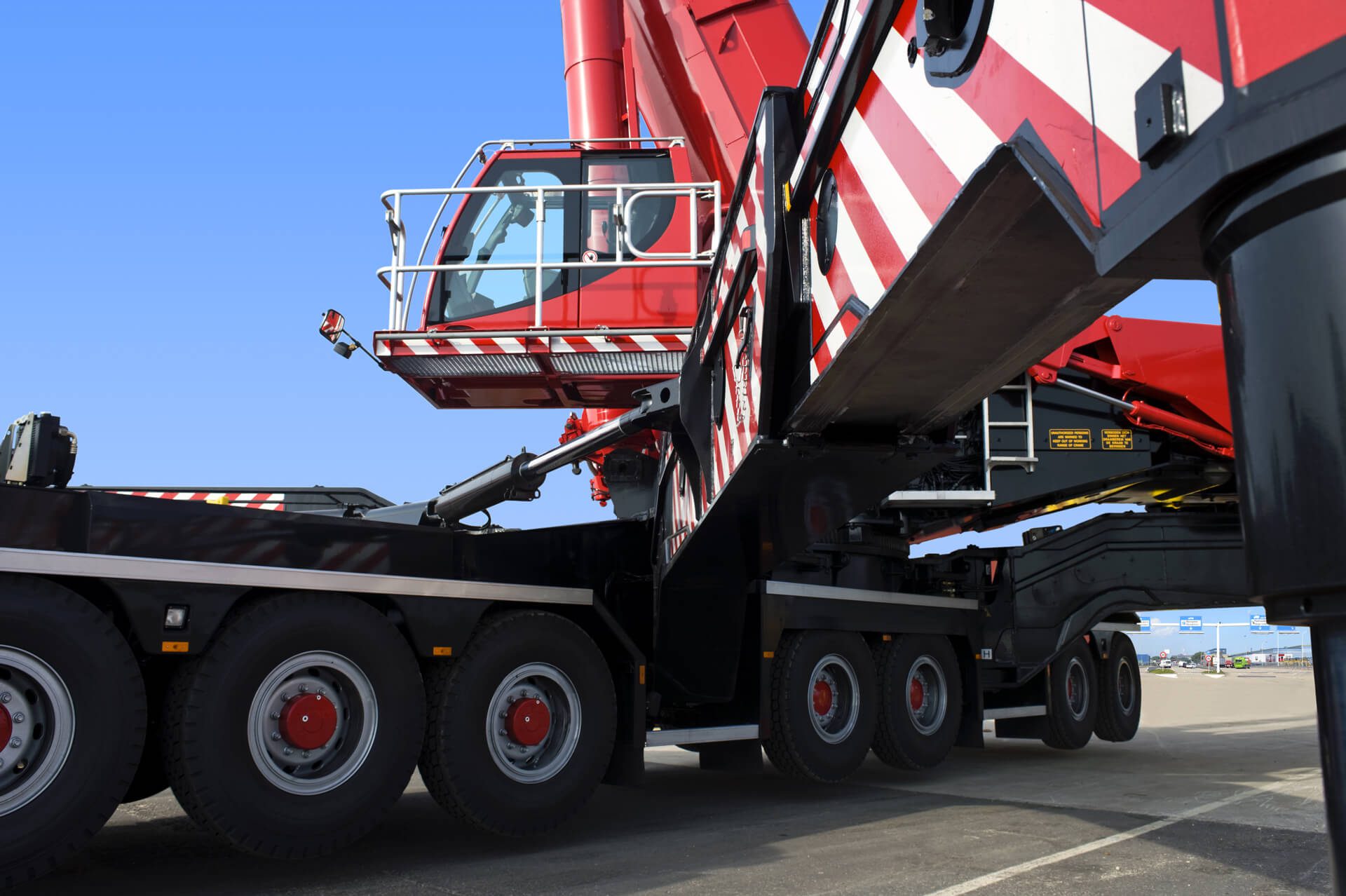
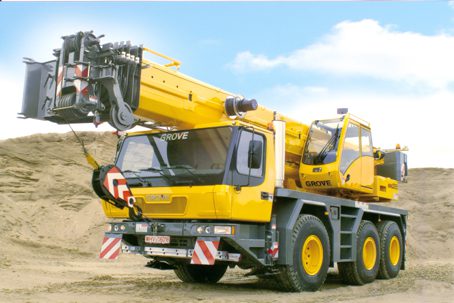
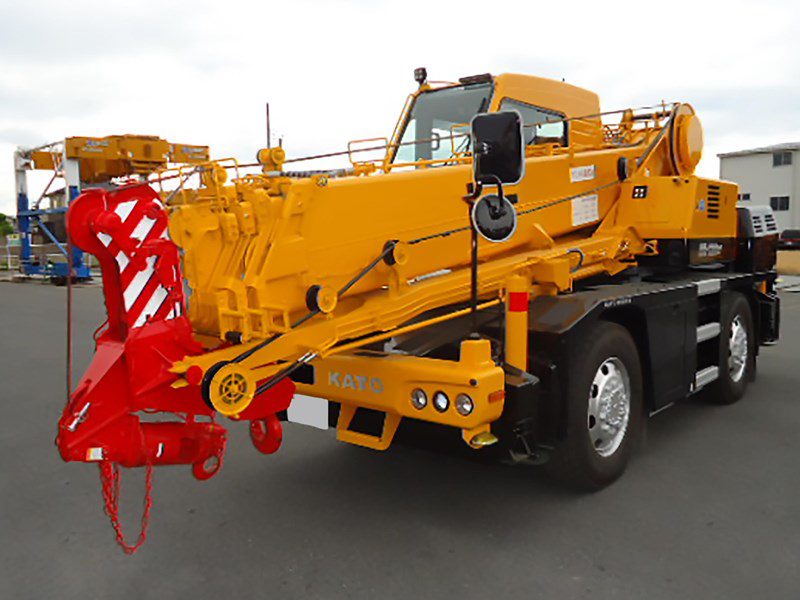
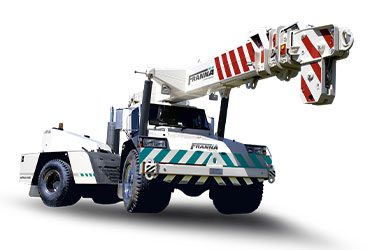
This is where mobile crane hire becomes particularly valuable. Mounted on truck or crawler platforms, mobile cranes can travel directly to construction sites and begin operations with minimal assembly. Their ability to relocate easily makes them ideal for projects where lifting requirements shift frequently.
In the context of Australian infrastructure development, mobile cranes are commonly used to position bridge beams, install precast concrete segments, and assemble heavy machinery. Renewable energy projects—especially wind farms—also depend heavily on large mobile cranes capable of lifting turbine components hundreds of feet into the air.
Because infrastructure projects often move through multiple stages across large areas, the mobility of these cranes allows construction teams to maintain productivity without the logistical constraints associated with fixed equipment.
Tower Cranes and the Rise of Vertical Cities
While mobile cranes dominate infrastructure projects, tower crane hire has become synonymous with urban high-rise construction. The tall steel towers visible above city skylines are designed to provide steady lifting capacity at significant heights, making them essential for constructing apartment towers, office buildings, and mixed-use developments.
Australia’s major cities have experienced a steady rise in high-density development over the past two decades. Sydney and Melbourne, in particular, have embraced vertical expansion as a response to population growth and limited urban land. Tower cranes are uniquely suited to these projects because they can operate continuously over extended construction timelines.
Installed on concrete foundations or integrated into building cores, tower cranes lift materials such as steel beams, formwork, and concrete panels from ground level to upper floors. Their height and reach allow construction teams to transport materials across large sites without disrupting ground-level activity.
For developers and contractors, tower crane hire provides a practical way to secure long-term lifting capacity while maintaining flexibility across multiple projects.
Luffing Cranes and Construction in Dense Urban Environments
As Australian cities become denser, construction sites are often surrounded by existing buildings, transport corridors, and public spaces. These conditions introduce unique logistical challenges that traditional cranes cannot always accommodate.
Luffing crane hire has become a specialized response to these constraints. Unlike conventional tower cranes with fixed horizontal jibs, luffing cranes feature adjustable arms that can raise or lower their angle. This ability allows the crane to operate within a smaller swing radius, reducing the risk of oversailing neighboring buildings or infrastructure.
Such precision is particularly valuable in central business districts where construction must coexist with busy streets, rail lines, and adjacent properties. In these environments, luffing cranes enable builders to maximize vertical construction while minimizing disruption to surrounding areas.
Major city projects across Australia—including high-rise residential towers and mixed-use developments—often rely on luffing cranes precisely because they allow construction to proceed within the tight spatial constraints typical of modern urban planning.
Safety and Regulatory Oversight in the Australian Context
The increasing scale and complexity of crane operations have also placed a strong emphasis on safety and regulation within Australia’s construction sector.
Crane operations are governed by strict workplace safety standards enforced by state and national authorities. Regulations typically require certified operators, detailed lift planning, regular equipment inspections, and adherence to engineering guidelines that account for wind loads, site conditions, and structural stability.
Australia’s workplace safety framework is among the most comprehensive in the construction industry. Operators must undergo specialized licensing and training to manage different types of cranes, while project managers must conduct risk assessments before major lifts are performed.
These measures are particularly important in densely populated urban environments, where crane operations occur close to residential buildings, public infrastructure, and pedestrian traffic. Maintaining strict compliance ensures that large lifting operations can proceed safely even in the most complex construction scenarios.
Technology Transforming Crane Operations
Beyond regulatory oversight, technological innovation is reshaping how cranes operate on modern construction sites.
Digital monitoring systems now allow crane operators and project managers to track load weights, wind conditions, and operational performance in real time. Sensors integrated into crane components can detect structural stress and alert crews before potential mechanical issues develop.
Advanced planning software has also become increasingly common. Engineers can simulate lifting operations before cranes are installed, helping construction teams identify optimal crane positions, lifting paths, and load capacities. These digital tools improve efficiency while reducing risk during critical lifting operations.
Automation and remote monitoring technologies are expected to further transform the sector in the coming years. While fully autonomous cranes remain largely experimental, incremental innovations in operator assistance systems are already improving safety and productivity across Australian construction sites.
The Future of Crane Hire in Australia’s Development
Australia’s construction pipeline suggests that cranes will remain central to the country’s economic development. Population growth, urban densification, and infrastructure modernization continue to drive demand for complex building projects.
Major transport initiatives, including metro rail systems and highway expansions, require significant lifting capacity during construction. At the same time, the housing sector faces ongoing pressure to deliver high-density residential developments in urban centers.
These trends reinforce the importance of flexible lifting solutions. Services such as mobile crane hire, tower crane hire, and luffing crane hire allow construction firms to access the specialized equipment needed to complete increasingly complex projects.
As cities evolve and construction technology advances, cranes will remain both a visible symbol of progress and a practical necessity for building the infrastructure and communities of the future. High above Australia’s urban skylines, their presence reflects not only construction activity but also the broader transformation of the nation’s built environment.