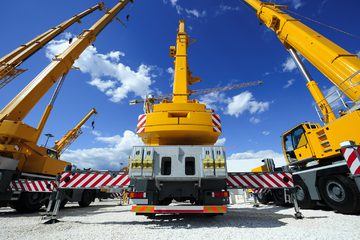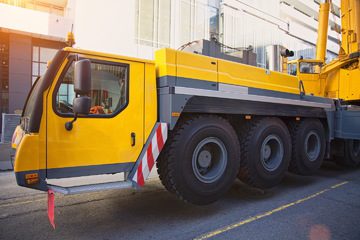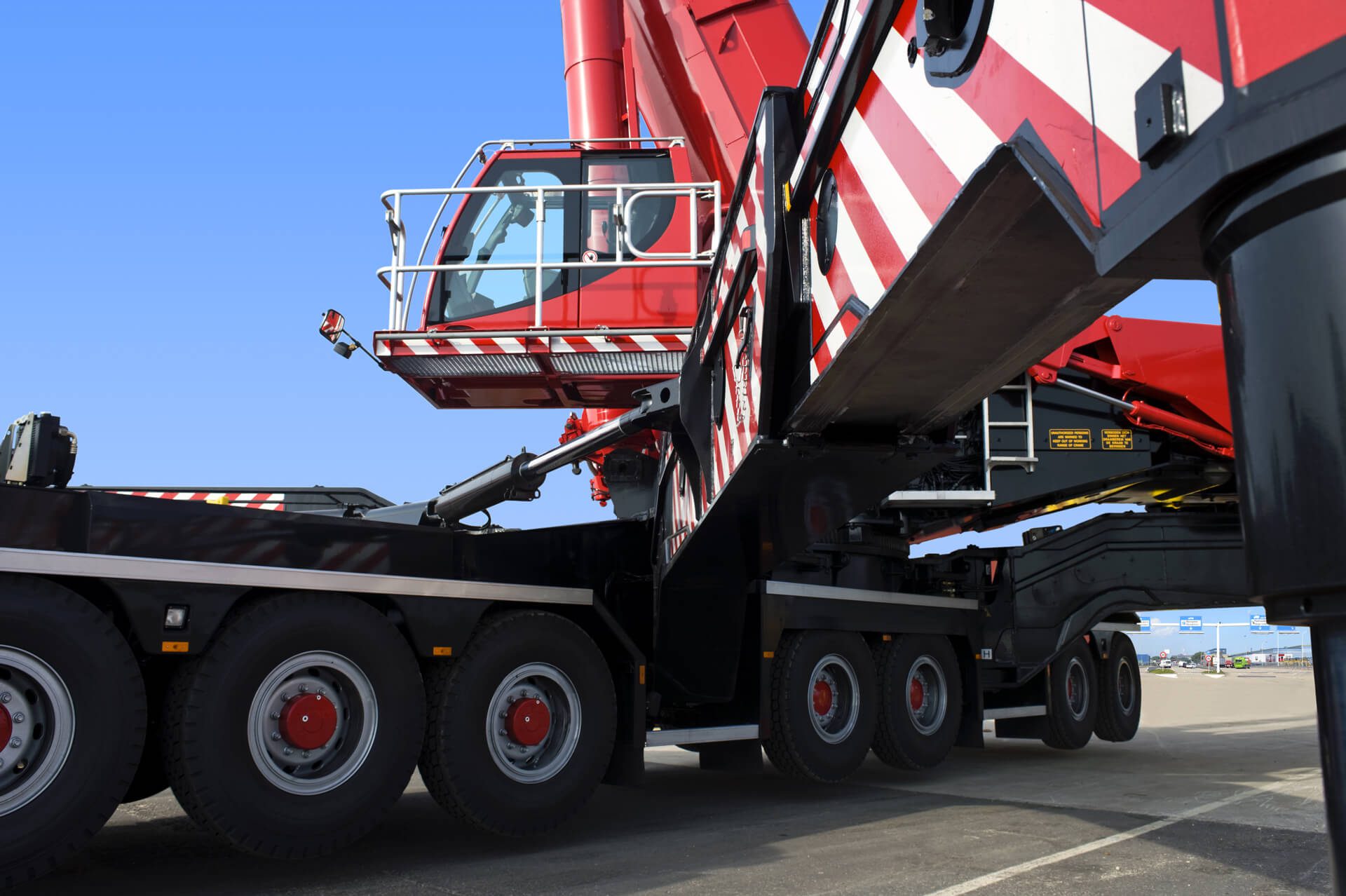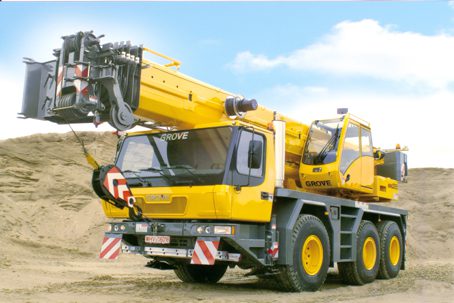
Australia’s skyline has transformed dramatically over the past two decades. In cities where population growth, housing demand, and infrastructure expansion converge, towering cranes have become familiar fixtures above construction sites. From residential towers to transport infrastructure, these machines represent more than industrial equipment; they are an essential component of modern urban development. The increasing reliance on mobile crane hire, tower crane hire, and luffing crane hire reflects a construction sector that is adapting to new engineering challenges, stricter safety standards, and evolving urban environments.
Across Australia’s major metropolitan areas, cranes have become symbols of economic activity. Their presence indicates not only the scale of development but also the complexity of projects that require specialized lifting technology and logistical coordination.
The Expanding Role of Cranes in Australian Construction
Large-scale construction projects in Australia rely on precise planning and efficient heavy lifting. Modern developments involve prefabricated components, massive structural steel elements, and complex mechanical systems that must be installed at significant heights. In this context, crane technology plays a decisive role in keeping projects on schedule while ensuring structural precision.
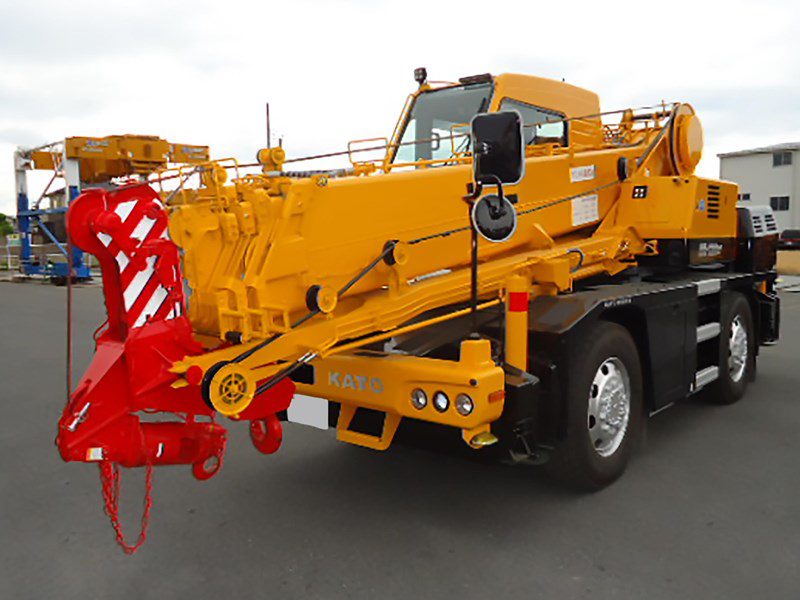
The use of mobile crane hire has grown steadily across infrastructure and industrial sectors. Mobile cranes provide flexibility and rapid deployment, making them particularly valuable for transport infrastructure projects such as bridges, highways, and rail upgrades. Their ability to move quickly between sites allows contractors to manage multiple lifting tasks without installing permanent lifting structures.
At the same time, the growth of high-density residential and commercial construction has increased reliance on tower crane hire. Tower cranes dominate large urban building sites because of their height, lifting capacity, and reach. These machines operate for months or even years on the same project, lifting structural materials, concrete components, and mechanical equipment throughout the construction process.
In areas with limited space and dense surrounding structures, luffing crane hire has emerged as a practical alternative. Luffing cranes feature adjustable booms that can raise or lower to minimize the swing radius, making them ideal for tightly packed city environments where traditional tower cranes may not operate safely.
High-Rise Development and the Importance of Tower Cranes
High-rise construction remains one of the most visible drivers of crane demand in Australia. As urban populations grow, cities increasingly build upward rather than outward. The structural complexity of tall buildings requires equipment capable of lifting heavy materials to significant heights with consistent accuracy.
In metropolitan areas such as Sydney, high-rise development has reshaped both residential and commercial districts. Within this environment, tower crane hire northern sydney projects illustrate how crane infrastructure supports dense urban expansion. Large residential towers, mixed-use developments, and office buildings often depend on multiple tower cranes working simultaneously across various stages of construction.
These cranes typically remain fixed to the building structure or anchored to the ground, gradually increasing in height as construction progresses. Their ability to handle heavy loads while maintaining precise control makes them indispensable for installing steel frames, precast panels, and structural components in tall buildings.
Beyond their technical function, tower cranes also influence project logistics. Their placement on a site affects material delivery routes, storage areas, and construction sequencing, making crane planning a central element of modern project management.
Infrastructure Projects and the Flexibility of Mobile Cranes
While tower cranes dominate vertical construction, infrastructure development across Australia relies heavily on mobile lifting equipment. Projects involving highways, rail corridors, and energy installations frequently require cranes that can be transported easily between locations and set up quickly.
This is where mobile crane hire provides critical operational flexibility. Mobile cranes can handle a wide range of tasks, including installing bridge segments, positioning large precast concrete beams, and assembling structural components in remote or temporary work zones.
Australia’s expanding infrastructure pipeline, including transport modernization and renewable energy projects, has reinforced demand for these adaptable machines. Wind farms, for example, require mobile cranes capable of lifting turbine components hundreds of meters above ground level, often in rural or remote areas where permanent lifting equipment would be impractical.
The mobility of these cranes also helps contractors respond to shifting project timelines. If delays occur in one section of a project, mobile cranes can be redeployed elsewhere, minimizing downtime and maintaining productivity.
Navigating Dense Urban Environments with Luffing Cranes
Urban construction presents a unique set of engineering challenges. In densely built areas, construction sites often sit directly beside residential buildings, commercial offices, and public infrastructure. Traditional tower cranes, which require wide swing radii, may not be suitable in such confined spaces.
Here, luffing crane hire becomes particularly valuable. Luffing cranes feature a boom that can pivot vertically, allowing operators to control the working radius with greater precision. By raising or lowering the boom, the crane can avoid neighboring structures, reducing the risk of interference with nearby buildings.
This capability has become increasingly relevant as Australian cities pursue higher-density development strategies. Projects built on limited land parcels must carefully coordinate crane movements to maintain safety and minimize disruption to surrounding communities.
In many cases, multiple cranes operate within the same airspace on adjacent construction sites. Luffing cranes allow contractors to manage this complexity by limiting the horizontal movement of the boom, ensuring that operations remain confined to the designated work zone.
Safety Standards and Regulatory Oversight
Australia maintains some of the most rigorous construction safety regulations in the world, and crane operations are subject to strict oversight. Workplace safety authorities enforce detailed requirements covering equipment certification, operator training, and site management.
Cranes must undergo regular inspection and maintenance to ensure structural integrity and operational reliability. Operators are required to hold specialized licenses and demonstrate competency in handling complex lifting procedures.
State-level safety agencies, such as SafeWork NSW, play a central role in regulating crane operations on construction sites. These authorities establish guidelines for crane installation, load limits, communication protocols, and emergency procedures.
Safety planning also extends beyond the crane itself. Construction teams must coordinate lifting operations with surrounding traffic, pedestrian zones, and nearby buildings. Detailed risk assessments and lift plans are standard practice before major lifts take place.
Technological systems increasingly assist with safety monitoring. Modern cranes often include digital load indicators, anti-collision sensors, and remote monitoring tools that allow site managers to track performance and detect potential hazards in real time.
Technology and the Future of Crane Operations
Technological innovation is reshaping the way cranes operate within the construction industry. Automation, data analytics, and digital monitoring systems are improving both safety and efficiency across large projects.
Some tower cranes now integrate advanced telemetry systems that transmit operational data to centralized project management platforms. These systems track load weights, crane movements, and operational hours, allowing contractors to optimize scheduling and reduce downtime.
Remote diagnostics also help maintenance teams identify mechanical issues before they escalate into costly equipment failures. Predictive maintenance models analyze usage patterns to determine when components should be inspected or replaced.
Another emerging development involves integration with Building Information Modeling (BIM). By combining crane data with digital construction models, engineers can simulate lifting operations before they occur on site. This approach improves planning accuracy and reduces the risk of unexpected conflicts between equipment and structural elements.
Although full automation remains limited due to safety considerations, semi-automated crane operations may become more common as technology evolves. These innovations could further enhance precision in complex lifts while supporting safer working environments.
The Broader Economic Significance
Cranes may appear to be a temporary presence on construction sites, but their impact extends far beyond individual projects. They represent a critical link between engineering design and physical infrastructure. Without efficient lifting systems, modern construction timelines would be significantly longer and project costs substantially higher.
Australia’s construction sector continues to face pressure from population growth, housing demand, and infrastructure modernization. As cities expand and buildings reach greater heights, the role of cranes will only become more prominent.
Whether through mobile crane hire supporting large infrastructure installations, tower crane hire enabling vertical construction, or luffing crane hire navigating crowded urban sites, these machines remain fundamental to the nation’s built environment.
In many ways, cranes serve as an indicator of economic momentum. Their presence across Australian skylines reflects an industry responding to new challenges with specialized equipment, evolving technology, and stringent safety standards. As urban development continues, the machinery above the city streets will remain an enduring symbol of progress-and of the engineering precision required to build the modern Australian landscape.