Across Australia’s expanding cities, cranes have become one of the most visible indicators of economic activity. From transport infrastructure and logistics hubs to residential towers rising above urban skylines, construction activity has accelerated in response to population growth and long-term urban development plans. Behind this transformation lies a specialised segment of the construction industry that is rarely visible to the public but essential to nearly every major project: crane hire.
In particular, the strategic deployment of equipment through mobile crane hire, tower crane hire, and luffing crane hire services has become central to how Australian construction projects are planned and executed. Rather than purchasing expensive machinery outright, contractors increasingly rely on specialised hire providers to deliver the lifting capacity, technical expertise, and operational flexibility needed to build in complex environments.
This approach has become especially significant in rapidly developing regions such as Western Sydney, where infrastructure expansion and housing demand are reshaping the landscape. In these areas, crane hire services function not merely as equipment suppliers but as logistical partners in the broader process of urban development.
The Strategic Importance of Crane Hire in Modern Construction
Australia’s construction sector is facing simultaneous pressures: the need to deliver major infrastructure projects, address housing shortages in growing cities, and upgrade aging transport and utility networks. These demands require heavy lifting capacity that can be deployed quickly and adapted to a wide variety of project environments.
This is where the crane hire model has gained prominence. By sourcing equipment through hire services, contractors can access specialised machines tailored to each project stage without the long-term capital commitment associated with ownership. For major infrastructure works, where lifting requirements can change dramatically during the course of construction, flexibility is particularly valuable.
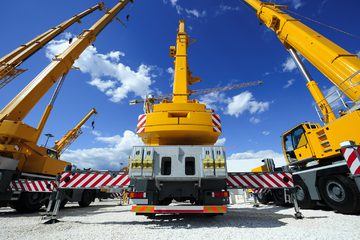
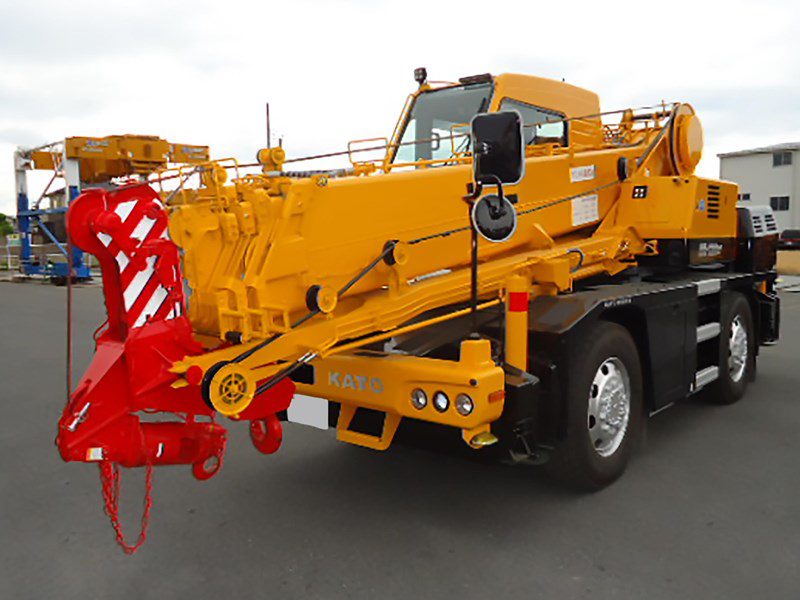
In western Sydney’s large-scale developments—including road expansions, rail infrastructure, and logistics facilities—mobile crane hire western Sydney services have become a logistical backbone for contractors. Mobile cranes can be transported between sites quickly and configured for a range of lifting tasks, making them well suited to infrastructure corridors where construction is spread across multiple locations.
The shift toward equipment hire also reflects broader economic considerations. Crane fleets require extensive maintenance, operator training, and compliance with strict safety standards. Hiring allows construction companies to focus on project delivery while specialist providers manage technical upkeep and regulatory compliance.
Mobile Cranes and the Flexibility of Infrastructure Projects
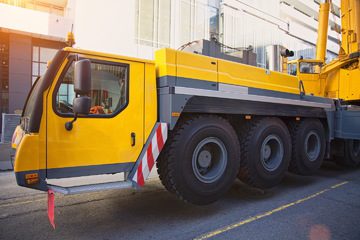
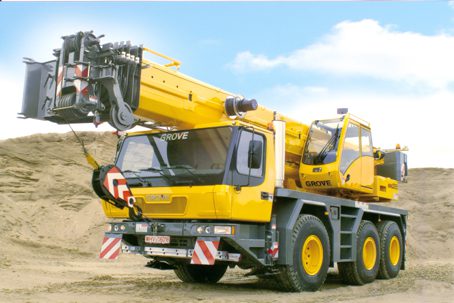
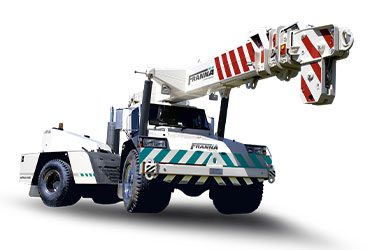
Mobile cranes represent one of the most versatile lifting solutions in the construction sector. Mounted on wheeled carriers or trucks, these machines can travel between sites without the need for extensive assembly, allowing them to respond quickly to changing construction schedules.
In Australia’s infrastructure projects—from highway bridges to rail upgrades—mobile cranes frequently handle the installation of precast concrete components, steel beams, and mechanical equipment. Their mobility allows them to support projects where lifting requirements shift as construction progresses along a corridor.
This flexibility is particularly valuable in rapidly expanding metropolitan zones such as Sydney, where construction projects must often operate within tight timeframes and restricted access conditions. The ability to reposition cranes without complex disassembly reduces downtime and helps contractors maintain project momentum.
Within the broader ecosystem of crane hire services, mobile cranes also complement other lifting technologies. While they may not always reach the heights of fixed tower cranes, they provide essential ground-level lifting support during early construction stages and infrastructure assembly.
Tower Cranes and the Rise of Australia’s Vertical Cities
If mobile cranes represent flexibility, tower cranes symbolize permanence. Tower cranes dominate the skylines of major Australian cities, enabling the vertical construction that defines contemporary urban growth.
Through tower crane hire, developers gain access to machines capable of lifting heavy materials hundreds of metres above ground. These cranes are typically installed during the early phases of high-rise construction and remain in place for months or even years, serving as the central lifting system for the entire project.
Cities such as Melbourne and Brisbane have seen sustained residential and commercial tower development over the past decade. Tower cranes play a critical role in these projects by enabling the efficient vertical movement of steel, concrete, façade panels, and mechanical systems.
The reliance on tower crane hire reflects the scale and complexity of high-rise development. Installing and maintaining these cranes requires specialist engineering expertise, including precise structural calculations to ensure stability under varying wind conditions. By sourcing equipment through hire providers, developers can access the technical capabilities required to safely operate these large machines.
Luffing Cranes and the Challenge of Dense Urban Construction
As Australian cities grow denser, construction sites are increasingly surrounded by existing buildings, transport corridors, and restricted airspace. In these environments, traditional tower cranes may not provide the necessary maneuverability.
This is where luffing crane hire becomes essential. Luffing cranes feature a movable jib that can be raised or lowered to control the crane’s operating radius. This design allows the crane to work within tighter spaces while minimizing the risk of oversailing neighboring properties.
Dense urban districts—particularly in central Sydney—often rely on luffing cranes for high-rise construction projects. By adjusting the jib angle rather than rotating a fixed arm, these cranes can lift materials while maintaining strict control over their movement.
The ability to operate safely within confined airspace has made luffing cranes a common sight in inner-city developments. In many cases, they allow multiple cranes to operate simultaneously on crowded construction sites, increasing efficiency while meeting regulatory requirements.
Safety Standards and Regulatory Oversight
Operating heavy lifting equipment in urban environments carries inherent risks, which is why crane operations in Australia are subject to comprehensive safety regulations. Industry standards are overseen by authorities such as Safe Work Australia, which establishes guidelines for equipment operation, operator certification, and site safety.
These regulations govern everything from crane assembly and inspection schedules to load-lifting procedures and operator training. Compliance is mandatory for both construction companies and crane hire providers, reflecting the potential hazards associated with large-scale lifting operations.
Regular inspections, load testing, and strict adherence to operational limits are fundamental components of the regulatory framework. Modern crane hire companies must also ensure that operators hold appropriate high-risk work licences, and that lifting plans are prepared for complex lifts.
The regulatory environment has evolved significantly in recent years as construction activity has intensified in urban areas. Increased oversight has reinforced the importance of professional crane management and has helped maintain Australia’s strong safety record in the construction sector.
Technology Transforming Crane Operations
Technological innovation is also reshaping the crane hire industry. Modern cranes are increasingly equipped with digital monitoring systems, automated load-moment indicators, and remote diagnostics that provide real-time data on equipment performance.
These technologies enhance both safety and efficiency. Sensors can monitor wind speed, structural stress, and lifting loads, alerting operators when conditions approach operational limits. Digital platforms also allow site managers to track crane usage and maintenance schedules more accurately.
The integration of technology is particularly important in large infrastructure projects, where multiple cranes may operate simultaneously across complex sites. Advanced planning software can coordinate lifting operations and simulate crane movements before work begins, reducing the likelihood of on-site conflicts.
For large urban projects, these innovations support safer operations in constrained environments while improving overall project coordination.
A Quiet but Essential Industry
While cranes themselves are highly visible, the logistics behind their deployment often remain largely unseen. The companies that manage crane fleets, coordinate transport, and ensure regulatory compliance play an essential role in Australia’s construction ecosystem.
As cities continue to grow and infrastructure demands expand, the reliance on specialised lifting services is likely to deepen. The combination of mobile crane hire, tower crane hire, and luffing crane hire allows construction firms to match the right equipment to each phase of development—from ground-level infrastructure to the uppermost levels of high-rise towers.
In rapidly developing regions such as western Sydney, crane hire services have become integral to the pace and scale of urban change. Their presence reflects a broader shift in the construction industry toward specialised partnerships that enable complex projects to move forward efficiently and safely.
In the end, cranes may define the skyline, but the systems that place them there—engineering expertise, regulatory oversight, and strategic equipment hire—are what truly support the growth of Australia’s cities.