Australia’s cities are undergoing a steady transformation. Across skylines in Sydney, Melbourne, and Brisbane, construction cranes have become an almost permanent feature, signaling a period of sustained urban development and infrastructure investment. Behind these structures lies a complex network of equipment providers, engineers, and project managers who rely heavily on crane hire services to keep projects moving efficiently and safely.
Among the most essential services supporting this growth are mobile crane hire, tower crane hire, and luffing crane hire. These specialized machines play distinct roles depending on the nature of the project, from sprawling transport infrastructure to tightly packed high-rise developments in dense urban centers. As Australia continues to expand its cities and upgrade critical infrastructure, cranes have become not merely tools of construction but strategic assets in shaping the built environment.
The Strategic Role of Mobile Cranes in Urban Development
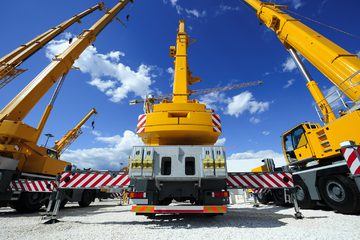
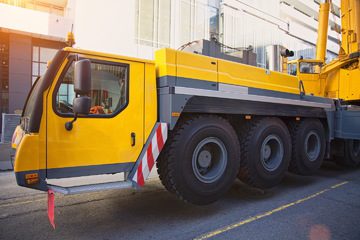
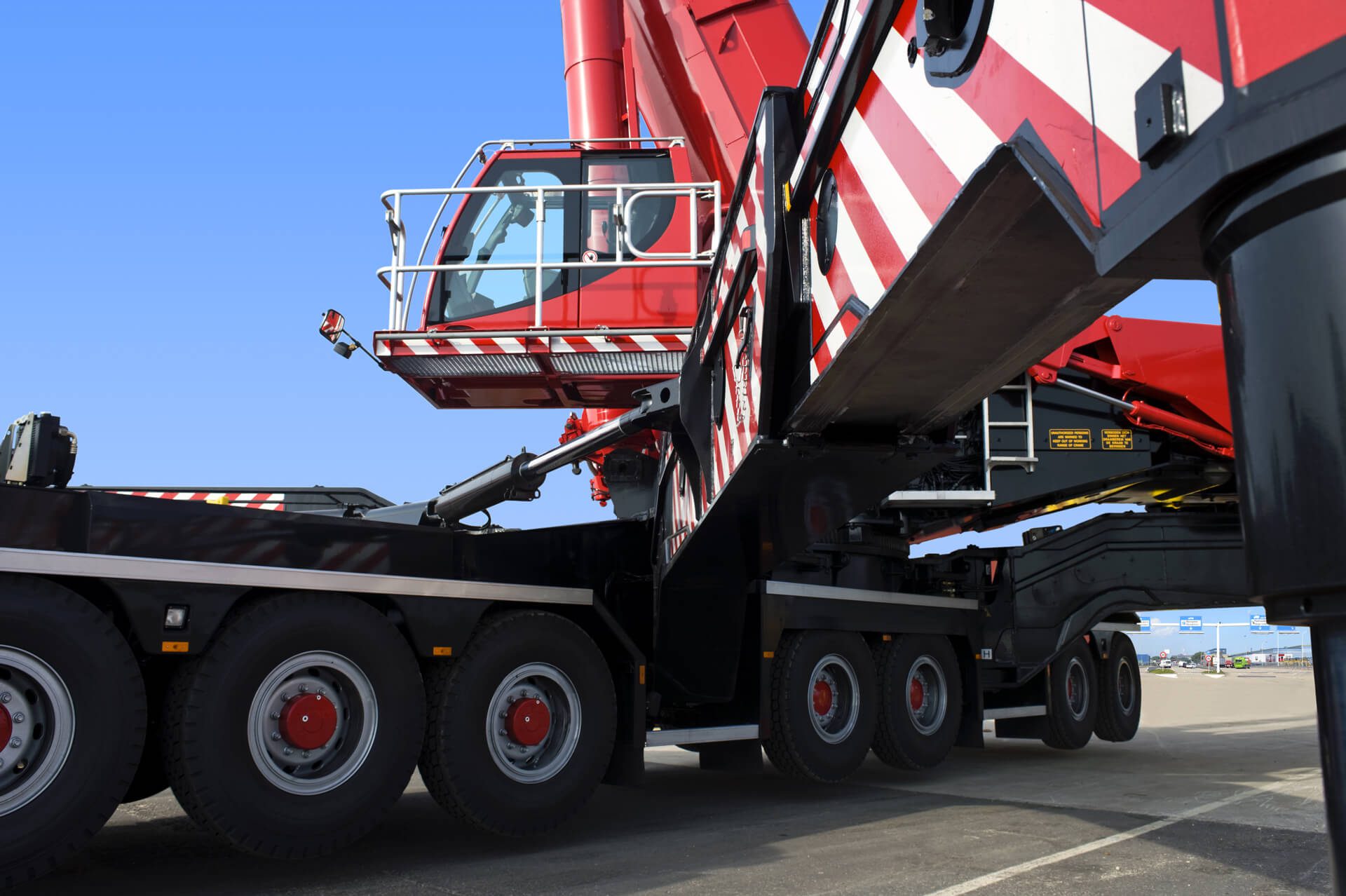
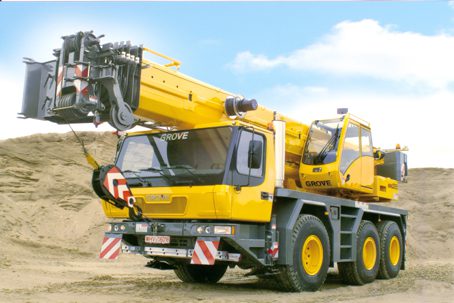
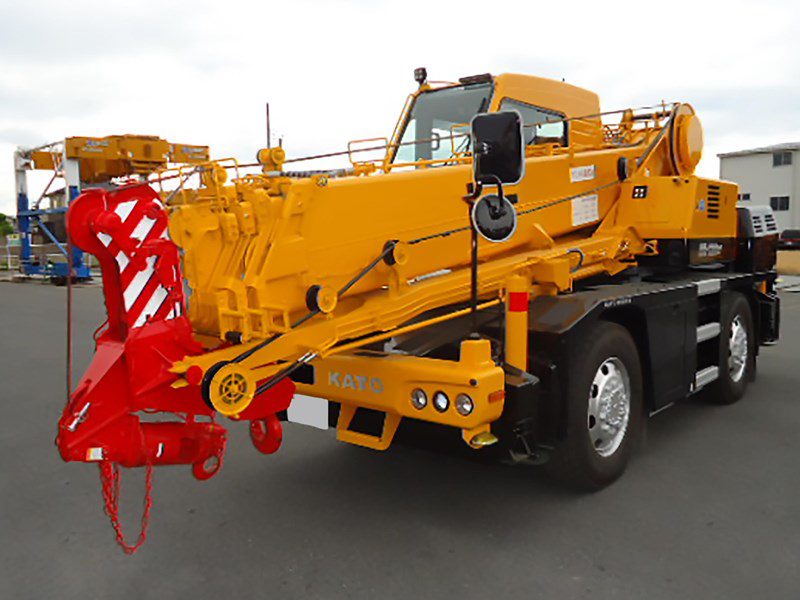
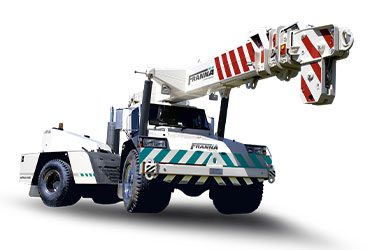
The flexibility of mobile cranes has made them indispensable to modern construction logistics. Mounted on wheeled or tracked carriers, these cranes can be transported quickly between job sites, enabling contractors to respond rapidly to shifting project timelines and site conditions.
In major metropolitan regions such as Sydney, where infrastructure upgrades and commercial development often occur simultaneously, the demand for mobile crane hire sydney services has grown steadily. Their adaptability allows them to support a wide range of tasks, from lifting structural steel and precast concrete panels to installing bridge components and large mechanical systems.
Infrastructure projects across Australia increasingly rely on mobile cranes for time-sensitive operations. Road expansions, rail upgrades, and utility installations frequently occur in environments where permanent lifting structures are impractical. Mobile cranes can be deployed quickly, operate for short durations, and relocate once a specific lifting operation is completed.
This flexibility is particularly valuable in projects that unfold across multiple stages. Instead of maintaining a fixed crane on site for months, contractors can schedule mobile crane hire for precise periods when heavy lifting is required. This approach not only improves logistical efficiency but also helps manage site congestion, an important consideration in densely developed urban areas.
Tower Cranes and the Rise of High-Density Cities
While mobile cranes provide flexibility, tower cranes remain the backbone of large-scale vertical construction. As Australian cities pursue higher density housing and commercial developments, tower cranes dominate the skylines above major construction zones.
Tower crane hire services support projects that demand sustained lifting capacity over long periods. High-rise apartment buildings, office towers, and mixed-use developments require cranes capable of reaching significant heights while transporting materials across large construction footprints. These cranes are typically installed early in the building process and remain in place for the duration of the project.
The visibility of tower cranes across cities like Sydney and Melbourne often serves as an indicator of economic activity. Urban planners and economists sometimes track crane counts as a rough measure of construction momentum, reflecting demand for housing, commercial property, and infrastructure.
Tower cranes also allow construction teams to work efficiently within constrained urban sites. Their elevated structure minimizes ground-level obstruction while providing the reach necessary to move materials across multi-story developments. In the context of increasingly compact city blocks, this vertical lifting capability has become a defining feature of contemporary building methods.
Luffing Cranes in Dense Urban Environments
Where space is even more restricted, luffing cranes offer a specialized solution. Unlike traditional tower cranes with fixed horizontal jibs, luffing cranes feature a movable jib that can raise and lower at an angle. This design reduces the swing radius and allows the crane to operate safely in areas where neighboring buildings or other cranes would otherwise create conflicts.
Luffing crane hire is particularly common in central business districts where multiple high-rise projects may operate simultaneously within a limited area. The adjustable jib enables operators to maneuver loads vertically rather than sweeping wide arcs across adjacent properties or public spaces.
In dense districts of Sydney, where construction sites often sit alongside active roads, rail corridors, and commercial buildings, this precision becomes essential. Luffing cranes help reduce the risk of oversailing nearby structures, a significant regulatory and safety concern in crowded urban landscapes.
The increasing complexity of modern city construction has therefore created a niche where luffing cranes complement both tower cranes and mobile cranes, each performing specialized roles depending on site constraints and structural requirements.
Infrastructure Projects and the Broader Construction Ecosystem
Australia’s infrastructure agenda has further expanded the role of crane hire services. Major transport projects, including highway expansions and metro rail systems, involve heavy lifting tasks that require a coordinated combination of crane types.
Mobile cranes often perform the initial lifting operations associated with bridge sections, tunneling equipment, or prefabricated infrastructure components. Tower cranes may be used for long-term structural work in stations or large transport hubs, while luffing cranes assist with installations in restricted urban locations.
The result is a dynamic ecosystem in which crane operators, engineers, and project managers collaborate closely to determine the most efficient lifting solutions. Construction schedules, site geometry, and material logistics all influence whether mobile crane hire, tower crane hire, or luffing crane hire is the most appropriate choice at any stage of a project.
Safety Standards and Regulatory Oversight
The increasing scale and complexity of construction activity have also heightened attention to safety standards. Australia maintains some of the world’s most rigorous regulatory frameworks governing crane operations, reflecting both the inherent risks of heavy lifting and the density of modern urban construction sites.
Workplace safety authorities in Australia require operators to undergo specialized training and certification before operating cranes. Rigorous inspection schedules ensure that equipment remains in compliance with national engineering and safety standards.
For crane hire providers, compliance extends beyond equipment maintenance. Site planning, load calculations, and weather monitoring all form part of the operational protocols designed to prevent accidents. Wind conditions, in particular, can significantly affect tower crane and luffing crane operations, requiring careful monitoring during lifting activities.
Urban construction sites also introduce additional safety considerations, including pedestrian protection, traffic management, and coordination with neighboring properties. As cities grow denser, these factors become increasingly central to project planning.
Technology Transforming Crane Operations
Technological innovation is also reshaping how cranes are deployed and managed. Digital monitoring systems now allow operators and site managers to track crane performance in real time, including load weights, operating angles, and maintenance data.
Many modern cranes incorporate advanced sensors and automated safety systems that alert operators when loads approach safe limits or when environmental conditions become hazardous. These technologies improve operational awareness and help reduce the likelihood of human error.
Remote diagnostics have also begun to play a role in maintenance planning. Equipment providers can monitor crane systems continuously, identifying potential mechanical issues before they lead to operational disruptions. For projects operating under tight timelines, this predictive maintenance capability can prevent costly delays.
In the context of mobile crane hire sydney services, technological improvements have also enhanced mobility and setup efficiency. New hydraulic systems and stabilization technologies enable faster deployment while maintaining high lifting capacities, allowing cranes to perform complex operations within limited time windows.
The Future of Crane Hire in Australia
Australia’s construction sector shows few signs of slowing. Population growth, urban consolidation, and infrastructure investment continue to drive demand for sophisticated construction equipment. As projects become taller, denser, and more technically demanding, cranes will remain central to the industry’s ability to deliver complex developments.
Mobile cranes will continue to provide flexibility for infrastructure projects and short-term lifting tasks. Tower cranes will remain essential to high-rise construction, particularly in rapidly growing metropolitan areas. Luffing cranes will likely see increasing use as urban sites become more constrained and multi-crane environments become the norm.
Together, these machines represent more than mechanical tools; they form a critical part of the logistical backbone supporting Australia’s evolving urban landscape. Their presence across construction sites reflects a broader story about how cities grow, how infrastructure is built, and how engineering innovation continues to shape the skylines of the future.