Sydney’s skyline is a visible record of sustained urban growth, shaped by high-rise residential towers, transport infrastructure, and large-scale commercial projects. Behind that growth sits a critical but often opaque question for developers, planners, and the public alike: how much does tower crane hire actually cost in Sydney, and what factors drive those costs? While figures are frequently discussed within industry circles, they are rarely unpacked in a way that explains the strategic, technical, and regulatory realities shaping pricing across Australia’s most complex construction market.
The Strategic Role of Tower Crane Hire in Sydney’s Urban Expansion
Tower crane hire has become integral to Sydney’s construction economy, particularly as land scarcity pushes development vertically rather than outward. High-density zoning in the CBD, Parramatta, and key transport corridors has increased reliance on tower cranes to move materials efficiently within confined footprints. Unlike mobile lifting equipment, tower cranes offer continuous vertical reach, precise load placement, and the capacity to service an entire site from a fixed position.
From a strategic perspective, the cost of tower crane hire is inseparable from broader project economics. A crane is not merely a piece of equipment but a central logistical system around which construction sequencing, labour deployment, and safety planning are organised. In Sydney, where delays can quickly translate into substantial financial exposure, developers often view tower crane hire as a risk-management decision rather than a simple line item.
What “Cost” Means in Tower Crane Hire
Discussions about the cost of tower crane hire often focus narrowly on weekly or monthly hire rates. In practice, total expenditure encompasses far more. Base hire fees typically reflect crane type, height, lifting capacity, and jib length, but these are only the starting point. Erection and dismantling costs, engineering design, foundation works, and ongoing maintenance obligations all contribute to the final figure.
In Sydney, additional costs are frequently driven by site constraints. Tight access, proximity to neighbouring properties, and overhead power lines can require bespoke crane configurations or staged installations. These complexities tend to increase engineering and labour inputs, pushing overall costs higher than comparable projects in less dense regions.
Comparing Tower Crane Hire with Franna Crane Hire Southern Highlands
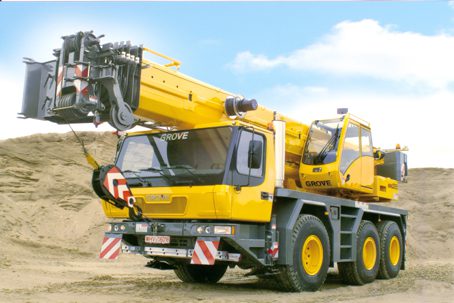
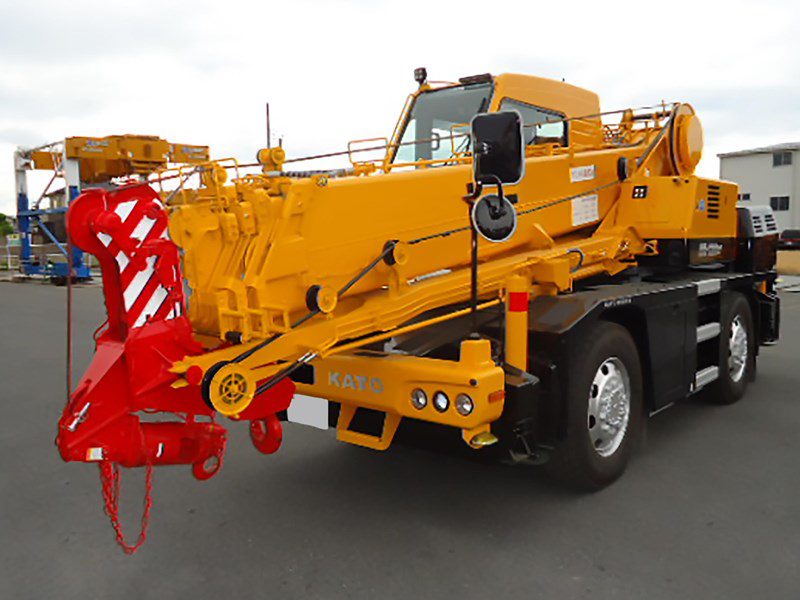
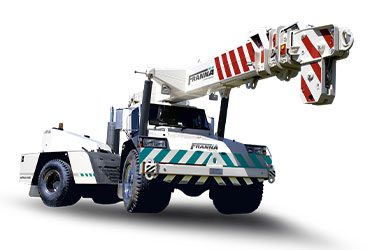
While tower crane hire dominates high-rise construction in Sydney, it exists alongside other lifting solutions used across New South Wales. Franna crane hire southern highlands, for example, is more commonly associated with regional projects, industrial sites, and shorter-duration lifts. Franna cranes offer mobility and flexibility, allowing them to move loads across a site without the fixed infrastructure required by tower cranes.
The cost comparison between these approaches is not straightforward. Franna crane hire southern highlands may involve lower upfront costs and shorter hire periods, making it suitable for projects with intermittent lifting needs. Tower crane hire, by contrast, typically represents a higher initial investment but delivers efficiencies over long project timelines. In dense urban environments like Sydney, those efficiencies often outweigh the headline cost differences, particularly when vertical transport becomes a daily operational necessity.
Infrastructure, High-Rise, and Dense Urban Projects
Cost structures vary significantly depending on project type. Large infrastructure works, such as rail corridors or hospital developments, may use tower cranes primarily for heavy structural components over extended periods. In these cases, long-term hire arrangements can moderate weekly costs but increase total expenditure over time.
High-rise residential and commercial towers often require multiple cranes operating in coordination. The cumulative cost of tower crane hire in these projects reflects not only the number of cranes but also their height increases as the building rises. Each climb stage introduces additional labour, engineering checks, and downtime, all of which are factored into pricing.
Dense urban infill projects present a different cost profile. Here, tower crane hire must account for restricted swing zones, airspace management, and detailed lift planning to avoid oversailing adjacent properties. These constraints tend to increase compliance and planning costs, even if the physical size of the crane is smaller than those used on landmark towers.
Safety Standards and Regulatory Frameworks
Australia’s regulatory environment plays a decisive role in shaping the cost of tower crane hire. In New South Wales, SafeWork NSW oversees crane operations under the Work Health and Safety Act and associated regulations. Compliance requirements include detailed lift studies, regular inspections, and the use of licensed operators and riggers.
Australian Standards such as AS 2550, which governs the safe use of cranes, and AS 1418, which addresses crane design, impose additional obligations on hire arrangements. These standards influence everything from crane selection to maintenance schedules, embedding safety costs into overall pricing. While these measures increase upfront expenditure, they are widely regarded within the industry as essential to reducing the risk of catastrophic incidents.
Licensing, Permits, and Urban Oversight
Beyond safety standards, tower crane hire in Sydney is shaped by planning and permitting requirements unique to major cities. Local councils often require development applications to detail crane operations, including oversail management and hours of operation. In some cases, airspace agreements with neighbouring property owners are necessary, introducing legal and administrative costs.
Transport for NSW may also be involved where crane operations affect roads, rail corridors, or pedestrian access. Traffic management plans, road closures, and night-time work approvals can all add to the cost base. These regulatory layers are less pronounced in regions where franna crane hire southern highlands is more common, highlighting how geography influences lifting economics.
Technological Developments Influencing Costs
Technological innovation has begun to reshape the cost dynamics of tower crane hire. Modern cranes increasingly incorporate digital load monitoring, anti-collision systems, and remote diagnostics. These technologies improve safety and efficiency but also raise capital costs, which are reflected in hire rates.
At the same time, digital planning tools such as Building Information Modelling are allowing more precise crane selection and placement. In Sydney, where margins for error are narrow, this precision can reduce costly reconfigurations and downtime. Over the life of a project, these efficiencies may offset higher initial hire costs, particularly on complex sites.
Market Conditions and Labour Availability
Labour remains a significant variable in tower crane hire costs. Licensed crane operators, riggers, and dogmen are subject to skills shortages during construction booms, driving up wages and, by extension, hire rates. Sydney’s cyclical development patterns mean that costs can fluctuate in response to broader economic conditions, interest rates, and public infrastructure spending.
Regional markets, where franna crane hire southern highlands is prevalent, often experience different labour dynamics. Smaller project scales and lower demand volatility can result in more stable pricing, underscoring the importance of local context when comparing crane hire costs across New South Wales.
Understanding the True Cost Equation
Ultimately, the question of how much tower crane hire actually costs in Sydney cannot be answered with a single figure. Costs are shaped by strategic decisions, regulatory frameworks, technological choices, and market conditions. Tower crane hire represents a substantial investment, but one that underpins the efficiency and safety of Sydney’s vertical growth.
When compared with alternatives such as franna crane hire southern highlands, the higher costs associated with tower cranes reflect their role in enabling complex, long-duration projects in constrained urban environments. For industry professionals and informed observers, understanding these dynamics is essential to interpreting construction costs more broadly, and to appreciating the unseen systems that continue to reshape Australia’s largest city.