As Australia’s largest city continues its vertical expansion, the intricate choreography of lifting massive steel beams above crowded streets reveals an industry operating at the intersection of engineering precision and urban diplomacy. The specialists behind these operations are reshaping how construction unfolds in constrained metropolitan environments.
The Strategic Imperative of Vertical Lifting in Dense Urban Centres
Sydney’s construction sector faces a paradox familiar to global gateway cities. Demand for residential and commercial space intensifies even as available land diminishes, pushing developers skyward into increasingly complex building envelopes. Within this environment, tower crane hire has evolved from a straightforward equipment transaction into a strategic discipline requiring months of advance planning and coordination across multiple stakeholders.
The typical Sydney high-rise project now operates within setback requirements that would have seemed impossibly restrictive two decades ago. Cranes must swing loads over active roadways, adjacent heritage buildings, and operational businesses while maintaining absolute precision. A single miscalculation in crane positioning during the planning phase can cascade into months of delays and millions in additional costs.
Industry analysts note that the complexity of modern tower crane hire arrangements reflects broader changes in how Australian cities approach development. Local councils now require detailed traffic management plans, noise mitigation strategies, and structural assessments before approving crane installations. The era of simply dropping heavy equipment onto a job site has conclusively ended.
Northern Sydney’s Unique Construction Challenges
The construction corridor stretching from North Sydney through Chatswood to Macquarie Park presents distinctive challenges that have driven innovation in crane hire northern Sydney operations. Unlike the CBD’s relatively uniform street grid, northern suburbs feature undulating topography, inconsistent soil conditions, and residential proximities that demand exceptional operational sensitivity.
Projects along the Pacific Highway corridor must contend with limited staging areas and continuous traffic flows that restrict delivery windows. Specialists operating in crane hire northern Sydney markets have developed expertise in luffing jib configurations that minimize swing radiuses while maintaining lifting capacity. These technical adaptations allow construction to proceed in locations where traditional hammerhead cranes would be physically impossible to operate.
The ongoing Sydney Metro expansion has further complicated the regional landscape. Multiple tower crane hire contracts operating simultaneously within overlapping airspace require coordination protocols that extend beyond individual project boundaries. Construction managers describe a complex aerial negotiation where crane operators from competing developments must synchronize movements to prevent conflicts.
Regulatory Frameworks Governing Australian Crane Operations
Australia’s approach to crane safety reflects lessons learned from incidents that have shaped global industry standards. Safe Work Australia maintains the national framework, while state-based regulators including SafeWork NSW enforce specific requirements for equipment certification, operator licensing, and site safety management.
The Australian Standards framework, particularly AS 1418 covering cranes and hoists, establishes technical specifications that crane hire companies must satisfy before equipment enters service. These standards address everything from structural integrity calculations to load monitoring systems, creating baseline requirements that exceed those found in many international jurisdictions.
Operator competency remains central to the regulatory architecture. High-risk work licenses issued under the nationally harmonized system require both theoretical examination and practical assessment. For tower crane operations specifically, the licensing pathway demands demonstrated experience under supervision before independent operation is permitted. This structured approach has contributed to Australia’s relatively strong safety record in crane operations compared to peer nations.
Recent regulatory attention has focused on crane foundation engineering, particularly following incidents where ground conditions proved inadequate for installed equipment. Geotechnical assessments are now standard requirements for tower crane hire installations, with engineers required to certify that soil bearing capacity and ground stability meet design specifications.
Technological Advances Reshaping Lifting Operations
The contemporary tower crane bears little resemblance to equipment deployed even a decade ago. Digital load monitoring systems provide real-time feedback to operators, automatically preventing lifts that would exceed rated capacities. Anti-collision technology uses GPS positioning and laser sensing to maintain safe clearances between cranes operating in proximity.
Telematics platforms now allow remote monitoring of crane performance across entire fleets. Equipment providers offering tower crane hire services can track operational hours, maintenance requirements, and safety compliance from centralized control centres. This visibility enables predictive maintenance scheduling that reduces unplanned downtime and extends equipment service life.
Variable frequency drives have transformed crane power systems, delivering smoother acceleration and deceleration that reduces mechanical stress and improves load positioning accuracy. For urban operations where precision matters enormously, these refinements translate directly into safer, more efficient project execution.
Wind monitoring technology has become particularly sophisticated. Modern systems integrate meteorological data with crane-specific parameters to provide operators with real-time guidance on safe operating envelopes. Automated warnings and operational lockouts engage when conditions deteriorate beyond acceptable thresholds.
Comparing Approaches Across Project Categories
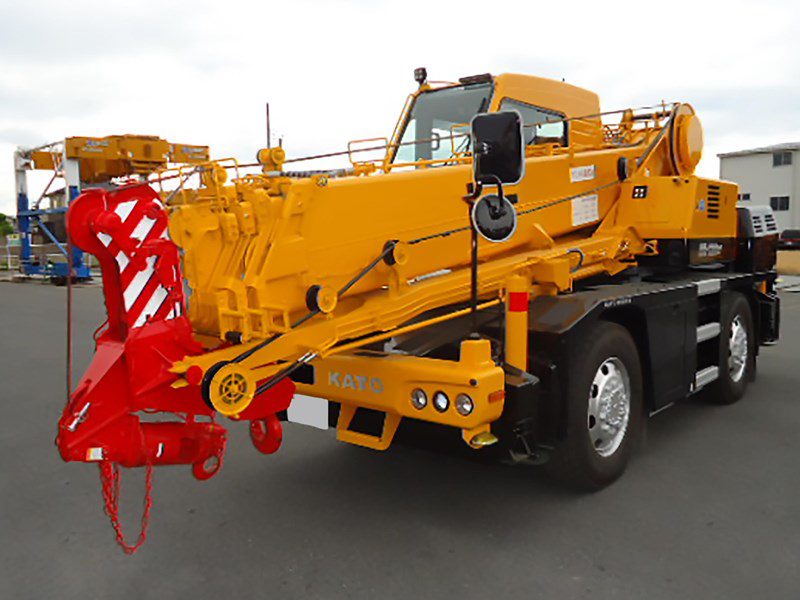
The methods deployed in tower crane hire vary substantially depending on project characteristics. Infrastructure works, such as bridge construction or tunnel access shafts, typically favour crawler or mobile crane configurations that can relocate as work progresses along linear alignments. Fixed tower installations prove less practical when the work zone itself shifts over the project duration.
High-rise residential and commercial developments present different requirements. These projects demand sustained lifting capacity at consistent locations, making tower crane hire the logical choice despite higher mobilization costs. The ability to self-climb as building cores rise eliminates the need for progressively taller free-standing configurations.
Dense urban infill projects occupy a middle ground where specialists in crane hire northern Sydney and similar markets have developed particular expertise. These sites often require creative solutions combining multiple smaller units rather than single dominant machines. Distributed lifting capacity reduces individual crane loadings while providing operational redundancy if equipment requires maintenance.
The selection process increasingly involves sophisticated modelling software that simulates crane operations throughout project lifecycles. These digital tools allow planners to optimize equipment specifications, positioning, and sequencing before committing to physical installations.
Industry Outlook and Emerging Considerations
Australia’s construction pipeline suggests sustained demand for specialized crane services through the remainder of the decade. Major transport infrastructure programs, housing targets established by state and federal governments, and commercial development in metropolitan centres will maintain pressure on available equipment and qualified personnel.
Labour availability represents an emerging constraint. The specialized nature of tower crane operation limits the speed at which workforce capacity can expand, even as training programs attempt to address shortages. This bottleneck affects project scheduling across the sector, with crane availability sometimes determining construction timelines more than any other factor.
Environmental considerations are beginning to influence equipment selection and operational practices. Electric crane drive systems reduce noise and eliminate direct emissions, addressing community concerns that have historically generated opposition to urban construction projects. Sustainability requirements embedded in major government contracts increasingly extend to equipment specifications, encouraging fleet modernization across the industry.
The integration of crane operations with broader construction management platforms continues advancing, promising further efficiency gains. As building information modelling becomes standard practice, crane planning integrates earlier into project development, reducing conflicts and optimizing overall construction sequences.
For Sydney’s evolving skyline, the specialists managing these essential machines remain largely invisible to the public watching towers rise. Yet their expertise in navigating regulatory requirements, deploying appropriate technology, and coordinating complex urban operations fundamentally determines whether ambitious architectural visions become built reality.