Australia’s construction sector stands at a technological inflection point. As the nation grapples with ambitious infrastructure targets and unprecedented urban densification, the equipment that builds its cities is undergoing a quiet revolution. Tower crane hire operations across the country are integrating advanced technologies that would have seemed improbable just five years ago, fundamentally altering how contractors approach complex builds in congested metropolitan environments.
The transformation extends beyond mere mechanical improvements. From artificial intelligence-guided load management to remote operation capabilities, the machinery lifting steel and concrete into Australia’s skies now carries the sophistication of aerospace technology. Industry analysts suggest these advancements are not merely incremental upgrades but represent a paradigm shift in how vertical construction projects are conceived, planned, and executed.
Strategic Positioning in Modern Urban Development
The strategic deployment of tower crane hire services has become increasingly central to project viability in Australia’s competitive construction landscape. Metropolitan councils in Sydney, Melbourne, and Brisbane have imposed stricter approval timelines and spatial constraints on development sites, compelling contractors to maximise efficiency within compressed footprints. Modern tower cranes equipped with variable frequency drives and precision positioning systems address these constraints directly, enabling operations that minimise oversailing disputes while maintaining productivity benchmarks.
Industry data from the Master Builders Association indicates that crane utilisation rates on major projects have increased by approximately eighteen percent since 2023, a figure attributed largely to technological improvements in setup time and operational flexibility. The economics of tower crane hire have consequently shifted, with contractors increasingly viewing advanced equipment as a cost mitigation strategy rather than a premium expense.
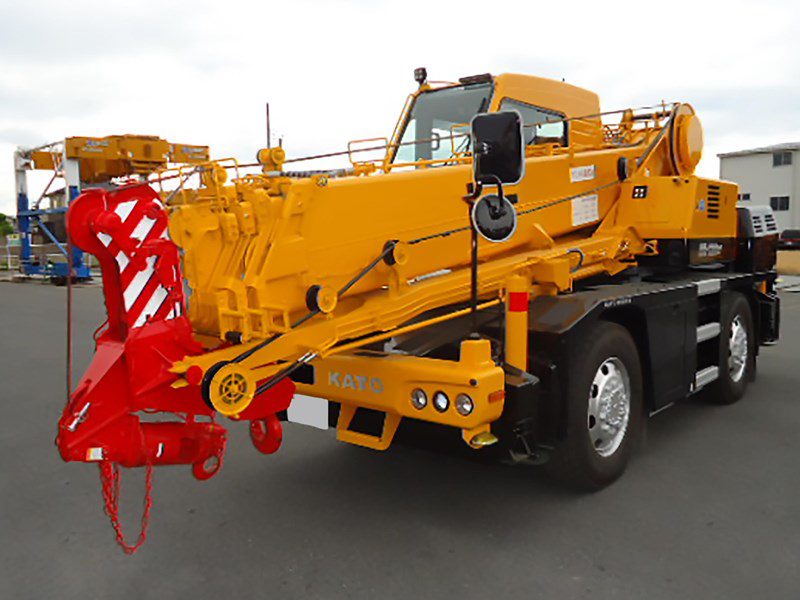
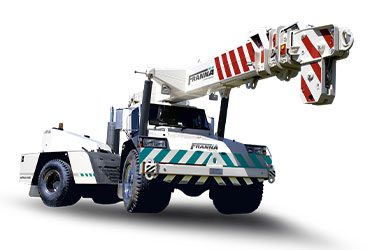
Regional variation in equipment selection reveals distinct strategic priorities across Australian markets. In Sydney’s North Shore and Northern Beaches precincts, where heritage overlays intersect with medium-density development zones, project managers frequently coordinate tower crane hire with complementary lifting solutions. Notably, Franna crane hire Northern Sydney operations have expanded significantly to service the specific demands of these constrained sites, where pick-and-carry mobility proves essential for material handling in stages preceding tower crane installation.
Technological Convergence and Operational Intelligence
The technological architecture underpinning contemporary crane operations reflects broader industrial trends toward automation and data integration. Anti-collision systems now standard on most tower crane hire equipment utilise three-dimensional spatial mapping to prevent contact between multiple cranes on adjacent sites, a persistent challenge in Sydney’s densely developed commercial districts. These systems communicate through dedicated radio frequencies, creating virtual exclusion zones that adjust dynamically as loads traverse their respective radii.
Load moment indicators have similarly evolved from basic mechanical limiters to sophisticated monitoring platforms. Current systems incorporate machine learning algorithms that analyse lifting patterns over project lifecycles, generating predictive maintenance schedules and operator efficiency metrics. This data increasingly influences insurance underwriting and safety auditing processes, creating commercial incentives for technological adoption that extend beyond productivity considerations.
The integration of telematics platforms has transformed fleet management for crane hire providers. Real-time operational data transmitted to centralised monitoring stations enables proactive intervention when equipment parameters approach threshold limits. Wind speed monitoring, hydraulic pressure analysis, and structural stress measurement occur continuously, with automated alerts triggering operational pauses before conditions become hazardous.
Regulatory Frameworks and Compliance Architecture
Australian regulatory authorities have demonstrated measured responsiveness to technological advancement in lifting equipment. Safe Work Australia continues to administer the national licensing framework for crane operations, with high-risk work licences remaining prerequisite for tower crane operators across all jurisdictions. The harmonised Work Health and Safety Regulations impose general duties regarding plant safety that apply regardless of ownership arrangements, meaning tower crane hire contractors and principal contractors share compliance obligations.
Standards Australia has updated relevant technical standards to address emerging technologies. AS 1418.1 governing crane operation now incorporates provisions addressing electronic limiting devices and remote monitoring systems, while AS/NZS 4949 specifies requirements for crane maintenance that explicitly reference diagnostic data from onboard computers. State-based WorkSafe authorities have generally deferred to these national standards while retaining jurisdiction over enforcement and incident investigation.
The regulatory treatment of autonomous and semi-autonomous crane operations remains an area of developing policy. Current frameworks assume human operator control, creating interpretive questions as automation capabilities expand. Industry consultation processes initiated by Safe Work Australia in late 2025 suggest regulatory modernisation will proceed cautiously, prioritising demonstrated safety outcomes over rapid technology approval.
Complementary Equipment Strategies in Complex Builds
Major construction projects rarely rely on single equipment categories. The coordination between tower cranes and mobile lifting solutions represents a critical planning dimension that project managers must optimise throughout construction phases. During groundworks and early structural stages, mobile cranes provide essential lifting capacity before tower crane installation becomes practical. Franna crane hire Northern Sydney services have carved a particular niche in this transitional role, with their pick-and-carry functionality enabling rapid repositioning across congested sites without the logistical overhead of larger mobile cranes.
This complementary relationship extends throughout project lifecycles. Tower cranes excel at repetitive high-volume lifting within their operational radius but prove less suitable for peripheral tasks requiring mobility or ground-level material handling. The strategic deployment of pick-and-carry cranes alongside tower installations enables workforce efficiency that pure tower crane reliance cannot achieve. Contractors increasingly specify both equipment categories in tender documentation, recognising the productivity synergies that integrated fleet planning delivers.
Geographic factors influence these equipment combinations significantly. Northern Sydney’s undulating topography and established street grids create access constraints that favour compact mobile equipment for secondary lifting tasks. The prevalence of Franna crane hire Northern Sydney operations reflects this geographic reality, with local providers maintaining fleet compositions tailored to regional site characteristics.
Workforce Implications and Skills Evolution
The technological sophistication of contemporary tower crane hire equipment has generated complex workforce implications. Operator licensing requirements have remained structurally stable, yet the practical competencies demanded by modern equipment increasingly exceed regulatory minimums. Industry training organisations report growing demand for supplementary certifications addressing digital monitoring systems, advanced anti-collision technology, and data interpretation skills.
Labour market pressures compound these training challenges. The Construction Industry Training Board has documented persistent shortages of qualified crane operators, with vacancy rates in specialised categories exceeding twenty percent in major metropolitan markets. Technological advancement may partially address these shortages through productivity improvements, enabling smaller operator cohorts to service equivalent project volumes. However, the transition period creates tension between equipment capability and available operator expertise.
Some industry observers suggest increasing automation may eventually reduce operator requirements substantially. This perspective remains contested, with union representatives and safety advocates emphasising the irreplaceable value of human judgment in dynamic construction environments. The emerging consensus appears to favour human-machine collaboration models, where technology augments operator capability rather than replacing human oversight entirely.
Market Dynamics and Investment Patterns
Capital allocation within Australia’s crane hire sector reveals confidence in continued demand growth. Major providers have announced significant fleet investments targeting 2026 and 2027 delivery schedules, with emphasis on higher-capacity tower cranes suited to the large-scale residential and infrastructure projects dominating forward pipelines. The tower crane hire market specifically has attracted international equipment manufacturers seeking Australian partnerships, reflecting assessments that regional growth will outpace established European and North American markets.
Economic uncertainty nevertheless tempers expansionary sentiment. Interest rate trajectories and residential construction approvals influence hire demand substantially, creating planning challenges for equipment providers managing multi-year investment cycles. The balance between fleet capacity and market demand requires constant calibration, with both oversupply and undersupply carrying significant commercial consequences.
Future Trajectories and Industry Positioning
The trajectory of tower crane hire innovation appears oriented toward greater integration, automation, and data utilisation. Industry participants anticipate continued advancement in collision prevention technology, with multi-site coordination systems enabling safer operations across clustered development precincts. Environmental considerations are also ascending in procurement decisions, with contractors increasingly specifying electric drive systems and regenerative technologies that reduce operational emissions and noise impacts.
These developments position the tower crane hire sector as a bellwether for broader construction industry modernisation. The equipment that shapes Australia’s physical environment increasingly embodies the technological sophistication that characterises advanced manufacturing and logistics sectors. Whether this transformation delivers the productivity improvements and safety enhancements its proponents anticipate will become apparent as 2026 project completions provide measurable outcomes against historical benchmarks.