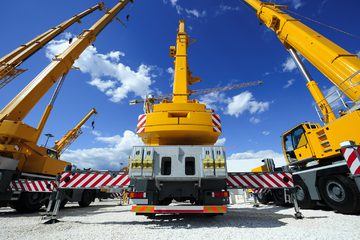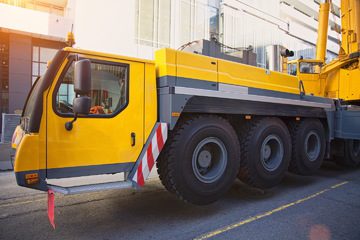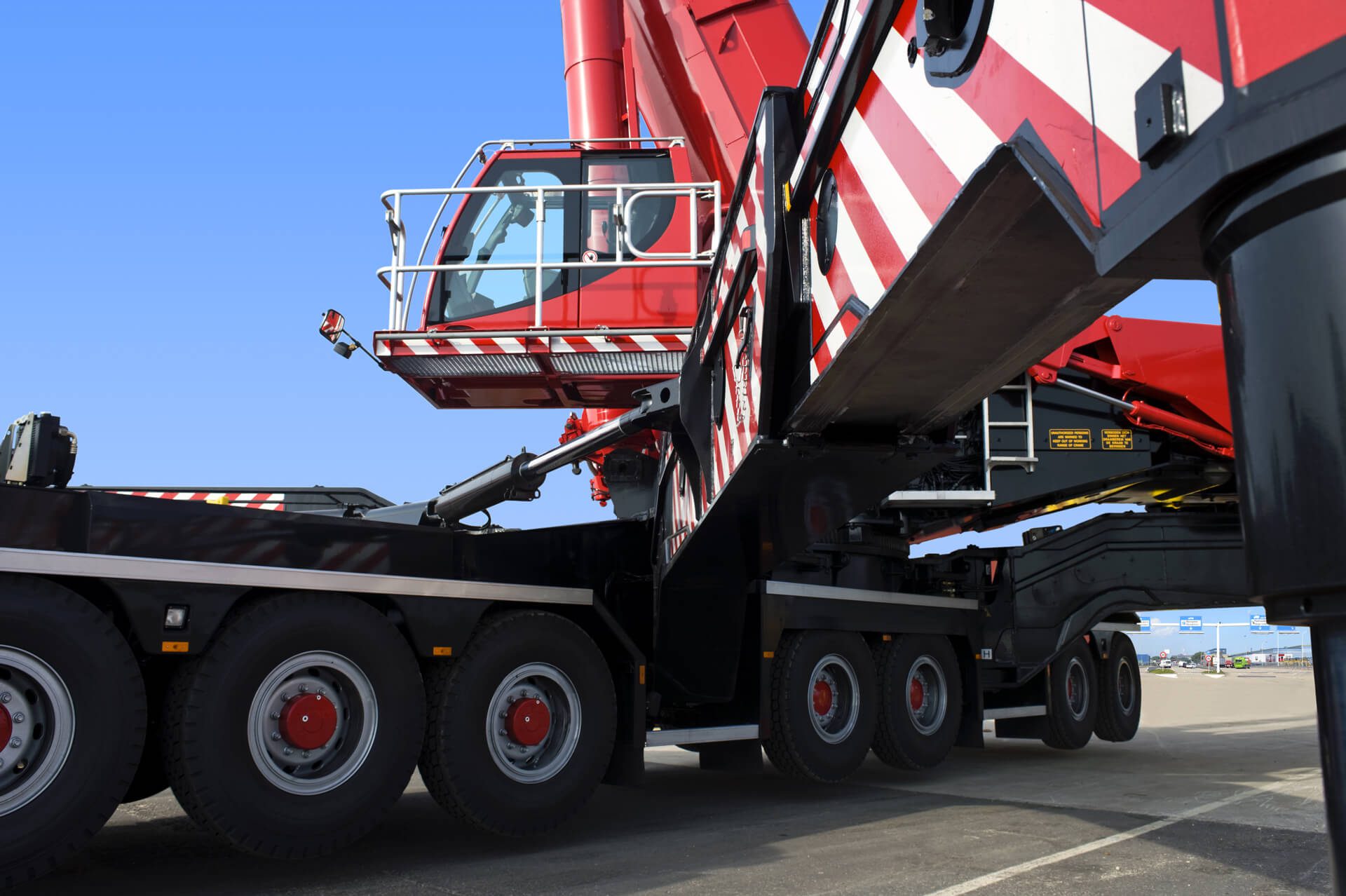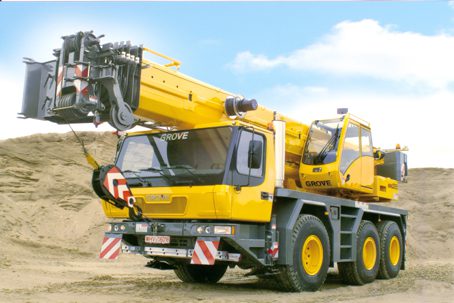
The skyline of Sydney has long been a barometer for the Australian economy, a vertical manifestation of capital flow, population growth, and urban ambition. For decades, the presence of cranes hovering over the Central Business District and its satellite hubs has signalled prosperity. However, behind the sheer number of steel giants piercing the skyline lies a significant structural shift in how these massive assets are procured. The era of construction companies owning their own fleets of heavy machinery is waning. In its place, a sophisticated, service-oriented market for tower crane hire has emerged as the dominant model for high-rise development, driven by economic volatility, technological complexity, and the increasing density of the urban fabric.
The Economic Rationale Behind the Shift
To understand why the industry has pivoted away from ownership, one must examine the balance sheets of modern construction firms. The capital expenditure required to purchase a top-slewing tower crane is immense, often running into the millions of dollars. For a construction company, locking capital into depreciating assets that may sit idle between projects is increasingly viewed as an inefficient use of resources. This is particularly true in the Australian market, where construction margins are notoriously tight and project timelines are subject to planning delays and labour shortages.
By transitioning to a tower crane hire model, developers and tier-one contractors convert fixed capital costs into variable operational costs. This agility allows firms to scale their operations up or down depending on their current project pipeline without the burden of storage, maintenance, and certification costs during downtime. Furthermore, the specialized nature of modern high-rises—varying wildly in height, footprint, and load requirements—means that a “one-size-fits-all” crane fleet is no longer viable. A crane suitable for a sprawling infrastructure project in Western Sydney may be entirely inappropriate for a slender residential tower in the CBD. Hiring grants access to a diverse inventory of machinery tailored to specific site constraints.
Navigating the Urban Canyon
The geography of Sydney presents unique logistical hurdles that have further entrenched the rental model. As the city runs out of greenfield sites, developers are forcing density upwards in brownfield locations, often hemmed in by existing heritage buildings, active transport corridors, and residential neighbours. This density dictates the type of machinery required. The traditional hammerhead crane, with its fixed horizontal jib, is increasingly being swapped for luffing jib cranes, which can raise and lower their boom to avoid overflying neighbouring boundaries—a critical legal and safety consideration in Australian airspace regulation.
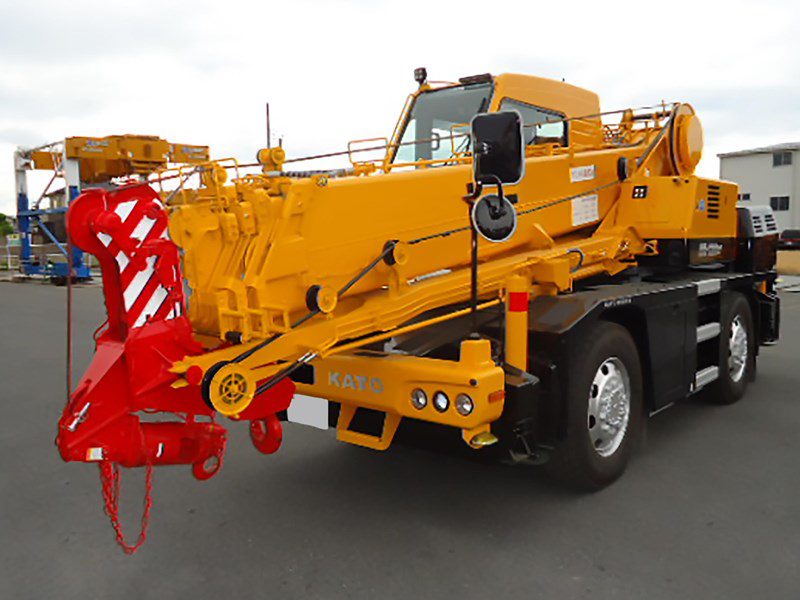
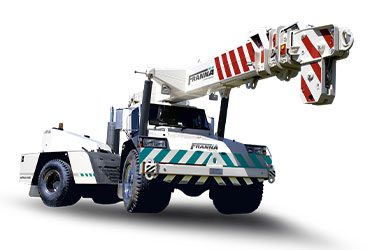
This logistical complexity is particularly acute across the harbour. The topography of the Lower North Shore, combined with a surge in mixed-use developments and the new Metro infrastructure, has created a micro-climate of specialized construction needs. Consequently, the specific demand for city crane hire northern Sydney has become a focal point for logistics planners. The “city crane”—often a compact, mobile, or rapid-erect tower crane—is designed to operate in tighter confines where a massive static base cannot be established.
Contractors operating in suburbs like North Sydney, St Leonards, and Chatswood face steep gradients and narrow access roads that preclude standard heavy setups. In this context, the strategic deployment of city crane hire northern Sydney services allows projects to proceed in areas that were previously deemed too difficult to build upon. These compact units offer the requisite lifting capacity for high-density residential glazing and steelwork while maintaining a footprint small enough to minimize disruption to the arterial roads that define the northern corridor.
Technological Advancements and Fleet Modernization
Another driving force behind the reliance on rental providers is the rapid pace of technological innovation. Crane technology is evolving faster than the typical lifecycle of a purchased asset. Modern cranes are now equipped with sophisticated telemetry systems, collision avoidance software, and regenerative braking systems that feed energy back into the grid. For a construction firm, maintaining a fleet that keeps pace with these innovations is cost-prohibitive.
Specialist hire companies, however, compete on the modernity and efficiency of their fleets. They are incentivized to invest in the latest hydraulic luffing technology or electric cranes that assist developers in meeting Green Star ratings. The shift toward electric and hybrid units is particularly relevant as noise pollution regulations in Sydney become stricter. A rented fleet ensures that a developer can deploy machinery that complies with the latest environmental standards without carrying the risk of technological obsolescence.
This technological divide is evident when comparing infrastructure projects with commercial high-rises. Infrastructure projects, often government-backed, may require heavy-lift capacity for bridge segments or tunnel boring machine components, necessitating heavy-duty diesel units. Conversely, commercial towers in the CBD often prioritize speed and vertical climbing ability. The nuances of tower crane hire allow project managers to select internal climbing cranes that rise within the building’s lift shaft, a method that accelerates facade completion but requires highly specialized engineering support—expertise that rental agencies provide as part of the service package.
Regulatory Frameworks and Safety Compliance
Perhaps the most critical factor influencing the market is the rigorous safety landscape of the Australian construction industry. The operation of cranes is governed by stringent standards, primarily AS/NZS 2550.1 regarding the safe use of cranes, hoists, and winches. Compliance with SafeWork NSW regulations is not merely a box-ticking exercise; it is a fundamental operational license. The liability associated with crane failure or accidents is catastrophic, both in human terms and corporate reputation.
Ownership implies total responsibility for the maintenance log, major inspections (required every ten years), and crack testing of structural components. By utilizing tower crane hire, construction firms effectively outsource a significant portion of this compliance burden. Reputable hire companies maintain rigorous maintenance schedules and provide certified operators and dogmen, ensuring that every piece of equipment arriving on site meets the highest safety benchmarks.
This is especially relevant in complex logistical hubs. When procuring city crane hire northern Sydney solutions, for instance, the equipment must often operate near high-voltage rail lines or over busy pedestrian thoroughfares associated with the new Metro stations. The regulatory approvals for such lifts are exhaustive. Specialist hire firms possess the institutional knowledge and engineering data required to satisfy regulatory bodies, streamlining the approval process for developers who might otherwise struggle to navigate the bureaucratic intricacies of heavy lifting in public zones.
Strategic distinctions in Application
The industry has also seen a divergence in how cranes are applied across different sectors, further validating the rental model. In the residential sector, the focus is on cycle times—how fast the hook can move formwork and concrete. Here, fast-erecting cranes and high-speed hoists are prioritized. In contrast, the steel construction sector requires precision over speed, often necessitating cranes with micro-movement capabilities.
The flexibility of tower crane hire agreements allows for “hybrid” sites where different types of cranes operate simultaneously. A project might commence with a diesel-powered crawler crane for ground works, transition to a large static tower crane for the structural core, and conclude with a smaller recovery crane to dismantle the main unit. This phased approach maximizes efficiency and minimizes cost, a strategy impossible to execute economically if a firm relies solely on owned assets.
The Future of Vertical Logistics
As Sydney continues to densify, the symbiotic relationship between developers and equipment rental providers will likely deepen. The future points toward even greater integration, where crane hire is not just a transaction of hardware, but a comprehensive logistics service including 3D lift planning, wind analysis, and real-time data integration into Building Information Modelling (BIM) systems.
The reliance on tower crane hire is, therefore, not merely a trend but a maturation of the Australian construction market. It represents a shift towards specialization, where builders focus on construction and logistics providers focus on the machinery. whether it is a gigawatt-scale infrastructure project in the west or a complex requirement for city crane hire northern Sydney, the ability to access the right tool for the job without the burden of ownership is building the city of the future. The cranes on the horizon are no longer just tools; they are temporary, optimized assets in a highly fluid and sophisticated urban economy.