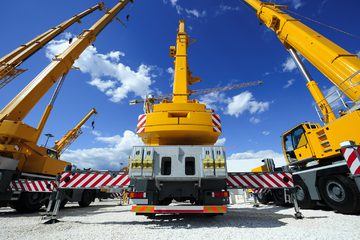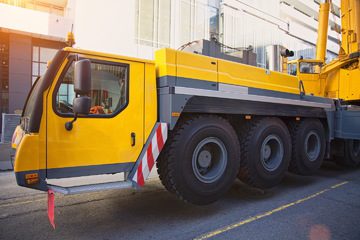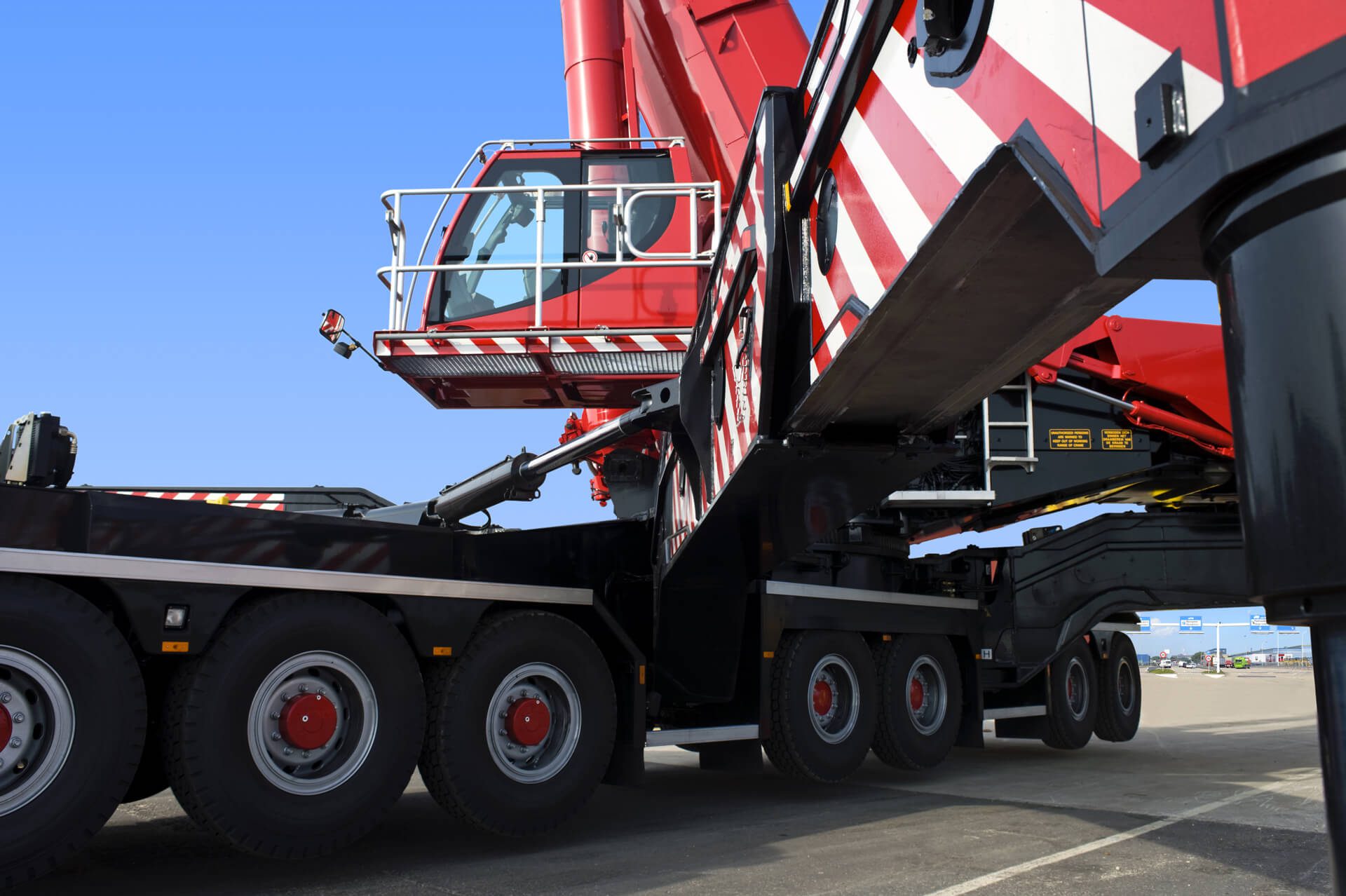
Australia’s skylines and infrastructure corridors increasingly reflect a construction sector under pressure to deliver complex projects faster, safer, and within tighter regulatory boundaries. From high-rise residential towers in capital cities to transport upgrades and mixed-use precincts, lifting operations sit at the centre of modern building activity. Within this context, tower crane hire and franna crane hire southern highlands have become strategic tools rather than simple logistical choices. For leading builders, the decision to prioritise safety-first crane hire is closely tied to risk management, regulatory compliance, and long-term project certainty.
The Strategic Role of Tower Crane Hire in Modern Australian Construction
Tower cranes are now a defining feature of urban development across Australia. Their capacity to lift heavy materials vertically and horizontally over constrained sites has made tower crane hire integral to dense city construction. In central business districts, where ground space is limited and projects rise vertically, tower cranes allow builders to stage materials efficiently without repeated ground handling.
Beyond efficiency, safety considerations increasingly shape crane deployment strategies. Poorly planned lifting operations can lead to site congestion, manual handling risks, and delays that ripple through a project timeline. Builders with large portfolios often rely on tower crane hire to standardise lifting practices across multiple sites, reducing variability in safety outcomes.
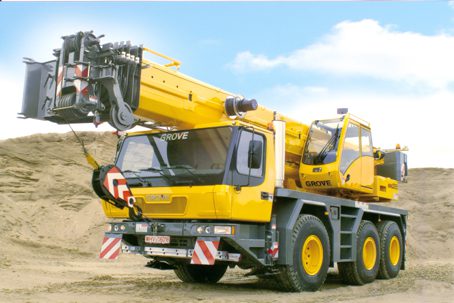
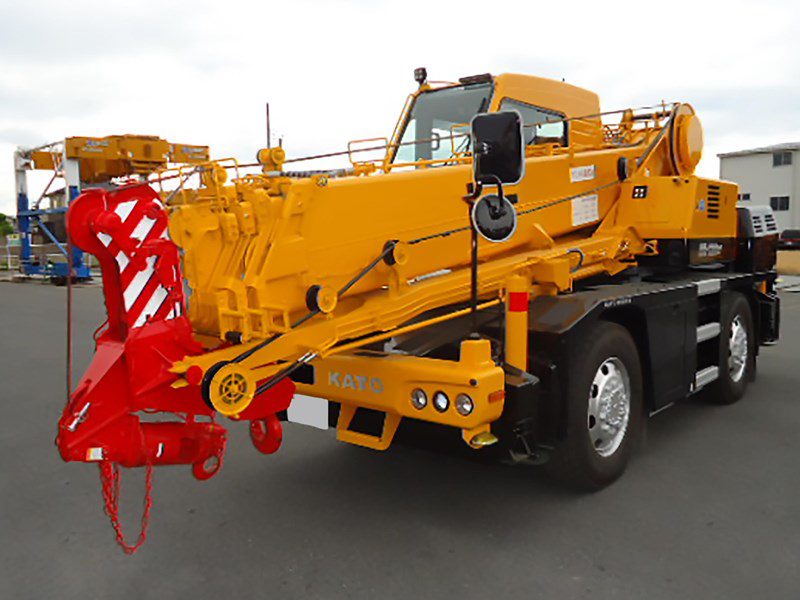
In parallel, franna crane hire southern highlands plays a distinct but complementary role. Franna cranes, with their mobility and capacity for short-distance lifts, are frequently used in regional developments, infrastructure works, and staged construction environments. Together, these crane types support a diversified construction landscape that spans metropolitan high-rises and regional projects.
Safety as a Commercial and Operational Imperative
Safety-first approaches in crane hire are no longer framed solely as compliance obligations. For top-tier builders, safety performance is directly linked to commercial outcomes. Incidents involving cranes carry high consequences, including project shutdowns, regulatory scrutiny, insurance impacts, and reputational damage.
Tower crane hire arrangements increasingly emphasise engineered lift planning, operator competency, and real-time monitoring. Builders seek predictable systems that reduce reliance on ad hoc decision-making. In this environment, safety is embedded into procurement decisions rather than treated as an operational afterthought.
Similarly, franna crane hire southern highlands is often selected for projects where terrain, access, or staging creates unique risk profiles. Mobile cranes can reduce the need for multiple handling steps, lowering exposure to manual handling injuries and plant interactions. The strategic use of different crane types reflects a broader industry shift toward risk-based planning.
Comparing Crane Approaches Across Project Types
High-rise construction typically relies on fixed tower cranes installed early in the project lifecycle. These cranes offer reach and capacity that align with repetitive vertical lifts, such as formwork, reinforcement, and prefabricated elements. Tower crane hire in this context supports consistency, allowing crews to work within well-defined lift zones.
Infrastructure projects, by contrast, often require flexibility. Bridge works, utility installations, and road upgrades may progress in stages, with changing lift locations. Franna crane hire southern highlands is commonly used in these scenarios due to the crane’s ability to travel with loads over short distances, reducing setup time and supporting dynamic work fronts.
Dense urban projects introduce additional constraints, including proximity to public spaces and existing buildings. Here, safety-first crane strategies involve detailed exclusion zones, load path analysis, and coordination with local authorities. The choice between tower crane hire and mobile alternatives is often dictated by these contextual factors rather than cost alone.
Regulatory Frameworks Governing Crane Safety in Australia
Australia’s crane operations are governed by a combination of national standards and state-based regulatory oversight. Work health and safety legislation places primary responsibility on duty holders to eliminate or minimise risks associated with plant and lifting operations. Regulators such as SafeWork NSW and other WorkSafe authorities enforce compliance through audits, notices, and, in severe cases, prosecutions.
Key technical standards underpinning crane safety include AS 2550, which covers the safe use of cranes, and AS 1418, addressing crane design and manufacture. These standards inform everything from inspection regimes to operational limits. Builders engaging tower crane hire are expected to ensure cranes are erected, maintained, and operated in accordance with these requirements.
Licensing also plays a critical role. Crane operators must hold appropriate high-risk work licences, while doggers and riggers are subject to their own certification pathways. For franna crane hire southern highlands, operator competency is particularly important given the crane’s dual role as a lifting and load-carrying vehicle.
Technological Advances Shaping Safer Lifting Operations
Technological innovation has reshaped how cranes are used and monitored on Australian sites. Modern tower cranes are increasingly equipped with load moment indicators, anti-collision systems, and wind monitoring devices. These technologies provide operators with real-time feedback, reducing the likelihood of overloads or unsafe movements.
Digital planning tools also contribute to safety-first outcomes. Three-dimensional lift simulations allow project teams to model crane movements before work begins, identifying potential clashes or hazards. When integrated into broader building information modelling workflows, tower crane hire becomes part of a coordinated digital ecosystem rather than an isolated operation.
Mobile cranes have also benefited from innovation. Advances in stability systems and telematics enhance oversight of franna crane hire southern highlands, particularly on uneven or evolving sites. These tools support proactive maintenance and operational decision-making, aligning with industry expectations for data-driven safety management.
Workforce Capability and Cultural Expectations
While technology and regulation provide a framework, workforce capability remains central to crane safety. Experienced operators bring situational awareness that cannot be automated. Builders increasingly assess crane hire arrangements based on training regimes, fatigue management practices, and supervisory structures.
The construction sector has also seen a cultural shift toward shared accountability. Safety-first crane hire reflects an expectation that all parties, from principal contractors to subcontractors, contribute to risk management. Clear communication protocols, standardised signals, and defined lift plans are now baseline requirements on major projects.
In regional areas, franna crane hire southern highlands often involves smaller crews working across multiple roles. This makes clarity of responsibility and adherence to standards particularly important. Builders operating across metropolitan and regional markets seek consistency in safety culture, regardless of project scale.
Balancing Efficiency, Cost, and Risk
A common misconception is that safety-first approaches compromise productivity. In practice, leading builders often find the opposite. Well-planned tower crane hire can streamline material flows, reduce rework, and minimise downtime caused by incidents or regulatory intervention.
Cost considerations remain relevant, but they are increasingly assessed in whole-of-project terms. Delays, investigations, and remedial works following a safety incident can far exceed the upfront cost of robust crane planning. The same logic applies to franna crane hire southern highlands, where selecting the appropriate crane for site conditions can prevent costly disruptions.
This balancing act underscores why safety has become a strategic lens rather than a compliance checkbox. Builders with complex pipelines view crane safety as integral to delivering predictable outcomes for clients and communities.
Looking Ahead: Safety as a Marker of Industry Maturity
As Australia’s construction sector continues to evolve, expectations around crane safety are likely to intensify. Urban densification, taller buildings, and increased public scrutiny place lifting operations under constant observation. Regulatory bodies continue to refine guidance, while industry groups promote best practice through shared learning.
In this environment, the trust placed in tower crane hire and franna crane hire southern highlands reflects more than operational necessity. It signals an industry recognising that safety-first approaches are fundamental to resilience, credibility, and long-term performance. For top builders, the question is no longer whether to prioritise safety in crane operations, but how effectively it can be embedded into every stage of project delivery.